ENGLISH-MSN 2 EMERGENCY AND DISASTER NURSING UNIT 11
EMERGENCY AND DISASTER NURSING.
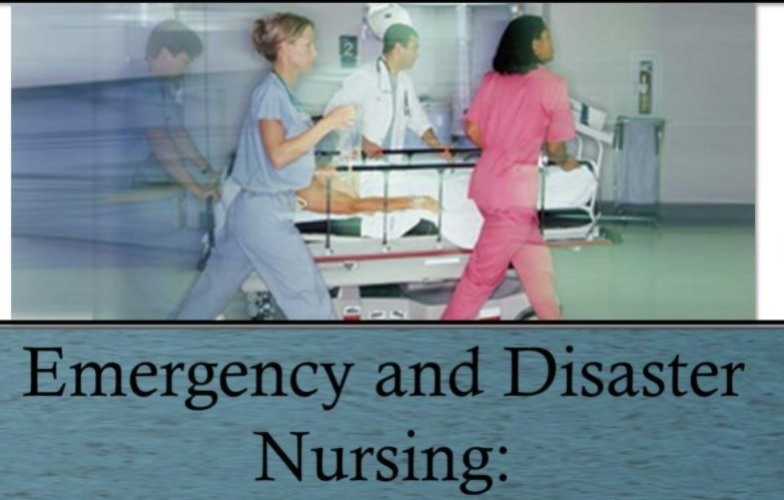
Write definitions of disaster
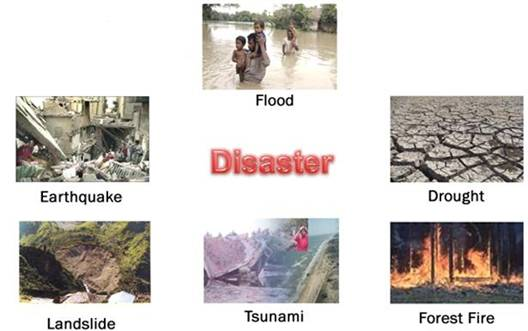
- A disaster is an event or occurrence that causes damage, ecological disruption, loss of human life, and disruption of health and health services of sufficient magnitude to elicit an extraordinary response from people outside the affected community or area. ~ WHO 1995
- A disaster is an event, whether natural or man-made, that results in human suffering and creates human needs that cannot be alleviated without assistance. ~ American Red Cross (ARC)
- A disaster is a sudden, catastrophic event that causes significant disruption, damage, and destruction, potentially resulting in loss of life.
- A disaster is a natural or man-made event that causes widespread human loss, as well as loss of livelihood, property, and life.
Write meaning of disaster
D – detection
I – incident command
S – safety & security
A – assess
S – support
T – triage & treatment
E – evaluation
R – recovery
Write effects of disaster
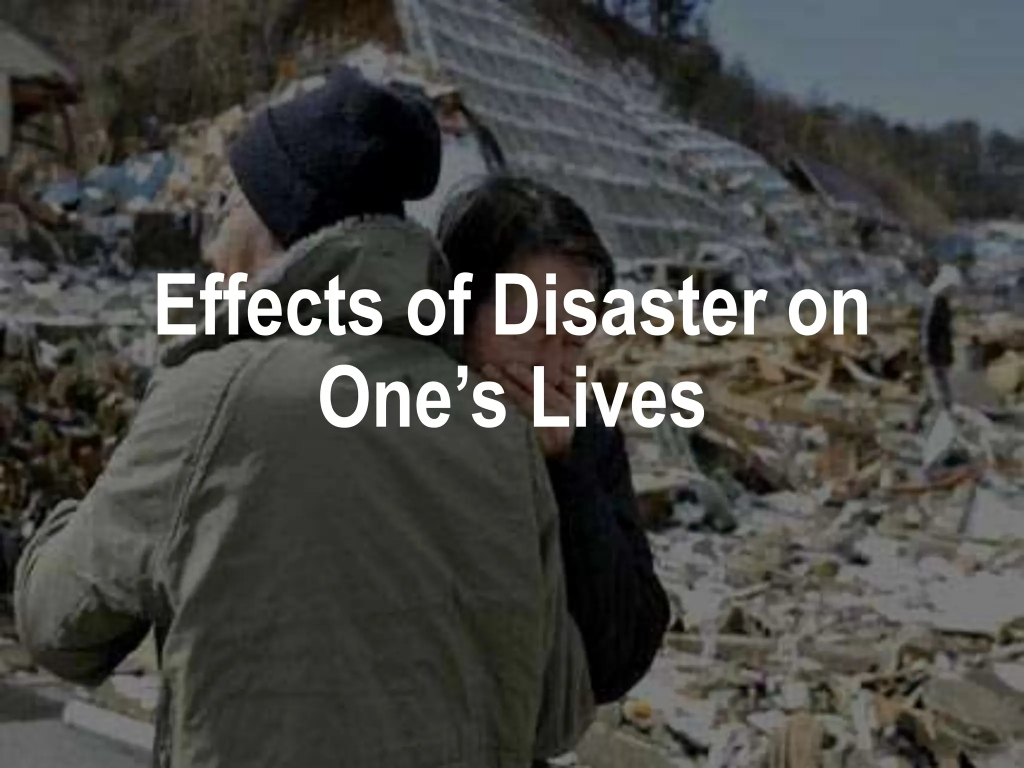
- Death
- Disability
- Increase in Communicable Diseases
- Psychological Problems
- Food Shortage
- Socioeconomic Loss
- Shortage of Drug and Medical Supplies
- Environmental Disruption
Write types of disaster There are two main types of disaster:
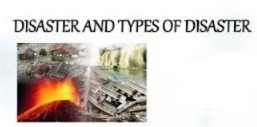
- Natural disaster
- Man-made disaster
Natural disaster
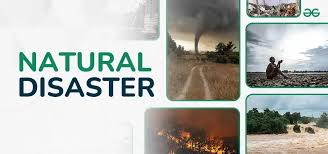
Natural disasters are also known as natural calamities. In which significant damage, loss of life, and disruption are seen due to weather or environmental events.
- Earthquake (earthquake): Sudden and violent shaking of the ground is observed due to movement in tectonic plates. Due to which building collapse, infrastructure damage, landslides are observed.
- Volcanic eruption: Explosive or effusive magma, ash and gas are released from a volcano, which is known as a volcanic eruption. Which causes lava flows, ash clouds, pyroclastic flows, air travel disruption and health hazards.
- Tsunami: A series of large waves are seen in the ocean due to underwater disturbance. Due to this, coastal flooding (flooding in coastal areas), infrastructure disruption, significant loss of life is seen.
- Flood: Overflow of water on dry land. That means the land is covered by water. Which causes water damage, property destruction, water supply contamination.
- Cyclone, Toofan, Hurricane: Powerful topical storms are seen which cause high winds and heavy rainfall.
- Tornado: A tornado is a violently rotating column of air that is connected to the surface of the Earth and a cumulonimbus cloud. is.
- Drought: Water shortage is observed due to lack of rainfall for a long time. Due to which crop failure, water scarcity, wildfires are observed.
- Landslide and Mudslide: The downhill movement seen in rock, soil and debris is known as a landslide. Which causes property damage, road blockage, fatalities and injuries.
- Wildfires: Uncontrolled fires seen in forests are known as wildfires. Which causes forest destruction, property loss, air quality degradation and loss of life.
- Blizzard and Snowstorm (Snowfall): Severe snowstorms are accompanied by high winds and low visibility. Due to which transportation disturbances, hypothermia and infrastructure damage are observed.
- Heatwave: Excessive high temperatures are observed for a long time, which is known as heatwave. Due to which heatstroke, agricultural damage is observed.
- Dust storm: Due to strong winds, large amounts of dust are seen in the air. Due to which reduced visibility, respiratory health issues are seen.
Manmade disaster
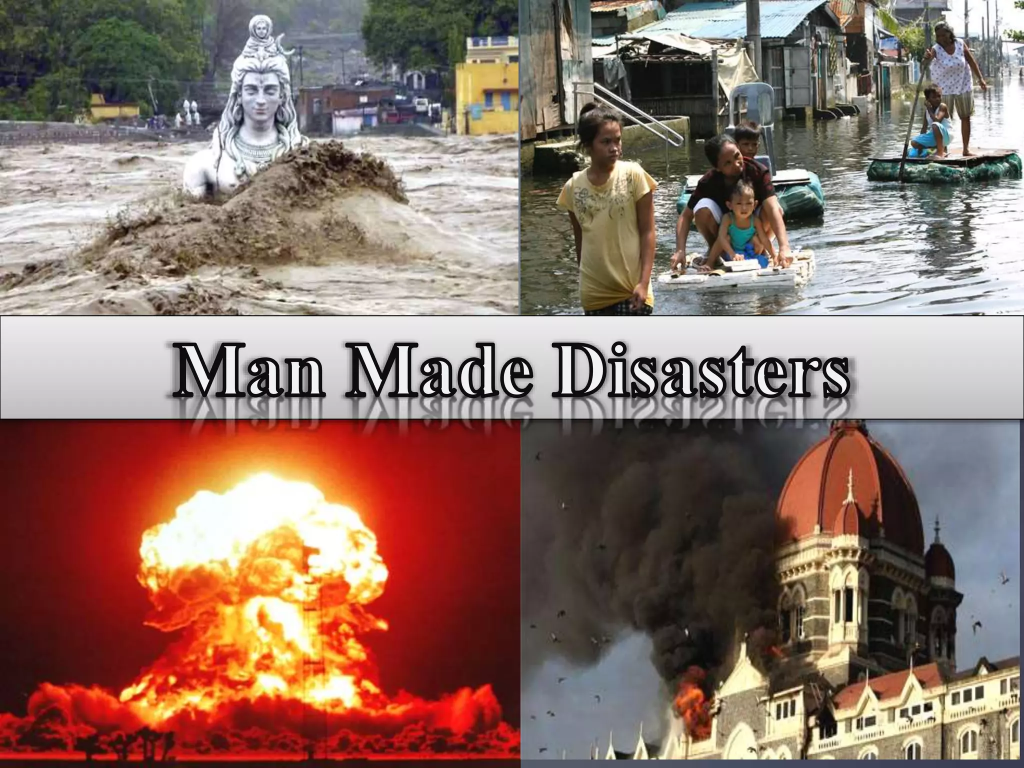
Man-made disasters are also known as anthropogenic disasters. They are a type of event that occurs as a result of human action and negligence. Due to which, its significant impact on human health, infrastructure and environment is seen.
- Industrial Accident: Accidents such as chemical spills, explosions, toxic releases, etc. have a significant impact on human life due to conditions such as the Bhopal gas tragedy (1984)
- Nuclear Accident: Radioactive material is released due to the failure of a nuclear power plant. For example Chernobyl Disaster – Ukraine
- Environmental Pollution:Deforestation, improper waste disposal, air and water pollution cause long-term environmental degradation.
- Transportation Accident: Major accidents such as accidents involving vehicles, trains, ships and airplanes cause significant casualties and property damage.
- Structural Failure: Buildings, bridges and other structures collapse due to design flaws, maintenance failures and poor construction. Like the Morbi Bridge disaster
- Conflict and Terrorism: Wars and acts of terrorism cause a large amount of destruction, displacement and loss of life. Such as the Syrian Civil War, 9/11 attacks in the United States (2001)
Write phases of disaster management
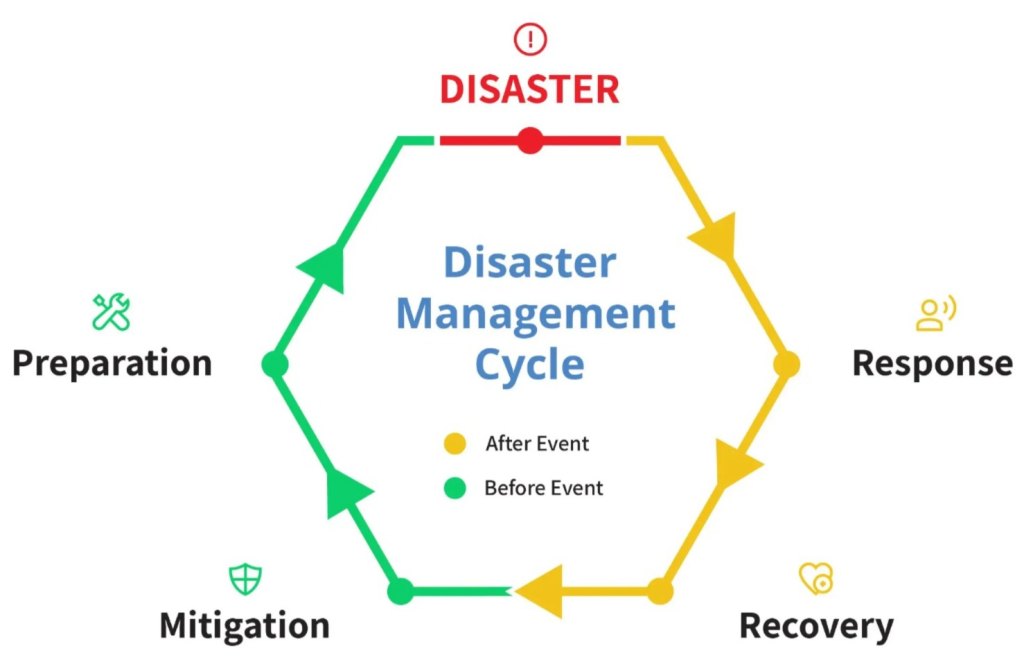
Mainly four phases are used for disaster management which are as follows:
1) Mitigation Phase
2) Preparedness Phase
3) Response Phase (Response Phase)
4) Recovery Phase (Recovery Phase)
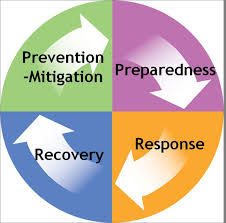
1) Mitigation Phase :
- In the mitigation phase, efforts are made to prevent disaster occurrences, to prevent hazards developing from disasters, and to reduce their severity. In which activities like building codes, land use planning, environmental management are carried out.
2) Preparedness Phase:
- In this phase, measures are taken to ensure how prepared individuals and communities are for disaster response. In which activities like emergency plan development, training exercises, public education campaigns, and keeping necessary supplies and equipment in stock are carried out.
3) Response Phase:
- In this phase, immediate action is taken to save lives and prevent damage caused by the disaster, so that safety can be ensured and emergency services can be provided. Activities such as search and rescue operations, emergency sheltering, and medical care are carried out in this phase.
4) Recovery Phase:
- In the recovery phase, activities are carried out to recover the affected area and community. During this phase, the community repairs, rebuilds, and relocates damaged homes and businesses, and the health and economic vitality of the community are restored. This is a long-term process that involves activities such as rebuilding infrastructure, providing ongoing social services, and economic redevelopment.
Emergency preparedness
- Emergency preparedness is the planning and preparation done to ensure safety and resilience in potential emergency situations.
- Emergency preparedness includes activities such as planning, organizing resources, and taking protective measures.
- The following key steps are used for emergency preparedness.
✓ Risk Assessment :
- Potential emergency or Identify potential hazards (natural disasters, technological incidents, pandemics).
- Assess the impact of these hazards on the community and organization.
✓ Emergency Plan Development:
- Create comprehensive emergency plans for different types of emergencies To do.
- Which should include evacuation routes, communication strategies, roles and responsibilities.
- This plan should cover the special needs of the community (including children, elderly, people with disabilities) and should be insured.
✓ Communication Plan :
- Establish clear communication channels before, during, and after an emergency.
- Including methods for contacting family members, employees, and emergency services.
- Use multiple platforms for communication such as phone, email, social media.
✓ Emergency kit :
- Prepare an emergency kit with necessary supplies. Such as food, water, medication, first aid supplies, flashlights, batteries.
- Provide customized kits for home, car, and workplace.
- Ensure that the kit is easily accessible and updated.
✓ Training and Education:
- Conduct training sessions and drills regularly.
- Educate the community about emergency procedures and safety measures.
- Provide first aid and CPR training to the community.
✓ Partnership and Coordination:
- Collaborate with local authorities, emergency services and other organisations.
- Participate in community emergency planning committees and networks.
- Share information and resources to support overall preparedness.
✓ Review and update plan:
- Regularly review and update the emergency plan.
- Conduct after-action reviews after drills and actual emergencies.
Write nurses role in disaster management
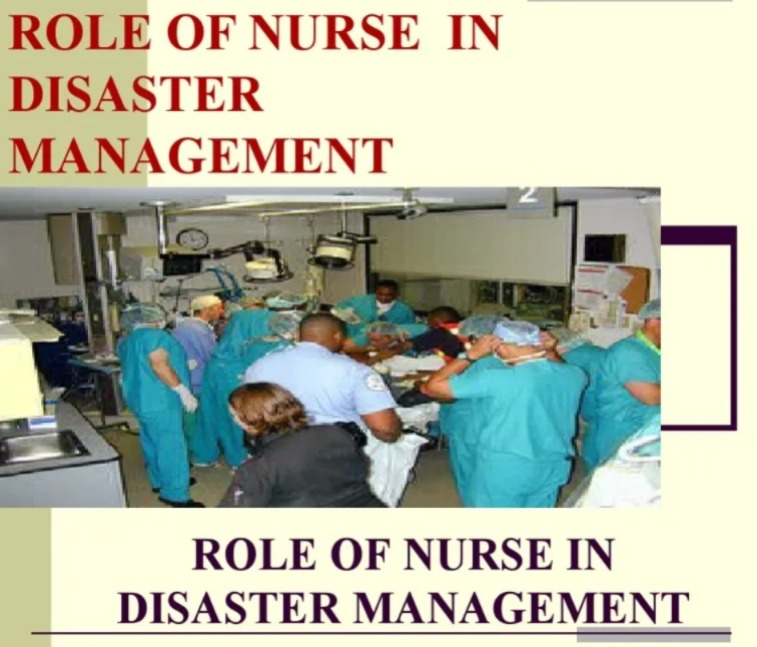
Nurses play a critical role in disaster management. Nurses play the following roles during preparedness, response, recovery, and mitigation:
✓ Preparedness:
- Training and Education Provider:
Nurses should have received specialized training in disaster response, such as first aid, triage, and emergency care. In addition, the nurse should provide education to others about it.
- Planning:
A nurse should make proper planning for disaster preparedness. Participate in developing a disaster response plan.
- Community Education:
Nurses provide education about disaster preparedness to the community. Such as personal safety measures, emergency procedures
✓ Response :
- Triage and Immediate Care Provider:
The nurse should be performing triage so that priority care can be provided based on the severity of the injury and immediate care can be provided Can be.
- Resources Management:
The nurse should manage medical supplies and ensure efficient use of resources.
- Collaborator:
A nurse is another healthcare personnel, Emergency services should collaborate with the disaster response team.
- Psychological Supporter:
Provide psychological support to the family members of victims affected by the disaster.
✓ Recovery:
- Care Provider :
Provide ongoing medical care to disaster survivors.
- Support Services Provider:
Nurses connect each individual with resources and support services.
- Community Health:
To monitor community health trends and prevent disease outbreaks in post-disaster settings.
- Rehabilitator :
To assist people with long-term injuries and disabilities in rehabilitation efforts.
✓ Mitigation :
- Risk Assessment :
Assess community vulnerability and identify potential health risks related to disasters.
- Public Health Initiatives :
Nurses promote public health initiatives such as vaccination campaigns, health education, which can reduce disaster risk.
- Advocate:
Nurses are advocates for policy and practice. So that community resilience can be enhanced and disaster response infrastructure can be improved.
✓ Skills and Competencies :
- Clinical Skills :
Must have clinical skills to provide emergency care and trauma care.
- Leadership :
Must have the ability to lead and coordinate with a multidisciplinary team.
- Communication :
Nurses must have communication skills so that they can convey critical information quickly and clearly. Can.
- Adaptability :
A nurse should be able to adapt to any environment and should be flexible in her work.
- Cultural Competence :
A nurse should be able to adapt to any environment and be flexible in her work. She should be able to understand and respect the culture, and she should provide equitable care considering her culture.
EMERGENCY DISORDERS MANAGEMENT.
Define triage

- Triage is derived from the French word ‘trier’ which means ‘to short out’ or ‘to sift out’.
- Triage is a process used in emergency and medical settings in which patients are given priority based on the severity of their condition.
- Triage involves separating patients who need early treatment from those who need it most, using a color code, so that early treatment can be provided.
Write types of triage
1) Simple triage:
- Simple triage is used when there is a mass casualty incidence, the patient needs to be quickly assessed and categorized based on their needs, and resources are limited. Simple triage uses methods such as the START (Simple Triage and Rapid Treatment) method as well as a color code system (red, yellow, green and black).
2) Advanced triage:
- Advanced triage is mainly used in hospital settings where more resources are available, in which more detailed examinations are performed. The Emergency Severity Index (ESI) method is primarily used in advanced triage. In which patients are categorized from level 1 (most urgent) to level 5 (least urgent).
Write about color code of triage
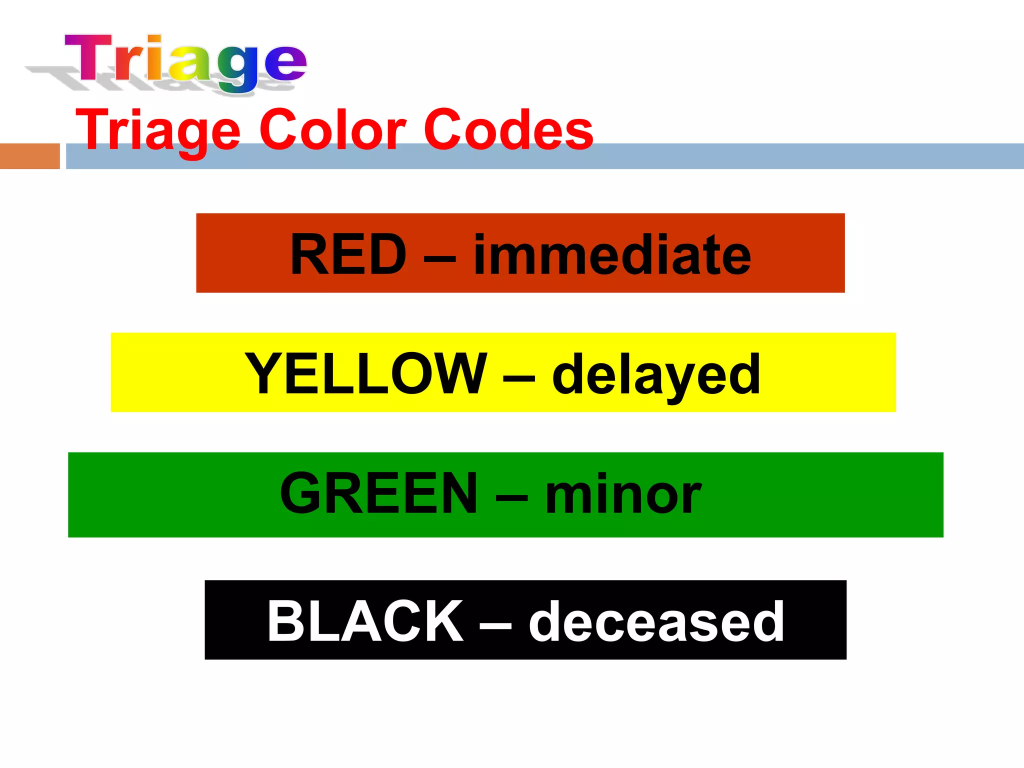
- red color :
Red Mins Emergency. Red color indicates ‘immediate word’ . That is, red color is given to victims with life-threatening conditions. That is, such people need immediate intervention. For example, severe respiratory depression, brain hemorrhage
- Yellow color :
Yellow means urgent. Such people have serious conditions but are not life-threatening, so immediate intervention is not required.
- Green color:
Green means minor. Green color is given for minor injuries such as wounds.
- Black color :
Black means deceased or expectant. People who are dead or who are seriously injured and cannot survive are given black color.
Write advantages of triage
- Patients are given priority based on their severity and urgency so that they can be treated early.
- It is useful in making difficult decisions easier.
- Rapid initial assessment is provided.
- Ensures that resources are used effectively and their waste is prevented.
- Critical Minimizes service waiting time.
Define obstruction of airway
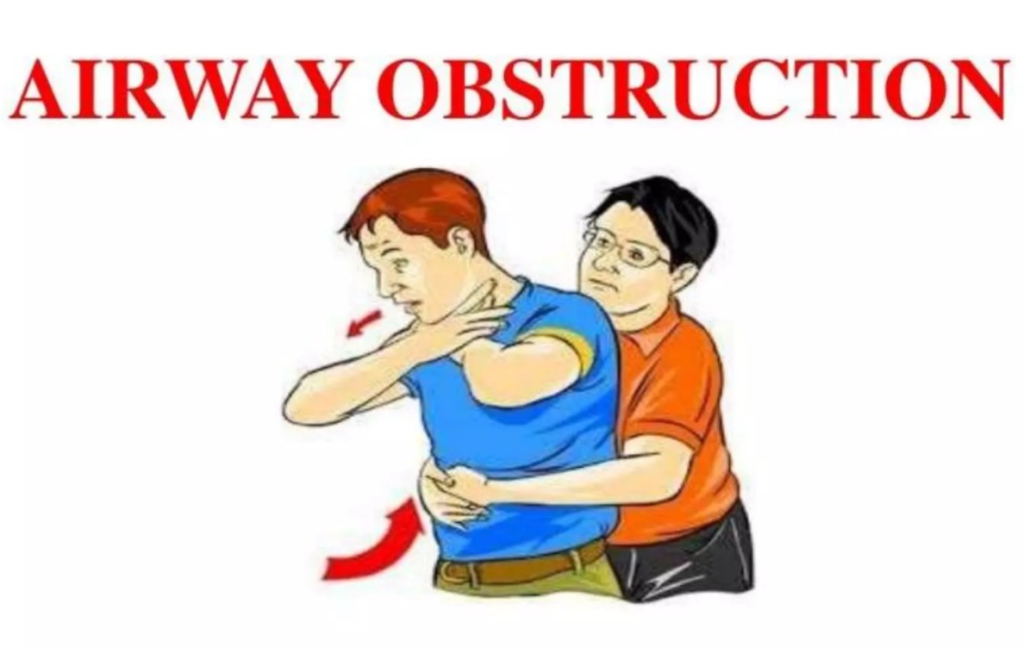
- This is a life-threatening emergency. In which the respiratory passage is blocked due to airway obstruction, which prevents the free flow of the airway.
Write causes of airway obstruction
- Foreign Object: Inhaling or ingesting a foreign object that blocks the airway, such as a piece of food, toy, or small item
- Infection: Epiglottitis and infections of the larynx and pharynx cause edema and spasm, which can lead to airway blockage.
- Trauma: Upper airway obstruction can occur due to injuries to the face and neck. Such as fractures and dislocations
- Allergic reaction: Severe allergic reaction causes swelling in the airways, leading to obstruction.
- Tumor: Abnormal growth and tumor in the upper airways can cause blockage of the air passages.
Write clinical manifestations of airway obstruction Obstruction)
Choking is seen as the main sign due to upper airway obstruction.
- Choking: The universal sign for choking is ‘hand clutches to the throat’, meaning the person holds their throat while choking.
- Difficulty in breathing
- Cuffing or gagging
- Cyanosis
- Distress
- Restlessness
- Difficulty in speaking
- Aphonia
- Respiratory distress and death
Write management of airway obstruction
- Assessment: Assess the severity of the obstruction. Check for signs of respiratory distress.
- Clear the airway: Perform the Heilmitch maneuver to clear the airway.
- Stand behind the adult patient. To create balance, keep one foot slightly ahead of the other. If it is a child, sit behind him with your legs bent at the knees.
- Hold the arm next to the patient’s waist.
Then make a fist with one hand and place the thumb side of that fist against the person’s abdomen, above the navel and below the ribs. - With the help of the other hand, hold the fist and provide rapid upward thrusts into the abdomen.
- If the object has not yet come out, provide repeated thrusts.
- Apply less pressure to the child.
- Provide chest thrusts to the patient if the patient is pregnant and the arm is not around the stomach. Chest thrusts involve placing the hand on the breastbone and providing thrusts.
- Providing back blows to newborns and infants.
- In which the baby is placed in the forearm and if grasped, five black blows are given with the hand.
- Open the airway: If the patient is conscious and has difficulty breathing, ask the patient to forcefully expel the cuff so that the obstruction is removed.
- Call for Help: If the obstruction does not clear and the patient’s condition worsens, call emergency services.
- Oxygen therapy: If oxygen is available, provide supplemental oxygen to improve oxygen levels.
Define Hemorrhage
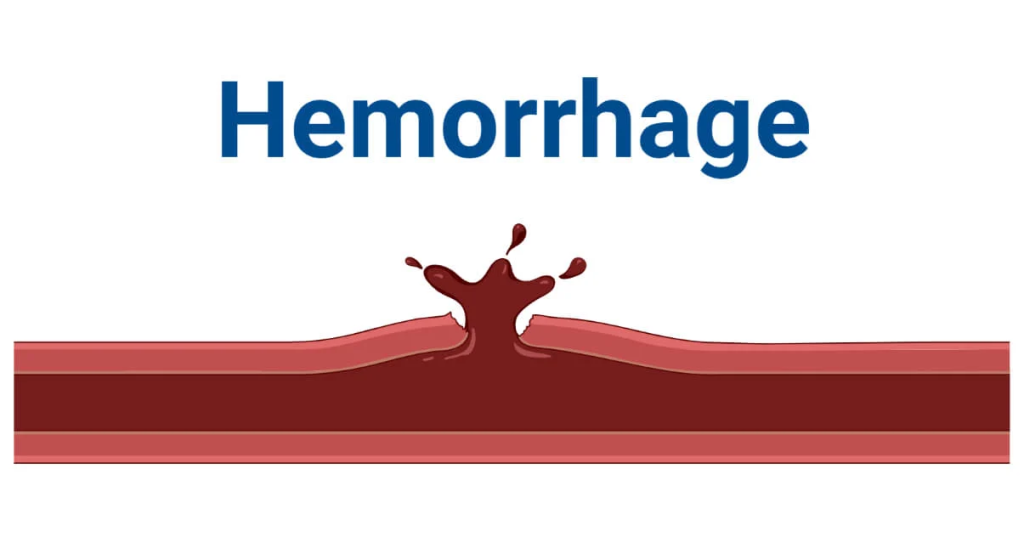
- Hemorrhage means bleeding. In which blood loss occurs from damaged blood vessels. Which is found inside or outside the body.
Write types of hemorrhage
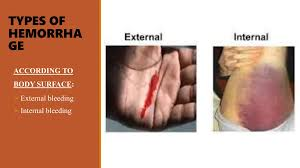
Hemorrhage is mainly divided into two types:
1) External hemorrhage
2) Internal hemorrhage
1) External hemorrhage:
- Bleeding in external hemorrhage is The wound, abrasion or injury site is visible from the outside of the body.
2) Internal Hemorrhage:
- In internal hemorrhage, bleeding is seen inside the body. It cannot be immediately visible like external hemorrhage. Which includes intracranial hemorrhage, gastrointestinal hemorrhage, pulmonary hemorrhage.
✓ Arterial hemorrhage: Bleeding seen in an artery is known as arterial hemorrhage. Which is seen in bright red color. Arterial hemorrhage is severe and life threatening. Which is difficult to control. (Because the blood pressure in the artery is high.
✓ Venous hemorrhage: Bleeding seen in veins is known as ‘venous hemorrhage’. Which is seen in dark red color. Venous hemorrhage is less severe than arterial hemorrhage.
✓ Capillary hemorrhage: Bleeding seen in the smallest blood vessels capillaries is known as capillary hemorrhage. In capillary hemorrhage, small amounts of bleeding are seen from minor cuts and abrasions.
Write causes of hemorrhage
- Trauma or injury (accident, fall down, violence)
- Medical condition (hemophilia, blood clotting disorder, liver disease)
- Medication (blood thinners – warfarin, aspirin)
- Surgery
- Aneurysm
- High Blood Pressure
- Cancer
- Ulcer
- Childbirth
Write sign and symptoms of hemorrhage
✓ External bleeding
- Bleeding from an open wound
- Visible bleeding
- Bruising
- Discoloration of skin
- Swelling around the affected area
✓ internal hemorrhage :
Intracranial hemorrhage :
- Severe headache
- Confusion or altered mental status
- Vision problems
- Seizures
- Weakness or Numbness on One Side of Body
Gastro Intestinal Hemorrhage :
- Blood in Vomiting
- Blood in Stool
- Abdominal Pain and Swelling
Pulmonary hemorrhage :
- Blood on phlegm
- Chest pain
- Breathing difficulty
✓ general symptoms :
- Rapid and shallow breathing
- Rapid pulse
- Hypotension
- Pale or clammy skin
- Weakness
- Fatigue
- Design
- Lightheadedness
Write diagnostic evaluation of hemorrhage
- History collection
- Physical examination
- Complete Blood Count
- Coagulation Study
- Ultrasound
- CT Scan
- MRI
- Angiography
- Endoscopy
Write management of hemorrhage
✓ Immediate First Aid Care :
- Apply pressure: Apply pressure to the bleeding site using a clean cloth or bandage. So that the bleeding can be controlled.
- Elevate the area: If there is bleeding from the limb, elevate it to the level of the heart. So that the blood flow to that area can be reduced.
- Immobilize the area: Immobilize the injured area. So that further damage can be prevented.
✓ Medical Management :
Minor Hemorrhage :
- Topical hemostatic agent: Applying a hemostatic agent with gauze to control minor bleeding.
- Sutures or staples: Small cuts and lacerations are healed with the help of sutures or staples.
Major hemorrhage:
- Tourniquet: In cases of severe limb bleeding, apply a tourniquet over the injury site. So that blood flow can be controlled.
- Blood transfusion: If necessary, replace blood with blood transfusion.
- Intravenous fluid: Administer intravenous fluid to maintain blood pressure and organ perfusion.
- Medication: Administer medicine such as tranexamic acid to control bleeding.
✓ Surgical Intervention :
- Ligation or Clamping : Tying or clamping of bleeding vessels.
- Repair of Injured Tissue :
Surgically removing damaged organs or tissues.
✓ Monitoring and Support :
- Vital sign monitoring: Continuously monitoring the patient’s blood pressure, pulse, respiratory rate, and oxygen level.
- Critical care support: In severe cases, the patient is kept in the Intensive Care Unit (ICU). So that close monitoring of the patient can be done and advance intervention can be done.
Define shock
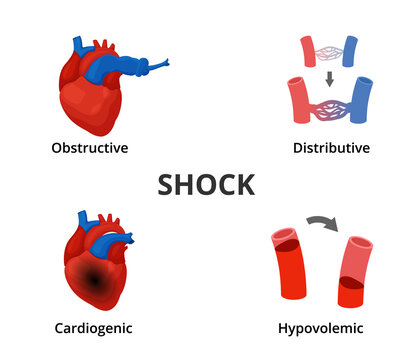
- Shock is a life-threatening condition. In which the body does not get enough blood supply, meaning that the cells and tissues do not get enough oxygen and nutrients, due to which they do not function properly and due to this, severe damage is seen.
Write types of shock
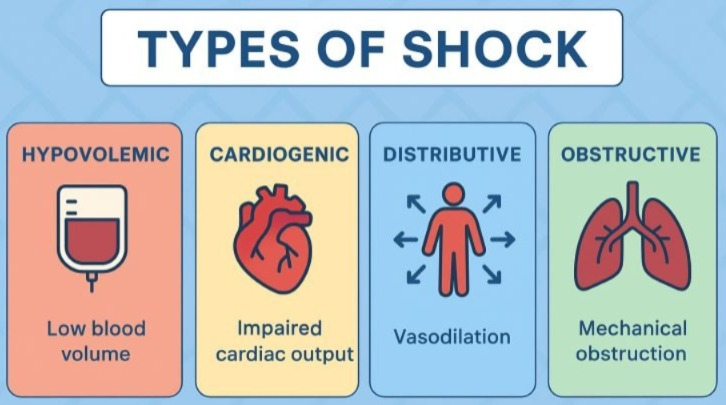
1) Hypovolemic shock :
- The condition of hypovolemia is observed due to significant blood or fluid loss and the shock seen due to it Known as hypovolemic shock.
2) Cardiogenic shock:
- Due to conditions like heart attack or heart failure, the heart is unable to pump enough blood and the shock seen due to this is known as cardiogenic shock.
3) Distributive shock :
Blood vessels in distributive shock lose their tone and capacity to dilate. Which is seen due to the following reasons.
- Septic shock: Due to severe infection, a condition of systemic inflammation is seen and due to this, septic shock is seen.
- Anaphylactic shock: Due to anaphylactic reaction, blood vessels constrict and a condition of anaphylactic shock is seen.
- Neurogenic shock: Due to injury to the spinal cord, vascular tone is lost, due to which a condition of neurogenic shock is seen. Is.
4) Obstructive shock:
- Due to physical obstruction seen in blood flow, cells and tissues do not get sufficient blood supply and due to this, the condition of obstructive shock is seen. Such as pulmonary embolism
Write sign and symptoms of shock
- Low blood pressure (hypotension)
- Rapid pulse (tachycardia)
- Rapid breathing (Tachypnea)
- Shortness of Breath
- Cyanosis
- Cold and clammy skin
- Ineffective Tissue Perfusion
- Thirst and Dry Mouth
- Confusion
- Loss of Consciousness
- Restlessness
- Weakness or Fatigue
- Decrease urine output
- Dilated pupils
- Nausea
- Vomiting
- Sweating
Write management of shock
- Vasoconstrictors: Vasoconstrictors contract the smooth muscles in the blood vessels. Due to which the blood vessels constrict and the blood pressure increases. For this, epinephrine, norepinephrine drugs should be used.
- Isotrope: In cases of cardiogenic shock, isotrope medicine should be used to increase cardiac output. Such as dobutamine
- Fluid resuscitation: Administer IV fluids in cases of hypovolemic and distributive shock. Such as normal saline, Ringer lactate
- Specific treatment: Know what type of shock is and what cause (cause) is responsible for the shock and treat that cause.
- Hemodynamic monitoring: Continuous ECG, blood pressure, central venous pressure monitoring.
Define anaphylactic reaction
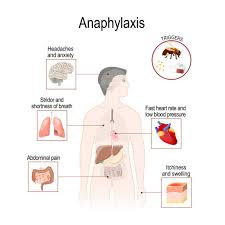
- Anaphylactic reaction is a severe and potentially life-threatening allergic reaction that occurs within a short time of exposure to an allergen.
Write sign and symptoms of anaphylactic reaction
✓ Skin reaction :
- itching
- hives
- Redness
- Swelling in face and eyes
✓ Respiratory symptoms :
- Breathing difficulty
- Cuffing
- Wheezing
- Chest tightness
✓ Cardiovascular symptoms :
- Rapid or irregular heartbeat
- Palpitation
- Low blood pressure
- Fancy
- Dizziness
- Lightheadedness
✓ Gastrointestinal symptoms :
- Abdominal pain
- Nausea
- Vomiting
- Diarrhea
✓ Other symptoms :
- Anxiety
- Confusion
- Slurred speech
- Unconsciousness
Write diagnostic evaluation of anaphylactic reaction (Write diagnostic evaluation of anaphylactic reaction) Reaction)
- History Collection
- Physical Examination
- Serum Tryptase
- Skin Prick Test
- Allergen Specific IgE Testing
- Complete Blood Count
Write management of anaphylactic reaction
Call for emergency:Call for emergency services.
Epinephrine administration: Epinephrine is the drug of choice for anaphylactic reactions. Therefore, epinephrine is administered to control the anaphylactic reaction.
Positioning: Place the patient on a flat surface and elevate the legs if possible and maintain airway patency.
Oxygen Therapy and Ventilation: Provide supplemental oxygen to the patient and provide mechanical ventilation if necessary.
Corticosteroid : Provide corticosteroid drug to reduce inflammation and prevent biphasic reaction.
Antihistamine : Provide antihistamine group medicine to relieve itching and hives.
Fluid : Administer intravenous iv fluids to manage hypotension.
Monitoring: Continuous vital sign monitoring as well as monitoring for treatment response.
Define abdominal trauma
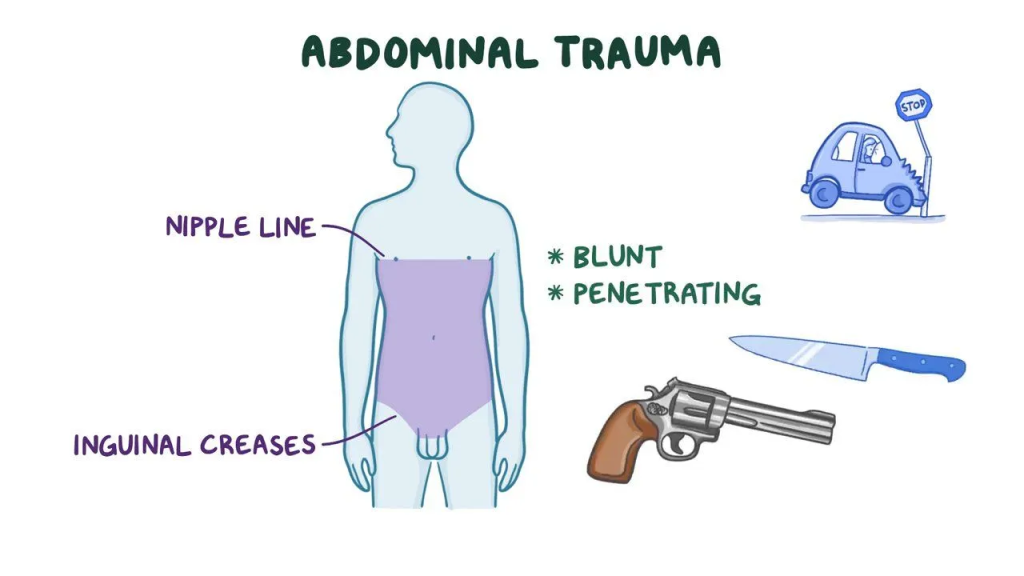
- Injuries found in the abdominal cavity or Trauma is known as abdominal trauma, in which the organs in the abdominal cavity are affected. Such as stomach, liver, spleen, intestine, kidney, bladder
Write types of abdominal trauma (Write type of abdominal trauma)
- Blunt trauma :
Blunt In trauma, force is applied to the abdomen, which causes damage to internal organs but does not break the skin. Such as falling down. Direct blow (kick)
- Penetrating trauma:
In penetrating trauma, the skin and abdominal wall break, penetrating it and damaging the internal organs. Such as knives, bullets.
Write sign and symptoms of abdominal trauma
- Abdominal pain and tenderness
- Distension or swelling
- Bruising
- Nausea and vomiting
- Rapid pulse
- Low blood pressure
- Palm and clammy skin
- Blood in stool and urine
- Difficulty in breathing
Write diagnostic evaluation of abdominal trauma
- History Collection
- Physical Examination
- Ultrasound
- CT scan
- MRI
- Blood Test (CBC)
Write management of abdominal trauma
- First assess the patient for ABCDE.
- A – Airway
- B – Breathing
- C – Circulation
- D – Disability
- E – Exposure
- If the airway is not clear, clear the airway.
- Then provide supplemental oxygen or mechanical ventilation if necessary.
- Secure the IV line.
- Apply pressure to the bleeding site To do.
- Check the severity of the injury using CT scan and X-ray.
- Laparotomy is performed in cases of intra-abdominal injury. With the help of which the injury to the organ can be repaired.
✓ Supportive Care :
- Fluid Resuscitation: Use crystalloids and blood products for fluid replacement.
- Pain Management: Use analgesic drugs to relieve pain.
- Antibiotics: In cases of penetrating injury, the chances of infection increase, so provide antibiotics group drugs to prevent infection.
Define multiple injury
- In multiple injuries, multiple injuries are seen due to any single traumatic event. Such as multiple bone fractures, lacerations, internal organ damage due to car accidents, falls.
Write causes of multiple injury
- Vehicle Accident (Car, Motorcycle and Bicycle Accident
- Fall from Height or Sleep
- Sport Injury
- Violence or Assault
- Industrial Accident
- Disaster (Earthquake)
Write diagnostic evaluation of multiple injury
- History collection
- Physical examination
- X-ray
- CT scan
- MRI
- Ultrasound
- Complete blood count
- Coagulation study
- Kidney function test
- Liver function Test
- Urine Analysis
Write management of multiple injury
- First assess the patient for ‘ABCDE’.
- A – Airway
- B – Breathing
- C – Circulation
- D – Disability
- E – Exposure
- If the airway is not clear, clear the airway.
- Then provide supplemental oxygen or mechanical ventilation if necessary.
- Secure the IV line.
- Apply pressure to the bleeding site.
- Manage head injuries and spinal injuries.
- Use splints as needed.
- Transfer the patient to the nearest trauma center immediately.
- Patient IV Administer fluids and if blood loss is severe, perform blood transfusion.
- Immediately treat life-threatening conditions. Such as cardiac tamponade, pneumothorax, massive hemothorax.
- If the area is injured or damaged, perform specific management. Such as rib fractures, hemothorax, pneumothorax if there is a chest injury.
- Administer tetanus toxoid vaccine to the patient.
- Administering analgesic medicine to a patient.
Define poisoning
- Poisoning occurs when a person comes into contact with or is exposed to any substance that is harmful to health.
- Poisoning occurs when a substance interferes with normal body functions.
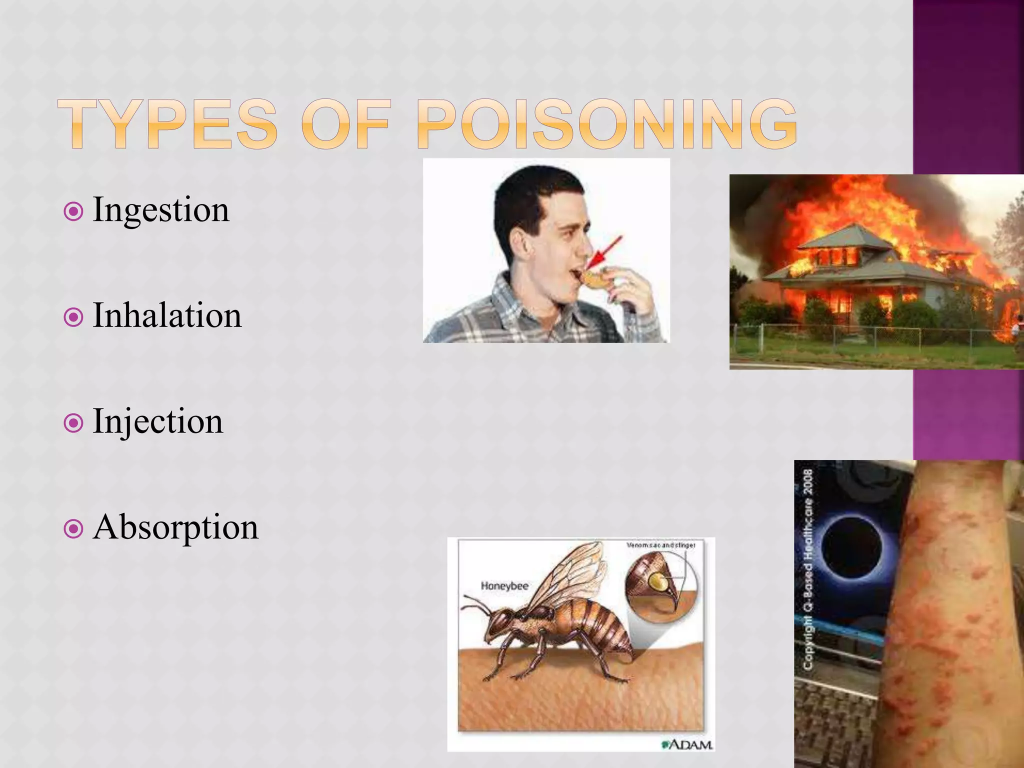
- These harmful substances are introduced into the body through ingestion, inhalation, injection, or skin (absorption).
Types of positioning (type of poisoning)
I) Chemical poisoning:
- Chemical poisoning occurs due to exposure to household cleaners, pesticides, industrial chemicals or other toxic chemicals.
II) Drug Poisoning :
- Drug poisoning can occur due to overdose of prescription medicine, over the counter drops as well as illegal substances.
III) Food Poisoning :
- Food poisoning occurs due to ingestion of contaminated food or beverages.
IV) Alcohol poisoning:
- Alcohol poisoning can occur due to excessive alcohol consumption.
V) Carbon Monoxide Poisoning :
- Carbon monoxide poisoning occurs due to inhaling carbon monoxide gas.
VI) Plant and Animal Poisoning :
- Due to ingestion of toxic plants or Poisoning conditions can also occur due to animal bites or stings.
Define inhaled poisoning

- Inhaled poisoning occurs due to inhaling toxic substances. Due to which, potential damage is seen in the respiratory system as well as other organs.
- Inhaled poisoning includes carbon monoxide poisoning, chemical fumes or vapor poisoning, smoke inhalation, ammonia and chlorine gas poisoning, asbestos poisoning, radon gas poisoning, hydrogen sulfide gas, nitrogen dioxide and sulfur dioxide poisoning.
Write sign and symptoms of inhaled poisioning (Write sign and symptoms of inhaled poisoning)
✓ Respiratory symptoms :
- Cuffing
- Shortness of breath
- Wheezing
- Chest Pain
- Rapid breathing
✓ Neurological symptoms :
- Headache
- Dizziness
- Confusion
- Fainting
- Loss of Consciousness
- Seizures
✓ Cardiovascular Symptoms :
- Rapid or irregular heartbeat
- Palpitation
- Chest Pain
- Hypotension
✓ Gastro-intestinal Symptoms :
- Nausea
- Vomiting
✓ Eye and Skin Symptoms :
- Irritation or redness in eyes
- Burning sensation in nose, throat and lungs
- Skin irritation or rash
- Cyanosis
✓ General symptoms :
- Fever
- fatig
- Weakness
- Malays
Write first aid for inhaled poisoning
- Move to fresh air: Move the patient to an area with fresh air immediately.
- Call emergency services: Call emergency services immediately.
- CPR if Necessary: If breathing is not present, provide CPR to the patient.
- Provide oxygen: If oxygen is available, provide supplemental oxygen.
- Remove contaminated clothing: If a condition of poisoning has been observed due to chemical contact, remove the contaminated clothing.
- Transfer to health center: Transfer the patient to the nearest health center area and provide medical care.
Define food poisoning
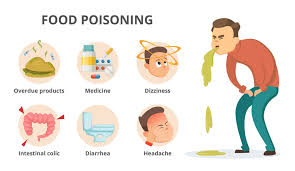
- Food poisoning is also known as ‘foodborne illness’. Which is caused by consuming contaminated food or beverages.
- Contaminants can be bacteria, viruses, parasites or toxins.
Write causes of food poisoning
Food poisoning occurs when you consume food or beverages contaminated with harmful microorganisms and toxins.
- Bacteria (Salmonella, E. coli, Listeria)
- Viruses (Norovirus, Hepatitis A)
- Parasites (Toxoplasma, Cryptosporidium, Giardia)
- Toxicity
- Chemical (Exposure to pesticides, heavy metals and other chemicals)
Write sign and symptoms of food poisoning
- Nausea
- Vomiting
- Diarrhea
- Abdominal pain and cramps
- Fever
- Headache
- Muscle aches
- Weakness or fatigue
- Dehydration
- Dizziness
- Dry mouth
- Loss of appetite
Write diagnostic evaluation of food poisoning
- History Collection
- Physical Examination
- Blood Test
- Stool Sample Analysis
- Urine Test
Write management of food poisoning
✓ Medication :
- Antidiarrheal drug: Provide over-the-counter medicine loperamide to control loose motions in mild cases.
- Antiemetic drug: Provide antiemetic drug to control nausea and vomiting. Such as Ondansetron
- Antibiotics : To provide drugs of the antibiotics group to treat bacterial infections.
- Antiparasitic : To provide drugs of the antiparasitic group to treat parasite infections.
✓ Hydration :
- Instruct the patient to drink plenty of fluids to prevent dehydration. Such as water, ORS, juice.
- In cases of severe dehydration, administer intravenous fluids.
✓ Rest :
- Provide adequate rest for the body to recover.
✓ Diet :
- If vomiting and diarrhea have subsided, provide the patient with easily digestible food. Such as rice, khichdi, curd
- If the patient can tolerate it, then reintroduce solid food.
- Avoid dairy products, alcohol, caffeine, nicotine and fatty foods.
Define chemical burns
- Contact with harmful chemicals causes skin and tissue damage, which Known as chemical burns.
- Harmful chemicals include strong acids, alkalis, paint thinners, drain cleaners, gasoline, corrosive materials, etc.
Write sign and symptoms of chemical burns
The signs and symptoms of chemical burns depend on the concentration of the chemical and the duration of exposure.
- Redness and irritation
- Pain and burning
- Formation of blisters and peeling
- Discoloration of skin
- Swelling
- Numbness
- Ulceration
- Respiratory issues (cuffing, short ness of breath – in inhalation burns)
- Eye damage (pain, redness, vision loss – in case of eye burns)
- Systemic symptoms (nausea, diarrhea)
Write first aid for chemical burns
- Remove the Chemical :
Quickly and carefully remove contaminated clothes and jewelry.
- Clean the Area :
Rinse the affected area with plenty of water for 20 minutes. Avoid hard sprays of water. Because it can cause tissue damage.
- Protect yourself:
Use gloves and cloths to avoid coming into contact with chemicals.
- Do not Apply Neutralizing Substance :
Do not use any other type of chemical to neutralize the chemical. Because it can cause a reaction.
- Cover the burn :
After flushing, cover the burn with a clean and dry cloth or sterile bandage.
- Medical Attention:
In cases of severe chemical burns, breathing difficulty, and unknown chemicals, seek immediate medical help.
Write prevention of chemical burns
- Always wear protective clothing when handling chemicals.
- Chemicals should be stored properly and out of reach of children.
- Follow safety precautions and warnings associated with chemical products.
- Avoid prolonged contact with chemicals.
- Proper labeling of the outside of chemical containers Do.
- Avoid storing chemical products in food or drink containers.
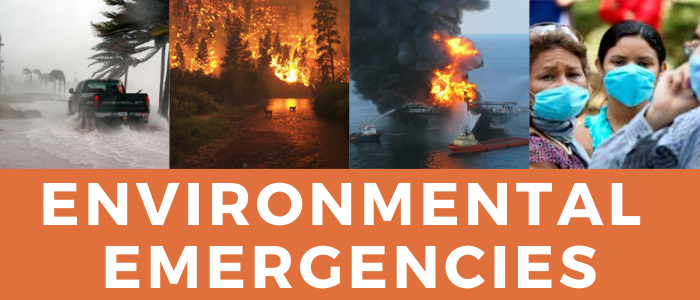
Environmental emergencies
Define heat stroke
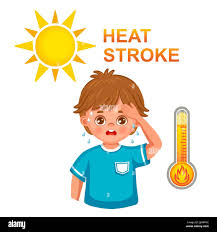
- Heat stroke is a serious and potentially life-threatening condition. In which the body temperature is found to be more than 41°C or 104°F.
- Which is mainly seen due to prolonged exposure to high temperatures or physical exertion during hot weather.
Write causes of heat stroke
- Prolonged exposure to high temperatures
- Dehydration
- Wearing heavy tight clothing
- Medication (diuretic, beta blocker, antihistamine)
- Medical conditions
- Drugs and alcohol Uses
- Sudden temperature changes
- Pure ventilation
Write sign and symptoms of heat stroke
- High body temperature (>104°F / 41°C)
- Alter mental status or behavior
- Confusion, agitation, slurred speech, irritability, delirium, seizures, coma
- Sweating
- Nausea and vomiting
- Flushed skin
- Rapid breathing
- Rapid heart rate
- Headache
Write first aid for heat stroke
- Call Emergency Services: If a person is suspected of having heat stroke, call 911 or your local emergency number.
- Move to Cooler Environment: Place the patient in an open area with plenty of fresh air.
- Cure the Person: Remove excess clothing and cool the patient using whatever is available. Such as placing the patient in a tub with plenty of water or using a fan with plenty of water.
- Monitor body temperature: Continuously monitor body temperature after cooling efforts.
- Rehydrate: Encourage the patient to drink plenty of water. Avoid drinking alcohol and caffeinated beverages.
Write prevention of heat stroke
- Stay hydrated: Drink plenty of fluids to stay hydrated. Avoid alcohol and caffeine.
- Avoid strenuous activity in the heat: Avoid working in areas with high heat. Work in a cooler area.
- Wear appropriate clothing: Wear loose-fitting, lightweight, and light-colored clothing.
- Protect against sunburn: Use sunscreen, sunglasses, and a hat to prevent sunburn.
- Acclimatize to the heat: Acclimatize means adapting. Gradual exposure to high temperatures over a period of days so that the plant can acclimate.
Define frost bite
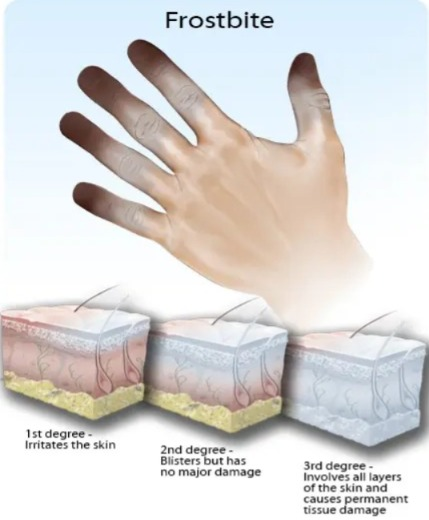
- Frost bite is a type of injury that occurs due to freezing of the skin and underlying tissue.
- A skin injury that occurs due to exposure to extremely cold temperatures is known as frost bite. Which mainly affects small parts of the body such as fingers, toes.
- Frost bite is mainly caused by contact with temperatures of 23° F or less.
Write causes of frost bite (Write causes of frost bite)
- Prolonged exposure to cold weather
- Wet clothing or skin
- Inadequate clothing
- Poor circulation
- Alcohol and drug use
- Fatigue and Dehydration
- High altitude
- Inactivity
- Medical conditions (diabetes, peripheral neuropathy, Raynaud’s phenomenon)
Write sign and symptoms of frost bite
- Cold skin
- Numbness (loss of sensation in affected area)
- Redness or pain
- Hard or waxy skin
- Blister formation in severe cases
- Discoloration of skin
- Skin may appear white, grayish yellow or blue
- Swelling at affected area
- Muscle and joint stiffness
- In severe cases tissue becomes dead (gangrene) leading to potential loss of limb
Write management of frost bite
- Get to a warm place: First, remove the patient from the cool environment and transfer him to a warm place.
- Remove wet clothing: Wet clothes can make frost bite worse, so replace the wet clothes with warm and dry clothes.
- Avoid Rubbing: Avoid rubbing the affected area as it can cause further damage.
- Warm the Area: Gently warm the frostbitten area with warm water. Avoid using direct heat sources. Such as fires, hot water, heating pad
- Protect the area: Gently wrap the affected area with a clean cloth or bandage.
Define near drowning

- This is a type of situation in which submersion or immersion in water Respiratory impairment is seen due to drowning. But if immediate care is provided, the patient can survive.
- This is a medical emergency. Due to which serious medical complications, respiratory distress and conditions like pneumonia can be seen.
Write causes and risk factors of near drowning
Near drowning is seen due to many factors. Which are as follows:
- Lake of Swimming Ability
- Alcohol and Drug Use
- Risky Behavior
- Attempted Suicide
- Lake of Safety Measures
- Environmental Factors (Current Tide, Waves and Weather Condition)
- Panic
- Accident (Boating accident, falling through ice)
Write sign and symptoms of near drowning
The signs and symptoms of near drowning depend on the severity of the incident and the person involved. Depends on how long you are submerged in water.
- Abdominal distension
- Breathing difficulty
- Chest pain
- Cuffing
- Cyanosis
- Cold skin
- Foaming at the mouth (white, frothy foam around the mouth
- Fatigue
- Confusion and disorientation
- Vomiting
- Unconsciousness
Write management of near drowning
✓ Immediate action:
- Ensure safety: Ensure that the area given for rescue is safe. Do not put yourself at risk.
- Call for help: Call for emergency services immediately.
- Rescue the person: Remove the person from the water safely.
- Check for responsiveness: Shake the person gently and check the person’s response.
✓ If the person is unresponsive:
- Open the Airway: Tilt the head back and lift the chin to open the airway.
- Check for Breathing: Assess the patient for breathing. If breathing is absent, provide CPR.
- Perform CPR: If breathing is not present, provide CPR.
- Use of AED: If an automated external defibrillator is present, use it.
✓ If the person is breathing:
- Positioning: Place the person in the recovery position to keep the airway open and prevent aspirating vomit.
- Keep warm: Cover the patient with a cloth or blanket to prevent hypothermia.
- Monitor: Monitor the patient for breathing and responsiveness until emergency services are available.
✓ Hospital Management:
- Oxygen therapy: Provide supplemental oxygen to maintain oxygen levels.
- Ventilation support: Provide mechanical ventilation if severe respiratory distress is present.
- Monitor for complications: Monitor the patient for secondary drowning, infection, and other complications.
- Chest X-ray: To check for water accumulation in the lungs and any other signs of Get a chest X-ray to check for injuries.
- Blood tests: Get blood tests done for electrolyte imbalances, oxygen levels, and other metabolic issues.
- Temperature management: Treat hypothermia if necessary.
Define hanging

- Hanging means the act of suspension by the neck.
- Hanging means the act of suspension by the neck.
- A hanging injury occurs when the neck is constricted by a ligature (such as a rope).
Write physical sign of hanging injury
- Ligature Mark
- Cyanosis
- Petechiae
- Protruding Tongue
- Saliva Dribbling
- Swallowed Face
- Congested eye
- Fracture of neck structure
Write mechanism of hanging injury
- During hanging, the ligature (rope, wire) compresses the soft tissue in the neck, which compresses the veins in the neck. The body is then hung on the rope, which causes more compression on the neck because the entire weight of the body is on the rope and due to this the weight increases, so that the artery in the neck (main coronary) is compressed and the blood supply to the brain is cut off, due to which death occurs.
Write causes of hanging
- Mental Health Issues (Depression, Bipolar Disorder, Anxiety)
- Acute Stress (Financial Problems, Loss of Loved One, Relationship Breakdown)
- Substance Abuse (Alcohol and Drug Addiction)
- Trauma and Abuse (Experience of Physical, Emotional and Sexual Abuse)
- Chronic pain or illness
- Social isolation (loneliness and lack of social support)
- Family history
- History of self-harm
- In case of execution (hanging is given as punishment in some countries)
Write management of hanging
✓ Initial assessment and resuscitation:
- Immediate response: Call for emergency medical services immediately. Carefully support the patient and lower him/her to a flat surface.
- Airway Management:If cervical spine injury is seen, provide thrust maneuvers to open the airway.
- Breathing:Check breathing and provide rescue breathing if necessary. Administer oxygen if oxygen is available.
- Circulation:Then check circulation, including checking pulse. If a pulse is not felt, provide cardiopulmonary resuscitation (CPR).
- Spinal precautions: Assume that there is a spinal injury until it is proven that there is no spinal injury. Therefore, immobilize the cervical spine.
✓ Emergency Department Care:
- Advanced Airway Management:Intubate to secure the airway.
- Breathing Support:Provide mechanical ventilation if respiratory failure is present To do.
- Circulation Support: Administer vasopressors and intravenous fluids to maintain blood pressure.
- Neurological Assessment: Perform a comprehensive neurological examination. Perform a CT scan and MRI of the head and neck to check for any injuries.
- Wound Care: Check for any injuries to the neck. Treat any injuries if present. Clean the wound properly to prevent infection.
- Supportive Care: Provide supportive care such as pain management and nutritional support.