ENGLISH-MSN 2 STD chapter 8
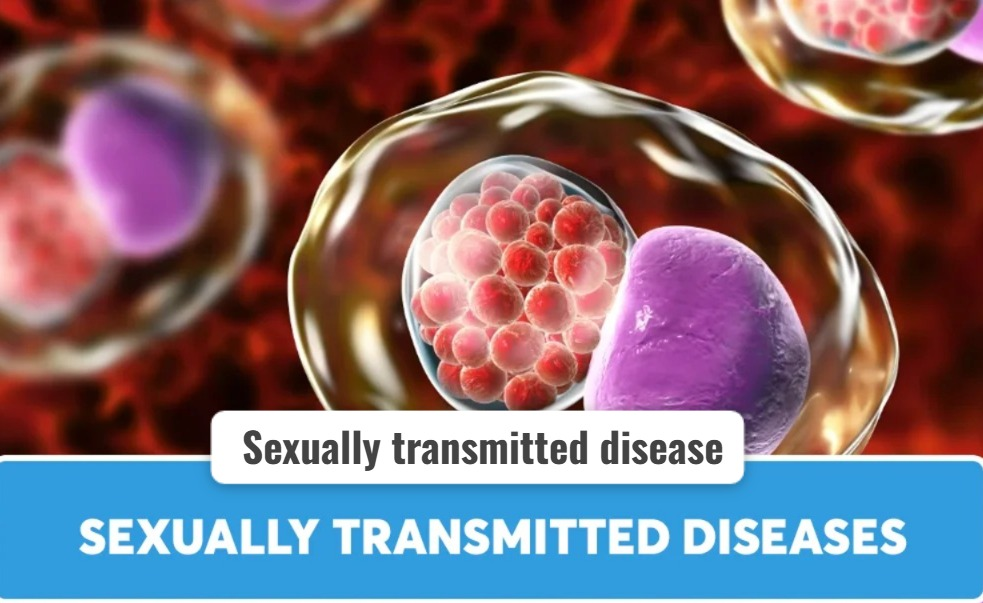
Sexually transmitted disease (Sexually transmitted disease)
Selected key terms/ definition
define gonorrhea ( define gonorrhea)
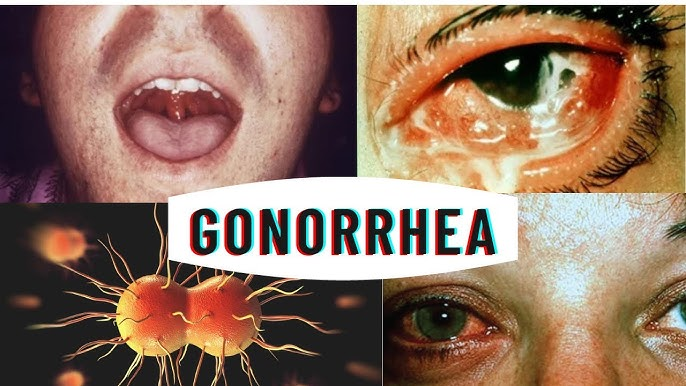
- This is a type of common venereal division.
- Which is transmitted by Neisseria gonorrhea.
- This infection is mainly transmitted through the genito urinary system and is found in both males and females.
- If this disease is not treated If it occurs, it also causes fever and arthritis and if the hands are contaminated by this organism, the infection can also spread to the eyes.
- Gonorrhea is a type of contagious purulent inflammation that mainly spreads in the urethra, vagina, etc. and its causative organism is Neisseria gonorrhoeae.
define syphilis ( define syphilis)

- Syphilis is an acute and chronic bacterial infection and is a sexually transmitted disease that is transmitted mainly through oral or anal sex.
- The causative organism of syphilis is the bacteria Treponema pallidum.
- This disease is transmitted mainly when the skin or membrane breaks down during vaginal or anal intercourse.
- It is mainly a painless sore It is transmitted through. And it can also occur mainly in the genitals such as the rectum.
Define granuloma venerium (Define venerium in granules)
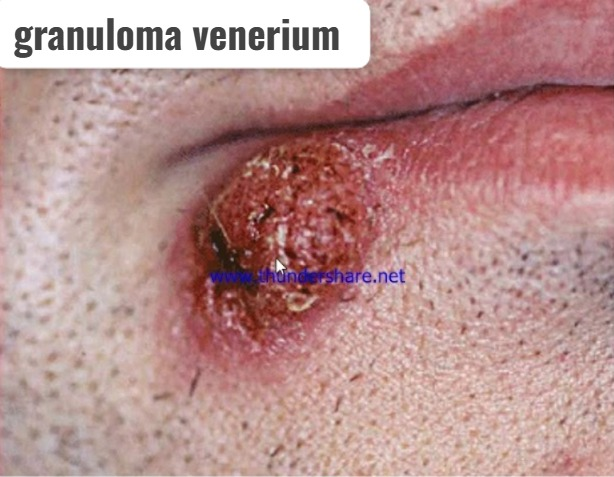
- Chancroid is a systemic sexually transmitted disease. Its causative organism is Klebsiella granulomatis ( formally known as Calymmato becterium granulomatis ).
- It is mainly ulcerative and causes chronic inflammation and scarring of the genital organs.
Define chancroid Granuloma ( Define disease in chancroid granules)
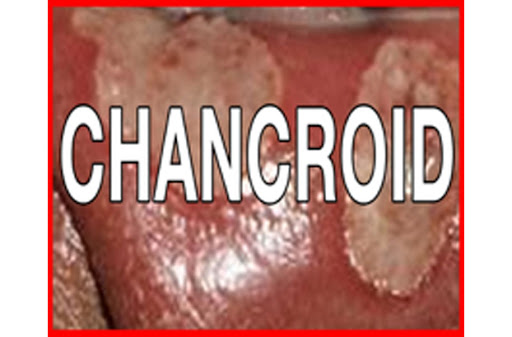
- Chancroid is a sexually transmitted infection. And it causes pain and soreness in the genital area.
- In chancroid, there is swelling in the inguinal lymph node (inguinal lymph node), which is located where the abdomen and leg meet.
- One method to prevent chancroid is to practice safe sexual activity.
define AIDS (acquired immuno deficiency syndrome)
- Acquired immunodeficiency syndrome (AIDS) is a fatal syndrome and is transmitted by the human immunodeficiency virus.
- If once If you get infected with HIV, it lasts for life.
- In AIDS, a person’s immune system is down.
- AIDS is a life-threatening condition that can lead to diseases like neurological disorders and malignancy.
- The immune system of a person who has AIDS is very down and due to this, he cannot fight any infection.
define genital herpes (Define genital herpes)
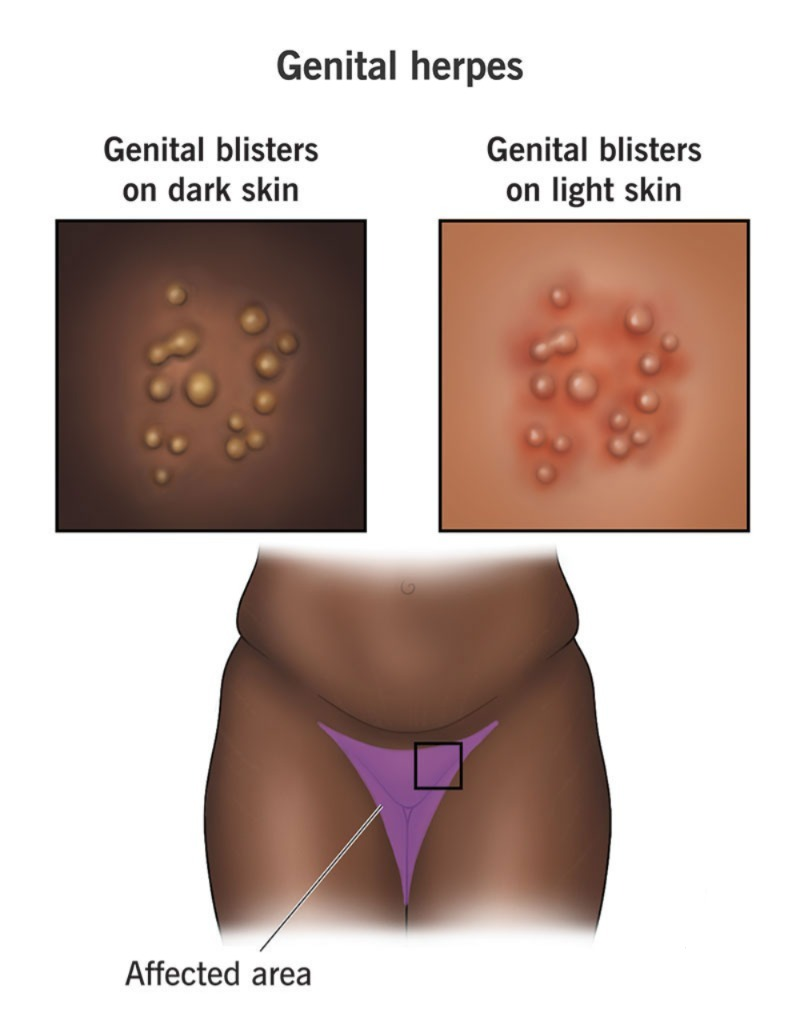
- Genital herpes is a common sexually transmitted infection that occurs in both men and women.
- The causative virus of genital herpes is the herpes simplex virus (HSV).
- This infection is transmitted through the breakdown of mucous membranes and skin when an infected person comes into contact with the genitals. Then it is transmitted.
define chancres ( Define chancres ):
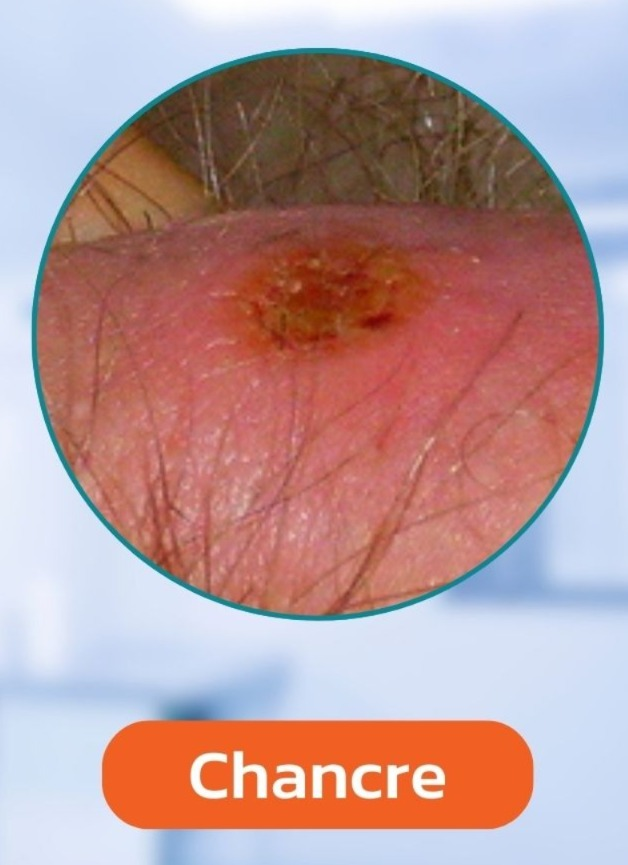
- Chancres are painless sores present on the penis, vulva, lips, mouth, vagina and rectum.
define dyspareunia ( Define Dyspareunia) :

- painful intercourse.
define opportunistic infection (Define Opportunistic Infection) :
- In this, illness is caused by different organisms that do not occur mainly when a person’s immune system is normal, but when the person’s immune system is weakened, opportunistic infections spread.
define reverse transcriptase (Define Reverse Transcriptase):
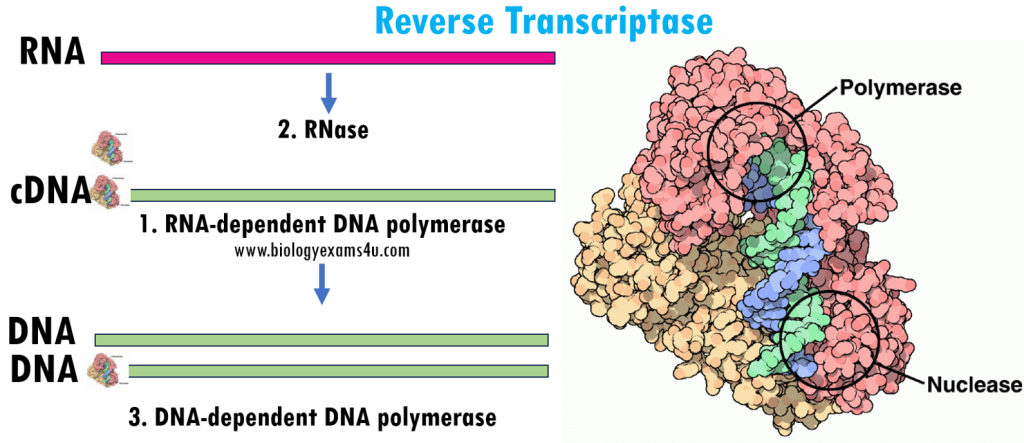
- This is a type of enzyme that transforms RNA into DNA.
define incubation ( Define incubation):
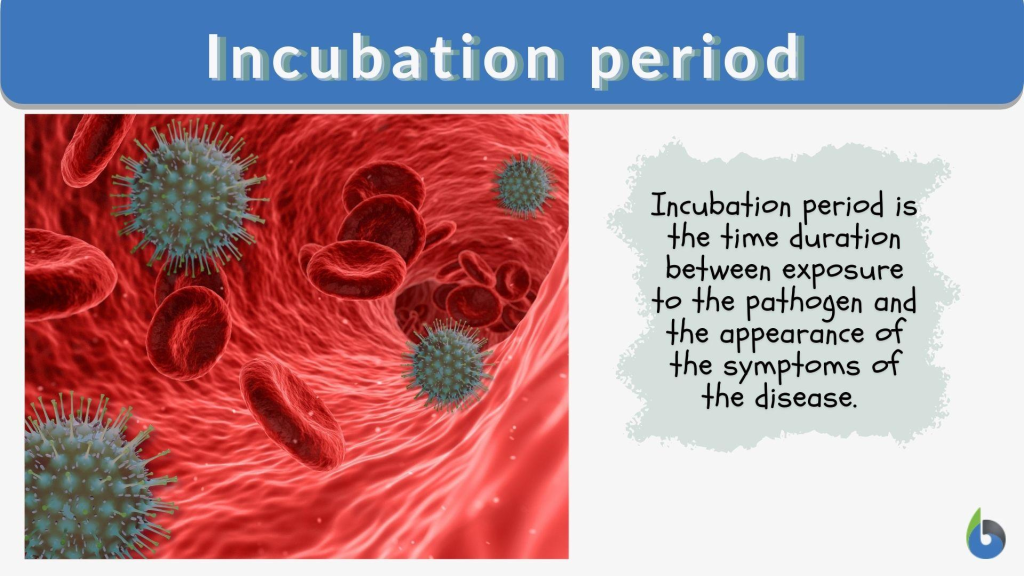
- In this case any infectious agent The time it enters the body and its first signs and symptoms are seen is called incubation.
test include for std:=
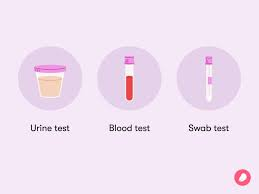
- Taking a blood sample,
- Cervical culture,
- oral, vaginal, penile or rectal swab.
- Urine sample.
how to Assessment Sexually transmitted disease
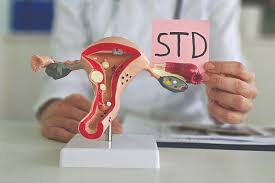
- sexual’s Ask for a brief history.
- Do a complete physical examination of the patient.
- Do all laboratory tests.
- Education.
how to take patient Sexually history:
- Asking for a sexual history can be awkward for both the patient and the healthcare professional, but asking for a thorough and accurate history can help identify the patient’s disease condition.
- Taking a patient’s history helps in early identification of any STI disease condition.
- And due to this, proper treatment can be provided.
- Assess the Sexually history,
- number of sexual partners,
- type of sexual contact,
- use any contraceptive method,
- duration of relationships,
- if patient partner has any sexually transmitted infection,
- risk factor of partner ,
- date of last sexual intercourse,
- previous history of any sexually transmitted infection,
- for women date of last menstrual cycle,
- assess other sexual health concerns the patient would like to discuss.
physical examination (Physical Examination):

- Physical examination is very important due to which the patient’s well-being and health condition can be known.
- It is known as a preventive step in which any such serious disease condition that the patient is going to have can be identified early.
- Thoroughly physical examination of the patient.
- See if the patient has any signs of sexually transmitted infection such as weight loss, fever Check for signs and symptoms such as swelling, lymph node distention, etc.
- Inspect the external genitalia for any lesion, inflammation, genital discharge, or anatomical To see if there is any irregularity.
- perform a perianal inspection.
- do anoscopy if patient has any rectal symptoms.
- assessment in female have any type of discharge from the genitalia.
- assessment in female have any type of abnormal skin growth at genitalia.
- cervix and vaginal wall Perform a speculum examination to ensure complete visualization.
- Manual speculum examination to check for any masses or tenderness in the uterine cavity.
- Vaginal speculums are used to inspect the internal organs of the female reproductive system, such as the vagina and cervix, for any inflamed mucosa, discharge, ulceration, masses, nodules, and To see if bulging is present and additionally to see if there is any swelling, discharge.
- Palpation of abdomen to assess the size, shape, position of uterine body and fundus.
which type of diagnosis done for Sexually transmitted infection? (What are the diagnoses that can be done to detect sexually transmitted diseases?)
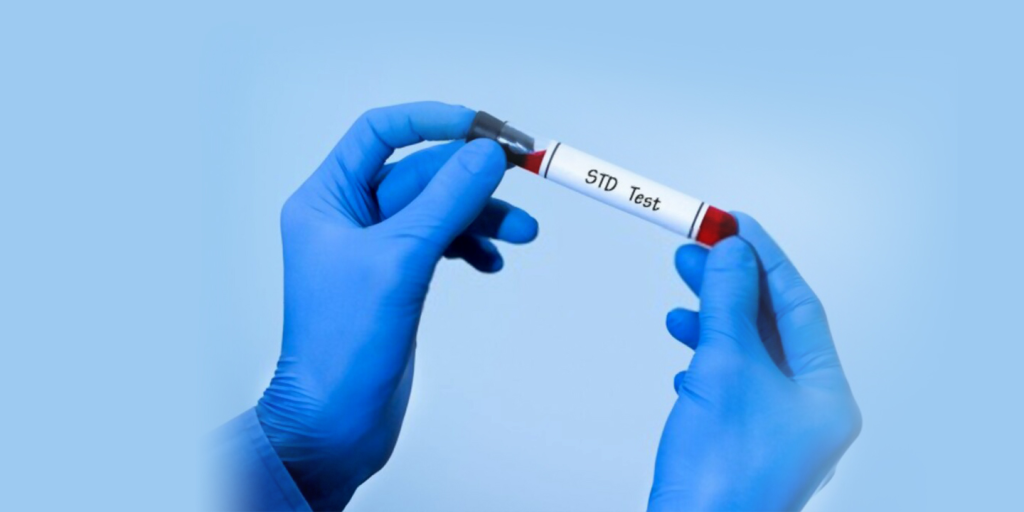
1)BLOOD AND URINE TEST:=
- Many sexually transmitted diseases can be tested through a blood sample and urine sample, including Chlamydia, Gonorrhea, Hepatitis, Herpes, HIV, Syphilis, etc. can be detected through urine and blood samples.
- But in some cases, some sexually transmitted diseases cannot be detected through blood and urine tests, which takes a long time, so blood and urine samples help to detect sexually transmitted infections.
2)ELISA( ENZYME LINKED IMMUNOSORBANTASSAY) ( Tell about this diagnostic test) :=
- This is a biochemical test that is mainly used to detect whether any antibody or antigen is present in a sample or not.
3)RPR : RAPID PLASMA REGAIN ( Tell about this diagnostic test):=
- This test is done to detect syphilis. In this, it is done to see whether the antibodies of syphilis are present in the blood sample of any person who has the disease condition.
4)swabs for Sexually transmitted infection( About this diagnostic test Explain):=
- Vaginal swab, cervical swab, urethral swab are taken to detect sexually transmitted infections.
- Vaginal swab is taken during pelvic examination.
- Using cotton typed applicators to take urethral swab is taken.
- And an anal swab is also taken and this is mainly taken to check whether there is any infectious microorganism or not.
5)VDRL( venerial disease research laboratory) ( Tell us about this diagnostic test) :=
- V. D . R . L. The test is done to screen for syphilis.
- This involves the bacteria called Treponema palladium, which is responsible for causing syphilis.
- The VDRL test is done to detect whether the antibodies to fight against it are present in the person’s body or not.
6) Pap smear test ( Pap smear test About this diagnostic test Tell):=
- Pap smear test is not done to detect sexually transmitted diseases but to detect any early cervical cancer.
- If the Pap smear test is negative, it is not a sign of any sexually transmitted disease.
- But when the test is positive, the person has human papillomavirus (HPV) infection.
- And it mainly detects if there is a high risk of cervical cancer.
Explained about sexual health and hygiene. (Describe sexual health and hygiene.)

- Sexually transmitted diseases are mainly transmitted from one person to another through sexual contact, so maintaining sexual health and hygiene is very important.
- Maintaining sexual hygiene is very important to maintain body health.
- Genital hygiene prevents the development and transmission of infections.
- A woman should clean her external genital area before engaging in any sexual activity. Before starting the activity.
- One of the purposes of cleaning the external genital area is to prevent any infection from developing or being transmitted.
- It is very important to clean the external genital area both before and after any sexual activity. To prevent the transmission of any type of STI (Sexually transmitted infection).
- Do not flush the vaginal area too much, which can cause irritation of the vagina. The pH balance is affected, which increases the chances of infection.
- It is necessary to keep the private parts dry in a proper manner.
- Men also need to keep their genital area properly clean, which can prevent sexually transmitted infections. It can be prevented from developing an transmitted.
- Both men and women should remove the hair on the pubic area by shaving it properly, which can prevent infection.
- Shaving pubic hair not only gives a clean appearance but also eliminates itching and bad odor.
- Underwear should be changed daily.
- Underclothes should be of the proper type and made of cotton. The material should not be made of .
- Nylon and terylene underwear do not absorb perspiration properly and can also cause fungal infections of the skin.
- Genitalia should be cleaned anterior to posterior in a way that prevents transmission of infection.
- Underwear should not be too tight.
- If it is too tight, it spreads the infection and promotes the growth of bacteria.
- When the urge to urinate occurs, one should urinate immediately to prevent the spread of bacteria.
- Before and after urination, the genital area should be washed with proper water to prevent the transmission of infection.
- If the partner has any kind of mouth sores, If so, oral sex should be avoided to prevent transmission of the infection.
- A barrier method of contraception should be used during sexual activity to prevent infection.
- Sexual activity should be avoided during periods.
- Extramarital relationships should be avoided.
- Every woman should have a pap smear test after the age of 30 for early detection of malignancy. Should be done.
- If there is excessive discharge from the genital area, then a gynecologist should be consulted.
- If a man has any urinary infection or penile infection, he should get treatment and sexual activity should be avoided until the infection is treated.
- After delivery or any operation, the hygienic condition of the genital tract should be maintained in a proper manner.
define gonorrhea ( define gonorrhea)
- Gonorrhea is a type of It is a contagious purulent inflammation that mainly spreads in the urethra, vagina, etc. and its causative organism is Neisseria gonorrhoeae.
- This is a type of common venereal disease.
- It is transmitted by Neisseria gonorrhea.
- This infection is mainly transmitted through the genito urinary system and is found in both males and females.
- If this disease is not treated If it occurs, it also causes fever and arthritis, and if the hands are contaminated by this organism, the infection can also spread to the eyes.
- Gonorrhea infection is mainly seen in the age group of 15 to 24 years.
- Gonorrhea is also known as ” the clap”.
Etiology of Gonorrhea ( Causes of Gonorrhea):
- neisseria gonorrhoea bacteria,
- transmit through vaginal, oral, and anal sex,
- If there is any previous history of gonorrhea.
- If there is any other sexually transmitted infection.
- Proper hygienic conditions of the genital area are not maintained So.
- If gonorrhea has already been diagnosed.
- If sexual activity has started early.
- If there are multiple sex partners.
- If a pregnant mother has gonorrhea, she can transmit the infection to her baby.
clinical manifestation (Specify symptoms and signs):=
in 👨🦼 men:=
- Burning sensation during urination.
- Purulent discharge from the penis.
- Increased frequency of urination There is.
- Pain, redness and soreness occur.
- Urathral scarring.
- Enlarge scrotum.
- Pain and itching sensation during urination.
- Prostate gland and testicles inflammation.
- Tip of penis Yellow and green thick discharge comes out from above.
in female 🤵♀️:=
- Purulent discharge .
- abdomen Discomfort and pain occur above.
- Burning sensation.
- Urgency and frequency in urination.
- Difficulty in urinating and walking.
- Salpingitis (infection and inflammation of the fallopian tubes).
- Fever,
- vomiting,
- low back pain,
- pain during intercourse,
- vaginal Discharge from the area that is thin or thick yellow and green.
- Discharge from the anal area and irritation.
- Bleeding from the area.
- Tenderness in the abdomen and pelvic area.
Diagnostic Evolution (Diagnostic Evaluation):
- History taking and physical examination
- swab test,
- Culture from cervix, urethra, rectum or throat.
- urine examination.
- nucleic acid test done.
- gram staining .
Management :
- antibiotic,
- azithromycin (zithromax, zmax),
- doxycycline(monodox, oracea)
- oral Gemifloxacin,
- Injectable gentamicin combined with oral azithromycin.
- ceftriaxone.
Nursing Management:
- Take a proper history of the patient.
- Provide the patient with proper antibiotic medicine.
- Do a serum examination for syphilis.
- patient Provide proper education about personal hygiene.
- Provide proper education about the disease condition to the patient.
- Tell the patient to avoid multiple sex partners.
- Provide education about the use of barrier methods of contraception.
- Provide psychological support.
- Provide antibiotic medicine to prevent infection.
- Advise the patient to practice abstinence.
- Tell the patient to maintain good personal hygiene.
Prevention:
- use barriers method of contraceptive,
- get tested,
- be monogamous,
- don’t use alcohol and drugs,
- Limited number of Sex partners.
define syphilis ( define syphilis)
- It is transmitted mainly through painless shores. And it can also occur mainly in the genitals such as the rectum.
- Syphilis is an acute and chronic bacterial infection and this disease is sexually transmitted that is transmitted mainly through oral or anal sex.
- The causative organism of syphilis is the Treponema pallidum bacteria.
- This disease is transmitted mainly when the skin or membrane breaks down during vaginal or anal intercourse.
Etiology (causes):=
- ‘traponoma palladium ,
- Any infect Due to contact with an infected person,
- Unprotected sexual activity,
- Contact with infected blood or blood-borne fluids.
- Engaging in sexual activity with multiple partners.
- Contact with an infected partner.
sign and symptoms ( symptoms and signs ):=
In this clinical manifestation According to stage of syphilis :=
- 1)primary stage, ( Primary Stage)
- 2)secondary stage, ( Secondary stage)
- 3)latent stage, ( Latent stage)
- 4)late stage. (Late stage)
1) Primary syphilis (Primary syphilis):=
- Primary syphilis occurs two to eight weeks after exposure to the bacteria.
- It begins as a small round sore called a chancre It is said to start from a painless but highly infectious sore.
- hard sore or pimple on the vagina or penis,
- drainage,
- sore can be single or multiple,
- sore can also be present on the lips, tongue, hands, rectum and nipples.
- it heals and leaves almost invisible scar.
- Exudate from lesions and sore highly contagious.
2)secondary stage ( Secondary stage):=
- The secondary stage starts two to four weeks after the appearance of the sore and lasts for two to four years.
- Low grade fever,
- Headache,
- Loss of appetite,
- Weight loss,
- Anemia,
- sore throat,
- hoarseness,
- Redness and sore eyes,
- jaundice with or without hepatitis,
- Pain in joints, muscles, and long bones,
- sore on body,
- hair loss.
3)latent stage (Latent Stage):=
- This is the third stage of syphilis.
- This stage usually lasts from five to 20 years.
- It is usually asymptomatic but can affect multiple organs.
- In this, tumors occur in the skin, bones, and liver.
4)late stage (Late stage):=
- This is the last stage of syphilis.
- And about 15 to 30 percent of people who do not take treatment for syphilis enter this stage.
- And the duration of this is very long and this last stage is a life threatening condition.
- In this A tumor-like mass is created.
- Damages the heart valves and blood vessels.
- Meningitis (infection and inflammation of the lining of the brain),
- Paralysis.
- Lack of coordination.
- Reduced sleep.
- confusion.
- delusions.
- Impaired judgment.
- slurred speech.
- Visual impairment.
- Deafness.
- Mental illness.
- Memory decreases.
- Destruction of soft tissue and bones.
- neurological disorder,
- heart disease.
Diagnostic Evolution (Diagnostic) Evaluation):
- history tacking and physical examination
- blood test:=
- Blood test is done to see if any antibodies to syphilis are present in the body.
- fluid from sore.
- cerebrospinal fluid analysis.
- cerebrospinal fluid analysis.
- vdrl test.
- fta-abs (fluorescent treponomal antibody absorption) which test is specific to treponoma Palladium test.
Management :
- antibiotics Penicillin.
- teyrcycline and erythromycin antibiotics.
- health education to the patient.
Nursing Management:
- Treatment should be started as soon as the disease is detected.
- To control the disease, the patient should be given three, six, and An examination should be done at 12 months.
- One should avoid coming into contact with a person who has syphilis infection.
- A detailed examination should be done on the person who is suspected.
- The patient’s Provide education or use of barrier method of contraception.
- Treat the patient symptomatically.
- Provide education or seek proper treatment.
- Continue abstinence until recovery from syphilis or any other sexually transmitted disease.
- Provide education or use of barrier method of contraception. As.
- provide privacy and confidentiality of patient.
- ask the patient to take regular follow up.
- Provide education about sexual hygiene to the patient.
Define granuloma venerium (Define venerium in granules)
- Granuloma venerium is a systemic sexually transmitted disease. Granuloma venerium is an ulcerative disease that causes chronic inflammation and scarring of the genital organs.
- Granuloma venerium is a systemic sexually transmitted disease. Its causative organism is Klebsiella granulomatis ( formally known as Calymmato bacterium granulomatis ).
- Granuloma venerium is also called donovanosis (Donovanosis).
- This includes genital and rectal side It affects the lymph nodes.
- Then there is swelling in it.
- Rhesus causes ulceration, irritation and erysipelas.
- Incubation period 7 to 21 days.
Etiology (causes):
- Sexually active people,
- mostly occurs at tropical and sub tropical regions: like paupa, New guinea, central Australia, southern India, the Caribbean,
- through vaginal and anal intercourse,
- spread through oral sex,
- More common in men.
- the disease usually spreads through vaginal or anal intercourse.
- through any contaminated food or water.
- by coming into contact with an infected individual.
- through infected body fluids After coming into contact.
signs and symptoms:
- lymph node enlargement.
- ulceration occurs.
- rectal stricture and fistula.
- incontinence of urine.
- painless, red nodule that slowly enlarges into round, raised lump.
- Soreness occurs in the anal area.
- A small red bulla-like formation forms around the anus.
- Tissue damage happens.
- Etching.
- purulent pus.
- discharge.
- nausea.
- vomiting.
- low grade fever.
- blister formation.
- pain
Stages of granuloma venerium:=
Stage:=1
- This is the first stage in which a small pimple occurs.
- And it gradually spreads to the surrounding tissues.
- And it is mainly pink or red in color.
- It occurs in the area around the anus and is mainly painless and if it is injured, bleeding occurs. It can also be done.
Stage:= 2
- This is the second stage in which there is also involvement of the skin and the ulcer goes deep and that ulcer goes deep into the anus and tissues. And also spreads to the inguinal area.
Stage:=3
- When the vinidium in the granules advances to the third stage, the ulcer becomes deep and involves the tissues and forms a scar.
Diagnostic Evolution (Diagnostic Evaluation):
- History taking and physical examination.
- vdrl test.
- specific immunofluorescent test.
- giesma stain bacteria.
- Culture of the causative organism.
- kiebsilla granulomatis.
- laboratory investigation such as those used to detect syphilis,.
Management :
- antibiotics
- Azithromycin,
- Doxycycline,
- Ciprofloxacin,
- Erythromycin,
- Trimethoprim-sulfamethoxazole.
- antiemetics.
- liquid diet.
- Fluid therapy.
Nursing Management:
- Providing patient education or maintaining proper hygienic conditions of their private parts.
- Providing patient education or rewarding them on protected sex.
- Providing patient education or using barrier methods as contraceptives.
- Do not engage in sexual activity with more than one partner.
- Avoid contact with anyone who has another infection.
- Provide patient education or proper annual physical examination.
Define chancroid Granuloma ( Define disease in chancroid granules)
- Chancroid is a sexually transmitted infection. And it causes a painful sore in the genital area.
- In chancroid, there is swelling in the inguinal lymph node (inguinal lymph node) which is located where the abdomen and leg meet.
- Chancroid is sexually transmitted.
- It causes a rash in the genital organ and is painful.
Etiology :=
- Gram negative strepttobacillus haemophillus ducreyi.
- Sexually active person.
- It is more common in people who do not maintain personal hygiene.
- Chancroid is more common in men than in women.
- Through sexual contact.
- Through broken skin.
- Through unprotected sexual activity.
- From skin-to-skin contact with a person who has a canker sore.
- From skin-to-skin contact with a person who has a canker sore. By coming into sexual contact with a person who is infected.
- anal sex, oral sex, vaginal sex.
- through the physical contacts.
sign and symptoms (signs and symptoms)
- This infection is only in the local area It spreads in the system.
- a small bump that converts into a painful ulcer.
- Its size ranges from 3 to 50 mm.
- There are rashes on the affected area.
- Pain occurs.
- dysuria.(pain during urination).
- dyspareunia ( pain during intercourse).
- ulcer formation.
- Enlargement of the lymph nodes.
- Swelling occurs in the lymph nodes, which are located at the junction of the abdomen and the leg, such as the inguinal lymph node.
- A painful lump forms.
- Ulcer formation.
- Ulcer formation.
- Red and very shiny skin appears over the sores.
- Leakage of pus and infectious fluid.
- The sores may spread to other areas.
Diagnostic Evolution (Diagnostic Evaluation):
- History taking and physical examination.
- Microscopic examination.
- culture.
- a specimen examination.
- Biopsy.
- Gram staining.
- smear examination.
- blood samples examination.
- urine examination.
Management :
- antibiotics Ceftriaxone,
- Azithromycin,
- Ciprofloxacin,
- Ceftriaxone,
- surgery
- Incisions and drainage of abscess.
Nursing Management:
Educate the patient on proper washing of the genital organs.
Educate the patient to have a teaching relationship only with an uninfected person.
Use a contraceptive during sexual activity.
Use a barrier method as a contraceptive.
Get the patient’s laboratory investigations done regularly.
define AIDS (acquired immuno deficiency syndrome)
- Acquired immunodeficiency syndrome (AIDS) is a fatal syndrome and is transmitted by the human immunodeficiency virus. The immune system of a person who has AIDS is severely weakened and due to this, he cannot fight any infection. Once a person is infected with HIV, it remains for life.
- In AIDS disease, the person’s immune system is down. HIV weakens the person’s immune system, so any infection can easily get into the person’s body.
- Therefore, AIDS is not a single symptom but a group of many symptoms, hence it is called a syndrome.
- Its incubation period ranges from 1 month to 10 years.
Etiology Cause:=
- human immunodeficiency virus,
- Hiv 1,
- Hiv 2,
- sexual workers,
- health care worker,
- Due to contact with blood, semen, cerebrospinal fluid, tears, breast milk, cervical or vaginal fluid of any HIV infected person.
- sex with injected partner.
- injected injected nidal and syringe.
- transmit through injected mother to their child.
- exposure to contaminated blood.
- Blood Transfusion.
- Organ transfusion.
- A person who has already come into contact with someone who has syphilis or any other sexually transmitted disease.
Signs and symptoms:
- Weight loss ,
- Diarrhea,
- Continuous cough for a month,
- Fever,
- Pharyngitis,
- Lymph node swelling,
- Weakening of the muscular system,
- Liver enlargement.
- Headache.
- Sore throat.
- Spleen enlargement.
- Mouth sore.
- Nausea and vomiting.
- Skin rashes
- Fatigue.
- Oral ulcers.
- Loss of appetite.
- Weight loss.
- Night sweats.
- Swollen lymph nodes.
- diarrhea that lasts for more than a week.
- sore of the mouth, anus, or genitals.
- Skin rashes.
- Memory loss.
- Many other neurological symptoms are seen.
Mode of transmission
Spread:=
1) Sexual transmission:=
- This involves the transmission of HIV and AIDS through sexual contact.
2)transmission through blood :=
- In this, AIDS is also transmitted through blood transmission or due to direct contact with any infected blood.
3)perinatal transmission: =
- Can be transmitted from mother to child.
Diagnostic Evolution (Diagnostic Evaluation):
- History taking and physical examination.
- recombinat DNA technique.
- PCR (polymerase chain reaction).
- ELISA (Enzymes linked immunosorbate assay).
- Viral isolation in culture.
- Lymph node Biopsy.
- rapid HIV antibody test.
- Western blot antibody testing.
- HIV viral load test.
- Complete blood count.
- CD4CELL Count.
Management :
1) nucleoside reverse transcriptase inhibitor( NRTI).
EX:= LAMIVUDINE
ZIDOVUDINE.
2)Non nucleoside reverse transcriptase inhibitor (NNRTI):=
EX:= EFAVIREN
( SUSTIVA).
ETRAVIRINE
(INTELLENCE).
3)protease inhibitor:=
Ex:= ataxanavir.
Duranavir.
4)entry or fusion inhibitor:=
EX:=enfuvirtide
( fuzeon),
Maraviroc
(selzentry).
5)Integrase inhibitor:=
EX:=raltegravir
( isentress).
Nursing Management:
1)ineffective airways clearance:=
- Position the patient properly.
- Teach the patient deep breathing exercises.
- Provide the patient with proper oxygen.
- Properly suction the patient.
- Maintain the patient’s hydration status.
2)imbalance nutrition:=
- Assess the nutritional status of the patient.
- Provide the patient with a diet that is high in protein and high in calories.
- Provide the patient with fresh fruit, vegetables, whole grains And provide protein.
- Provide food that is easily digested to the patient.
- Provide daily oral care to the patient.
- Provide food that the patient likes.
3)ineffective coping:=
- Assess the patient’s social support.
- Spend time with the patient.
- Interact with the patient, client, and family members.
4)Impaired skin integrity:=
- Assess the patient’s skin integrity.
- Use air mattresses, water mattresses for the patient.
- Provide back care to the patient.
- Massage the skin around the affected side.
5)risk for infection:=
- Educate the patient about the importance of personal hygiene.
- Keep the patient away from anyone who has the infection.
- The patient should use a barrier method Use as contraceptives
- Tell the patient not to smoke.
- Instruct the health care worker to maintain strict aseptic technique.
Prevention:
- Avoid unprotected sex and use barrier methods Use contraceptives.
- Do not reuse used razors and toothbrushes.
- Do not share used needles and syringes with another person.
- Avoid pregnancy in a mother who has any sexually transmitted disease. Because the infection can also be transmitted to her child.
- Provide advertisements in mass media and television to create awareness about sexual health.
- A person who has any type of HIV infection should not donate any type of blood or organ.
- all blood should be screened for Hiv 1 and Hiv 2 before transfusion.
- Use strict sterilization practices in hospitals and clinics.
- Use clean needles and syringes.
- Avoid contact with the blood and body fluids of an infected person.
effective use of sterilization and disinfection .
- A:=Avoidable
- I:=incurable
- D:=disease
- S:=syndrome.
To explain AIDS to the patient.
Provide antiviral treatment to the patient.
Provide psychological support to the patient.
define genital herpes ( Define genital herpes)
- Genital herpes is a common sexually transmitted infection that occurs in both men and women.
- The causative virus of genital herpes is herpes simplex virus (herpis simplex virous :=HSV), which causes genital herpes to appear on broken skin or mucous membranes. It occurs due to contact with an infected person.
Etiology (cause) :=
- Herpes simplex virus.
- Any previous sexually transmitted infection If there is a history of.
- If you have had sexual intercourse at an early age.
- Due to direct skin to skin contact.
- Oral genital contact.
- mother to baby transition.
- spread through objects like Bath towels ( fomites).
sign and symptoms
- Painful red colored papules develop on the genital area.
- Painful blisters develop from these red papules, which then break down and convert into painful ulcers.
- In a man, the shaft of the penis Above.
- In females, it is found in the labia, vagina and cervix.
- Inflammation occurs.
- pain,
- fever,
- headache,
- malaise,
- Muscle pain,
- Regional lymphadenopathy,
- Pain during urination (dysuria),
- Urinary retention,
- Vaginal discharge in females.
Diagnostic Evolution (Diagnostic Evaluation):
- History taking and physical examination.
- blood test.
- polymerase chain reaction.
- viral culture.
Management :
- antiviral medicine like
- Valacyclovir,
- Famciclovir,
- Acyclovir,
- Foscarnet.
Nursing Management:
- Take a bath with a handful of salt in warm water.
- Drink plenty of water.
- Apply Vaseline or topical lidocaine to prevent pain.
- Provide painkillers to the patient.
- Urination should be done while bathing to prevent urinary retention.
- Tell the patient to maintain the cleanliness and dryness of the blister.
- Clean the lesion two to three times a day using warm water, soap, and hydrogen peroxide.
- Educate the patient about proper washing of the genital area after urination Should.
- Ask the patient to wear loose underwear.
- Underwear should not be too tight.
- Ask the patient to drink plenty of water.
- Ask the patient to take a sitz bath for 15 to 30 minutes.
- Provide education to the patient or use a barrier method as a contraceptive.
- Provide education to the patient to maintain abstinence (avoid sexual activity) until the lesion heals.