ENGLISH-MSN 2 COMMUNICABLE DISEASE chapter 7
COMMUNICABLE DISEASE
INTRODUCTION
Measles:
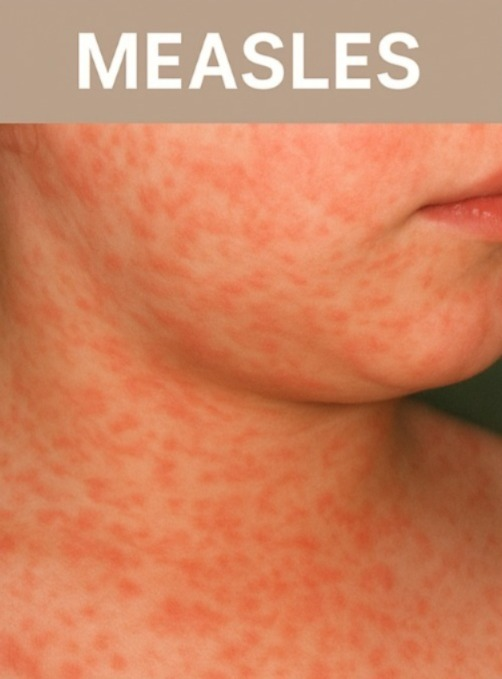
- Measles is a severe, highly infectious viral disease caused by the Measles virus (Paramyxo virus) and is spread mainly by droplet infection. This disease is characterized by fever, chills, ice redness, Koplik spots and then a maculopapular rash.
Causes and Risks Causes and Risk Factors:
- Measles is caused by a contagious virus that lives in the mucus of the throat and nose of infected children and adults.
- The child is contagious for four days before the onset of the rash and for four days after.
Incubation period :
- The period from the time the antigen enters the body until the first symptom is seen is called the incubation period.
- The incubation period of measles is one to two weeks.
- The infection spreads through droplets from the throat, nose, and mouth of an infected person. Droplets are mixed into the air through sneezing and coughing.
High risk people for measles included
- Children under one year of age
- People who have not received the vaccination series properly.
- People who have received immune globulin only after they have received the measles vaccination.
- People who have received the effective killed measles vaccine between 1963-1967.
- Unvaccinated people who travel to developing countries where measles cases are high.
- People who do not have enough vitamin A and are exposed to measles are at higher risk of developing the disease.
Clinical manifestations:
- When a person comes into contact with the rubella virus, symptoms appear 10 to 14 days later, which is called the incubation period.
- During the incubation period, the virus multiplies.
- Symptoms appear in two phases.
(1) Early Face
- The following symptoms are seen in the early face.
- Fever at 39 degrees Celsius.
- Run down feeling
- Cough
- Sore throat _Swelling of the lymph nodes in the throat.
- Redness and irritation of the eyes.
- Light sensitivity
- Sneezing and runny nose
- Loss of appetite
- Muscle pain
(2) The red mycelium develops 2 to 4 days later
- The rash starts on the face and spreads to the trunk, arms, and legs.
- The rash initially looks like small red bumps.
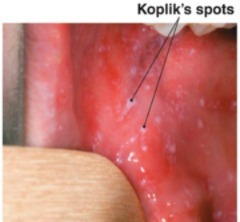
- Grey spores are found in the mucous membrane around the molar teeth in the mouth, which are the size of sand. These sports are called Koplik spots which are seen just before the race starts.
- A typical, dusky red, maculopapular rash appears behind the ear, which spreads to the face, neck, trunk, and extremities within a few hours and lasts for two to three days.
- These rashes are not itchy, but skin peeling is seen.
- Red measles is a mild disease, some complications are seen. Red measles makes the patient susceptible to pneumonia, a bacterial infection.
- Pneumonia is a complication of measles that is mostly seen in children, due to which death is seen in this age group.
- In satellite, it is seen in one in a thousand cases, which is a serious complication.
- Red measles is seen more severely in patients whose immune system is weak. It is more common in malnourished and HIV-infected patients.
Diagnostic Evolution (Diagnostic Evaluation):
- History Collection
- Clinical Appearance
- Doctors diagnose measles based on the characteristics of the rash, such as Koplik’s sports seen in the mouth.
- A blood test can confirm measles.
Management:
- There is no specific treatment for measles, but there are some treatments for those who have come into contact with the virus.
- Treatment of measles focuses on its symptoms. The patient is given symptomatic treatment.
- Give the patient plenty of rest.
- Give sponge baths to reduce the discomfort caused by fever.
- Give plenty of fluids, fruit juices, herbal teas, etc. to drink to prevent dehydration.
- Give over-the-counter medications such as ibuprofen, acetaminophen, to help relieve fever. Do.
- If there is a bacterial infection such as pneumonia, ear infection, then doctors prescribe antibiotics.
- People who have low levels of vitamin A are at risk of getting measles, so they should be provided with vitamin A in a dose of 200,000 international units four to five times a day.
- If a non-immunized infant has come into contact with measles, he should be given the measles vaccine within 72 hours, which provides protection against the disease.
- People with weak immune systems, such as pregnant women, infants, etc., who have come into contact with the virus are given an injection of a protein called immune serum globulins. This injection is given within six days of coming into contact. This antibody prevents measles and makes its symptoms less severe.
Prevention:
- Immunization is the most effective way to prevent measles, so routine immunization is highly effective in preventing measles.
- People who are immunized Children who have not been vaccinated or have not received full immunization are at high risk of developing this disease.
- The child should be vaccinated with MMR. Should receive the vaccine
- People who have been exposed to the virus should receive serum immunoglobulin, which reduces the chance of developing measles.
Chickenpox:
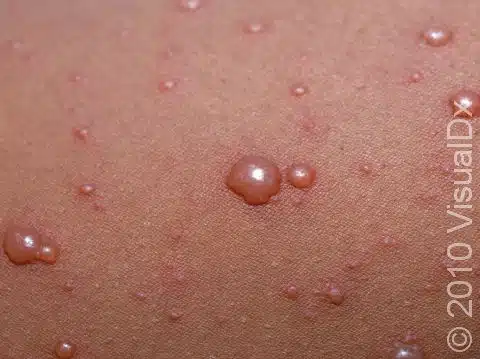
- Chickenpox is a common skin disease seen in children caused by a viral infection. Varicella zoster virus is the viral agent that causes chickenpox.
- Chickenpox is characterized by vascular rash, fever, and malaise. Varicella is a silent infection, and humans act as a reservoir.
- The infection causes fever, itching, and red spots on the chest, stomach, and entire body. The red spot then converts into small blisters which then dry up and form scabs.
Source of Infection:
- The virus is present in the oropharyngeal secretions, skin lesions and mucosa. It spreads from one person to another through droplets. Chicken pox is highly contagious. Airborne particles, droplets, are released into the air, and through the fluid from the blisters, it is easily passed between family members, school classmates, etc.
- The infection is transmitted through articles, clothing etc. of an infected person that have come into contact with an open sore It is transmitted indirectly
- The patient is highly contagious five days before and five days after the rash appears, when the person is no longer contagious when the rash is crusted around the sore. The incubation period is 14 to 16 days, but can also be as long as 7 to 21 days.
Clinical manifestations:
- Clinical manifestations in chicken pox vary depending on the severity of the disease. Symptoms generally appear 14 to 16 days after exposure to the virus, but can last from 10 to 21 days.
- Chicken pox is characterized by a mild fever lasting one to two days, usually above 102 degrees Fahrenheit.
- General malaise
- Rash, which is the first sign of the disease.
The clinical manifestations of chicken pox can be divided into two stages. Divided.
(1)Pre-eruptive stage
- The person experiences a sudden mild to moderate fever, chills, shivering, and malaise. This stage lasts for 24 hours in adults but for two to three days in more severe cases. Fever lasts for 4 to 6 days as the rash progresses. But it decreases with the eruptive stage
(2)Eruptive stage
- This is the first sign in children and occurs with the onset of fever. The rash has a symmetrical distribution. Rashes are found on the trunk but are less common on the face, arms, and legs.
- Rashes are also found on buccal and pharyngeal mucosal surfaces. But the palms and soles are not affected, while the axillae are also affected.
- The skin is irritated due to the rash, which is typically very itchy.
- Along with the red spots, the rash also develops and it progressively converts into blisters, forming open sores before crusting over.
- There are different stages of rash, which are macules, papules, vesicles, and scabs. Vesicular callus is filled with clear fluid and looks like a drop in the skin, it is superficially visible in the surrounding area of inflammation.
- Scabies is seen four to seven days after the rash occurs. All of them are stimulated at the same time and in the same area, which is called pleomorphism.
- In satellite and cerebellar symptoms are seen due to chickenpox. Chicken pox can cause some life-threatening complications such as pneumonia, which is especially common in adults, immune system compromise, etc.
- Chicken pox also affects pregnant women, which can lead to premature death. If infection occurs, there is a possibility of malformation of the baby.
Diagnostic Evolution (Diagnostic Evaluation):
- History Collection
- Physical Examination
- Characteristics of chickenpox such as skin rashes with itching, low grade fever which help in diagnosis.
- It is initially confused between smallpox and chickenpox. But the small box is now ERA-decoded.
- Scraping of skin lesions under a microscope.
- Viral culture.
- Blood test.
Management:
- Chicken pox has many treatment options to reduce its symptoms, such as severe itching. Acetaminophen is used to reduce fever and aches, but this drug is also used in the early stages of viral infections.
- D-phenhydramine And other antihistamine drugs are helpful in controlling itching.
Varicella vaccine
- When This vaccine is used when a person has been exposed to the virus but does not show symptoms.
- This vaccine is given to a susceptible child as a treatment within 72 hours of exposure, which can be increased to 120 hours. This vaccine reduces the symptoms of chickenpox.
Acyclovir
- Acyclovir is the drug of choice for herpes zoster infection
- Children-20mg/kg__4time/5day_oral
- Adulation and Adult
- 800mg/kg__5time/day
- Vary Sella Zoster Immunoglobulin
- *Vary Sella Zoster Immunoglobulin is given as a preventive measure within 72 hours of exposure to the virus.
- Its Dose 1.25-5ml/im
- If a person has been exposed to the virus but has not received the vaccine, then this very same Shila Zoster Immunoglobulin is given which reduces or prevents symptoms. But this provides only temporary and cost-effective protection so it is only recommended when there is a risk of developing more severe symptoms of chickenpox.
Nursing Management:
- If there is itching or discomfort in the skin, then a total bath of three to four hours should be taken as a treatment in the initial days.
- By taking bath often, the itching is reduced, and smoothing lotions and moisturizers are applied to the skin rashes.
- Because the chicken pox blisters are scratched, it is affected, so to shorten the fingernails.
- To give the child a cold flute Encourage, use soft and bland diet while avoiding salty food. Sour fruits are good for healing.
- Chicken pox virus spreads easily through droplets and fluid from blisters, so keep the patient in isolation so that we can prevent the infection from spreading.
- Continuous touching and scratching of the rash spreads the infection and when the rash heals, scars are seen. Give cotton gloves to small babies so that they do not touch and scratch the skin.
- Make the child wear loose cotton clothes and put on clothes in the afternoon. Provide a clean and cool environment to the child, if the environment is hot then itching is more visible due to sweating.
- If the child has blisters in the mouth, then give them bland food and avoid strong flavors, fried stuff. Giving ice cream and jelly helps. Apply some mouth soothing gel prescribed by the doctor
Swine flu:
- H1N1 flu is known as swine flu. Swine flu is said to have spread through direct contact with pigs in the past.
- Swine flu, also known as the 2009H1N1 type A influenza, is a disease that people get from other people.
- The nickname for this disease was swine flu because the virus that causes the disease originally jumped from live pigs to humans, where it evolved. The virus is a mixture of genes from swine, bird, and human flu viruses.
Risk Factors:
- Influenza viruses infect cells in the nose, throat, and lungs. The virus enters the body when infected droplets are inhaled or when live virus is transferred from a contaminated surface to the eyes, nose, or mouth.
- You cannot catch swine flu from eating pork. You may have been exposed to the virus if you have traveled to an area where many people are affected by swine flu, especially if you spend time in large crowds. Farmers and veterinarians are at highest risk of swine flu due to exposure to pigs.
- Young children, especially those under two years of age.
- People who have asthma, COPD, or chronic lung disease.
- Pregnant women are six times more likely to get swine flu.
- People with cardiovascular and blood pressure conditions.
- People who have liver, kidney, neurological, and metabolic problems
- Residents of nursing homes or other chronic care facilities.
- Elderly people are at high risk .
- Immune suppression, including HIV-positive people and those taking medications that suppress the immune system, such as chemotherapy for cancer.
Clinical manifestations:
- Cough
- Fever
- Sore throat
- Rhinos
- Body One
- Head One
- Chills
- Fatigue
- Like regular flu, swine flu can lead to more serious problems including pneumonia, long-term infections, and other bridging problems. And it can make diseases like diabetes or asthma worse.
Management :
- Some of the same antiviral drugs used to treat seasonal flu also work against H1N1 swine flu. Celta Vibvir, Piramivir, Zana Vibvir work best. However, some types of swine flu do not respond to oseltamivir.
- These drugs can help you recover faster and work best when taken within 48 hours of the first symptoms of the flu, but they can also help if you get them later.
- Antibiotics will not help you because the flu is caused by a virus, not bacteria.
- Over-the-counter medications relieve the pain and fever caused by colds and flu. Aspirin should not be given to children under 18 years of age due to the risk of Reye’s syndrome. Confirm that the over-the-counter drug is not aspirin.
- Most cases of flu, including H1N1 flu, only require symptomatic relief. If you have a chronic respiratory disease, your doctor may prescribe additional medications to help relieve your symptoms.
Prevention:
- The Centers for Disease Control and Prevention recommends vaccination for all people over six months of age.
- The H1N1 virus is seasonal for 2014 to 2015. Flu Short is a component of the flu shot.
- Flu Short protects against two to three other strains that are expected to be most common during flu season.
- This vaccine is available as an injection or nasal spray. The Nature Spray is approved for use in healthy people ages 2 to 49 who are not pregnant. Nasal spray is not used for people over 50 years of age and under two years of age.
- Some major ones help prevent swine flu.
- Stay home if you are sick. If you have swine flu, you can give it to others.
- Stay home for at least 24 hours after your fever is relieved.
- Wash your hands thoroughly and often. Use soap and water or, if not available, use an alcohol-based hand sanitizer.
- Cover your mouth and nose when sneezing, to avoid contaminating your hands.
- Avoid contact. If possible, stay away from crowds, and if you are at increased risk of complications from the flu, consider avoiding crowds and avoid going to other places.
- Reduce contact indoors. If a household member has swine flu, keep one household member responsible for personal care of the sick person.
What is a mum? What is mumps? Write its causes, clinical manifestations, and management.
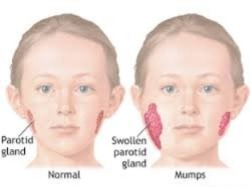
- Mumps is a communicable disease. In which there is a viral infection in the salivary gland, due to which there is painful swelling in it.
- The most common salivary gland infection is in the parotid gland. Infection in the parotid gland causes redness and soreness in the surrounding area.
- The salivary gland produces saliva that helps moisten and swallow food.
- Salivary gland
- Parotid gland
- Sublingual gland
- Submandibular Gland
- Causative organism
- Mumps are seen due to Paramyxo virus.
- Incubation period: 14-21 days
- Same group: Most common 5-9 years
- Route of transmission: Recipe retory track
- Mode of Transmission : Droplet Nuclei
- Paramyxovirus It spreads directly and indirectly from one person to another.
Clinical manifestations:
- Fever
- Ear on affected side
- Pen full and swollen parotid gland Gland.
- Stiffness on opening of mouth.
- Pain is seen while chewing and swallowing.
- Muscles a
- Dry mouth
- Sore throat
- Loss of appetite Tight
- Headache
- Mild abdominal pain
- Some other symptoms are seen in men due to this disease.
- Tasty callus lump
- Tasty callus pain
- Scotch Swelling
- Diagnostic Tests
- History Collection
- Physical Examination-Palpation of the Parotid Gland.
Blood Tests:
- MP Body Testing
- Viral culture
- RTPCR
- C B C
- Management of mumps
- Symptom treatment is given to mumps to reduce discomfort during mumps.
Non Medical Management ( Non Medical Management) :
- Give the patient complete bed rest.
- Apply ice or heat packs to the neck and scrotum. This will help with the pain of the swallow gland.
- Gargle with warm and salt water.
- Give adequate fluids to prevent dehydration due to fever and anorexia. If Besant cannot take oral fluids, give IV fluids.
Medical Management (Medical Management) :
- Antipyretic: Acetaminophen is used to relieve fever
- Ana Jessica: Analgesic drugs are given for pain relief
- Anti-conversion: If fever is not treated, it causes febrile conversion, so it is given as anti-conversion.
- In some cases, immunoglobulin is given early, but it does not provide much benefit.
- If orchitis is found in the male, the doctor should give pain killers and corticosteroids, which relieve pain and reduce inflammation.
How to Prevent Mumps
- The MMR vaccine is the best way to prevent it.
- Two doses of MMR are given to children before they enter school.
Complications Complications of Mumps:
- Meningitis is the most common.
- Orchitis
- Ovariitis
- Pancreatitis
- Myocarditis
What is Ebola? Write its causes clinical manifestations and management. Write preventive measures of Ebola.
- Ebola is a rare but serious disease that affects humans. Which occurs when an infected person comes into contact with the body fluids of a person.
- Ebola is caused by the Ebola virus, a virus that belongs to the family of filoviruses.
- The Ebola virus enters the human body and damages the immune cells, as well as the endothelium layer of the blood vessels, due to which the blood vessels rupture and bleeding starts.
- The Ebola virus damages the organs of the body, so the function of the liver is altered. The liver produces blood clotting factors, and due to its damage, its production decreases, which does not stop bleeding.
- Ebola virus is responsible for Ebola hemorrhagic fever.
- Therefore, in Ebola disorder, internal and external bleeding starts along with other signs and symptoms.
- History about Ebola virus
- First time in human beings in 1976 This virus appeared.
- In 2014, an outbreak was observed in Africa, which led to the death of many people.
- The Ebola virus has four species
- Jer
- Reston
- I Worry Coast
- Sudan
- The Ebola virus was first detected in Africa in 2014.
Transmission of Ebola virus
- The virus lives as a reservoir in fruit bats, chimpanzees, gorillas, etc.
- This It spreads through contact with the blood, secretions, and organs of infected animals.
- It spreads from infected humans to other humans directly or indirectly.
- It spreads directly through contact with the body fluids of an infected person, while it spreads indirectly through contact with objects contaminated by an infected person.
- A nurse who treats an infected person may be at risk of contracting the disease if she touches another patient without proper infection control The measure is to spread it.
- If a pregnant lady is infected with the Ebola virus, the virus can be transmitted through breast milk.
- If an infected person dies, the virus can be transmitted through their body.
- This virus can be found in semen for up to three months, due to which it can be transmitted sexually.
Clinical manifestations:
- Ebola causes flu-like symptoms.
- General Symptoms
- High-grade fever
- Resistance to some degree of blood clotting factor
- Internal and external bleeding
- Muscle pain
- Sore throat
- Impaired kidney function
- Impaired liver function
- Diarrhea
- Vomiting
- Abdominal pain
- Headache
- Fatigue
- Lack of appetite
- First 7-9 days of infection
- Headache
- Fatigue
- Fever
- Muscle pain
- Soreness
- 10th day of infection
- Sudden high fever
- Blood in vomit
- Passive behavior
- 11th day of infection
- Bruising
- Brain damage
- Bleeding from nose, mouth, eyes and anus.
- 12-Day of Infection
- Final Stage
- Loss of Consciousness
- Seizures
- Massive Internal Bleeding
- Death
- The following symptoms are seen for up to two years after recovery from Ebola.
- Feeling Tired
- Headache
- Muscle and Joint Pain
- Eye Pain and Vision Problems
- Weight Gain
- Hair Loss
- Skin Disease
- Trouble Sleeping
- Hearing Loss.
Diagnostic Evaluation:
- Diagnosing Ebola is difficult compared to other diseases.
- Some symptoms are similar to those of Ebola and pregnancy. Therefore, it is difficult to diagnose. Therefore, if pregnancy is suspected, the test should be repeated so that early identification can be made.
- History Collection
- Physical Examination
- Antibody ELISA
- Antigen Capture Detection Test
- Serum Neutralization Test
- RTPCR
- Viral Culture
- The virus is detectable three days after the onset of symptoms.
Management:
- There is no specific treatment for Ebola, and symptomatic treatment is the only treatment available.
- Early hospitalization of the infected person to prevent spread to family members and friends.
- Early medical treatment should be given to the infected person as soon as the symptoms appear, as this can improve the chances of survival.
- IV fluids and medication should be given based on symptoms.
- If there is an infection with the venom type of Ebola virus, then the vaccine should be given.
- But if there is an infection with other species, then the vaccine is not available.
- Blood transfusion is done as a supportive treatment if there is excessive blood loss.
- For pain relief, give a JC drug as per the doctor’s prescription.
- If vomiting is observed, then give an antiemetic drug.
- If there is another infection with Ebola, such as malaria, then give antimalarial drugs as per the order.
Prevention:
- Vaccination of Ebola virus species other than the venom type is not available, so avoid traveling to areas where infections of these species are more common.
- Health care workers who care for infected persons should wear protective measures such as gowns, goggles, masks, and gloves to prevent contact.
- Isolate infected persons to prevent the spread of infection to other patients.
- Early identification of Ebola virus through good laboratory services and early treatment can prevent the condition from worsening.
- Awareness of Ebola in the community is the best way to prevent Ebola.
- People can prevent Ebola by following these steps.
- Wash hands frequently.
- Do not touch the body fluids of a person who has Ebola virus.
- Do not touch the funeral or graves of a person who has died from Ebola.
- If you have the venom type of Ebola, get vaccinated.
What is dengue? Write its management and preventive management.
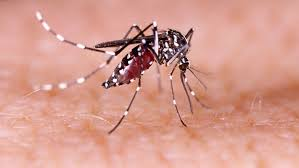
- Dengue is a vector-borne disease. It is transmitted by the bite of an Aedes mosquito. The dengue virus lives in the saliva of the mosquito.
- Dengue fever is also called break bone (bone-breaking fever) and dengue fever. Due to severe pain, an awkward posture is observed in the affected person.
- This is an epidemic disease.
- The dengue virus is present in the saliva of the Aedes mosquito. When a person is bitten by a mosquito, this virus enters the person’s body and multiplies, which causes an inflammatory process that causes high grade fever, severe body ache, and headache.
- When the mosquito bites the infected person and sucks blood, the virus enters the mosquito’s body along with it. Enter The virus needs mosquitoes for further development. The same mosquitoes bite another normal person and infect him.
Causative organism of dengue
DEN-1. DEN-3
DEN. -2 DEN-4
Dengue is caused by these four serotypes of dengue virus.
But DEN-5 was seen in 2013 but dengue five has not been seen in India.
Morphology
The virus has two types of structures.
Protein Structure
Protein Non-Structure
Protein Structure
The protein structure of the virus consists of the capsule protease, envelope protease and membrane protease.
Protein Non-Structure
In Protein Non Structure
NS1 NS 4
NS.2A
NS.2B NS.5A
NS 3
are present.
Pathophysiology:
Aedes mosquito bite
|
Dengue virus enters into skin (Langerhans cell)
|
Virus replication occurs in Langerhans cell
|
Increases T-cell stimulation due to entry into the lymphatic system.
|
Increase Cytokinase
|
causes leakage of plasma from blood viscera.
|
risk of Ascites Decreased Platelet Count Sign and Symptom of Dengue
Mild illness does not require hospitalization, it is cured with medical treatment on home base.
But if the patient has low BP, decreased platelet count and starts building up, then the patient is hospitalized immediately.
Clinical manifestations:
The symptoms depend on the severity of dengue, there are three types of dengue fever.
(1)Classical dengue fever
- High fever with chills
- Chest pain
- Frontal headache
- Muscle and Joint Pain
- Change in Taste Sensation
- Abdominal Pain
- Pain Behind Eye Ball
- Lymph Adenopathies
- Loss of Appetite
- Skin rash
- Extreme weakness
- Feeling of nausea
(2)Dengue hemorrhagic fever
- Dengue hemorrhagic fever has the symptoms of classical dengue fever but Additional
- Bleeding from nose, gum.
- Blood in vomiting and stool.
- Hip toe megali.
- Thrombocytopenia
- Positive Tourniquet test.
- Bleeding spot on Skin
(3)Dengue Sock Syndrome
- Dengue Sock Syndrome is not only a ringtone of dengue hemorrhagic fever, but also one of the following symptoms are seen.
- Hemorrhage
- Rapid weak pulse
- Restlessness
- Cold and clammy skin
- Loss of consciousness
- Low blood pressure.
- Warning signs
- As per the clinical manufacturing declared in 2009, warning signs are
- Persistent vomiting
- Abdominal pain
- Body fluid accumulation
- Unexplained bleeding
- Hip toe pain
- Decreased platelet count.
Management:
- There is no need to be hospitalized in classic fever.
- There is no specific vaccine or antiviral treatment for dengue, only symptomatic treatment is given.
- Paracetamol is used to relieve fever and is prescribed on the prescription.
- Sodium bicarbonate is given to treat the AC dose condition so that the condition is neutralized.
- Drugs like aspirin, non-steroidal anti-inflammatory drugs, and corticosteroids are avoided because they cause swelling.
- Rest is given so that the patient feels comfortable.
- Oral rehydration therapy is given because it can prevent dehydration.
- Oral fluids cannot be tolerated due to persistent vomiting, due to which IV fluids are given.
- If there is a condition like dengue hemorrhagic fever, check the level of bleeding and if necessary, do blood transfusion so that we can prevent shock.
- If the platelet count is too low, then frozen and fresh plasma volume is administered.
- If there is conditioning like fever, then Christ Lord and cold start are done so that we can increase the body fluid.
Nursing Management:
- In dengue hemorrhagic fever, evaluate the patient’s heart rate, temperature, blood pressure.
- Check capillary refill, skin color, pulse pressure because if the building is too high, the skin appears cold and clammy and also appears bluish in color due to lack of proper oxygen.
- Provide adequate fluid supply to prevent dehydration due to fever.
- If shock condition occurs, keep checking the patient’s mental status and consciousness level, and keep the feet elevated to ensure proper blood supply to the brain.
Diagnostic Evaluation:
- IgM
- IgG
- NS1 Antigen
- Rapid Combo Test
- Viral Culture
Prevention:
- Prevention is better than cure.
- Early diagnosis and treatment to prevent transmission to others.
- Proper cleaning and covering of all water tanks to prevent mosquito breeding.
- Mosquito repellent spray can be used.
- Use mosquito nets to prevent mosquito bites.
- Properly dispose and discard unused materials, conch shells, and coconut shells.
- Wear full-length cloths to prevent mosquito bites.
- Do not throw away objects like broken utensils, unused bottles, old tires, etc. because mosquito breeding occurs there during the rainy season.
- Clean rough gutters before monsoon.
- Mobile app in which Indian Fight Dengue community educates people on how to prevent dengue through games, videos, etc.
- Reduce mosquito infestations by using mosquito repellent methods wherever mosquitoes are found.
- Avoid aspirin, anti-inflammatory drugs as they can cause bleeding.
Complications of Dengue:
- Cardiomyopathy
- Seizures
- Encephalopathy
- Hepatic injury
- Pneumonia
- Renal complications
- Death
Discharge and home care guidelines
- Avoid diuretics, caffeine, alcohol etc.
- Take proper follow-up.
- Take vitamins or a rich diet.
- Use mosquito nets
What is chikungunya? Write its signs and symptoms, and management.
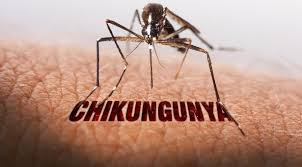
- Chikungunya is a rare communicable viral infection is.
- Like dengue, this is a vector-borne disease transmitted through mosquito bites.
- The alpha virus enters the human body through Aedes aegypti and Aedes albopictus and spreads the infection, causing high grade fever, severe joint pain, and rashes in the body.
- The name of this disease is derived from “Swahili”, an African word meaning “that which bends up”
- There is a possibility that a person may be found with dengue and chikungunya because mosquitoes carry the viruses of both of them.
Risk:
- Newborns are highly susceptible.
- More than 65 years old people.
- Hypertension
- High blood pressure
- Diabetes
- People with the following conditions are at high risk for this disease.
Transmission of alpha viruses
- Humans are the primary reserve. Aedes mosquito bites twice.
- Blood to blood transmission can occur.
- The incubation period is 3.7 days.
Clinical manifestations:
- Chikungunya It is very similar to dengue fever.
- Sometimes no symptoms are seen, which is called silent chikungunya.
- High grade fever
- Macular rashes in trunk and extremities.
- Muscle and joint pain.
- Chronic arthritis due to joint pain Seen.
- Significant swelling of joint.
- Headache
- General body pain
- Ulcer in mouth
- Nausea
- Sleeplessness
- Overwhelming tiredness.
Management :
- There is no specific treatment for chikungunya, only symptomatic treatment is given.
- Paracetamol is given on prescription to relieve fever and pain. is.
- Give plenty of rest and fluids.
- Give lots of fluids to prevent dehydration due to fever.
- Avoid aspirin, non-steroidal anti-inflammatory drugs which worsen the symptoms.
- If NSAIDs are given, they should be given under proper observation.
- Keeping infected persons separate to prevent transmission.
Prevention:
- Same as dengue
What is poliomyelitis? What is polio myelitis? Write its clinical manifestations and its management.:
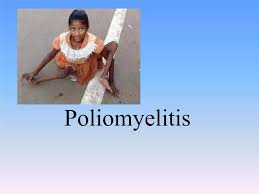
- Polio is also called polio myelitis.
- This is a viral infectious disease. Which affects the gastrointestinal tract, due to which its symptoms like diarrhea, nausea, vomiting, constipation are seen.
- Polio myelitis is caused by the polio virus.
- Polio was eradicated by the WHO on 27 March 2014.
- Polio virus affects the GI tract, but if the condition becomes severe, it affects the central nervous system, destroying neuron cells. Due to which muscle weakness in the body End is seen.
- This virus enters the body through the oral route and multiplies in the intestine.
Causative organism of polio
- Polio virus class of RNA virus.
- Polio virus type 1,2,3 Polio occurs, in which polio virus type one is more prevalent.
- Incubation period: 7-14 days
- Route of transmission: Oropharyngeal route
- Mode of transmission: Contaminated food and water
- Polio spreads more during the rainy season.
Types of Polio:
(1)Subclinical
- This is a mild form of poliomyelitis. In this stage, there are no symptoms and the central nervous system is not affected.
- Subclinical polymyositis occurs in 90 to 95 percent of people.
(2) Non-paralytic
- This is more severe than subclinical but less severe than paralytic tick. In which the central nervous system is not affected.
(3) Paralytic
- This is the most severe type in which the central nervous system is affected, resulting in full or partial paralysis. In which the breathing muscles and leg muscles are involved.
There are three types of paralytic polio.
(1) Spinal polio:
(2) Bulbar polio:
In which the brain stem is affected. Affects.
(3) Bulbospinal polio:
In which the spine and brain stem are affected.
If there is involvement of the breathing muscles, it causes paralysis in five to ten percent of people.
Clinical manifestations:
(1) Subclinical infection
- General discomfort
- Sore throat
- Slight fever
- Headache
- Nausea and vomiting
- Decrease appetite
- Constipation
(2) Non-paralytic polio
- Muscle stiffness
- Muscle tenderness and spasm
- Neck pain and stiffness
- Two types of pain and stiffness in the legs and arms.
- Skin rash with pain
- Moderate fever
- Back pain
- Excessive tiredness
- Headache
- Irritability
- Diarrhea
(3) Paralytic Polio
- Loss of reflexes
- Muscle weakness all over
- Breathing difficulty
- Difficulty swallowing
- Bladder paralysis
- Muscle Paralysis
- Sensitive Team to Touch
- Stiff Neck and Back
- Severe Constipation
- Vick Cough
- Horse Voice
- Tripod Sign
- The patient is unable to sit on the chair due to pain.
- The patient has a tri-pod gait.
Diagnostic Evolution (Diagnostic Evaluation):
- History Collection
- Physical Examination
- Stool Examination
- Neurological Assessment
Management (Management) :
- Polio cannot be cured, only prevented.
- Vaccine
Oral Polio Vaccine:
- It is a live vaccine that is given at birth.
- Route: Oral
- Amount: 2 drops
- Booster dose: 16-24 months
- Duration: 6,10,14 weeks
Fractional In Active Polio Vaccine:
- Duration: 6,14
- Route: Intradermal
- Amount: 0.1 ml to be continued
- This is a killed vaccine. Which Salk discovered.
- Vaccines play a pivotal role in fighting polio.
- The focus in polio treatment is on increasing comfort and preventing complications.
Hospitalization
- If a person is diagnosed with polio So, hospitalize him early so that we can prevent complications.
- Heat and physical therapy
- Muscles are stimulated through heat and physical therapy.
- Anti-spasmodic drug
- This drug relaxes the effect of the muscles so that we can increase mobility.
Rest
- We can reduce dish comfort through bed rest.
- Antibiotic drug
- Secondary infection can be prevented by antibiotic drug.
- Antipyretic drug
- Acetaminophen relieves pain and fever.
- Analgesic Drug
- Pain killers relieve headaches, muscle pain, spasms is reduced.
Diet
- Nutritional diet helps in strengthening immunity. Therefore, a nutritional diet should be taken.
Exercise
- We can print the default through moderate exercise as well as improve the function of the muscles.
Artificial breathing Device
- If the breathing muscles are involved, oxygen is provided through an artificial device.
- What is encephalitis? Write its clinical manifestations and management.
Encephalitis :
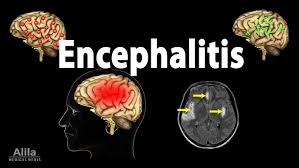
- Infection or inflammation of the brain called encephalitis.
- The brain is covered by a layer of meninges but can become infected due to injury or disease.
- Inflammation of the meninges is called meningitis.
- This is a rare serious disease but can also lead to life-threatening conditions. It can occur.
- It is an infection of the whole brain or parts of it, such as the cerebellum, cerebrum, and brain stem.
Causes of Encephalitis (Cause of Encephalitis) :
- The most common course is a viral infection. Viruses such as herpes, poliovirus, Arab virus, paramyxovirus, varicella zoster.
- Bacterial infections.
- Mycobacterium tuberculosis
- Streptococcus.
- Fungal infections
- Autoimmune diseases
Risk Factore:
- Excessive tobacco use.
- Viral upper respiratory tract infection.
- Otitis media
- Immune deficiency
Types of Encephalitis:
(1) Primary Encephalitis:
- When the virus directly infects the brain and spinal cord, it is called primary encephalitis.
(2) Secondary encephalitis:
- Secondary encephalitis occurs when there is an infection in the body and it travels to the brain and infects it.
Clinical manifestations:
- Fever
- Headache
- Steroidal neck
- Alter level of consciousness
- Seizures
- Nausea and vomiting
- Hallucination
- Disoriented
- Increased intracranial pressure
- Unresponsive.
- Photophobia
- Kerning sign positive
- Lethargic
- Drowsy
- Coma
Diagnostic Evolution (Diagnostic Evaluation):
- History Collection
- Physical Examination
- CSF Examination Through Lumbar Puncture.
- CT Scan
- MRI
- Polymerase Chain Reaction.
- Blood Examination: Sugar Level Urea, Electrolyte.
- Electro Encephalitis Graph
Management:
(1)Pharmacological Management
- Antiviral drug
- If the disease is caused by a viral infection, then you should be treated with antiviral drug.
- Antibiotic drug
- If the disease condition is caused by a bacterial cell, then you should be treated with antibiotic drug
- Anti conversion drug
- If seizures are present, treat them with anticonvulsants.
- Antipyretics
- In this disease, fever is seen due to infection, so relieve the fever with antibiotic drops.
- Give mannitol and glycerol if necessary, it reduces intracranial pressure.
- Give a co-coagulant drug.
- Vitamins and minerals supplementation.
- IV fluids and dopamine to treat shock and electrolyte imbalance Giving.
- Diuretic drug
- Duretic drug can reduce the risk of cerebral edema.
(2)Non-pharmacological management
- Providing oxygen supply.
- If necessary, keep the patient on mechanical ventilation
Prevention:
- Giving the child the encephalitis vaccine is the best way to prevent the disease.
- Maintaining good hygiene.
- Do not share infected utensils.
- Protect yourself from mosquitoes and ticks.
- Use insecticides.
Complications:
- Loss of memory
- Personality change
- Apology.
- Vision problem
- Hearing problem
- Speaking is you
- Difficulty in breathing
- Death
Nursing responsibility
- Do a neurological examination.
- Take regular vital signs, especially temperature. Reduce fever with antipyretics and maintain intake and output chart and provide fluid supply.
- Provide a comfortable environment for the patient.
- Isolate the patient to prevent droplet spread.
- If the patient is having seizures, give him a low bed position.
- Assess sensorineural hearing loss, vision loss.
- Keep the patient oriented to time, place, and person.
Nursing Diagnosis
- (1)In effective tissue perfusion related to disease condition.
- (2) hyperthermia related to infectious disease.
- (3) disturb thought process related to personality change.
- (4) risk for injury related to seizure and cerebral edema.
What is influenza? What is influenza? Write its clinical manifestations and management.:
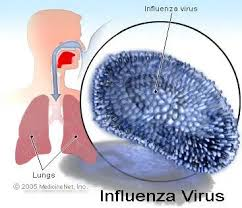
- Influenza is a communicable disease that spreads easily from one person to another.
- Influenza is also known as the flu.
- It is caused by Haemophilus influenzae
- Influenza A
- Influenza B
- Influenza C
- Caused by.
Causative Agent Of Influenza:
- Caused by a negative single stranded RNA virus. Which belongs to the Ortho Myxo virus family.
- Which is not helical in shape. It is 80 to 120 nanometers in size.
- Influenza A and B have 8 segments. They are strong due to which the disease condition arises.
- Influenza C has seven segments. Influenza C is weak due to which Symptoms do not appear.
- Influenza A and B contain two proteins.
- Heme antigen
- Dash of neuroamine.
- The virus contains papillomas.
Structure of influenza virus.:
- Hemagglutination
- Sialic acid binds to receptors in the nose, throat, and bronchi and enters the cell. It infects the cell.
- Neura amino des
- This protein destroys the sialic acid receptor, which allows the RNA virus to spread. This protein is responsible for the spread of infection.
- This virus enters the respiratory tract, causing inflammation and necrosis of the epithelial layer. .
Transmission of Virus
- This is an airborne disease that is transmitted through droplets.
- Spreads from hand to hand or by touching materials used by an infected person.
- Incubation period: 18-72 weeks
- Resolve: 2-5 days
- Risk factors
- Chronic lung, liver, heart disease
- Pregnant women
- Obesity
- Immunodeficiency.
Clinical manifestations:
- Fever, average three days
- Headache
- Rhinos
- Sore Thought
- Muscle and Joint Pain
- Chest Pain
- Dry Cough
- Restless Sleep
- Lack of Appetite
- Tiredness
- Diarrhea
- Disease
- Wo meeting
- Indization
- Sewering
- Fatik
- Weakness.
Diagnostic Evolution (Diagnostic Evaluation):
- Sample: Nasopharyngeal swab
- Sputum
- Thoracic swab.
- (2) Culture
- (3) Rapid Influenza Diagnostic Test
- (4) PCR
- (5) Serology
Management :
(1) Neuraminidase inhibitors:
- Oseltamivir and Zanamivir are drugs that inhibit the function of neuraminidase. Which is effective against influencer A & B.
(2)m2 ion channel inhibitor:
- Rimantadine and amantadine drugs are effective against influenza A.
- Symptomatic drugs are given.
- Over the counter drugssuch as
- Analgesics:
- Treats fever, pain, aches, and pains.
- Decongestant Drug:
- This drug relieves nasal congestion, sinus pressure.
- Antihistamine Drug:
- This drug treats rhinitis, sinus pressure.
- Increase liquid intake
- Stomach Sores and Stomach Compression Do it especially towards the nasal area so that we can reduce nasal congestion and body ache.
- Constipation can be reduced by using nasal strips and humidified fire.
- Fever is reduced by using acetaminophen.
- Smoking and alcohol should be avoided.
Prevention (Prevention):
- Influenza Vaccine
- We can prevent the disease through this vaccine.
- Which is live and killed.
- Avoid Close contact
- Stay home when you are sick.
- Cover your mouth and nose when you sneeze.
- Wash your hands frequently to prevent infection.
- Avoid touching your eyes, nose, and mouth.
- Practice good habits such as getting plenty of Sleep
- Be physically active
- Manage your stress.
- Do not share personal items with an infected person.
Complication:
- Pneumonia
- Otitis Media
- Croup
- Bronchitis
- Myocarditis
- Rey’s Syndrome