ENGLISH-INTE PART-4 (UPLOADED)
What are common therapy and surgery for skin disease ?
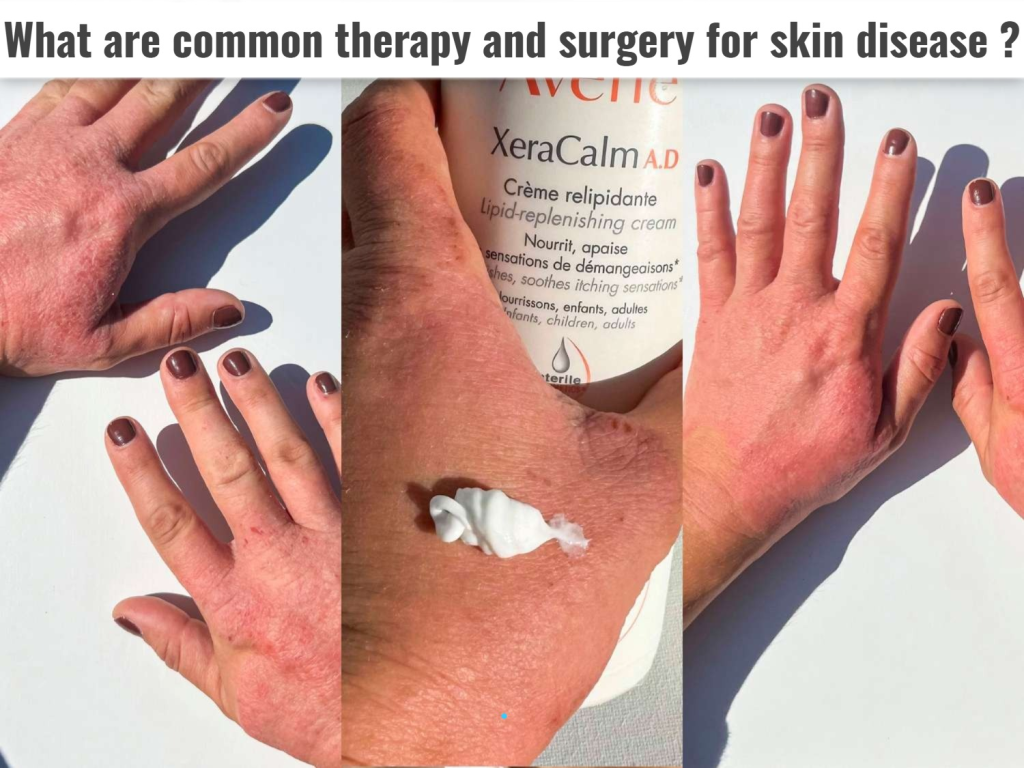
Topical medicine
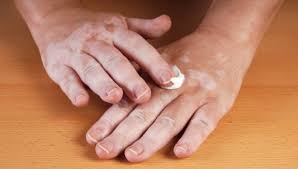
- Topical medicine is more effective for skin conditions.
- Topical medicine is applied directly to the skin lesion or affected area.
- So The effect of the medicine is more visible on the affected area and its systemic effect is less visible.
- Topical medicine keeps the skin moisturized and protects it.
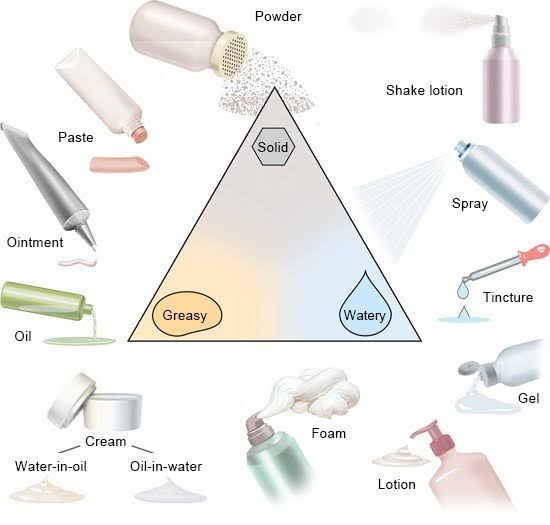
- Topical medicine is found in different forms like lotion, cream, gel, paste, ointment, oil, spray, patches.
- Topical medicine is used as antibacterial, antiviral, antifungal, antiseptic, anti-inflammatory, antiparasitic,
- Neomycin sulfate cream, erythromycin gel, silver sulfadiazine cream, povidone iodine ointment are used as topical antibacterials.
- Acyclovir ointment, penciclovir cream are used as topical antivirals.
- Clotrimazole cream, ketoconazole cream, nystatin ointment are used as topical antifungals.
- Betamethasone valerate ointment, hydrocortisone are used as topical anti-inflammatory Ointment, fluocinonide ointment is used.
- Linden lotion, permethrin cream, crotamiton cream, malathion lotion are used as topical antiparasitics.
Systemic medicine
- Systemic medicine is also used in skin conditions.
- Systemic medicine affects the whole body and also affects the systems in the body.
- Systemic medicine includes corticosteroids, antibiotics, antivirals, antifungals, antiparasitics, antihistamines, analgesics, sedatives and cytotoxic agents.
- Including penicillin as an antibiotic, Erythromycin, and cephalosporin group medicines are used.
- Acyclovir medicine is used as an antiviral.
- Terbinafine medicine is used as an antifungal.
- Hydrocortisone and dexamethasone are used as corticosteroids.
- Analgesics diclofenac and tramadol are used.
- Cetirizine and pheneramine are used as antihistamines.
Foam dressing
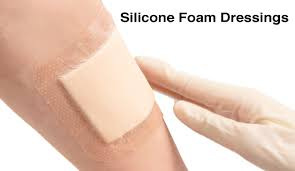
- Foam dressing is a moisture retentive dressing.
- The outer layer of the foam dressing is made of hydrophobic material while the inner layer is made of hydrophilic material.
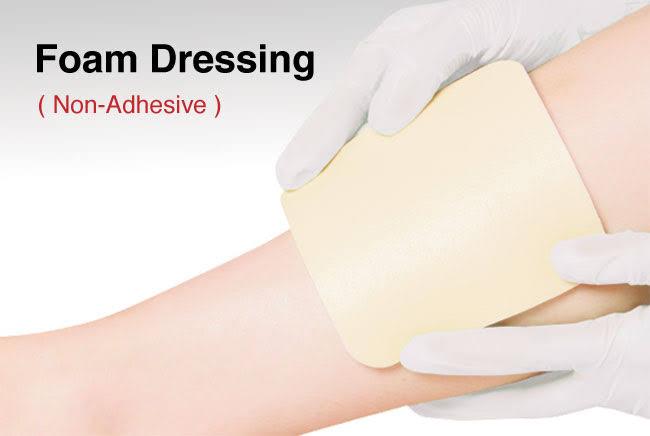
- Foam dressings absorb exudate from the wound and provide a moist environment. So that the dressing does not stick to the wound and can be easily removed.
- Foam dressing is used in wounds with highly exudating surfaces and cavities.
Hydrogel dressing (Hydrogel dressing)
- A hydrogel dressing is a moisture retentive dressing.
- A hydrogel dressing is a highly water-containing dressing. It is made up of 90% water and hydrophilic polymers. Which absorbs exudate and promotes granulation.
- Hydrogel dressings contain a polyurethane film that protects against pathogens.
- Hydrogel dressings provide a cooling and soothing effect on the skin. Therefore, hydrogel dressings are used for first and second degree burns and painful wounds.

Wound dressing
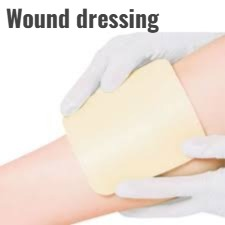
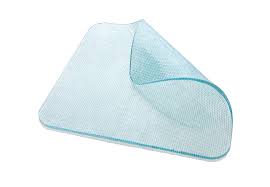
- Wound dressing is a type of bandage. Which is used to cover the wound.
- Wound dressings are found in the form of gels, foams, gauzes, and patches.
- Wound dressings are used to prevent infection and promote healing.
Gauze dressing:
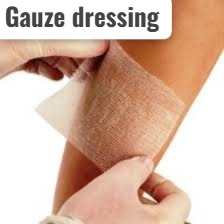
- We use gauze dressings a lot in our daily lives.
- There are mainly two types of gauze dressings: woven and non-woven
- Woven gauze is made of natural cotton while non-woven gauze is made of synthetic fiber or rayon.
- Gauze dressings are applied with some therapeutic agent. Therapeutic agents include iodinated agents, zinc paste, hydrogel, Chlorhexidine gluconate is used.
- Gauze dressings are cost-effective and available in different sizes.
Transparent film dressing:

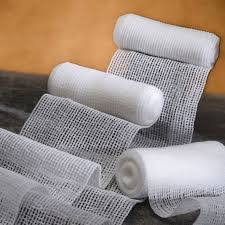
- Film dressing is a modern dressing product that is flexible, transparent and adhesive.
- Transparent film dressing is used to protect IV sites, catheter sites, in wound healing, prevent skin breakdown and protect surgical lesions
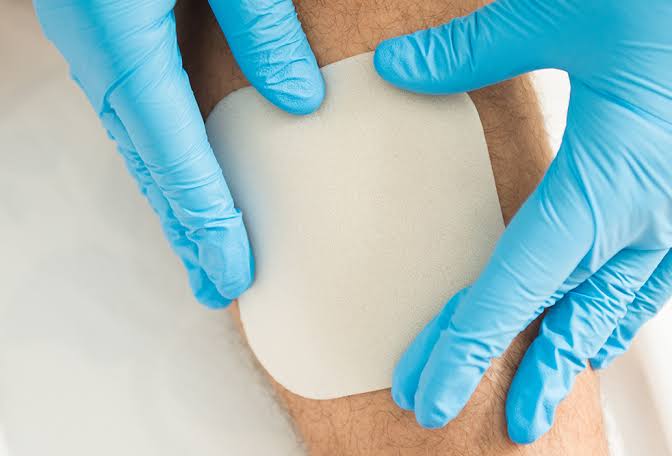
Hydrocolloid dressing

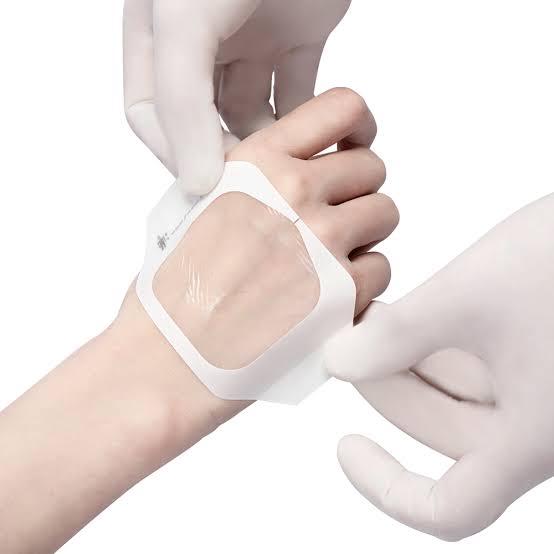
- A hydrocolloid dressing is a moisture retentive dressing.
- A hydrocolloid dressing is made of the gel-forming agent sodium carboxymethyl cellulose and gelatin. is.
- Hydrocolloid dressings are used in the treatment of mild exuding wounds, minor burns and bedsores.
- This type of dressing is more useful in areas such as the elbow, heel and knee, as it is flexible.
Plasmapharesis
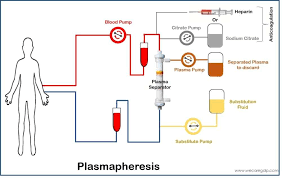
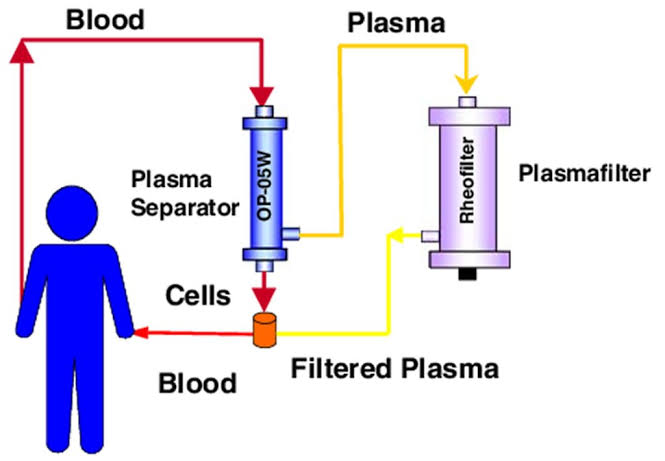
- Plasmapheresis is a process in which blood plasma is removed from the body, exchanged, and returned to the body.
- In this procedure, blood is removed from the body and the plasma is separated from the blood through a plasma separator. The plasma is separated and the separated plasma is filtered and returned to the body.
- Plasmapheresis is used in the treatment of pemphigus vulgaris and removes the antibodies present in it.
Balenotherapy / Therapeutic bath
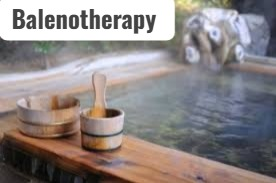
- Balneotherapy is a therapeutic bath. Through which skin diseases are treated.
- In balneotherapy, bathing is done with thermal mineral water from a spring.
- As minerals, it includes bicarbonate, sulfate, sulfide, chloride, magnesium and other metals.
- This bath removes crusts, scales, previously applied topical medicines from the skin and provides relief from inflammation and itching.
- Uses of balneotherapy Chronic inflammatory conditions such as chronic plaque psoriasis and atopic dermatitis occur.
- We can also do this balneotherapy at home. In which some minerals and salts are dissolved in water. In which sea salt or Epsom salt is used as salt.

intralesional therapy

- Intra means inside, lesional means lesion
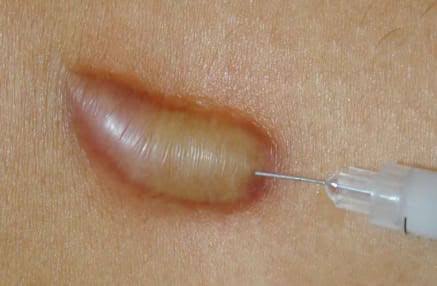
- In intralesional therapy, the therapeutic substance is injected directly into or under the lesion.
- The main purpose of intralesional therapy is to apply a high concentration of medicine to the lesion site so that its maximum effect can be seen and its systemic effect can be minimized.
- Corticosteroids and antifungal drugs are used as therapeutic agents. • For example triamcinolone acetodine
- Intralesional therapy is used in the treatment of psoriasis, plantar warts, keloids, and cystic acne.
write surgical management in skin :-
Incision & drainage
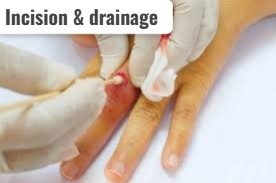
- Incision and drainage is a commonly used minor procedure.
- Incision and drainage involves making an incision in the affected area with a blade or scalpel and draining the secretions and pus.
- This procedure is performed under local anesthesia or general anesthesia.
- Incision and drainage is a procedure used to drain abscesses in the skin and soft tissues. such as carbuncles and furuncles.
Photodynemic therapy
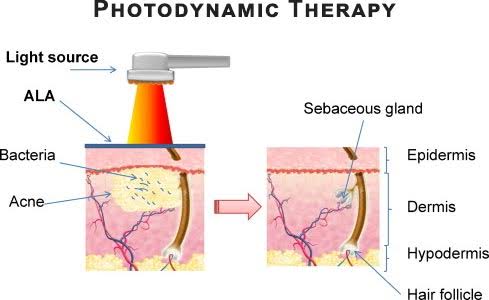
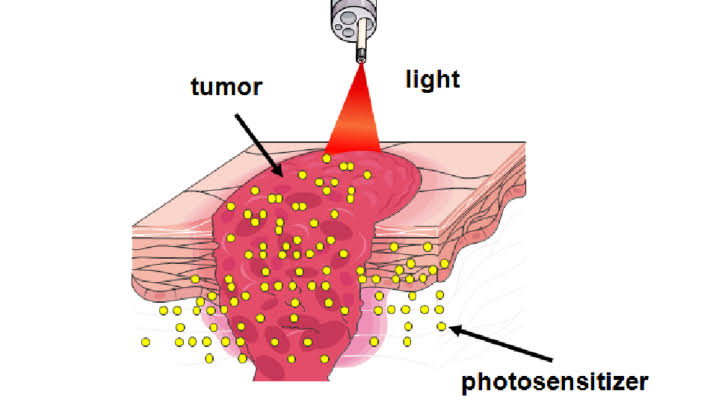
- Photodynamic therapy is a form of phototherapy that uses light and a photosensitizing chemical.
- In this therapy, the patient is given a photosensitizer drug. The light is absorbed by the target cell and the absorbed cell is hit by the light and it kills the target cell.
- Photodynamic therapy is used in the treatment of psoriasis, herpes, and age-related macular degeneration.
Ultraviolet light therapy
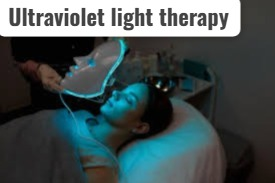
- Ultraviolet light therapy is a type of light treatment. In which ultraviolet light is passed over the target area for a certain period of time.
- Ultraviolet light therapy is used in the treatment of psoriasis, eczema, vitiligo and other skin problems.
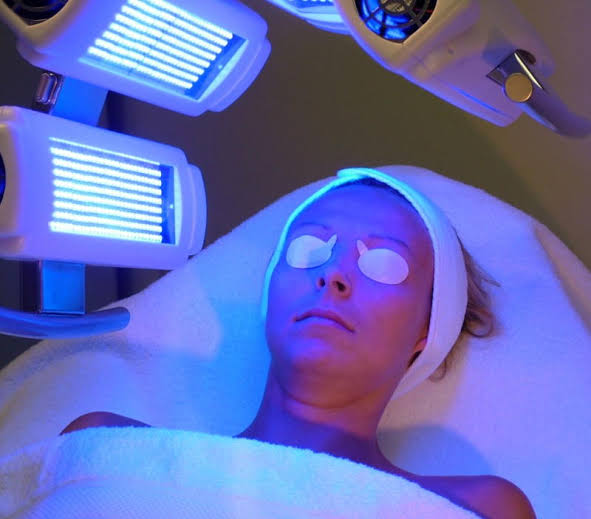
Laser therapy
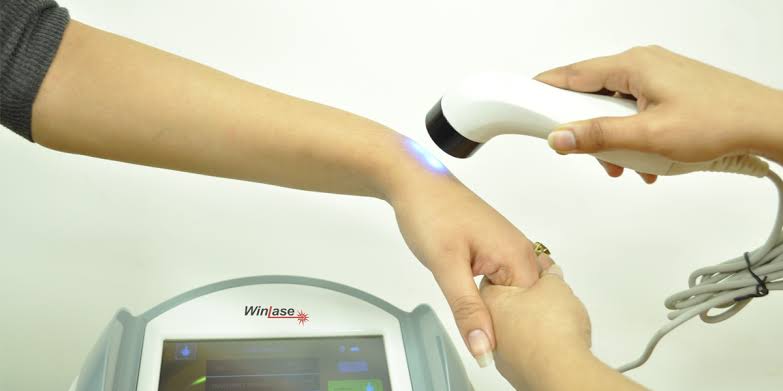
- Laser devices in laser therapy Abnormal and cancerous cells are destroyed and removed by using light beams.
- Apart from this, laser therapy is used in the treatment of hair loss, pain management and to remove kidney stones.
Cryosurgery :
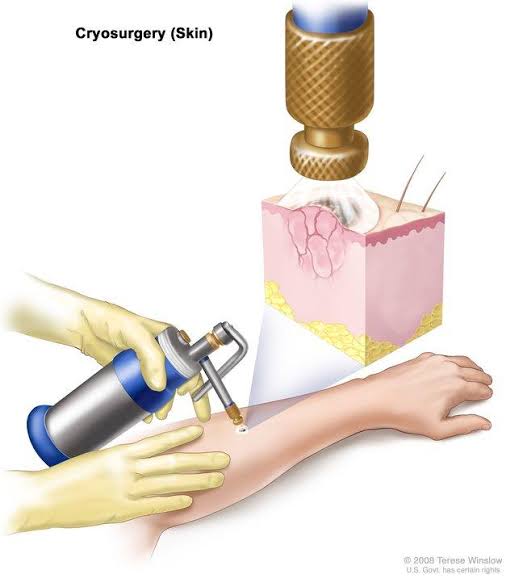
- Cryosurgery is also known as cryoablation.
- Cryosurgery is a type of surgical procedure. In which abnormal tissue and tumors are destroyed using extremely cold temperatures.
- Extremely cold temperatures are produced by liquid nitrogen and argon and abnormal tissue is destroyed.
- Cryosurgery is used to treat warts, seborrheic keratosis, and certain types of cancer.
Electrodessication (electrodesiccation)

- Electrodesication is a fast and simple non-surgical procedure.
- In which specific lesions and superficial skin growths are destroyed and removed using electrical current through electrodes.
- For example, brown spots, seborrheic keratosis
Mohs micrographic surgery
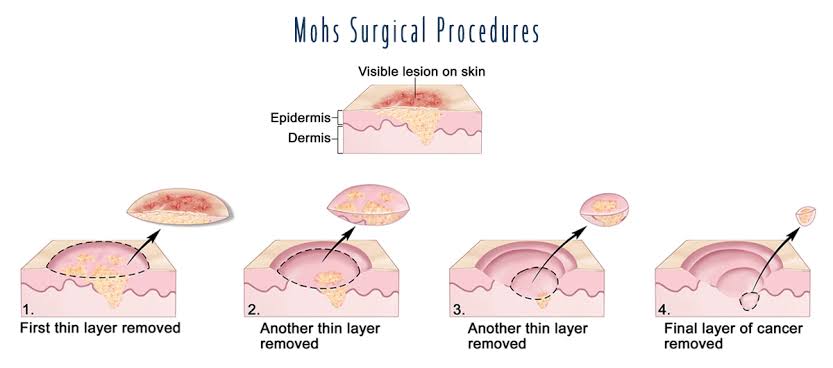
- Mohs micrographic surgery is used in the treatment of skin cancer.
- In which the affected thin layer around the skin is removed, then the thin layer around it is removed and finally the cancerous layer is removed.

Published
Categorized as Uncategorised