ENGLISH-MIDWIFERY UNIT 1( DESCRIBE THE SCOPE AND TRENDS IN MIDWIFERY ) : TERMINOLOGY-UPLOAD
THE SCOPE AND TRENDS IN MIDWIFERY

Terminology

1.Ante

before
2.Antepartum

time before delivery
3.Gravida

The total number of pregnancies that a person has had, regardless of the outcome. (The total number of times a woman has become pregnant, regardless of the outcome.)
4 .Prenatal

time before birth “Prenatal” refers to the period of time before birth, specifically during pregnancy.
5.Nulligravida

(A nulligravida is a woman who has never been pregnant).
6.Para

“Par” refers to the number of pregnancies that have reached viability (usually 20 weeks or more), regardless of whether the fetus was born live or stillborn. It basically indicates how many times a woman has given birth after 20 weeks of pregnancy. (number of birth after 20 weeks gestation regulate of whether the born a live or dead).
7.Pre term

Preterm refers to a baby born before 37 completed weeks of gestation, but after 28 weeks of pregnancy. (Preterm refers to a baby born before 37 completed weeks of gestation, but after 28 weeks of pregnancy).
8.Primigravida
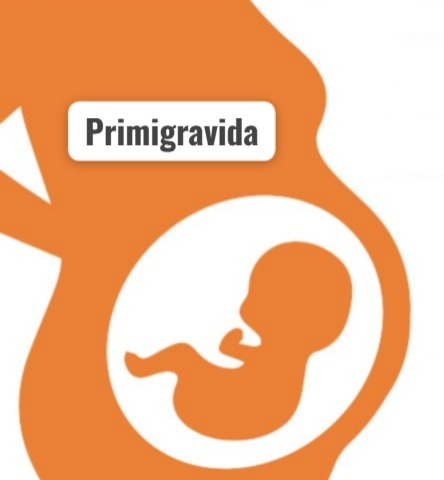
A women pregnant for the first time. Primigravida refers to a woman who is pregnant for the first time in her life.
9.Multigravida

Multigravida refers to a woman who has been pregnant more than once, regardless of the outcome of previous pregnancies. (Multigravida refers to a woman who has been pregnant more than once, regardless of the outcome of previous pregnancies ).
10.Nullipara
Nullipara refers to a woman who has never given birth to a baby beyond the age of viability, typically after 20 weeks of gestation, regardless of whether she has been pregnant or not.
11.Multipara

Multipara refers to a woman who has given birth two or more times to babies beyond the age of viability (typically after 20 weeks of gestation), regardless of whether the infants were born alive or stillborn. (Multipara refers to a woman who has given birth two or more times to babies beyond the age of viability (typically after 20 weeks of gestation), regardless of whether the infants were born alive or stillborn).
12.Still birth

The death of a child before or during childbirth after 20 weeks of pregnancy is defined as a stillbirth. If a child dies before 20 weeks, it is usually called a miscarriage. (Stillbirth is defined as the birth of a baby with no signs of life, such as no breathing, heartbeat, umbilical cord pulsation, or voluntary muscle movement, occurring after 28 completed weeks of gestation).A fetus born dead , after 20 weeks gestation
13.EDD :-

Expected Date of Delivery
14.Obstetric

Obstetrics is the branch of medicine and surgery that deals with pregnancy, childbirth, and the postpartum period (puerperium). (Obstetric refers to the branch of medicine and surgery that deals with pregnancy, childbirth, and the postpartum period (puerperium)
15.Gynecology

Gynecology is the branch of medical science that deals with the diseases and disorders of the female reproductive system (including the uterus, ovaries, fallopian tubes, cervix, and vagina ) especially in non-pregnant women. ( Gynecology is the branch of medical science that deals with the diseases and disorders of the female reproductive system (including the uterus, ovaries, fallopian tubes, cervix, and vagina ) especially in non-pregnant women.
HISTORICAL REVIEW

In the past, only women came to deliver a woman and after giving permission from the female relative, many women took up this work as a profession and are known as midwives.
Midwife means “with women” and her skills are based on art science.
Art means that a midwife can know the needs of a woman and encourage her and build confidence. It is called science because it requires a high degree of knowledge and decision making.
The knowledge experience of a midwife is created. Through her, she can take care of an individual mother, 2500 beyond midwife of gods is described.
Hippocrates (460 BC) – Father of Scientific Medicine
He organized midwifery training and prepared trained supervisors. However, his methods were not easily understood by midwives. He knew that the fetus comes out by pushing against the uterine membranes and that during dilatation the bones of the pelvic girdle separate. Despite this knowledge, midwives did not value his work and mockingly called him “the grandmother.”
Aristotle (384–322 BC) – Father of Embryology
He described the uterus and female pelvic organs and also explained the essential qualities of a midwife.
Celsus (30 AD)
Published “De Medicina.”
He was the first to describe removal of a dead fetus and internal podalic version.
Soranus – First specialist in Obstetrics and Gynecology
He was the first to use a vaginal speculum and advised on cord care and wet nursing.
During this period, with the fall of the Roman Empire, magic practices replaced medicine, and untrained midwives gained complete control over midwifery.
Leonardo da Vinci (1452–1519)
He made anatomical drawings, including a breech presentation of the uterus.
In 1513, the first midwifery teaching book based on Soranus’ work was published in Germany and was translated into English in 1540 as “The Birth of Mankind.”
Vesalius (1543)
He opened a full-term pregnant animal uterus and removed the fetus, an experiment considered an early form of caesarean section.
He described the uterus as a single chamber.
Ambroise Paré (1510–1590)
He introduced internal podalic version, conducted deliveries on a bed instead of a birth chair, and performed suturing of perineal tears.
He started a midwifery school at Hotel Dieu, Paris.
Louise Bourgeois
A midwife trained by Ambroise Paré.
She warned about infection transmission (syphilis) to herself and patients and recommended labor induction for pelvic contraction.
Julius Caesar Aranzi (Aranzio)
Published the first book for midwives and advised caesarean section in contracted pelvis.
William Harvey (1598–1657)
Published the first English midwifery book.
He described methods of placental removal and bimanual uterine compression to prevent postpartum hemorrhage (PPH).
During this period, women were reluctant to be attended by male doctors.
In cases of obstructed labor, male doctors assisted secretly without the mother’s knowledge.
French King Louis XIV (1663)
A surgeon specializing in the pelvis was appointed for the king’s wife’s delivery. After this, the French method of delivery became popular.
The doctor was honored with the title “Accoucheur” (obstetrician) and established a school of midwifery.
William Smellie (1697–1763) – Father of British Midwifery
He considered labor a mechanical process and introduced pelvimetry, cephalometry, conjugate diameter, contracted pelvis, breech delivery, and described forceps delivery.
He divided forceps into two blades and proved they could be inserted separately.
1726 – The Midwifery Chair was established at the University of Edinburgh.
John Leake (1772) invented a special delivery chair.
Charles White (1773)
He emphasized cleanliness during the puerperal period, including clean diapers, clean linen, isolation, adequate ventilation, and drainage.
These measures reduced maternal deaths due to puerperal sepsis.
Filliarius Geld (1770–1789)
Explained the mechanism of normal labor and performed the first episiotomy.
Gordon (1795)
Stated that wound contamination at the placental site causes puerperal sepsis.
James Young Simpson (1847)
Introduced chloroform for use in obstetric operations.
Florence Nightingale
A pioneer of systematic training for midwives.
In 1862, she started a small training school at King’s College Hospital.
Semmelweis (1861)
Identified causes and prevention of puerperal sepsis.
He insisted students wash hands with chlorinated solutions, which significantly reduced maternal mortality.
Spencer (1901)
Suggested external cephalic version for breech presentation during the antenatal period.
Using the Pinard method, breech could be converted to cephalic presentation at around 30 weeks of gestation.
He promoted antenatal care and started antenatal clinics.
1881 – Establishment of the Midwives Institute.
1902 – First English Midwives Act passed; state registration of midwives became compulsory.
1941 – The Midwives Institute became the College of Midwives.
Development of maternity service

In areas where midwifery services (practice) developed, women who possessed knowledge of anatomy and obstetrics were granted a license to practice and were given legal protection.
Midwifery practice began in India.
In 1726, the first Chair of Midwifery was created at Edinburgh, with the objective of providing formal instruction to midwives.
During the 18th century, training courses for midwives were started in many places, and some hospitals began issuing certificates.
In 1756, Dr. John Douglas strongly recommended that midwives should receive proper instruction, undergo examinations, and be granted certificates before being allowed to practice. This period was considered the most favorable time for midwives.
In 1864, the Ladies’ Obstetrical College was established in London.
In 1902, the Midwifery Act was implemented.
Midwifes Act 1902

Control of Midwifery Practice
- A Central/Control Midwives Board was established, which follows the Midwives Act (Scotland) passed in 1922. This Act defined the status and professional role of midwives.
In 1984, four regulatory bodies were organized for the regulation of midwifery practice.
Provisions of the 1920 Act
1. Prohibition of Unqualified Practice
- According to this Act, only qualified midwives are permitted to practice.
- Midwives must attend childbirth and women under the supervision of a registered medical practitioner.
2. Control Midwives Board
The Control Midwives Board is responsible for:
- Granting registration only to properly qualified midwives.
- Framing rules for supervision and limitations of midwifery practice.
- Organizing midwifery training programs and conducting examinations.
- Taking appropriate disciplinary action in cases of professional misconduct or faulty delivery practices by midwives.
3. Rules Regulating the Practice of Midwives
- The Central Board of Midwives organized rules and regulations to ensure public safety.
- All rules and regulations are communicated in detail to every midwife to help maintain educational and professional standards.
- Continuous improvement in practice standards is encouraged, and modifications in rules are made accordingly.
- Midwives are required to maintain records of all cases, including any complications encountered during practice.
4. Legal Supervising Authority for Midwives
- To supervise and observe midwifery practice, ensuring compliance with established rules and regulations.
- To assess improvements in practice, enhance education, and provide information related to health-care needs.
- To ensure uniformity in the system, standardized training is provided, and registration is granted only after uniform practice standards are met.
- Disciplinary actions are enforced for failure to follow regulations.
Midwives act 1918
This Act introduced a system of self-discipline, which includes the following principles:
Respecting the client as an individual and maintaining her dignity.
Obtaining informed consent before providing any treatment or procedure.
Maintaining confidentiality of all information received from the client.
Maintaining professional knowledge and competence.
Minimizing risks and complications to the client through safe and ethical practice.
Midwifes act 1936

- The main objective of this Act was to develop a framework for the supervision of midwives.
- The purpose of supervision was to ensure that midwives effectively meet the needs of mothers and babies.
If any deficiencies or shortcomings were identified in a midwife’s practice, she would be assisted and guided to correct them. - For this purpose, local supervising authorities were established.
The Medical Officer was appointed as the head of this authority. - The supervising authority conducts pregnancy inspections and evaluates midwifery practice during visits, providing necessary instructions.
- If these instructions are not followed, disciplinary action is taken, and reports are prepared regarding negligence, malpractice, or professional or personal misconduct.
Preventive health services were developed under the direction of the Public Health Commissioner at the central level.
- In 1930, with the financial support of the Rockefeller Foundation, the All India Institute of Hygiene and Public Health was established, and studies on Maternal and Child Health (MCH) programs were initiated.
1943 Bhore committee

-As per the instructions of the Bhore Committee report, according to the short and long plan of health, one PHC should be prepared for a population of 40,000, in which one nurse midwife and one unit of four trained nurses should be prepared. Currently, 324 nursing institutions have been able to provide training for BSC, 339 ANM, 278 midwives. For which an act has been issued.
The health act 1999

Concept of Change in Nursing and Midwifery Regulations
- In 1999, midwifery practice in Scotland was professionalized, and a self-regulating regulatory body was established.
This regulatory framework was planned based on three core principles:- Promoting good practice
- Preventing malpractice
- Intervening in unacceptable practice
Prevention of Maternal Mortality and Morbidity
Prevention of Maternal Mortality
- According to the Bhore Committee Report, the highest number of maternal deaths in India occurs during childbirth.
- As per earlier statistics, 20 maternal deaths occurred per 1,000 deliveries.
- The committee emphasized strengthening Maternal and Child Health (MCH) services.
- After the implementation of the Bhore Committee recommendations, the Maternal Mortality Rate (MMR) reduced to 4.5 per 1,000 by 1985.
- To further reduce MMR, it is essential to prevent illnesses and complications occurring after delivery.
Prevention of Maternal Morbidity
- To prevent maternal deaths, prevention of maternal morbidity is essential.
Factors Affecting Maternal Morbidity:
- Education of the mother and family
- Lifestyle
- Number of children (parity)
- Diseases associated with pregnancy, such as:
- Pre-eclampsia and eclampsia
- Heart disease
- Anemia
- Kidney disease
- Tuberculosis
- High-risk pregnancy conditions
- By controlling and managing these factors, both maternal morbidity and mortality rates can be reduced.
DEFINITION OF MIDWIFE

A midwife is a person who has successfully completed a recognized midwifery educational program, is registered with an approved authority, and has received a legal license to practice.
A midwife is permitted to practice only in the country where the license is obtained.
A midwife is competent to monitor pregnancy, provide normal antenatal, intranatal, and postnatal care, conduct deliveries independently, and provide care to the newborn infant.
She possesses the necessary skills for these responsibilities.
In addition, her duties include preventive measures, such as:
- Early detection of abnormalities in mothers and children
- Providing medical assistance
- Managing emergencies in the absence of a medical officer
Furthermore, a midwife should have skills in health education for the mother and family members, including:
- Antenatal care
- Preparation for parenthood
- Gynecological health
- Family planning
- Child care knowledge and skills

FOR UNLOCK 🔓 FULL COURSE NOW. MORE DETAILS CALL US OR WATSAPP ON- 8485976407
સંપૂર્ણ કોર્ષને અનલોક 🔓 કરવા માટે અથવા વધુ માહિતી માટે નીચે મુજબના નંબર પર સંપર્ક કરો અથવા whatsapp કરો.-
8485976407