ENGLISH-UNIT-I-ONCOLOGY-TERMINOLOGY-PART (I)
Unit No.1 oncology

TERMINOLOGIES RELATED ONCOLOGY NURSING:
(1) Alopecia:
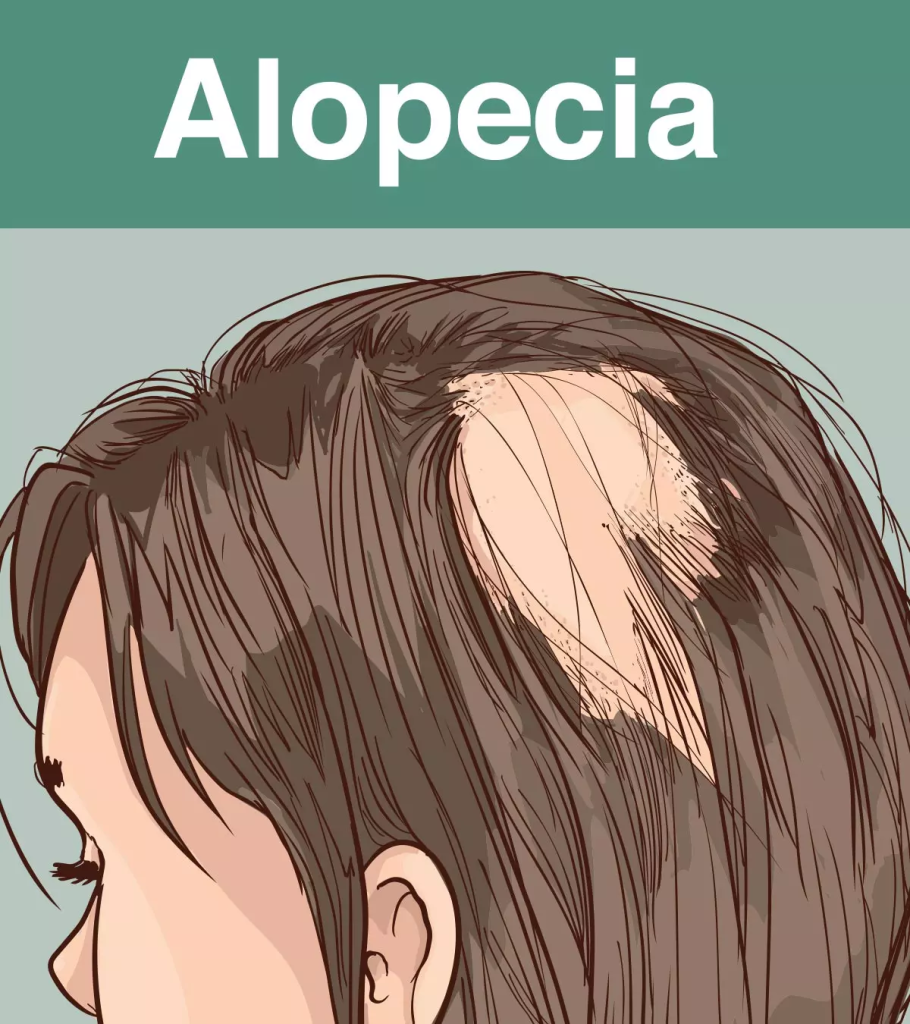
hair To lose.
(2) Anaplasia:-
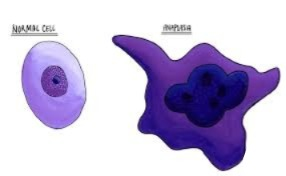
These are cells that lack normal cellular characteristics and instead differ in shape and structure from normal cells. These are a type of cancerous cells.
(3)Biopsy:-
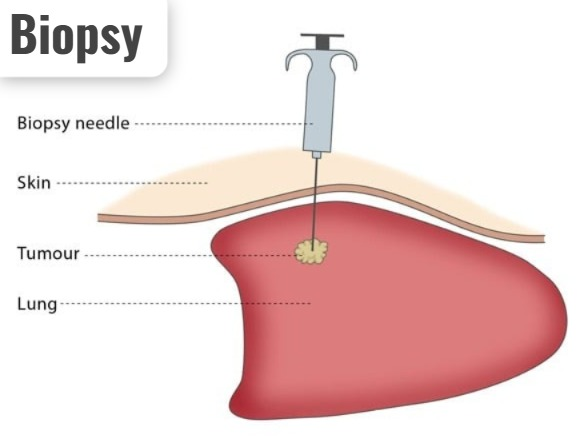
This is a type of diagnostic procedure in which a small portion of the body’s tissue is taken and used for diagnosis. There is.
(4) Brachytherapy:-
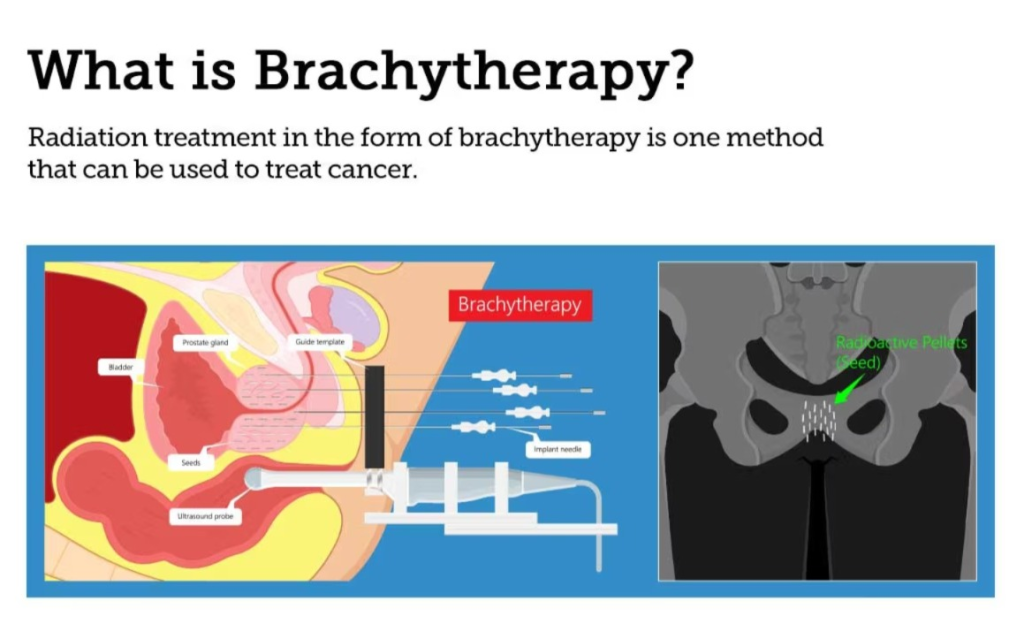
This is a type of radiation therapy in which radiation is delivered to the inside of the cancerous cells and the abnormal cells are destroyed.
(5) Cancer:-
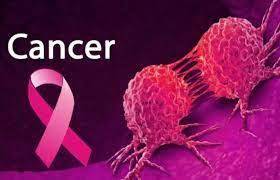
This is a type of disease condition In which normal cells in the body grow abnormally and form a tumor-like structure that can spread anywhere in the body.
(6) Carcinogenesis:-
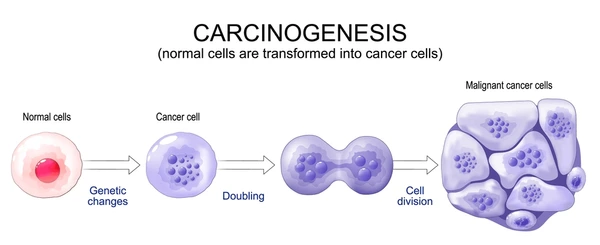
The process of transformation of a normal cell into an abnormal cancerous cell is called carcinogenesis.
(7) Carcinoma (in carcinomas):-
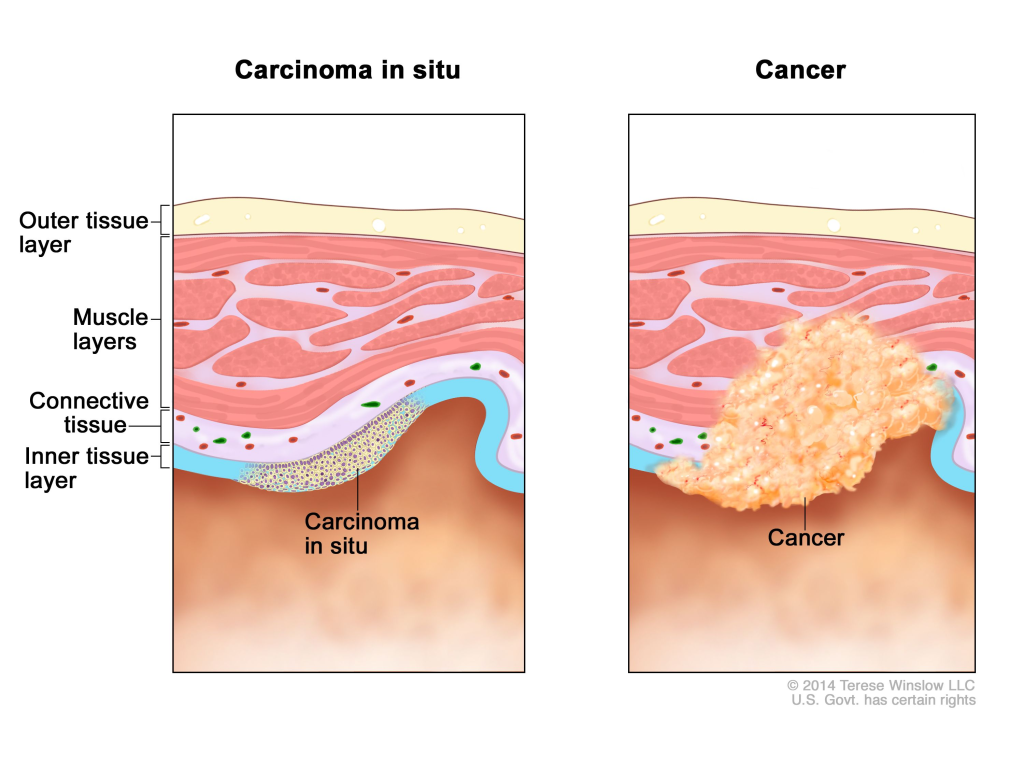
Carcinoma is a type of cancer in which epithelial cells grow into abnormal cells and spread to nearby tissues.
(8) Chemotherapy:-
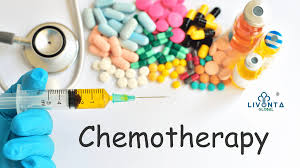
Chemotherapy uses medicines to kill any type of tumor.
(9) Cytokines (Cytokinase):-
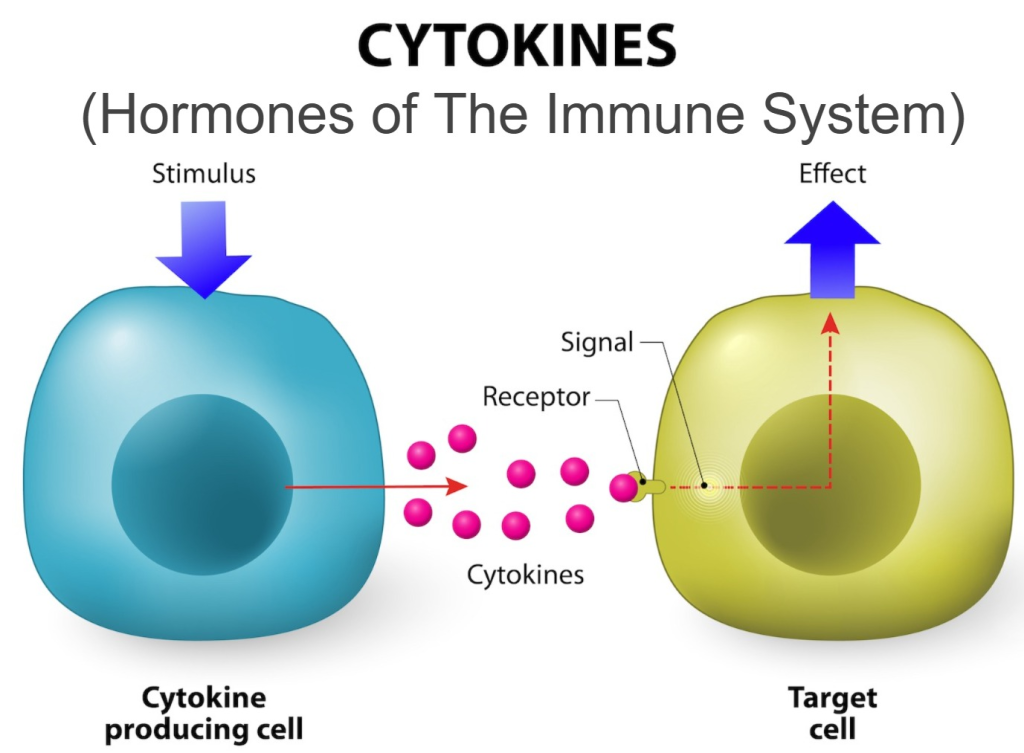
Cytokinase is a substance that is produced by the body’s immune system and enhances the function of the body’s system.
(10) Dysplasia:-
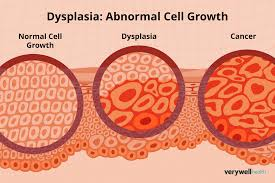
Dysplasia is the abnormal growth of normal cells and their size, shape and arrangement are also greater than normal cells.
(11) Extravasations:-
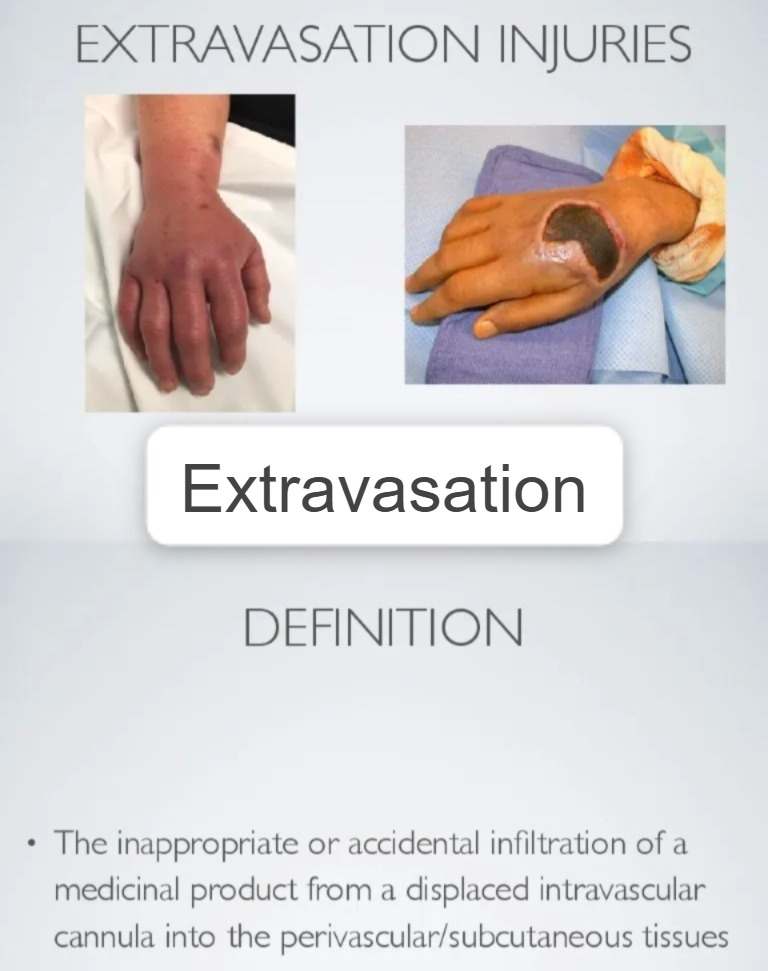
Extravasation is the leakage of medicine from a vein into the subcutaneous tissue.
(12) Grading:-
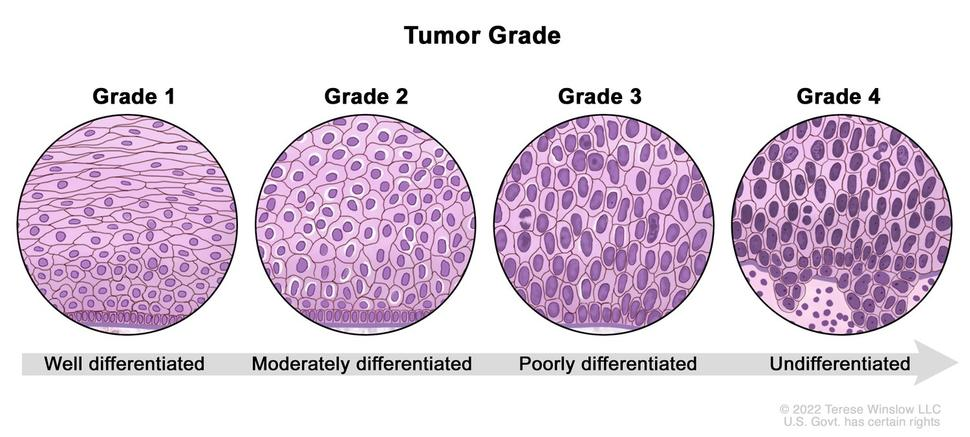
The type of tissue in which a tumor is formed is identified by the degree to which the tumor retains the functional and structural characteristics of the cell. (This involves identifying the type of tissue from which the tumor arises and the degree to which the tumor retains the functional and structural characteristics of the cell).
(13)Hyperplasia:-
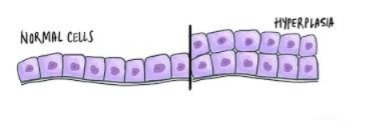
In hyperplasia, the number of cells increases.
(14) Lymphoma (in the lymph nodes):-
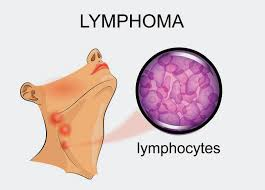
Tumours of lymphocytes occur in the lymph nodes.
(15) Melanoma (in melanoma):-
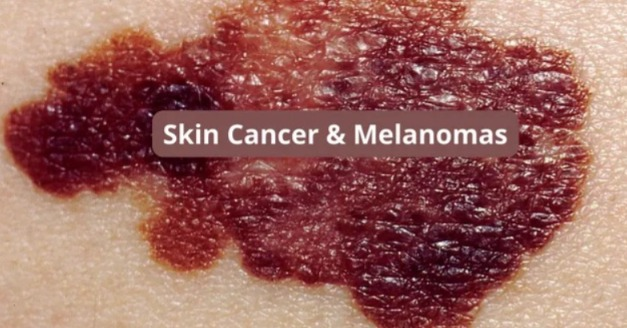
This is the most dangerous form of skin cancer in which melanocytes grow.
(16) Malignant or malignancy (Malignant or malignancy):–
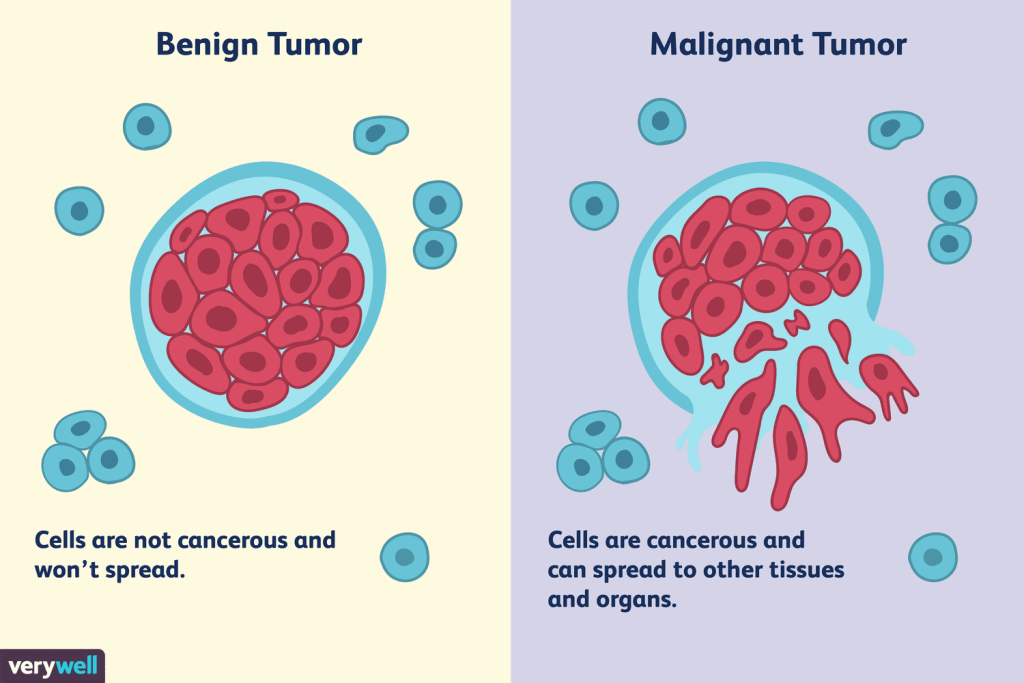
Malignant is a type of tumor, which is fatal, it is cancerous, and is aggressive. It destroys nearby tissues and can also spread to other parts of the body.
(17) Metaplacia:-
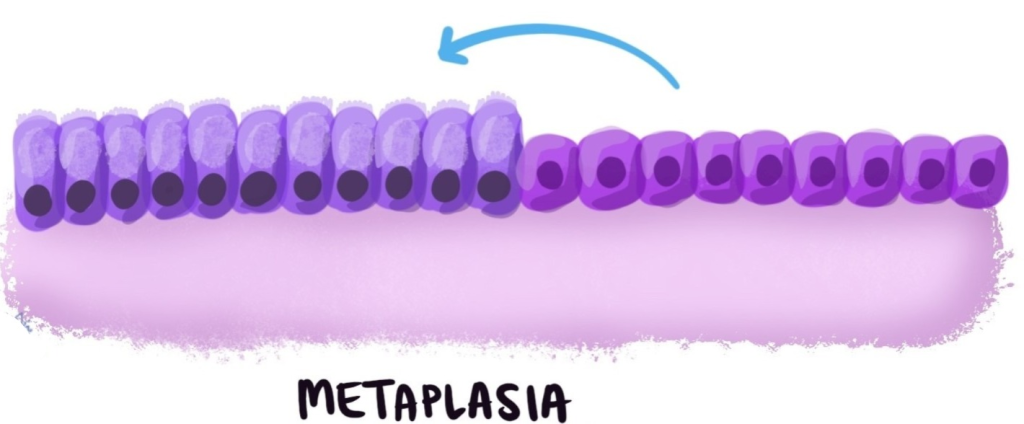
In this, one type of mature cell is transformed into another type.
(18) Metastasis (Metastasis):-
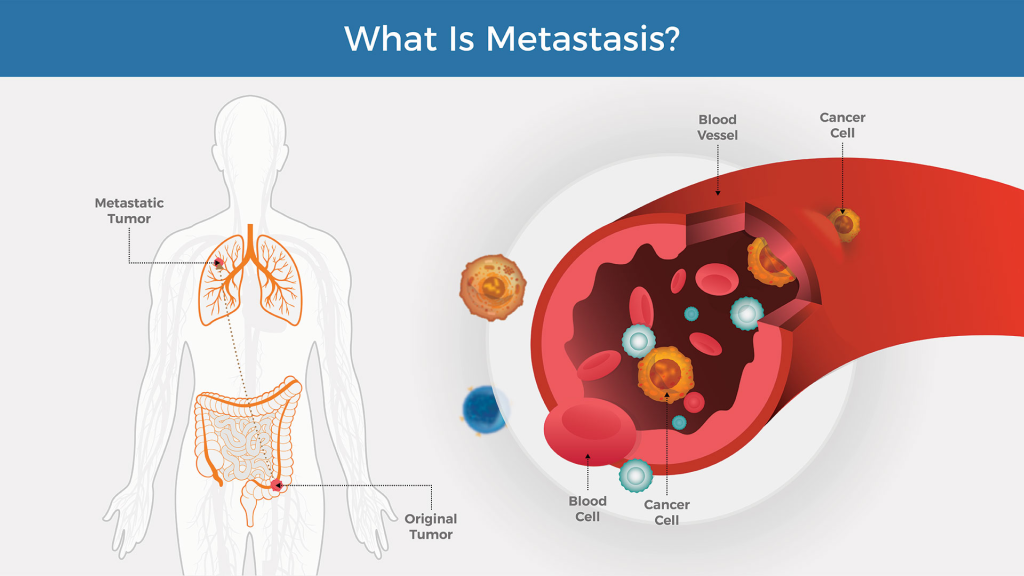
A cell has the ability to migrate from the place where it was created to another part.
(19) Myelosupression :-
This is a type of bone marrow abnormality in which the ability of bone marrow to form RBC decreases, due to which red blood cell formation does not occur and a condition like anemia occurs.
(20) Neoplasm:-
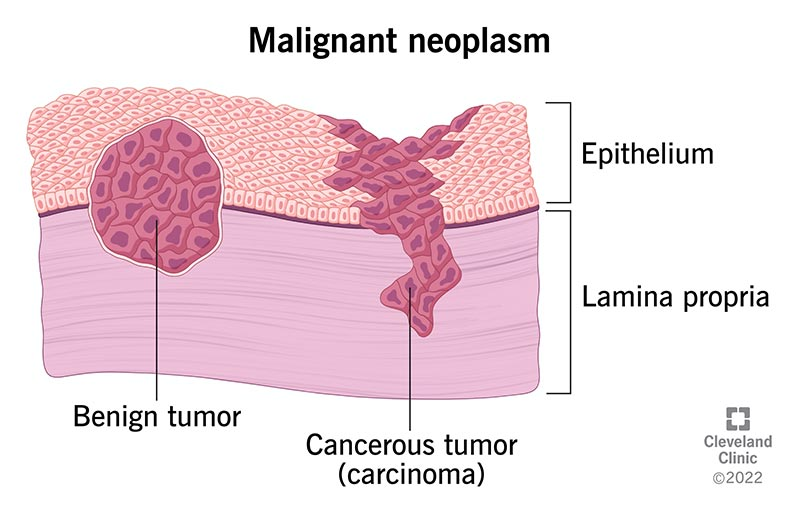
In neoplasms, there is abnormal cell growth and it also damages normal cells.
(21) Neutropenia:-
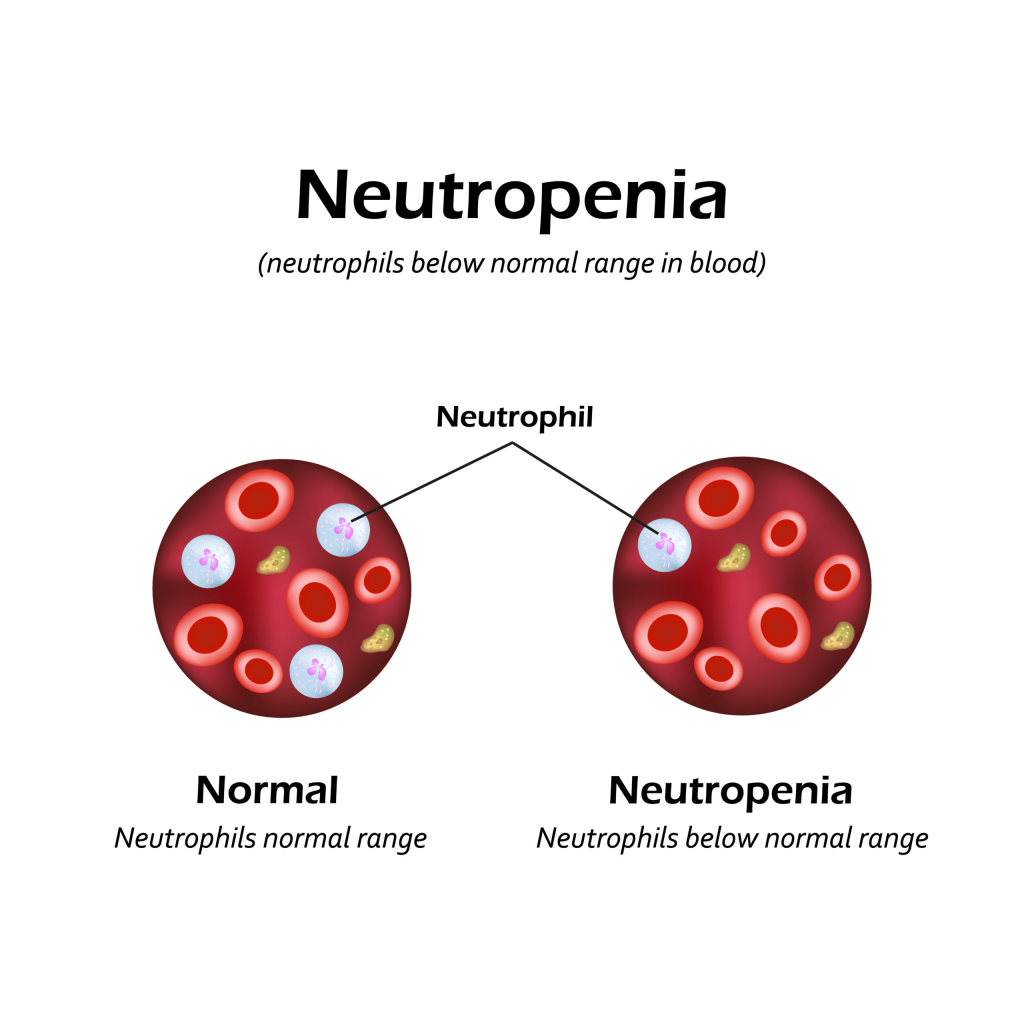
In neutropenia, neutrophils which W.B.C. cells are reduced in number.
(22) palliation:-
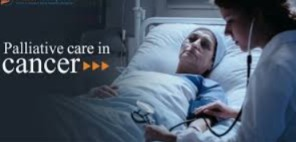
Palliation provides relief from symptoms associated with cancer. There is that kind of therapy.
(23)Radiation therapy :-
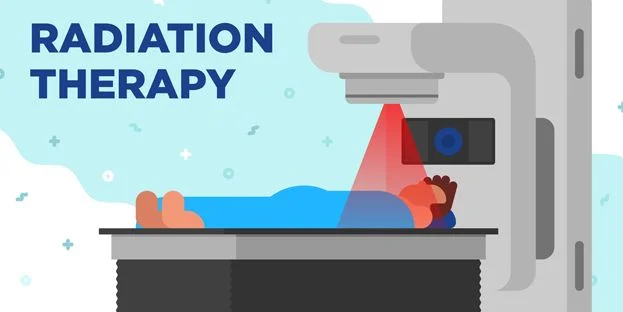
Radiation therapy is given to stop the growth of any cancerous cells. In which radiation is used.
(24) staging:-
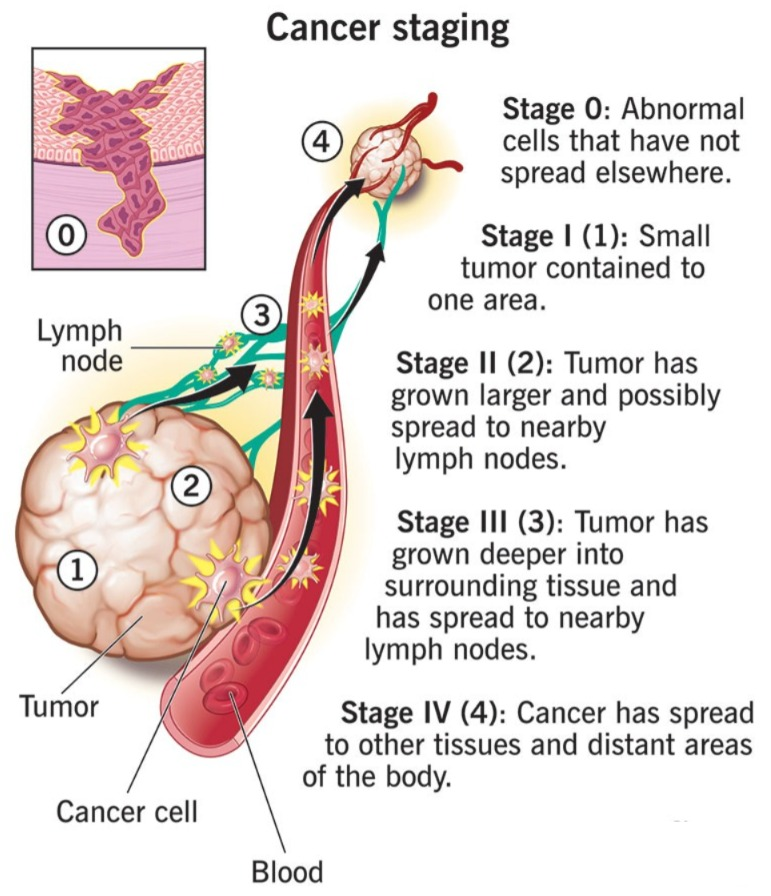
Staging is the process of determining the size and spread of a tumor and its metastasis.
(25) tumor:-
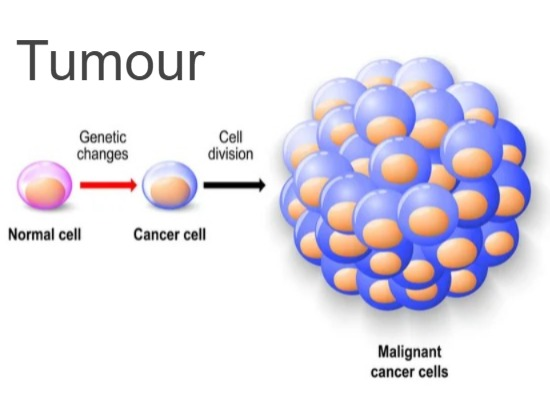
Any of these normal cells undergo abnormal growth And turns into a tumor and sometimes it can be a cancerous tumor.
(26) tumor specific antigen:-
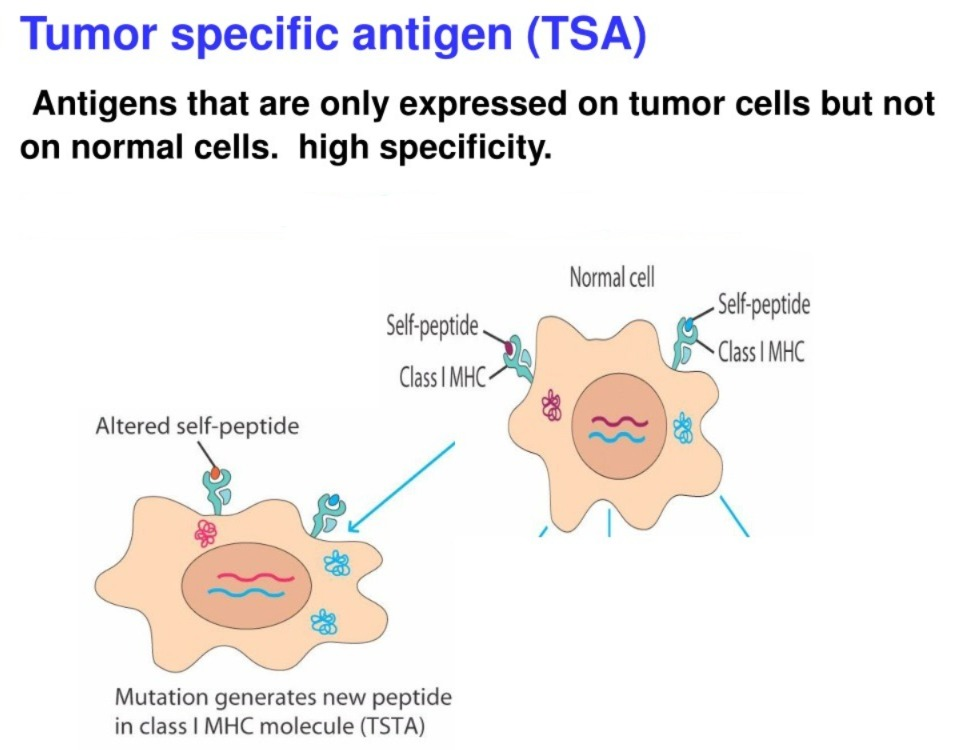
This is a type of protein that is present on the surface of cancerous cells, which is normal and is used to distinguish cancer. And it distinguishes between normal cells and cancerous cells.
(27) vesicant (vesicant):–
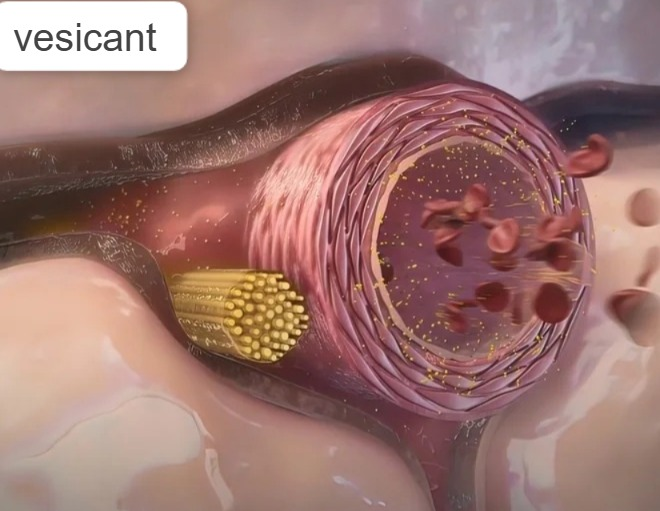
These are substances that cause tissue necrosis and damage it.
(28) xerostomia (Xerostomia):-
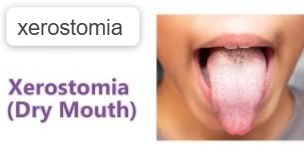
Dryness of mouth occurs due to decreased function of salivary glands.

FOR UNLOCK 🔓 FULL COURSE NOW. MORE DETAILS CALL US OR WATSAPP ON- 8485976407
For unlocking 🔓 the full course or for more information, contact or whatsapp the following number.-
8485976407