ENGLISH-UNIT-4-MSN-II-OPTHALMOLOGY AND OPTHALMIC NURSING(PART-1)
TERMINOLOGY-OPTHALMOLOGY AND OPTHALMIC NURSING
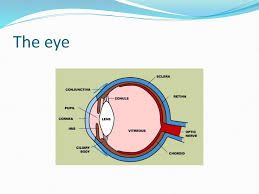
1) Accommodation:
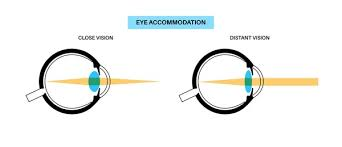
- Accommodation is a process by which the eye changes the curvature of the lens to focus on a clear image in the retina and adjusts it for close distances.
2) Ametropia :
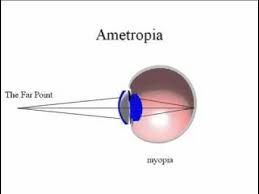
- State of Refraction
3) Aphakia :
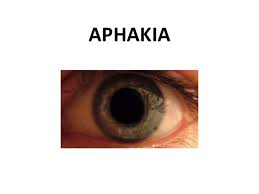
- Absence of natural lens
4) Aqueous humor:
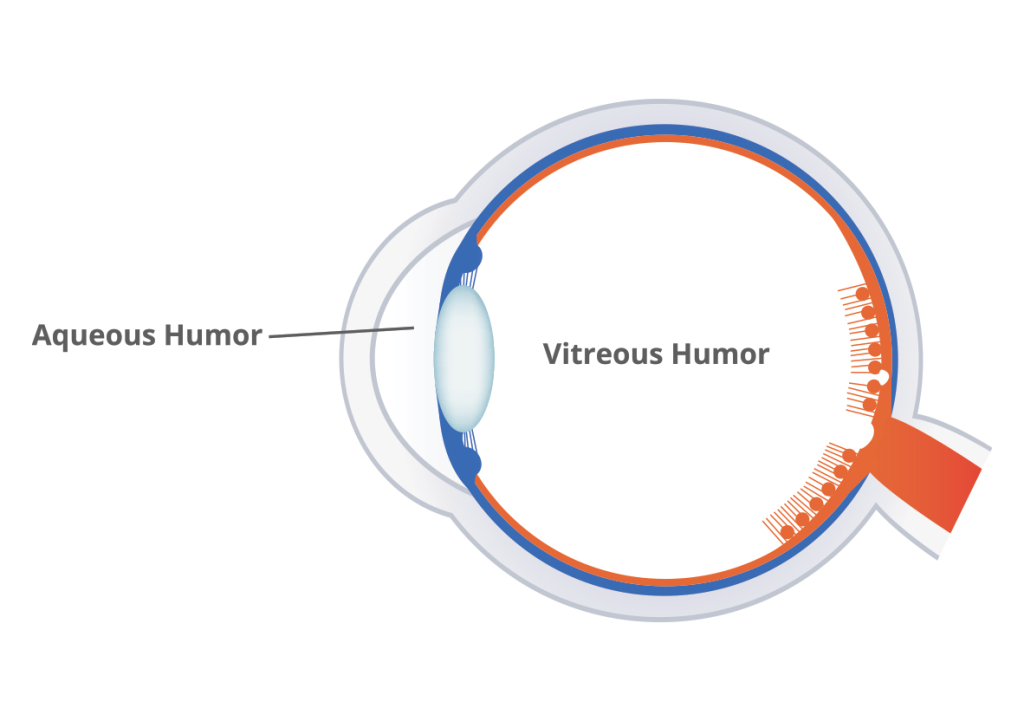
- Aqueous humor is a watery clear fluid that fills the anterior and posterior chambers of the eye.
5) Blepharitis :
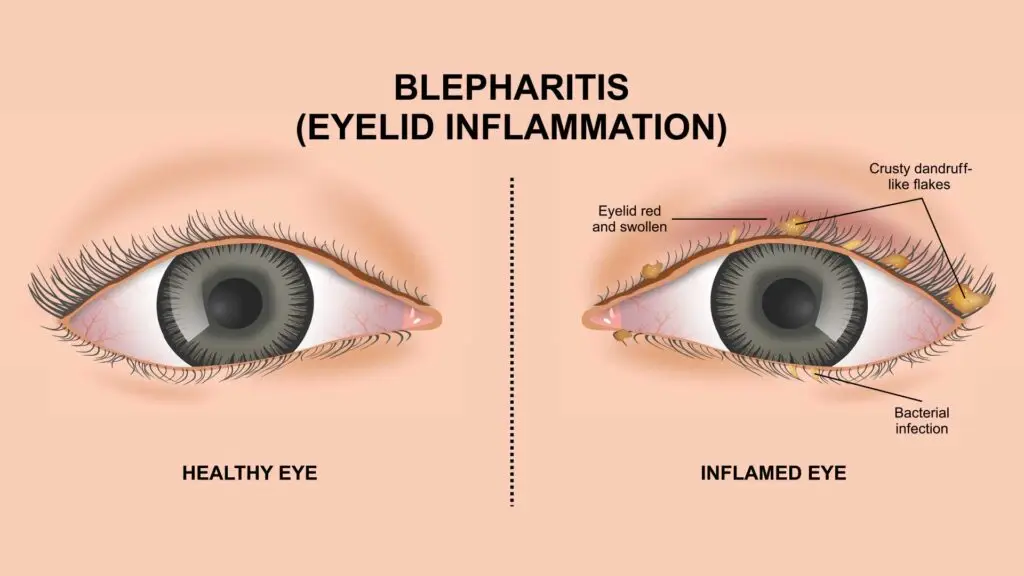
- Inflammation of the Eyelid
6) Blindness :
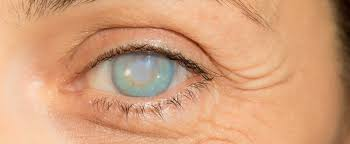
- Complete or Partial Loss of Vision
7) Cataract :
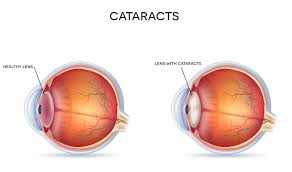
- Clouding of the lens of the eye
8) Chalazion :
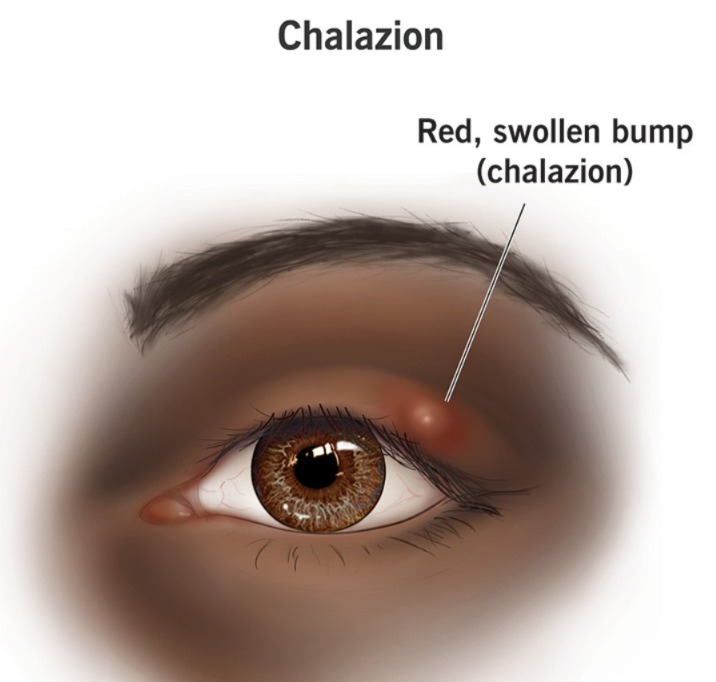
- Painless bump on the eyelid
9) Chemosis :
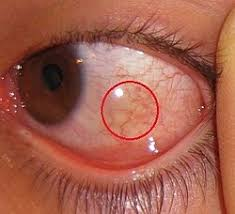
- Swelling of conjunctiva
10) Conjunctivitis :
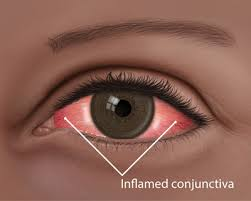
- Inflammation of Conjunctiva
11) Dacryocystitis (Dacryocystitis):
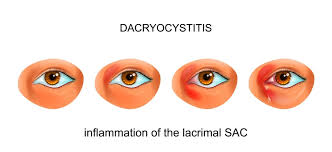
- Infection and inflammation of lacrimal Sec
12) Diplopia :
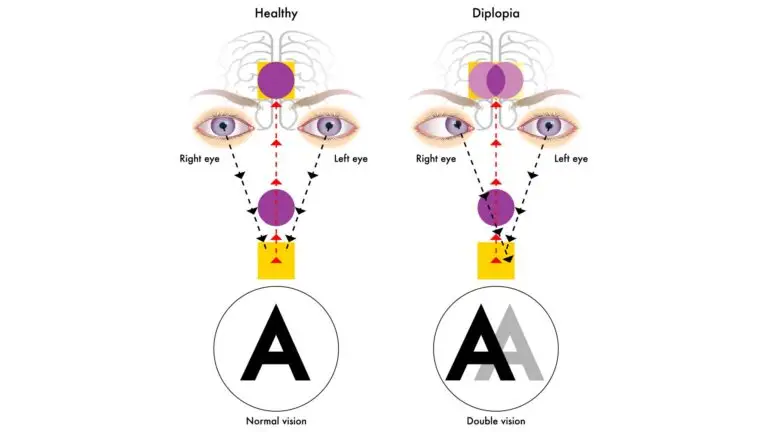
- Double Vision
13) Ectropoin :
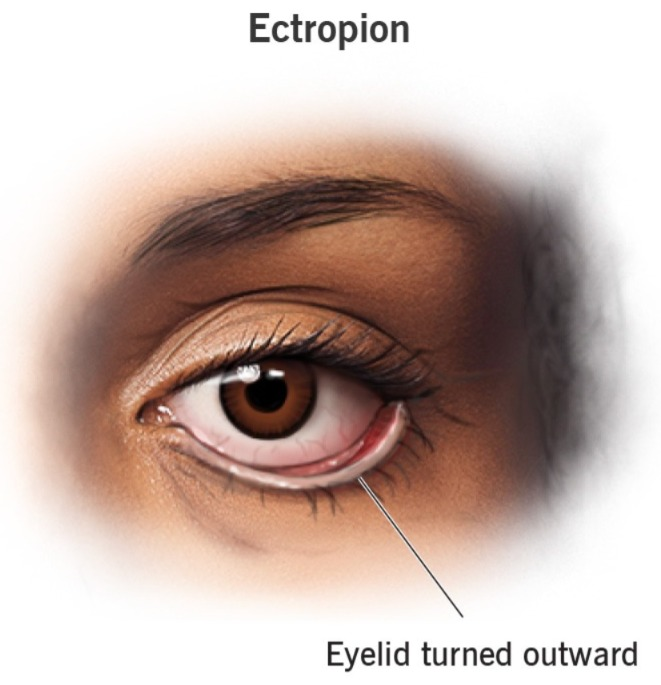
- In ectropion, the eyelid margin rolls outward.
14) Emmetropia (Emetropia) :
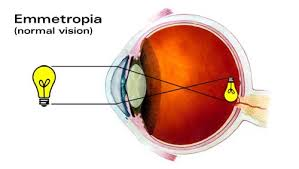
- Absence of refractive error (normal optical condition of eye)
15) Enucleation :
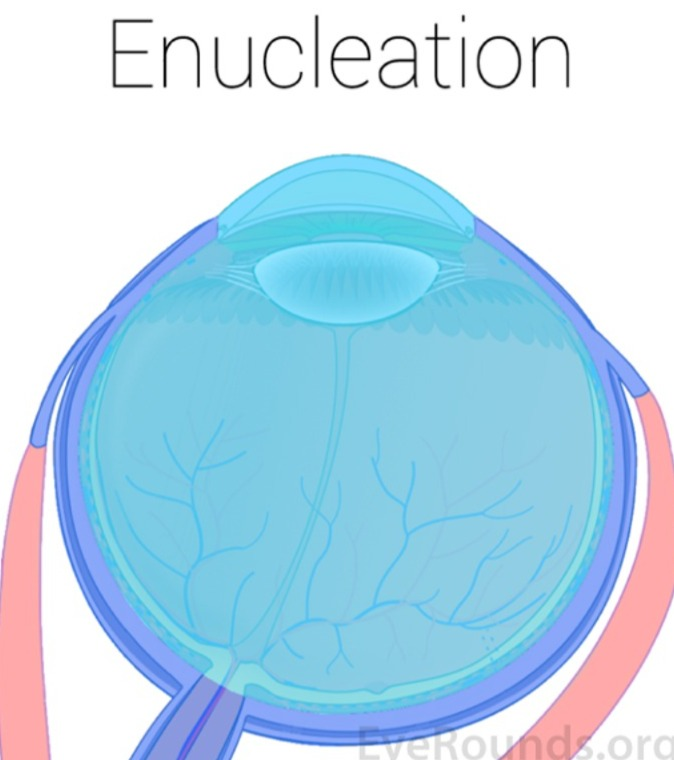
- To completely remove the eyeball and optic nerve.
16) Entropion:
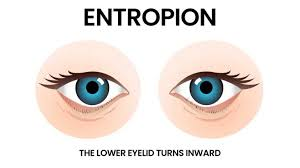
- In entropion, the eyelid margin rolls inward.
17) Epiphora :
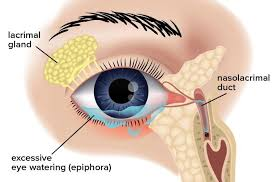
- Excessive tearing
18) Exenteration:
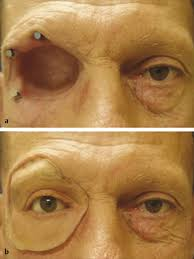
- Surgical removal of entire Content of Orbit
19) Glucoma:
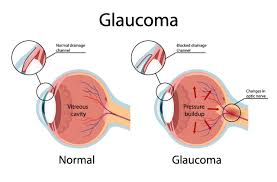
- Glaucoma is a group of disorders characterized by high intraocular pressure, optic nerve dystrophy, and peripheral visual field loss
20) Hyperemia :
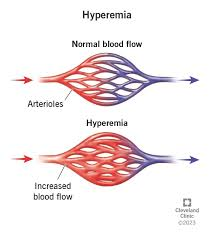
- Increases blood flow to the particular Area
21) Hypermetropia:
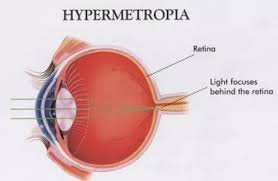
- This is a type of refractive error. In which distant objects appear clear while nearby objects appear blurry.
22) Keratitis :
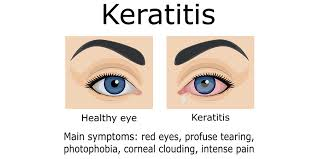
- Inflammation of the Cornea
23) Miotics :
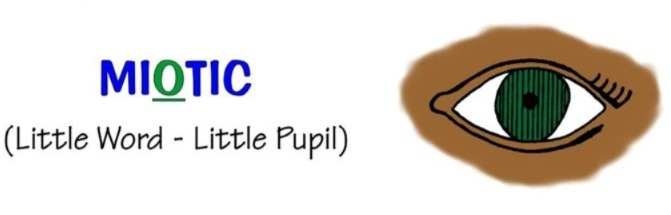
- A drug used to constrict the pupil is known as a miotic. is.
24) Mydriatics :
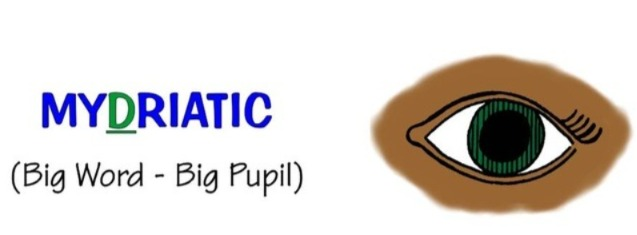
- Drugs used to dilate the pupil are known as mydriatics.
25) Myopia :
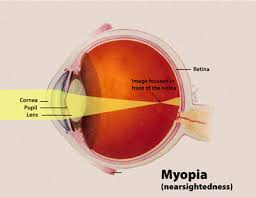
- Myopia is a type of refractive error in which near objects appear clear while distant objects appear blurry.
26)Nystagmus (nystagmus) :
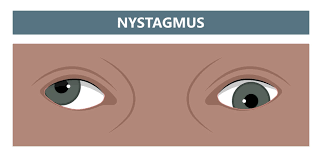
- Involuntary Eye Movement
27) Photophobia:
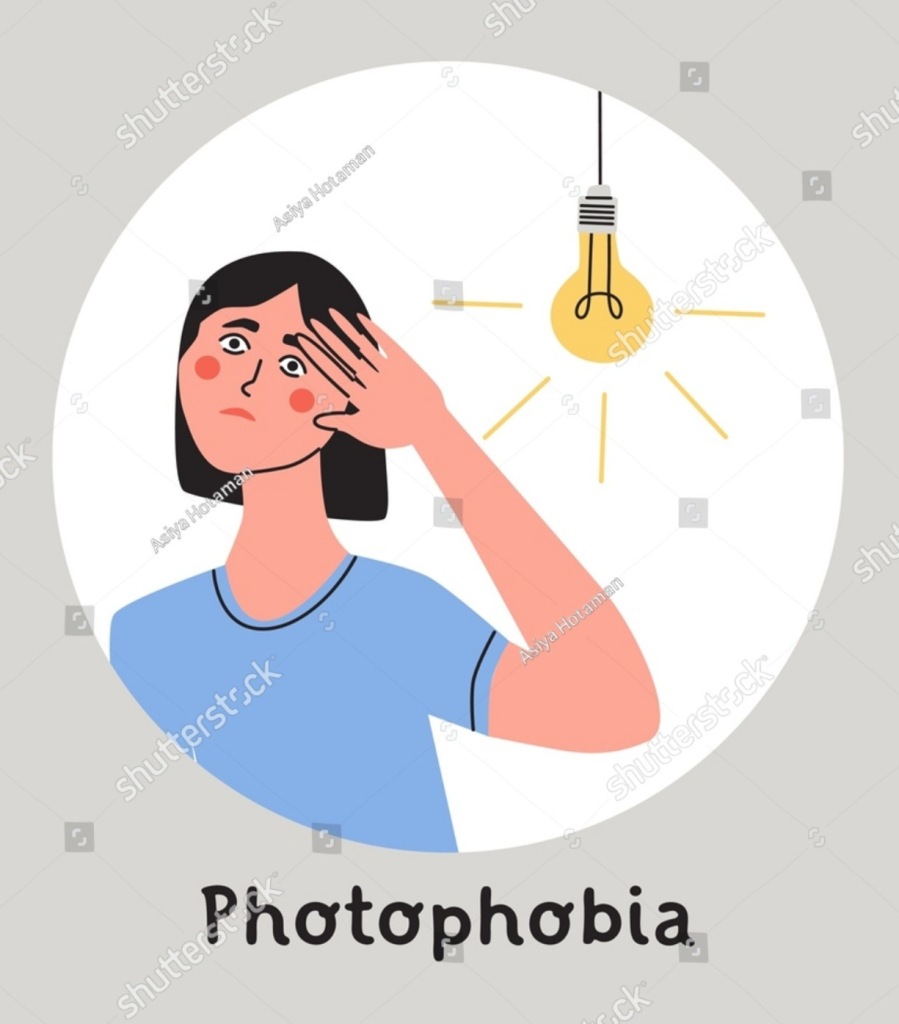
- Sensitivity to Light
28) Presbyopia :
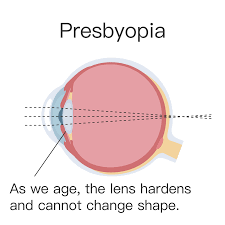
- Presbyopia is a common age-related problem in which the lens loses its ability to focus on close objects, causing problems with seeing up close.
29) Proptosis :
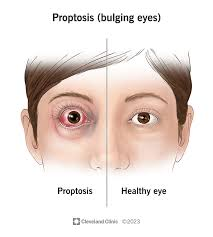
- Proptosis, also known as exophthalmos, is a medical condition in which one or both eyeballs protrude or bulge out of the eye socket.
30)Pterydium (Pteridium) :
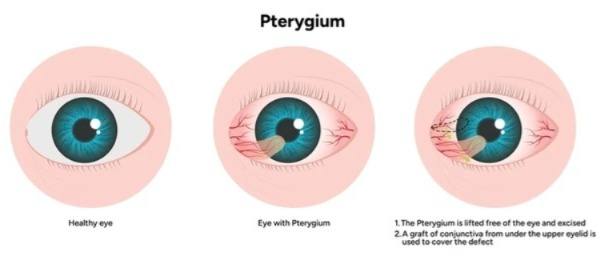
- Growth of Pink & Fleshly tissue on conjunctiva
31) Ptosis (ptosis) :
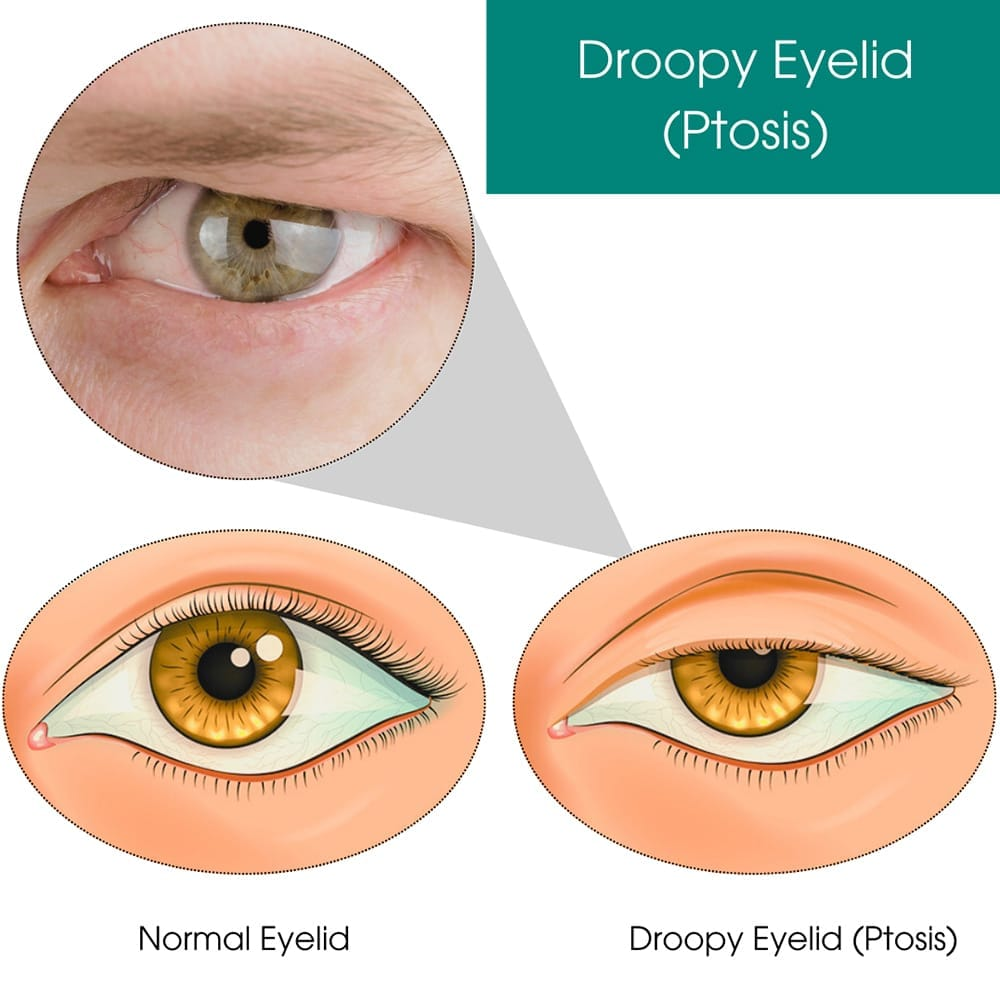
- Drooping of the eyelid
32) Refractive error:
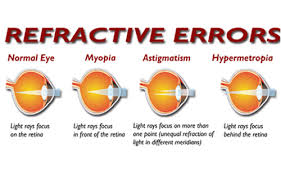
- Abnormality in Refraction
33) Retinal detachment :
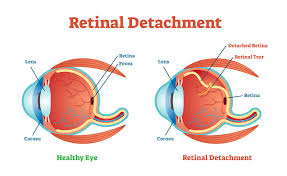
- In retinal detachment, the retina moves from its original position.
34) Strabismus (strabismus):
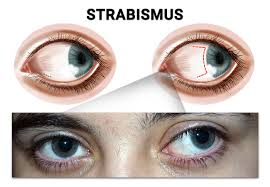
- Strabismus is a vision condition in which the eyes are not properly aligned.
35) Trachoma (Trachoma) :
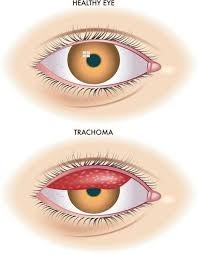
- Trachoma is a contagious bacterial eye disease caused by the bacteria Chlamydia trachomatis.
36) Uveitis (Uveitis):
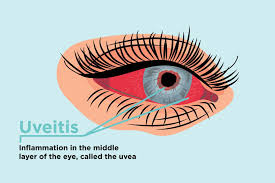
- Inflammation of the uvea is known as uveitis. (The uvea is the middle layer of the eye)
37) Vitreous humor:
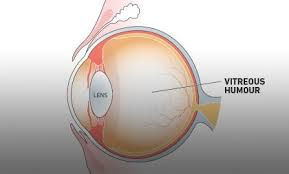
Vitreous humor is a gelatinous material that fills the area behind the lens in the eyeball.