ENGLISH-Unit-12-neurological Disorder(deepali)(part-4)(UPLOADED)
Explain/Define the CVA . Define CVA.
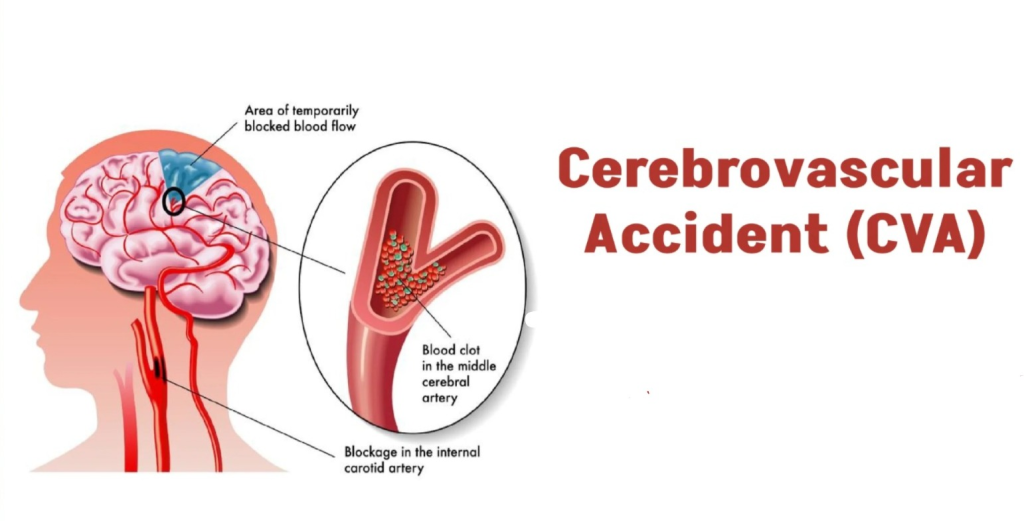
- CVA it’s called Verebrovascular Accident ( Cerebro Vascular Accident).
- Cerebrovascular accident is also called stroke.
- Stroke is also often called brain attack (“Brain Attack”).
- Cerebrovascular accident is a condition in which the brain cells, tissues and any particular brain part are not supplied with sufficient oxygen due to insufficient blood supply, which leads to infraction (death of the brain tissues) of the brain part. Therefore, the brain That part cannot function properly and the body functions that are performed by that part of the brain are also impaired.
Explain the Classification of the Cerebrovascular Accident. Explain the classification of cerebrovascular accident.
Ischemic stroke:=
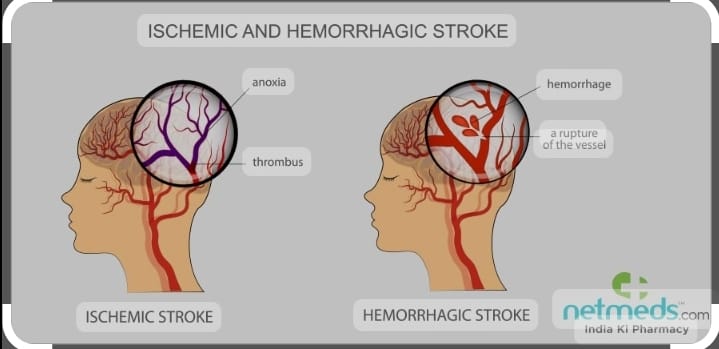
- This type of stroke occurs due to interruption of blood supply to the brain.
Thrombotic Stroke:=
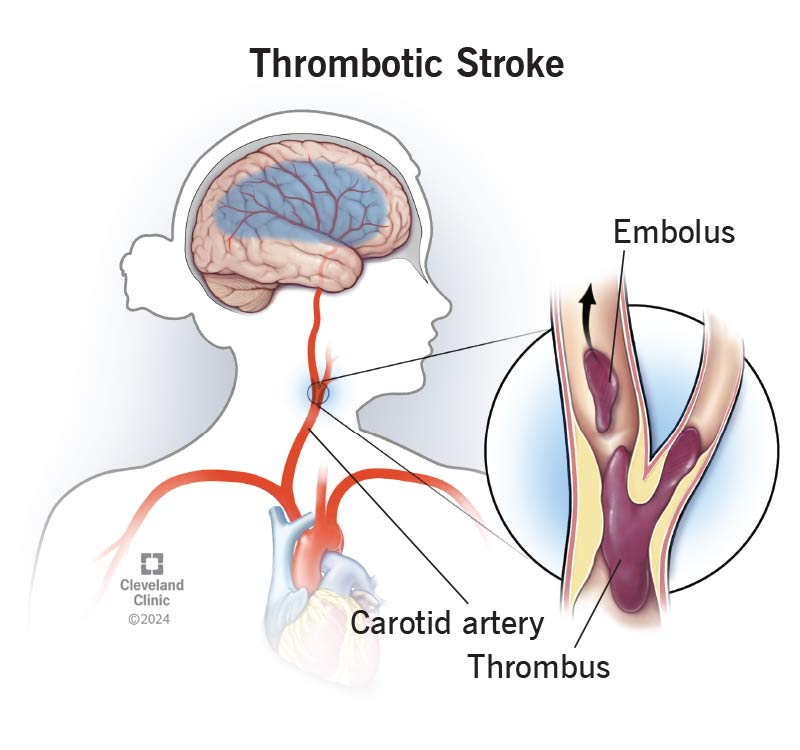
- This type of stroke arises due to the formation of a blood clot in one or more blood vessels of the brain, causing a condition called thrombotic stroke.
Embolic Stroke:=
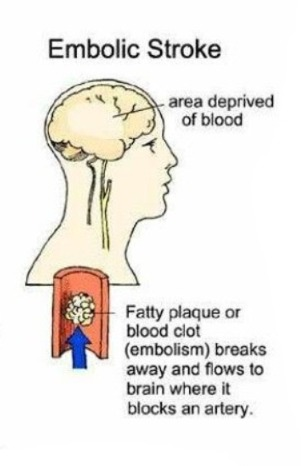
- In this stroke, a blood clot forms in any of the blood vessels of the body and that blood clot travels to the blood vessels of the brain and then the traveled blood clot gets stuck in the vessels of the brain, then an embolic stroke occurs.
Hemorrhagic Stroke:=
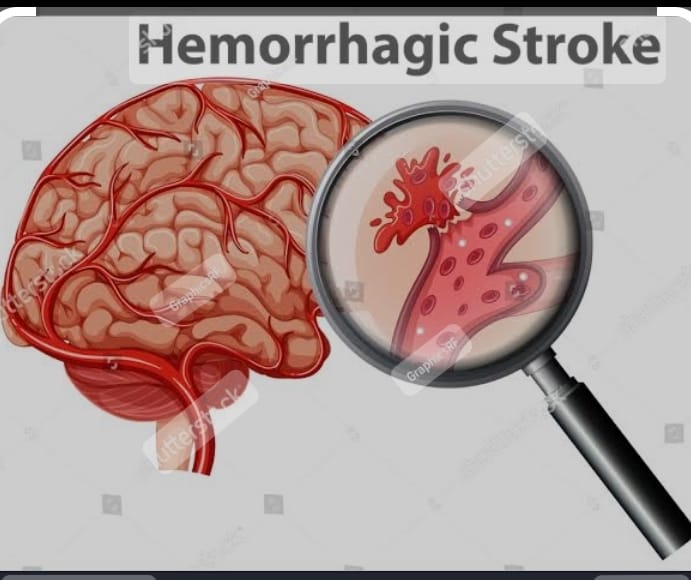
- A hemorrhagic stroke occurs when any of the cerebral vessels rupture due to any reason, causing blood to flow into the brain. Bleeding occurs and due to this the condition of hemorrhagic stroke arises.
Explain the Etiology/ cause of the Cerebrovascular Accident. Explain the causes of the Cerebrovascular Accident.
- Due to hypertension.
- Due to any heart related disease Ex:= coronary artery disease.
- Due to diabetes mellitus.
- Due to congestive heart failure.
- Due to ischemia.
- Due to obesity.
- Due to stress.
- Due to increased cholesterol levels.
- Artrial fibrillation.
- Due to cigarette smoking.
- Due to cocaine use.
- Due to alcohol consumption Due to.
- Due to fatty cholesterol deposits in the artery walls.
- Due to any kidney disease.
- Due to blood clotting disorders.
- Due to rheumatoid arthritis.
- Due to systemic lupus erythematosus.
Explain the clinical manifestation/signs and symptoms of the patient with the CerebroVascular Accident. Describe the symptoms and signs of a patient with cerebrovascular accident.
- Weakness in facial muscles.
- Numbness.
- Headache.
- Respiration becomes irregular.
- Weakness on one side of the body Coming.
- Confusion.
- Memory loss.
- Changes in mental status.
- Difficulty swallowing (Dysphagia).
- Difficulty walking (Gait Ataxia).
- Dizziness.
- Loss of balance and coordination.
- Loss of vision in one eye.
- Slurred Speech (Dysarthia).
- Change in alertness.
- Loss of bowel and bladder control.
- Personality, mood, and emotional changes Agnosia (the person cannot identify anything). Aphasia (inability to speak). Hemiplegia (paralysis of half of the body). Neck stiffness. (Nuchal rigidity)
- Being disoriented.
Explain the Diagnostic evaluation of the patient with the Cerebro Vascular Accident. Explain the diagnostic evaluation of a patient with cerebrovascular accident.
- History taking and physical examination.
- Neurological examination (Glasgow coma scale).
- Angiography.
- Laboratory tests.
- Blood tests for assessing the Cholesterol Level.
- Computerized Tomography (CT Scan).
- Carotid Doppler Ultrasound.
- Complete Blood Count (CBC Test).
- Magnetic Resonance Imaging.
Explain the medical management of the patient with the Cerebro Vascular Accident. Explain the medical management of a patient with cerebrovascular accident.
1) provide Thrombolytic Agent to the patient.
- Thrombolytic agent breaks down blood clots formed in blood vessels and provides space for blood flow to the particular part.
- Provide Tissue Plasminogen Agent (tPA) to the patient in thrombolytic agent.
2) provide Anticoagulant drug to the patient.
- Anticoagulant drugs prevent the formation of blood clots and play a role in maintaining blood supply.
- Ex:= Heparin,Warfarin.
3) Provide Antiplatelet drug to the patient.
- This medicine prevents the aggregation of platelets, due to which blood clots do not form.
4) Provide Diuretics medication to the patient.
- If there is accumulation of fluid, then provide diuretic medicine to the patient to remove it and decrease intracranial pressure.
5) Continuously monitor the patient’s vital signs.
6) Provide supplementary oxygen to the patient.
7) If the patient is having severe headaches, provide the patient with painkiller meditation.
8) Advise the patient to make lifestyle modifications.
Explain the Surgical management of patients with the CerebroVascular Accident. Explain the surgical management of patients with the Cerebro Vascular Accident.
- Surgery is mainly performed to repair ruptured blood vessels and to remove blood clots if they have formed in the blood vessels.
Explain the Nursing management of patients with the Cerebro Vascular Accident. Explain the nursing management of a patient with cerebrovascular accident.
- 1) Ineffective Cerebral tissues percussion related to interruption of blood supply.
- 2) Impaired physical mobility related to Neuromuscular Impairment.
- 3)Impaired Verbal communication related to loss of facial muscles tone.
- 4) Knowledge deficit related to Disease condition and treatment.
Nursing management
- Assess the patient’s neurological status.
- Advise the patient to take proper rest.
- Properly provide oxygen to the patient.
- Properly monitor the patient’s vital signs.
- Frequently change the patient’s position.
- Advise the patient to speak slowly.
- Advise the patient to limit activity.
- Advise the patient to take medication properly.
- Maintain the patient’s hydration status properly.
- Maintain the patient’s nutritional status properly.
- Advise the patient to do daily routine activities in small amounts.
- Provide analgesic medicine if the patient is in pain.
- Properly collaborate with other health care personnel for proper care of the patient.
- Provide occupational therapy, physical therapy, speech therapy to the patient.
- Advise the patient to avoid fatty foods Give.
- Advise the patient to avoid smoking and alcohol.
- Advise the patient to exercise regularly.
- Advise the patient to maintain their blood cholesterol level in the normal range.
- Assess the patient’s proper glass go-come scale.
- To exercise the patient properly Giving advice.
- Advising the patient to speak in small amounts.
- Advising the patient to reduce weight if he is obese.
- Advising the patient to take proper medication.
- Advising the patient to take proper follow-up.
Explain/Define the Brain injury. Define brain injury.
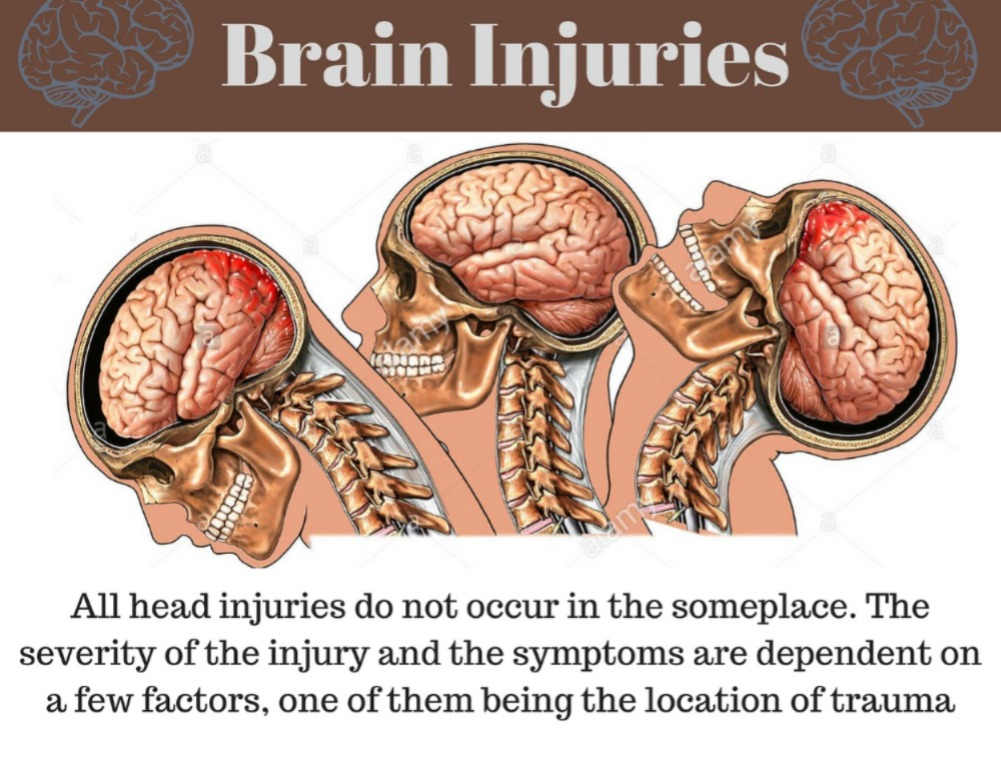
- Brain injury is a condition in which the tissues of the brain are damaged. It is mainly caused by It is caused by trauma, stroke and various other medical conditions.
- Brain injury is a condition in which when any external mechanical force is applied to the brain, the function of the brain is temporarily or permanently impaired. Along with this, disability is also seen in the function of the brain, which is called brain injury.
Explain the Etiology/ cause of the brain injury .(Tell the reason for the brain injury.)
- Head injury.
- Head trauma.
- Fall down.
- Penetrating injury.
- Stroke.
- Infection.
- Due to tumor.
- Due to neurological disease.
- Due to intracranial hemorrhage.
- Due to hypoxia.
- Due to skull fracture.
- Due to neurological disease.
- Due to Alzheimer’s disease.
- Due to multiple sclerosis.
- Due to degenerative diseases.
- Due to toxic effects.
Explain the types of Brain injury. Name the types of brain injuries.
There are mainly three types of brain injuries.
- 1) Contusions,
- 2) Concussions,
- 3) Hematoma
Subdural hematoma (subdural hematoma),
Epidural hematoma (Epidural hematoma).
1) Contusions,
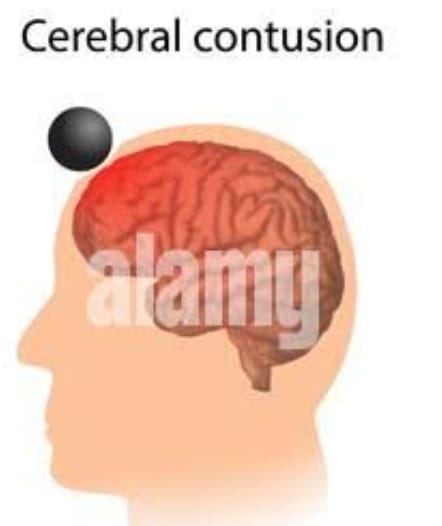
- Contusions are a major type of head injury. The most common type of brain injury is caused by a movable object hitting the head. This causes damage to the brain tissue, which can lead to brain trauma and internal bleeding, i.e. internal hemorrhage and blood entering the cerebrospinal fluid (CSF). Absorbed, causing permanent brain damage and rendering the person unconscious.
2) Concussions,

- Concussions are a mild type of brain injury. No structural damage is seen in this. No brain tissue is injured in this. Due to mild brain damage, there is a temporary loss of neurological function and in this injury, the person becomes unconscious for only five minutes.
3) Hematoma ( Hematoma )
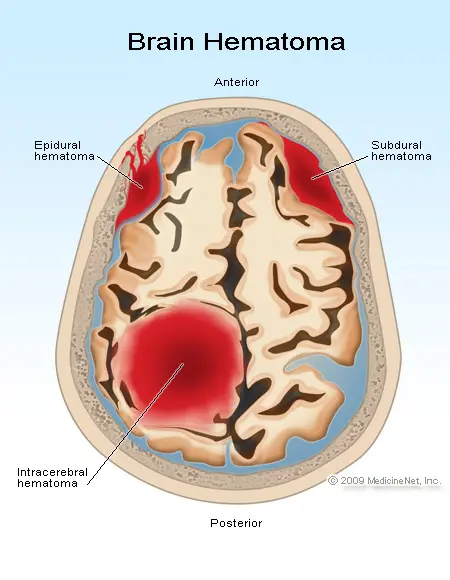
- Hematoma is caused by intracranial hemorrhage. It involves internal bleeding and blood clots. This clotted blood is called a hematoma. There are two other types of hematoma.
Subdural hematoma (subdural hematoma),
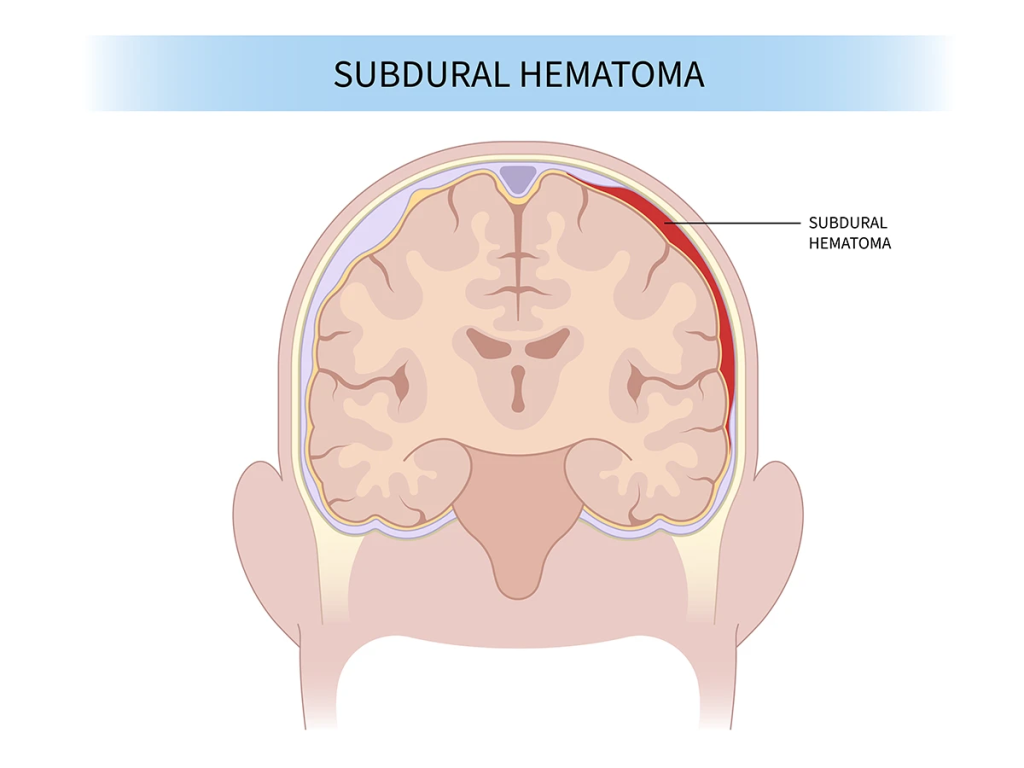
- If a blood clot forms in the subdural space of the brain, it is called a subdural hematoma.
Epidural hematoma
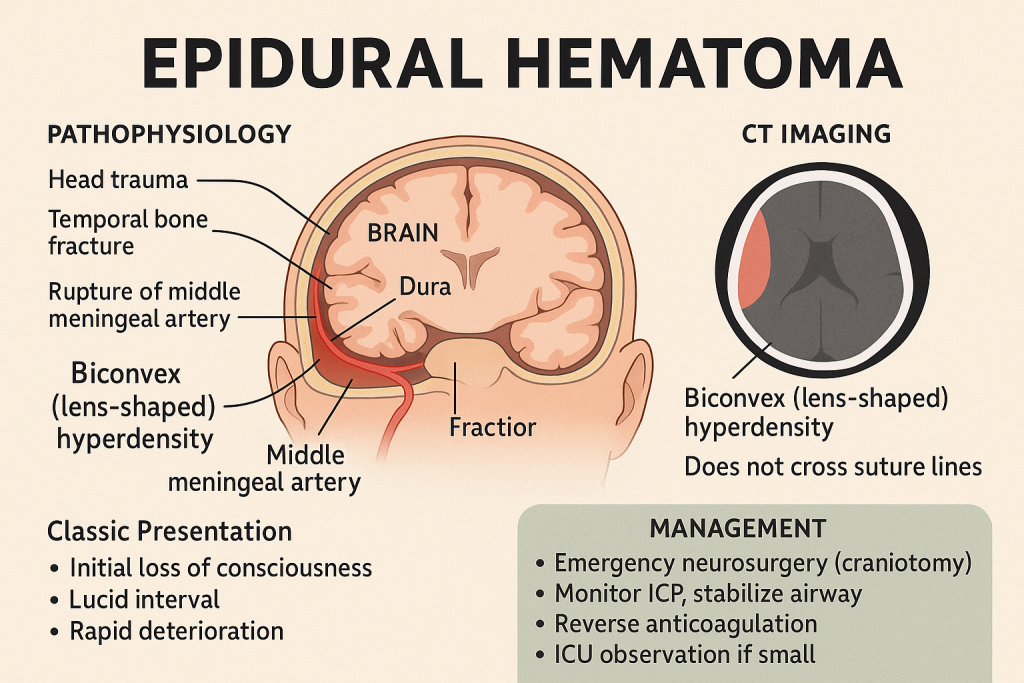
- If blood clots in the epidural space, it is called an epidural hematoma.
Explain the clinical manifestation/signs and symptoms of the patient with the head injury. Describe the symptoms and signs of a patient with a head injury.
- Consciousness of the patient being disturbed.
- Increase in intracranial pressure.
- Headache.
- Dizziness.
- Stunning.
- Nausea and Vomiting.
- Pupillary abnormality.
- Changes in vital signs.
- Tachycardia,
- Tachyapnia.
- Alteration of gag reflex.
- Sensory, visual, and hearing impairment.
- Mental function disturbance.
- Paralysis.
- Sleep disturbance.
- Personality change.
- Hemiplegia.
- Difficulty concentrating.
- Increases mood swings.
- Fatigue.
- Sleep pattern disturbance.
- Internal bleeding.
- Bleeding from the ears and nose.
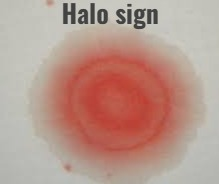
- ” Halo sign (leakage of cerebrospinal fluid in the linen and blood around it) ” is seen.
Explain the Diagnostic evaluation of the patient with the brain injury. Explain the diagnostic evaluation of the patient with the brain injury.
- History taking and physical examination.
- X-rays .
- Ct scan.
- MRI.
- PET ( Positron Emission Tomography ).
- Angiography .
- Neuropsychological test.
- Lab investigation.
Explain the management of the patient with the head injury. (Explain the management of a patient with head injury.)
- Keep the patient’s airway properly patent.
- Provide the patient with adequate oxygen.
- Provide the patient with proper ventilatory support.
- Keep the patient’s head elevated at a 30° angle.
- Keep the patient’s head and neck in a neutral position.
- Maintain the patient’s body temperature properly.
- Provide the patient with adequate amounts of fluids.
- Provide sedation if the patient is agitated.
- Provide the patient with osmotic diuretic medicine. To do.
- Ex:= Inj.mannitol, Syrup glycerol and glucocorticoid.
- If the patient has an infection, then provide antibiotic medicine.
- If the patient has seizures, then provide antiepileptic medicine.
- Maintain fluid and electrolyte levels in the patient.
- Provide nutritional support to the patient To do.
- If the patient is in pain, provide analgesic medicine.
- Properly monitor the patient’s vital signs.
- Advise the patient to take complete bed rest.
- If the patient has inflammation in the brain, provide corticosteroid medicine.
- Patient’s arterial blood gas Perform proper analysis (ABG Analysis).
- Provide adequate amount of fluid to the patient.
- Properly monitor the patient’s serum electrolyte level.
- Properly provide skin care to the patient.
- Assess the patient’s cognitive level.
- Properly Provide psychological support.
- Provide proper work and comfortable environment to the patient.
- Provide proper medication to the patient.