ENGLISH PEDIATRIC UNIT 4 PART 4
BEHAVIOURAL AND COMMON DISORDERS
Explain/Define road traffic accident in children
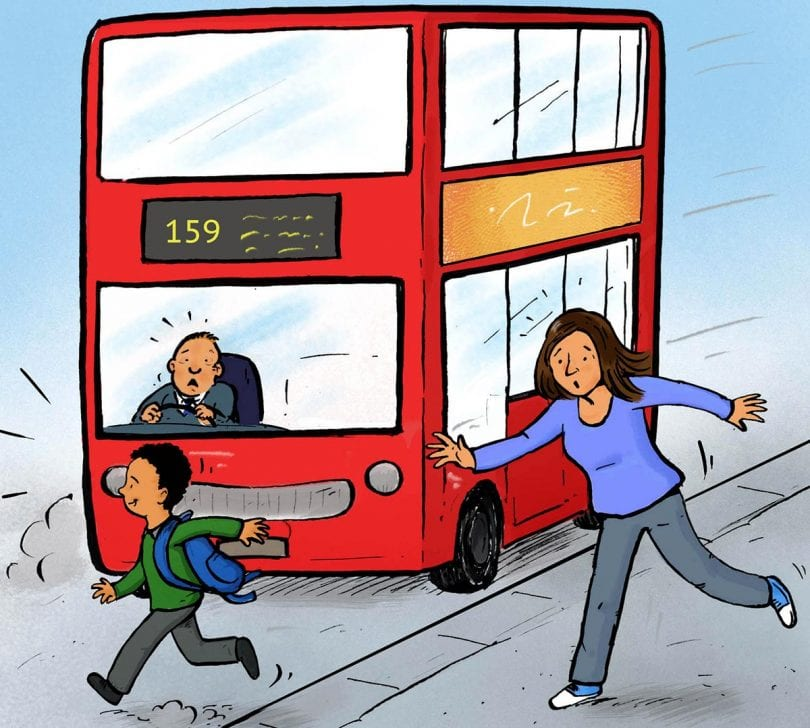
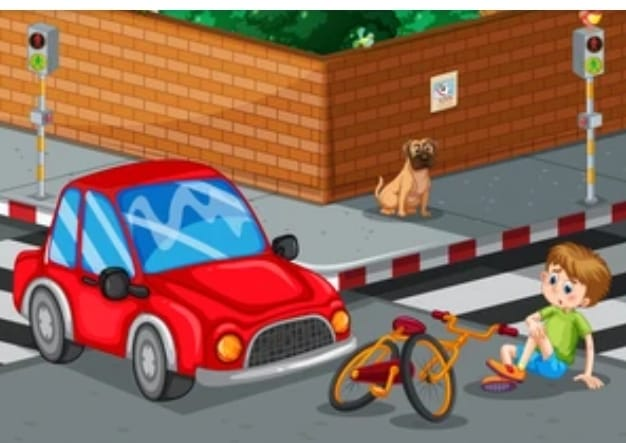
Road Traffic Accident (RTA) involving children. An accident is an unexpected event in which a child may be injured or killed. Involvement of an incident on the road involving a child and resulting in injury or damage to the child. Accidents can occur while walking, cycling, or traveling in vehicles.
RTAs can be caused by a variety of factors, such as reckless driving, poor road conditions, playful drifting on the road, or inadequate safety measures.
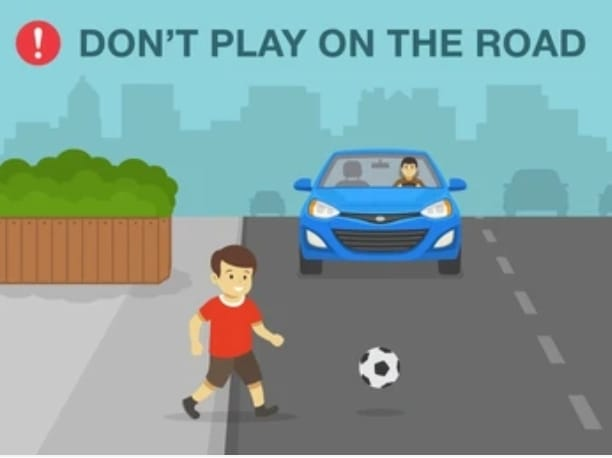
Road traffic accidents or vehicle accidents are a major cause of mortality in the pediatric population.
Explain the Etiology/ Causes Road Traffic Accident in Children
- Due to lack of education about road safety,
- Due to inadequate supervision,
- Due to cycling on the road i.e. bicycles and tricycles,
- Due to deglutition of parents,
- Due to the lack of super vision,
- Children while playing on roads, streets and colonies,
- Being ignorant of traffic rules,
- Due to improper driver behavior like reckless driving,
- Speeding, driving after consuming alcohol and drugs, etc.
- Due to low traffic signal,
- Due to non-proper use of safety measures,
- Due to environmental factors.
Explain the sign and symptoms/ clinical manifestation of the road traffic accident in children
- Physical injuries such as minor cuts,
- Bruising, aberrations, and fractures in severe injuries, head trauma, internal bleeding, spinal cord injury, visible wound swelling, redness, difficulty in moving, etc.
- Emotional symptoms such as,
- Fear, anxiety, shock, post-traumatic stress disorder, agitation, irritation, etc.
- Contusions can cause nausea, vomiting, confusion, sensitivity to light and noise, mood and behavioral changes, etc.
- Neck injury,
- Being Neck Stephenish,
- neck pain,
- get dizzy
- solder pain,
- Neck range of motion decreases,
- Abdominal injuries such as abdominal pain,
- Abdominal tenderness, swelling, bruising, and psychological symptoms are seen.
Explain the diagnostic evaluation of the road traffic accident in children
- History taking and physical examination,
- vital sign monitoring,
- imaging studies,
- x ray,
- CT scan,
- MRI,
- laboratory test,
- blood test,
- Neurological Assessment,
- Orthopedic Examination,
- Abdominal Examination,
- Psychological Assessment.
Explain the management of the road traffic accident in children

Advising parents not to let children play in the street.
Provide proper education to the child on how to cross the road safely.
Advise the child not to walk or play where the car is being reversed.
Do not encourage a child to ride a bicycle or tricycle on the road.
Providing education to the child about the benefits of safety measures like seat belts, helmets.
Implementation of Rules
Advising drivers to follow traffic rules regularly like regular wearing of helmets,
Advising the driver not to consume alcohol while driving.
Advising the driver not to drive faster than the recommended speed.
Advising drivers to get their vehicles checked regularly.
Advising on compulsory wearing of seat belts.
Ask children to avoid sitting on the front sheet of the car.
Availability of first aid in all vehicles. And the driver should keep information about first aid properly.
Giving advice to children to avoid walking, cycling and playing on the road.
Advise the parents to provide proper work and comfortable environment to the child and provide education about road traffic accident.
Explain/Define Obesity in children.
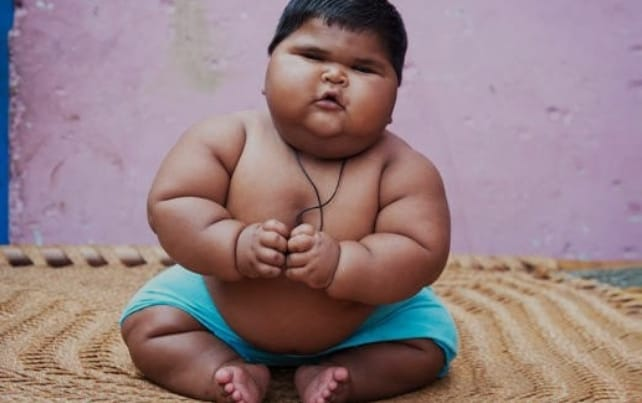
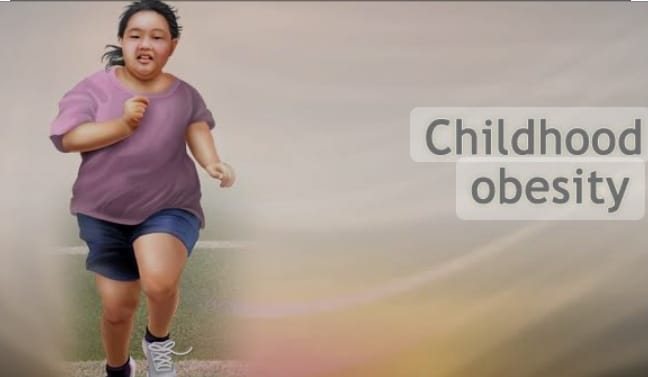
Obesity is a medical condition characterized by subcutaneous accumulation of body fat in children.
Excessive accumulation occurs in tissues and other parts of the body. Overweight in children is said when the child’s weight increases by 110% from the standard weight. And obesity is called when a child’s weight increases by 120% from the standard weight.
Body mass index (BMI) is a useful screening parameter to measure child obesity.
BMI (Body Mass Index) = Weight in kg/(Height in meter)2
BMI is
Underweight < 18.5 kg/m2,
Normal range 18.5-24.9 kg/ m2,
Over weight 25.0-29.9 kg/m2,
Obese > 30 kg/ m2.
Explain/Define Etiology/cause of Obesity in children
Endogenous causes
Due to genetic causes like,
Prader-Willi syndrome (a genetic disorder that occurs mainly during infancy due to an abnormality of the 15th chromosome. In which the child is overweight due to the stimulation of excessive eating),
Lone Moon BAD Bardet Syndrome (This is a genetic disorder that affects multiple organ systems, including the kidneys, central nervous system, and the kidneys. This disease is also called ciliopathy. It involves abnormal functioning of the cilia and (The body is overweight.)
Endocrine causes like,
cushing’s syndrome,
hypothyroidism,
Pseudo hypoparathyroidism,
polycystic ovary,
Due to growth hormone deficiency,
Due to hyperandrogenic ovarian disease.
Due to hypothalamic obesity.
Postencephalic obesity,
Postmeningeal obesity,
Exogenous obesity
Dietary factor
Excessive dietary consumption,
Due to excessive caloric intake,
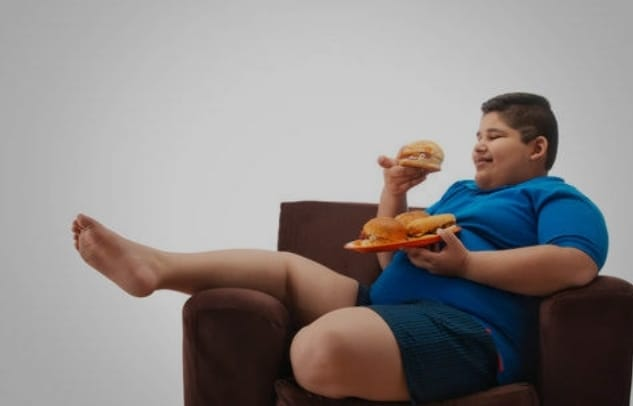
Due to excessive junk food eating,
Due to x sugar intake,
Due to sedentary life style,
Habits
Due to sedentary life style,
Due to excessive playing of indoor games,
Due to excessive television watching,
Due to lack of physical activity,
Due to psychological factors like,
stress,
depression,
trauma,
Due to socioeconomic status such
as,
In families with lower socioeconomic status,
Due to less availability of healthy food,
Explain the Clinical manifestation/ sign and symptoms of Obesity in children
Bodyweight increase.
Fat deposits in the all over body (gluteal region, thighs, abdomen, and around the breasts),
Due to excessive fat deposits in China, an appearance like ‘double chin’ is seen.
A child with obesity should have a body mass index of 30 kg/m2,
A child’s external genitalia, hands, and feet become small.
to be knocked
Seeing physical health issues like,
type two diabetes,
high blood pressure,
high cholesterol level,
fatty liver disease,
Breathing problem,
joint pain,
Musculoskeletal problems,
Psychological and social problems
Low self-esteem,
Poor body image,
Depression and anxiety,
Being socially isolated, etc
Precocious puberty,
Finding behavioral problems like,
Attention Deficit Hyperactivity Disorder (ADHD),
sleep disturbance,
Explain the Diagnostic evaluation of Obesity in children
- History taking and physical examination,
- Body Mass Index (BMI) measurement,
- laboratory test,
- blood test,
- Assessment of Life Style and Habit,
- Psychosocial Assessment,
- Assessing the child for any other DCs like,
- diabetes mellitus type 2,
- high blood pressure,
- Fatty liver disease etc.
Explain the Management of Obesity in children
To prevent and reduce obesity in children, it is necessary to take the following measures.
1) Dietary Modification
Advise the child to have proper nutritious diet intake.
Advise the child to avoid high-calorie foods and to intake fiber-rich foods. High-calorie foods such as sugar,
beverages,
fast food,
Avoid processed snacks, etc.
Advise the child to intake a diet rich in fruits, vegetables and protein.
Advise the child to avoid mid meal snacks.
Giving advice to the child to avoid chocolate, candy, toffee and sweets and ice cream.
2) Physical activity
Advise the child to improve physical activity. Like exercising, playing outdoor games, etc.
Advise the child to do physical activity for minimum 60 minutes like walking, swimming, running, and outdoor games etc.
Advise child to avoid sedentary life style.
3) Behavioral modification
Anchoring the child or strengthening the will power to reduce his will power.
A child should monitor his weight regularly.
Advise the child to reduce his weight gradually.
Advising the child to modify his eating habit and his daily routine activities.
4) Family involvement
Involve all family members to reduce child’s weight.
Parents play an important role in modifying the child’s behavior by providing support, encouragement, a supportive home environment and advice on healthy eating and physical activity.
5) Medical management
If the child has any other medical condition, treat it properly.
To provide proper work and comfortable environment to the child.
- Explain/Define Anorexia Nervosa in children
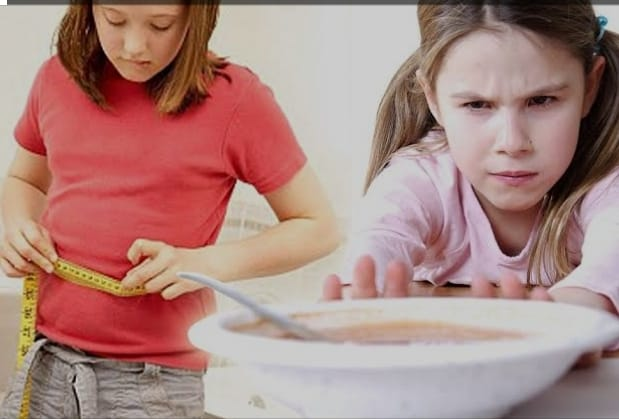
Anorexia nervosa is a serious and potentially life-threatening eating disorder and form of self-starvation, in which the child has a fear of weight gain and body image disturbance. So due to body weight loss, the child restricts food intake to get slim.
Boyce and Gals self-impose dietary restrictions for “slimness” and “weight loss”.
Anorexia is a syndrome in which three essential
criteria are found
like,
1) Self-induced starvation.
2) Having no fear of being fat and excessively intense desire to be thin.
3) Seeing medical signs and symptoms due to starvation.
Explain the types of the Anorexia.
There are total two types of Rezia viz
1) Restrictor type,
2) Bulimic (binging (uncontrollable episodes of eating) and purging (self-induced vomiting)) type.
1) Restrictor type,
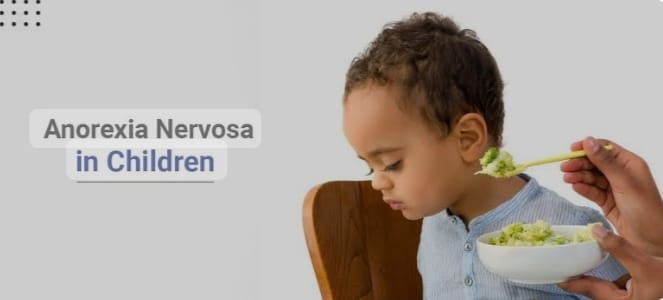
In this type, the child restricts the food and thus avoids food eating.
2) Bulimic (binging and purging) type
(binging (uncontrollable episodes of eating) and purging (self-induced vomiting)) type.
In bulimia, the child performs controlled eating followed by self-induced vomiting due to fear of becoming excessively fat.

Explain the Etiology / cause of the Anorexia Nervosa in children
- The exact cause is unknown,
- Due to genetic predisposition, such as hereditary, family history
- Due to biological factors like,
- Due to brain chemistry changes,
- Due to imbalance of neurotransmitters (serotonin and dopamine),
- Due to hormonal changes,
- Due to psychological factors like low self-esteem,
- Due to perfectionism,
- Due to obsessive compulsive tendencies,
- Due to not coping properly against stress,
- Due to environmental factors,
- Because of the social pressure to be,
- Because of the romantic experience,
- Due to family influence,
- Due to modeling behavior,
- Due to developmental immaturity,
- Due to isolation and excessive dependency.
Explain the Clinical manifestation/ sign and symptoms of the Anorexia Nervosa in children
- Extreme weight loss,
- Eating restriction,
- Fear of weight gain.
- Impaired body image.
- Dry
- A child becoming excessively thin.
- Fatigue and weakness.
- dizziness,
- Cold intolerance,
- Dry skin and brittle hair,
- Psychological and emotional symptoms such as,
- Anxiety and depression,
- Irritability and mood swings,
- Social withdrawal and isolation,
- Low self esteem.
Explain the Diagnostic evaluation of the Anorexia Nervosa in children
History taking and physical examination,
laboratory test,
blood test,
Nutritional Assessment,
Psychological Assessment.
Explain the management of the Anorexia Nervosa in children
To provide properly comprehensive care to the child.
To provide proper medical treatment to the child.
Advise adequate fluid intake if child has electrolyte imbalance dehydration condition.
Advising the child to intake a properly nutritious diet.
Providing proper psychotherapy to the child.
Provide cognitive behavioral therapy (CBT) to the child.
To provide education to the parents to provide proper care to the child.
Properly to the child
Providing interpersonal therapy.
Regular physical examination of the child including daily weight monitoring of the child.
Carry out proper laboratory investigation of the child.
Providing proper psychotherapy to the child. And provide proper medication.
Ex:= selective serotonin reuptake inhibitor,
Antipsychotic.
Proper involvement of family members in child care.
Advising the child for proper behavioral modification and nutritional rehabilitation.
Advise the child to feed in small and frequent amounts.
To give proper work and comfortable environment to the child.
Providing proper psychotherapy to the child.
- Explain/Define Juvenile Delinquency

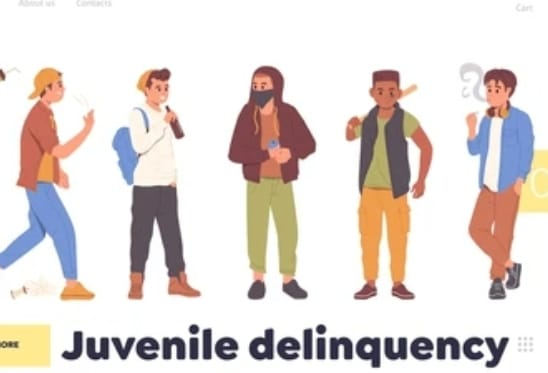
Juvenile delinquency is one of the most common problems of society.
‘Juvenile’ means childhood and ‘delinquency’ means antisocial behavior or criminal behaviour.
Juvenile delinquency is a type of criminal act that is usually committed by children and teenagers who are below 18 years of age.

Juvenile delinquency is illegal or antisocial repetitive behavior committed by a child, usually by an individual under the age of 18. These juvenile delinquencies can range from relatively minor offenses such as vandalism, shoplifting to more serious offenses including assault, drug offenses and property crimes.
This juvenile delinquency behavior involves lying, stealing, stealing from home, running away from school, running away from home, not believing what anyone says, fighting, robbing, sexual assault, etc.
Explain the Etiology/cause of the Juvenile Delinquency
- Due to family dynamics like,
- hereditary,
- Due to chromosomal defect
- Due to parental conflict,
- Due to death,
- abuse,
- Due to child neglect,
- Due to the lack of parental supervision,
- Due to poor parent child relationship,
- Peer Group Influence
- Because of such,
- Due to peer pressure,
- Due to the influence of the delinquent peer group,
- Due to socioeconomic factors like,
- Due to low socioeconomic conditions,
- Due to low income,
- Due to poverty,
- Due to unemployment,
- Due to inadequate housing conditions,
- Due to lack of education,
- Due to community environment like,
- Due to availability of drugs,
- Because of the criminal neighborhood,
- Due to unsatisfactory conditions in schools and colleges like,
- Due to inadequate recreational facilities,
- Due to improper teacher student relationship,
- Due to academic failure,
- Substance abuse such as,
- Because of alcohol,
- due to taking drugs,
Explain the Clinical manifestation/ sign and symptoms of the Juvenile Delinquency
1) Finding behavioral problems
like,
steal,
sabotage,
alcohol abuse,
Killing and attacking me,
bullying,
damage,
2) School difficulties
struggling academically,
Poor full performance,
running away from school,
Being indisciplined in school,
Conflict between teacher and friends.
3) Peer relationship
Pear rejection,
becoming socially isolated,
Difficulty in forming relationship with peer group,
4) Family conflict
Parent child relationship being impaired,
receiving less parental supervision,
Lack of parenteral support,
5) Emotional disturbance
depression,
anxiety,
anger,
impulsive behavior,
6) Substance Abuse
using alcohol,
using drugs,
7) Legal Issues
Involvement in criminal activities.
Explain the Diagnostic evaluation of the Juvenile Delinquency
Legal History,
Family Assessment,
Social and Environmental Factor Assessment,
Psychological Assessment,
Substance Abuse Assessment,
Educational Assessment,
Explain the management of the Juvenile Delinquency
To provide proper education to prevent child from delinquency.
To take early intervention against any illegal activity to prevent it.
Providing proper cognitive behavioral therapy to the child.
Giving advice to the child’s family members or providing proper love and affection to the child.
The atmosphere of the child’s school and college should be familiar so that the child can be prevented from doing illegal activities.
Advising the child’s teachers to work properly with their students and provide a comfortable environment.
Advising the child to provide a healthy family environment.
Advising the child’s parents and caregivers to provide proper love and affection from the family.
Advising the parents to fulfill the child’s basic needs.
To provide proper education opportunity to the child.
Advising the child on proper exercise, sports, and recreational activities.
Provide proper counseling and guidance to the child.
To provide proper work and comfortable environment to the child.
Proper psychological support to the child
to provide
To provide complete education to the child about social and anti-social behavior and legal and illegal behavior.