ENGLISH-endocrine disorder (deepali) (part-1)
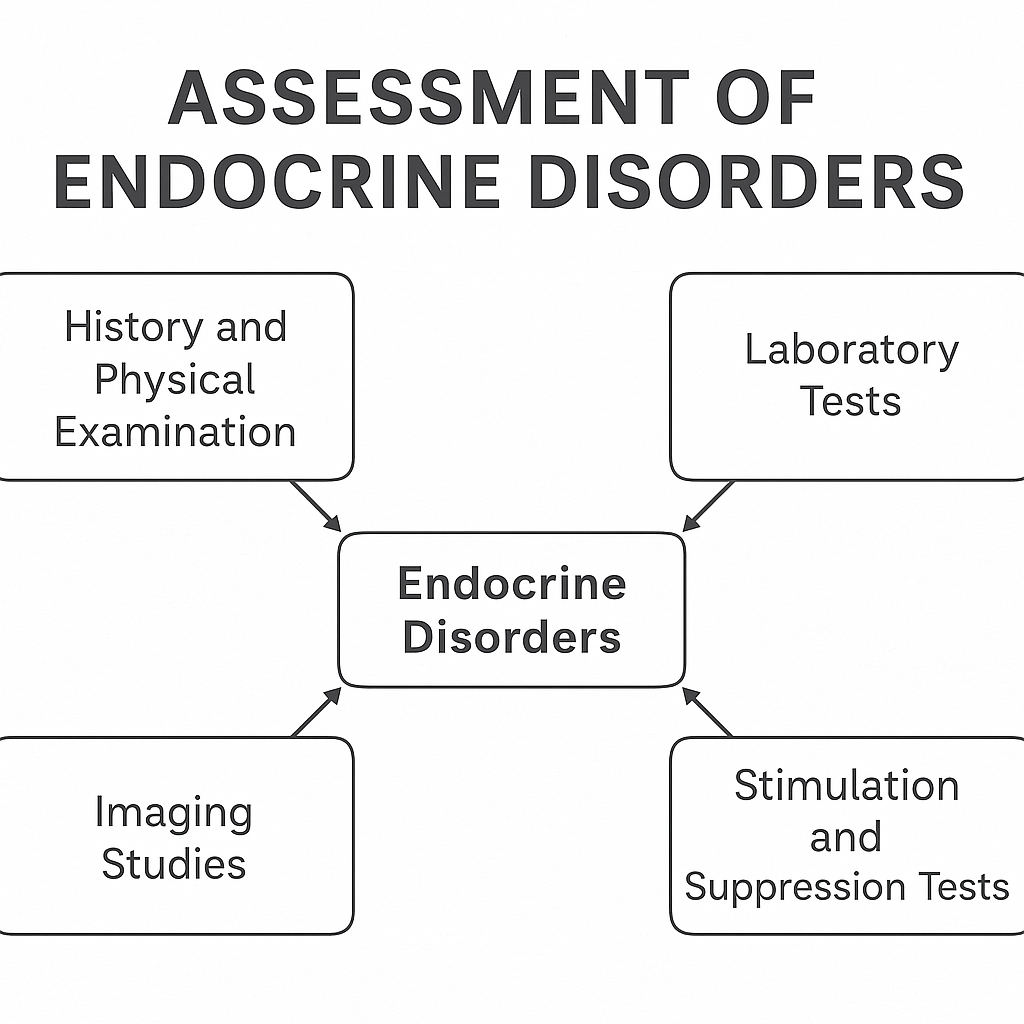
ASSESSMENT OF ENDOCRINE DISORDER:
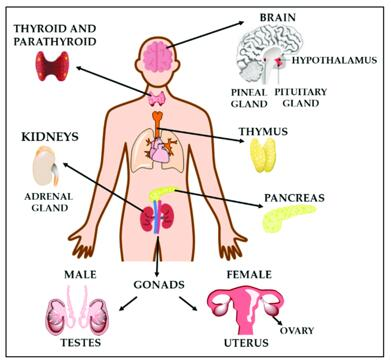
HISTORY COLLECTION OF ENDOCRINE DISEASE:
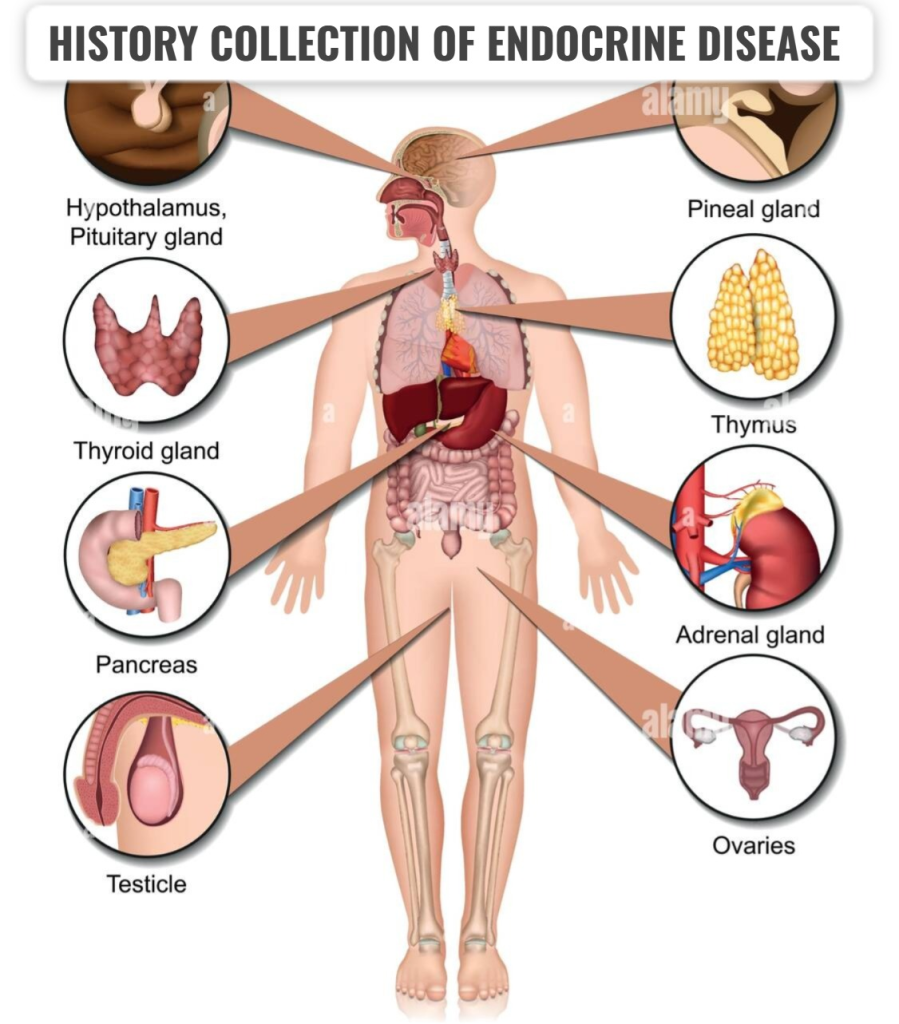
- While collecting history, take a full history of the patient or collect information about what the patient’s present condition is and whether he has any previous medical history or not.
- History collection mainly includes the following items.
- Biographical data,
- Chief complain,
- Present medical history,
- Past medical history,
- family history,
- Any time if ,hospitalization,
- psychological history,
- Assessment about the non specific symptoms and specific symptoms.
Common non specific symptoms:
- Fatigue,
- General appearance changes.
- Changes in skin and hair condition.
- Mood changes.
- Weight changes.
- Disturbed sleeping patterns.
- Low energy.
Specific symptoms of Endocrine disease:
1) Change in mental status:
- When the patient has any If there is an endocrine disorder, the patient says that he becomes nervous, his mood changes, confusion, depression, and if diseases like diabetes mellitus etc. remain uncontrolled, the person can even go into a coma.
2)Vital Sign:
- In the condition of hyperthyroidism, body temperature and pulse increases.
- The classic sign of diabetic ketoacidosis is deep rapid breathing.
- If there is a tumor on the adrenal gland, the level of epinephrine in the body increases and it creates hypertension.
- If in the body If antidiuretic hormone is secreted in insufficient quantity, it creates a condition of dehydration in the body, but if antidiuretic hormone is secreted in excess quantity, it works to cause fluid retention.
3) Palpitation:
- Heart rate increases in the condition of hypothyroidism and in the condition of pheochromocytoma.
4) Adrenocortical Hyper function:
- This includes a moon face, thin extremities and obesity.
5) Change in physical structure (Changes in physical appearance) to happen):
- Changes in the hands and feet and body are seen in the condition of acromegaly.
6) Abnormalities in Sexual Structure (abnormalities in sexual organs):
- Irregularity of the menstrual cycle, amenorrhea, premature development of secondary sexual characteristic etc. are seen.
7) Change in bowel habit:
- If there is a condition of hyperthyroidism, then frequent loose stools may be passed and if there is a condition of hypothyroidism, then a condition of constipation may be seen.
8) Polyuria and Polydipsia:
- These symptoms are seen due to diabetes mellitus.
9) Change in weight:
- Weight loss despite eating too much is seen in the condition of diabetes and is also seen in hyperthyroidism and if there is excessive weight gain, it can be a condition of hypothyroidism.
10) Change in Appetite:
- Excessive hunger and loss of appetite are seen due to diabetes.
11) Fatigue (fatigue):
- This is mainly seen due to stress.
12) Tremor:
- This is mainly seen in the condition of hyperthyroidism.
13) Hair Changes:
- Excessive hair in women indicates ovarian impairment If axillary and pubic hair loss occurs, it indicates a pituitary disorder. Soft and silky hair is seen in the condition of hyperthyroidism and dry hair is also seen in hyperthyroidism.
- Due to the disorder of the endocrine system, abnormalities in growth, and changes in the skin and tissues, changes in the eye, and changes in the bones and joints, and renal changes are also seen.
Explain the Diagnostic Evaluation of thyroid function test (Write the diagnostic evaluation of thyroid function test.)
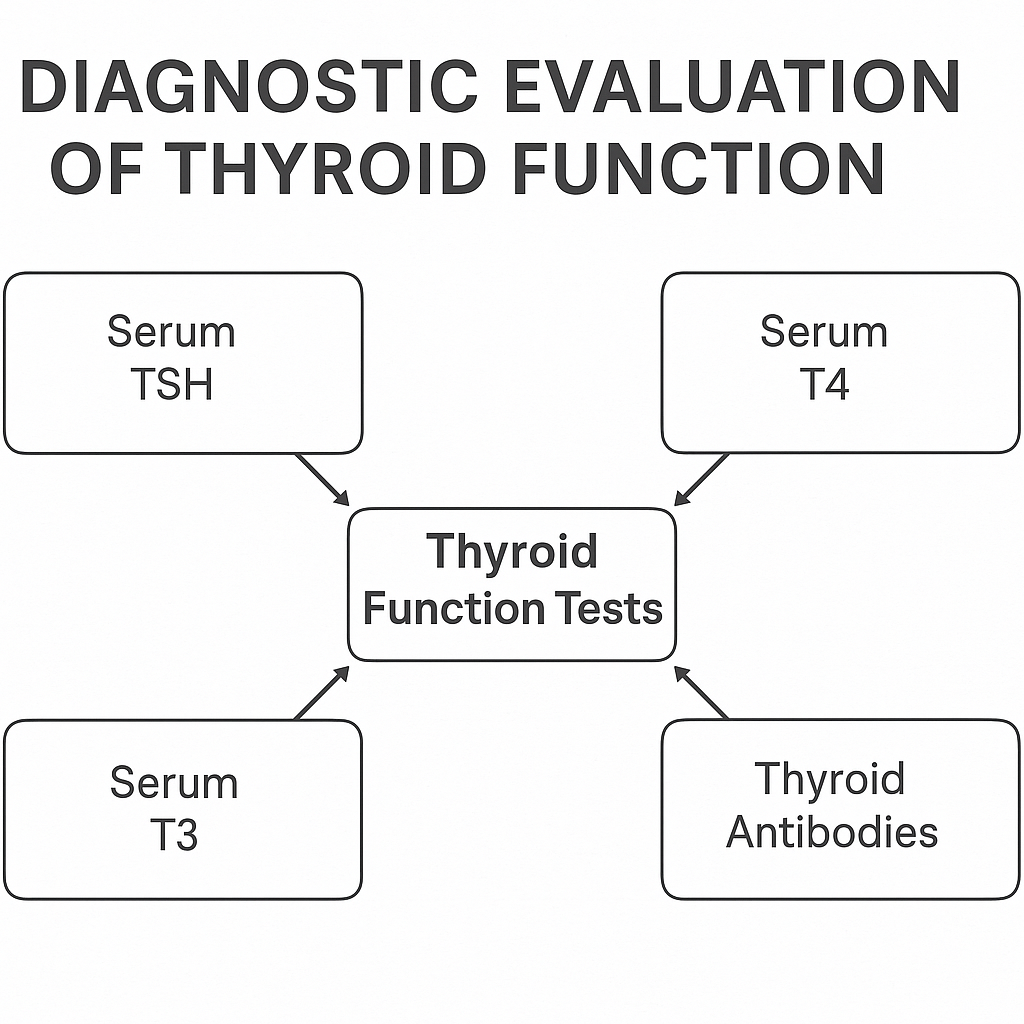
1) serum thyroxine ( T4),
2) triiodothyronine( T3),
3) serum thyroid stimulating hormone,
4) radioisotope uptake test.
5) T3 uptake resin.
6) serological test.
Explain the parathyroid function test
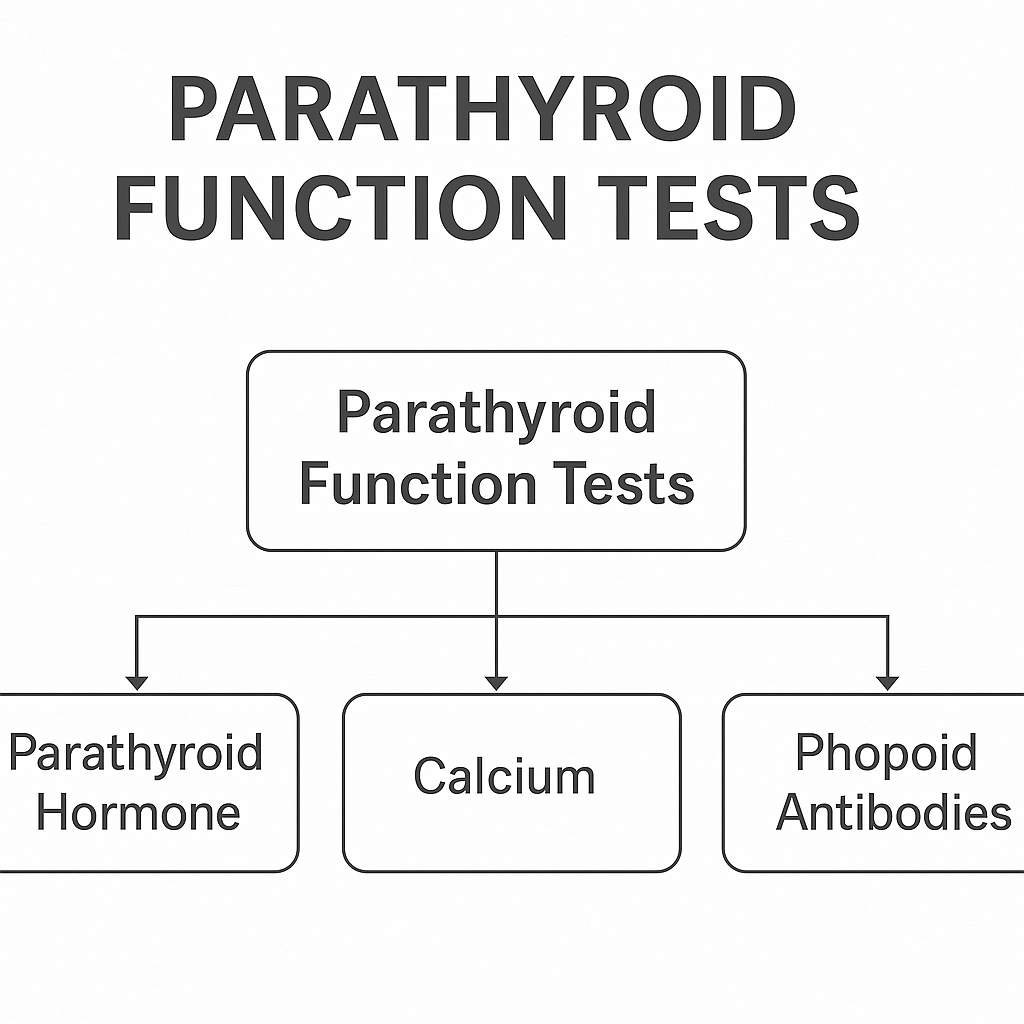
1) PTH (parathyroid hormone)
- How many in this test a blood It is used to assess the amount of parathyroid hormone present.
2) Total serum calcium level:
- This test is used to assess the amount of total calcium in the blood.
3) Serum Phosphate level:
- This test is used to assess the amount of phosphate present in the blood, which alters the metabolism of calcium.
Explain Adrenal function test
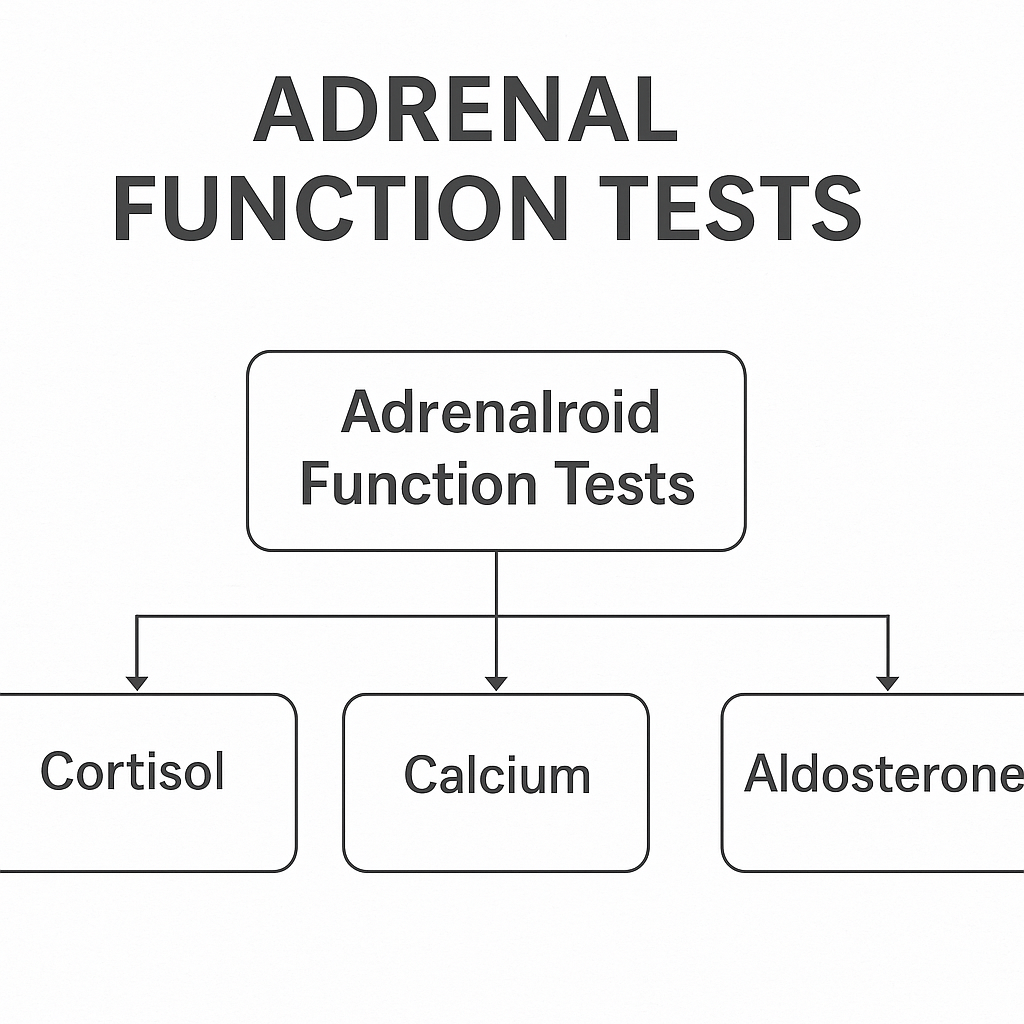
1)plasma cortisol:
- Plasma cortisol is mainly used to assess adrenal dysfunction.
2)24 hour urinary free cortisone level:
- This test is used to assess the amount of cortisol hormone present in the body.
3) Dexamethasone suppression test:
- This test is mainly used to assess adrenal hyper function.
4)ACTH( Adrenocorticotrophic hormone):
- This test is used to assess hypercortisolism.
5)corticotrophin stimulating hormone:
- This test is used to assess how much corticotrophin-releasing hormone affects the body. It is used for.
6) Urine and blood test:
- This test is mainly used to assess primary aldosteronism.
Explain the pituitary function test
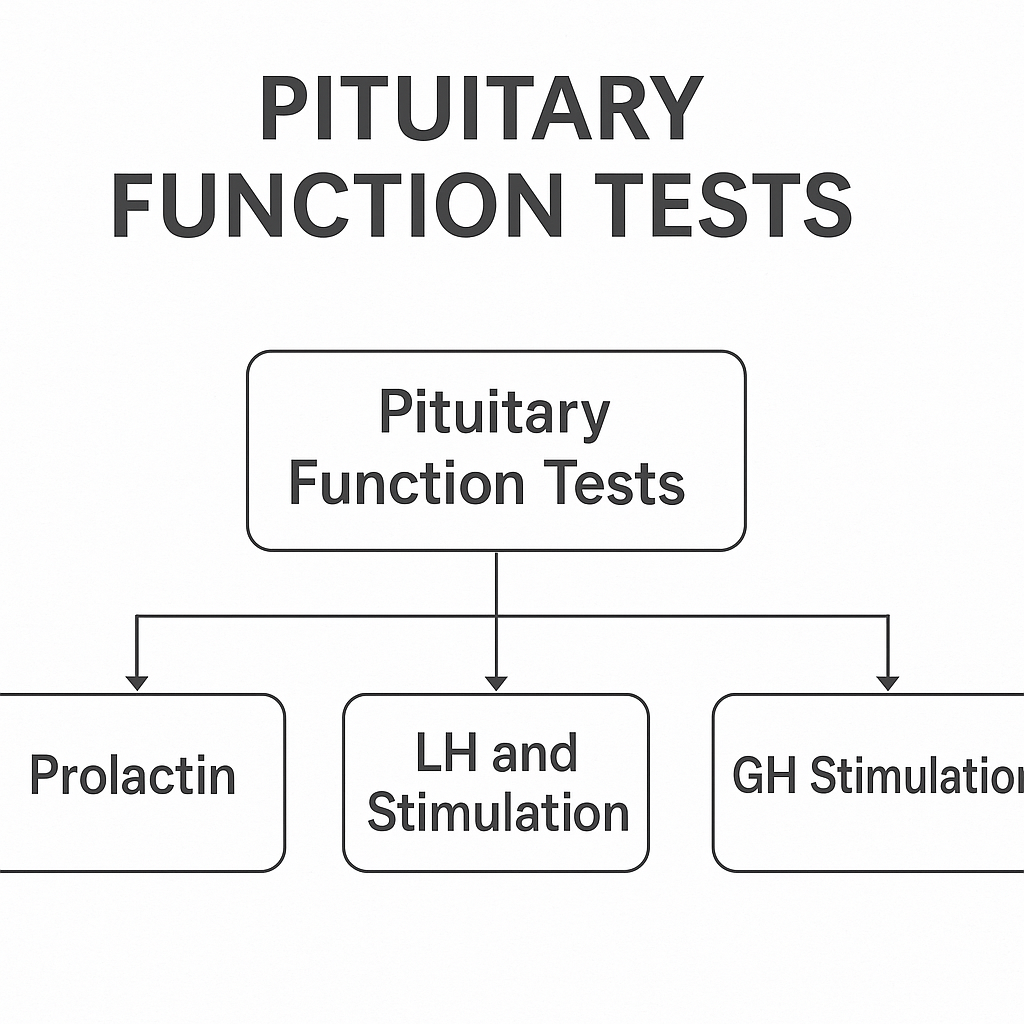
- serum prolectin test,
- serum growth hormone test,
- Adrenocorticotrophic hormone,
- insulin tolerance test.
- glucose suppression test,
- water deprivation test.
Exocrine pancreatic function test.
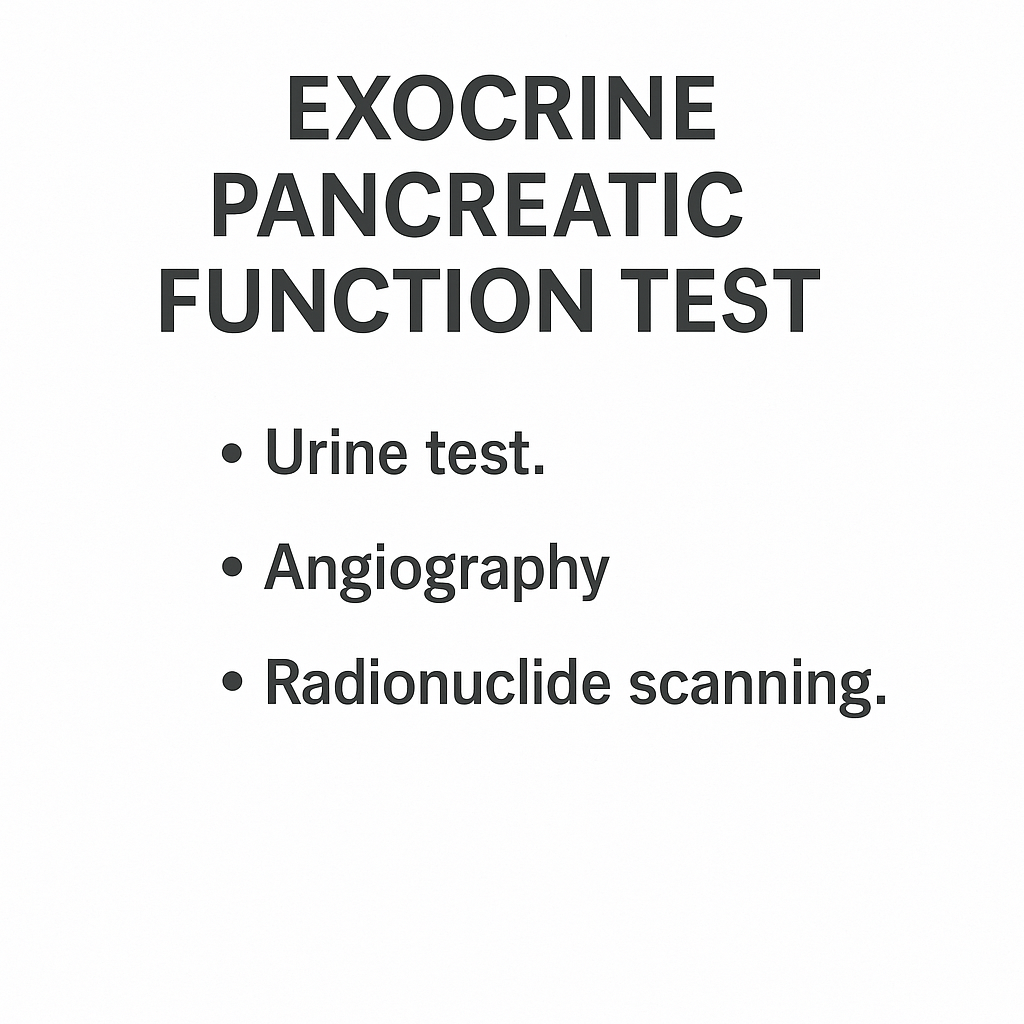
- urin test.
- angiography
- radionuclide scanning.