ENGLISH-MSN-1-UNIT-11-RENAL AND UROLOGICAL DISORSER-DEEPALI-PART-1(UPLOAD)
Nursing management of patients with the renal and urinary disorder
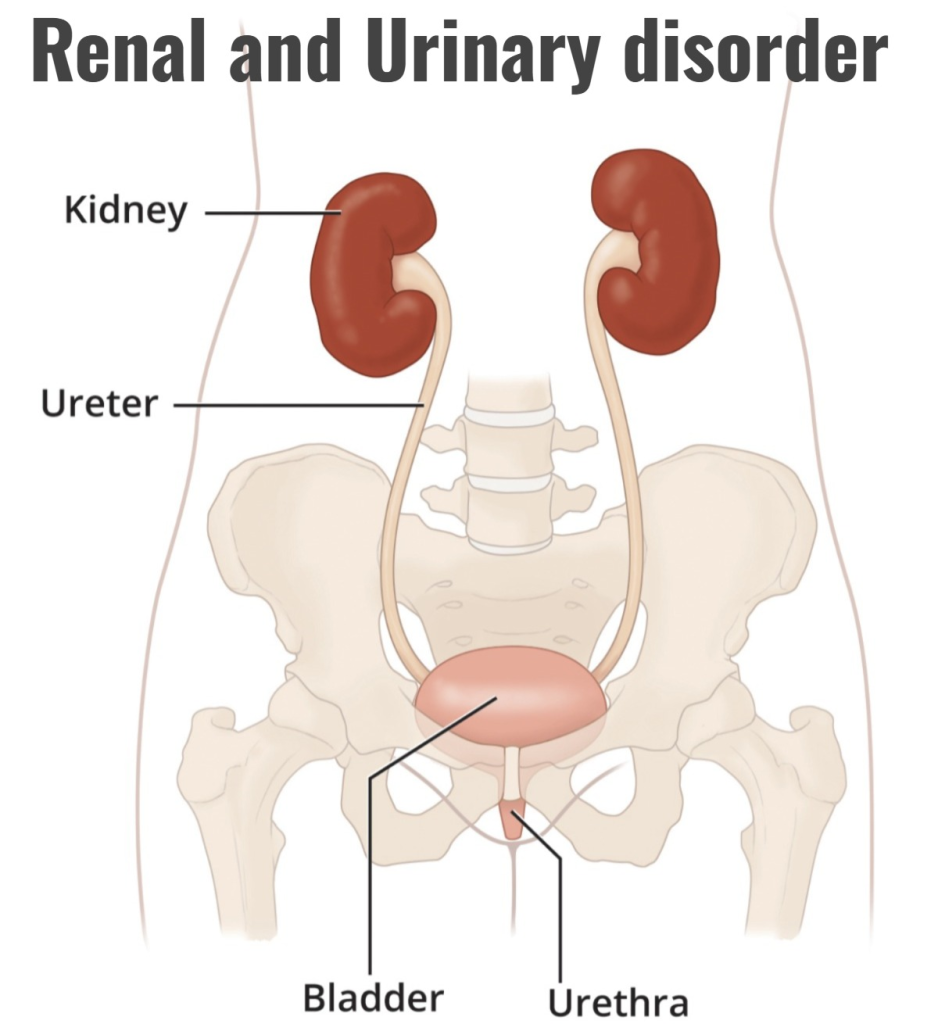
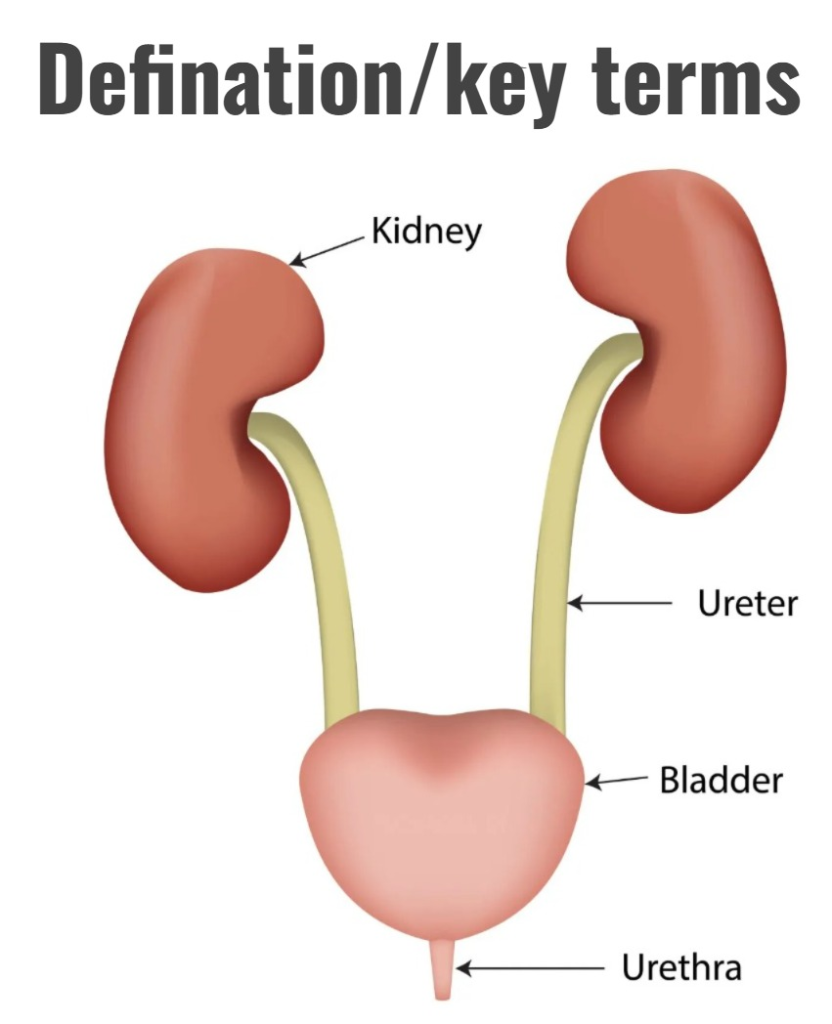
## Definition/key terms ##
••> 1) Explain/define antidiuretic hormone. (Describe antidiuretic hormone).
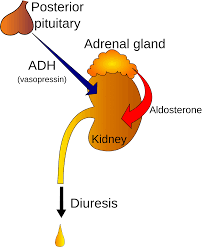
- => Another name for the hormone antidiuretic hormone is Arginine vasopressin {( Avp ) Arginine vasopressin). }
- => Antidiuretic hormone is secreted from the posterior pituitary gland and is responsible for the reabsorption of excess water by the kidneys.
- => Antidiuretic hormone plays an important role in maintaining water balance in the body.
••> 2) Explain/ define the diffusion.
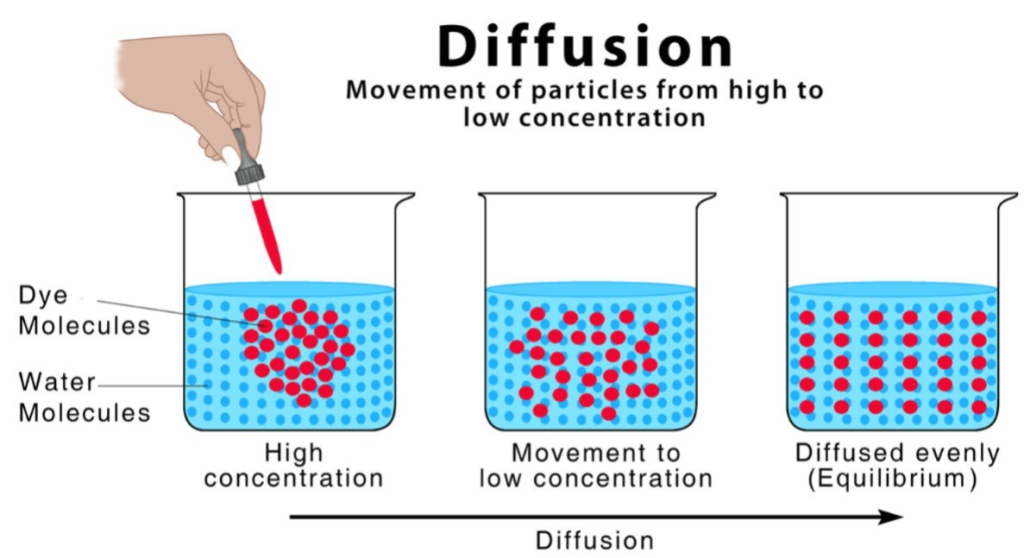
- => Diffusion is the process in which solutes move from a higher concentration to a lower concentration.
••> 3)explain/ Define glomerulus. (Define glomerulus)
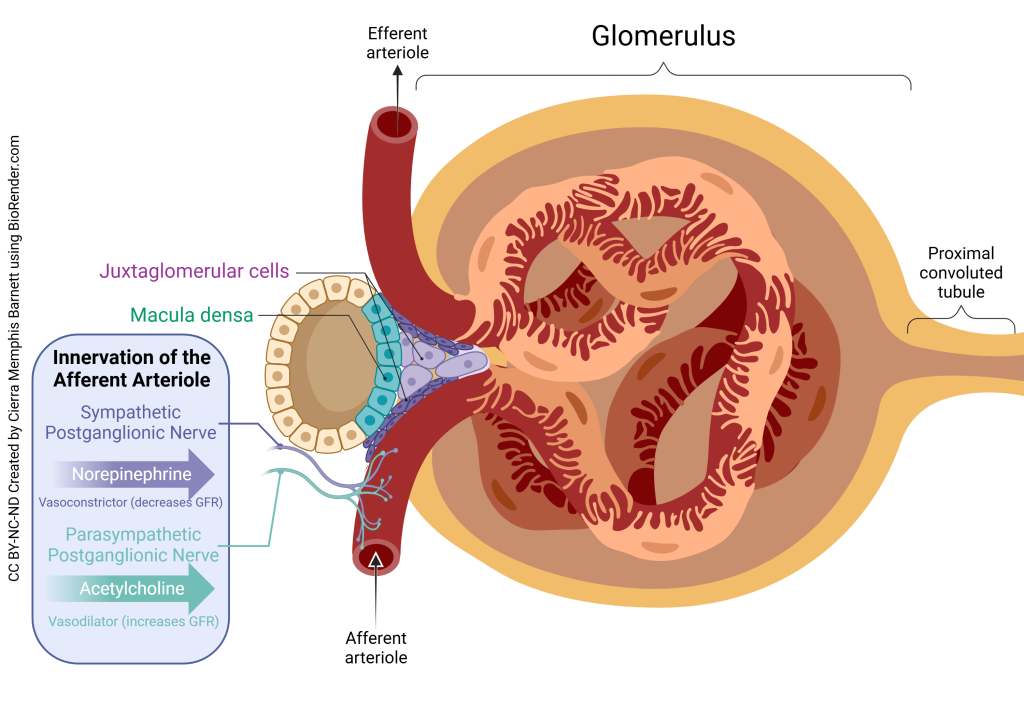
- => Glomerulus is the part of the nephron formed by tough capillaries that is responsible for filtration.
••>4)explain / define GFR ( Glomerular Filteration Rate) .(Define Glomerular Filtration Rate.)
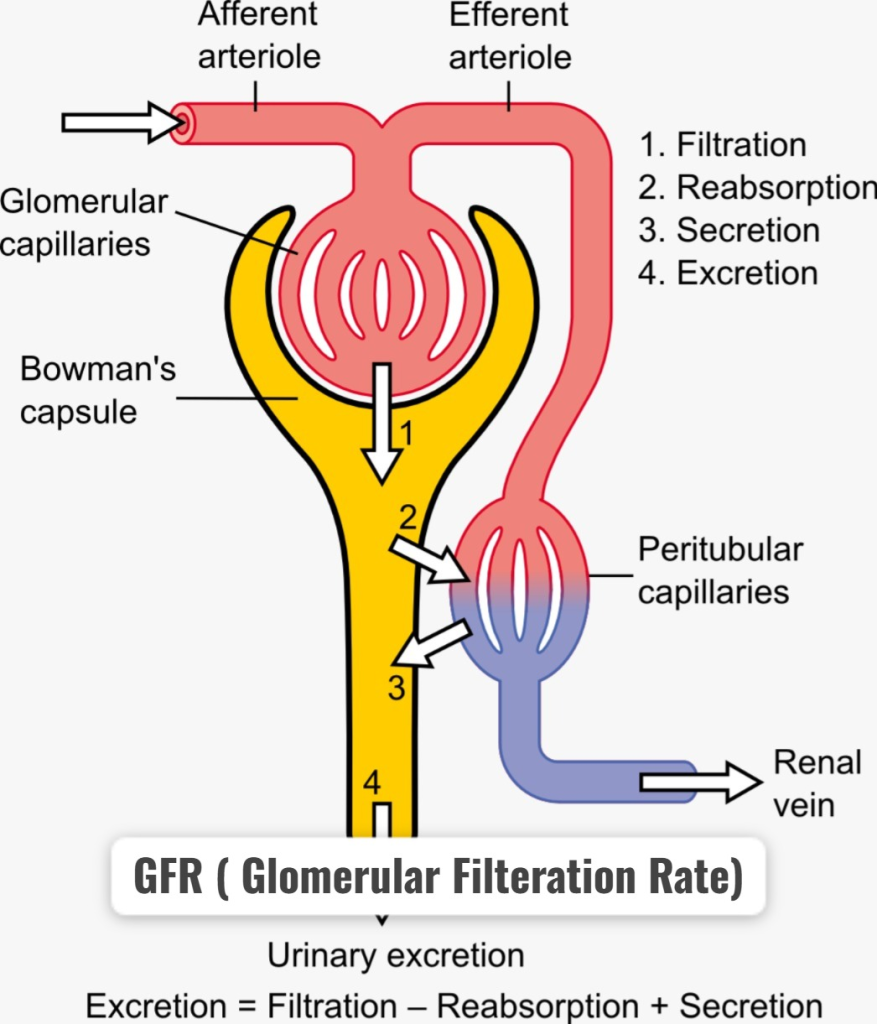
- => The amount of plasma filtered by the glomeruli into the tubules of the kidneys is called the glomerular filtration rate (GFR).
- => The normal glomerular filtration rate (GFR) is 120 ml/minute.
••> 5) Micturition means :=
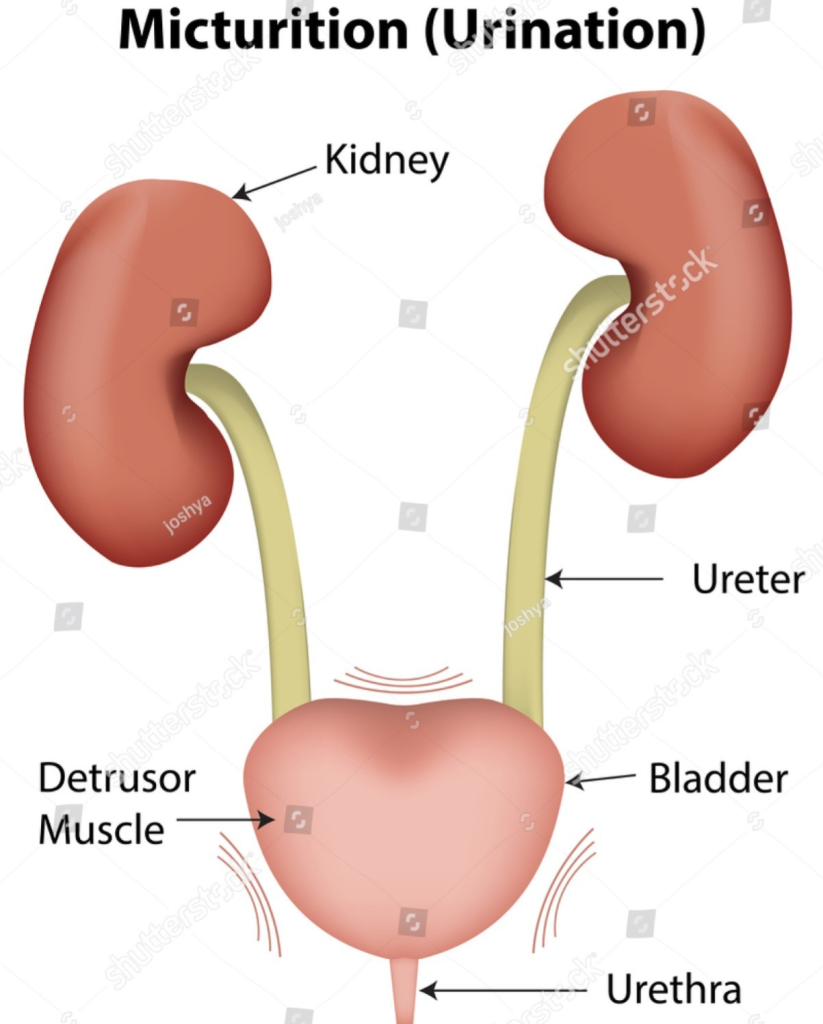
- urination / voiding voiding).
••> 6) painful or difficulty in urination its called (pain full or difficulty in urination called S) :=
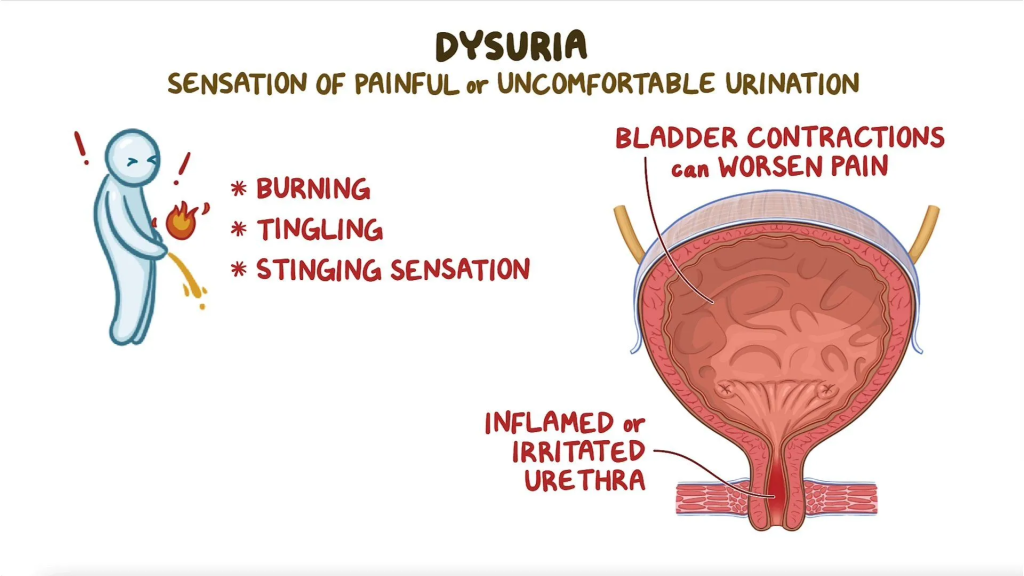
- Dysuria (dysuria)
••>7) Awaking at night time to urinate is called:=
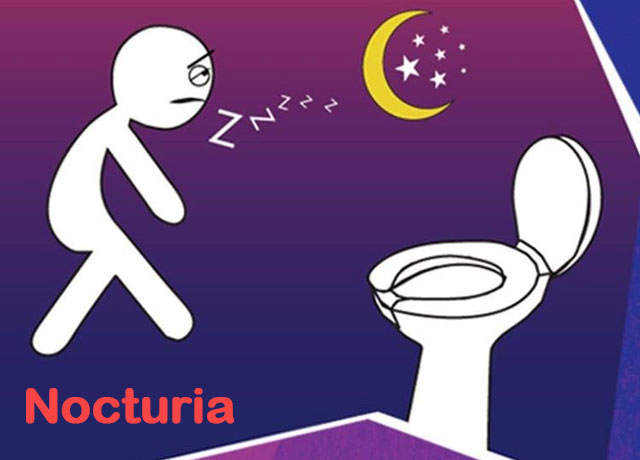
- Nocturia (Nocturia) ,
••> 8) How much urine is output in 24 hours in the condition of oligouria?
- => Urine output is less than 100 ml in 24 hours.
••> 9) What is pus in urine called?.
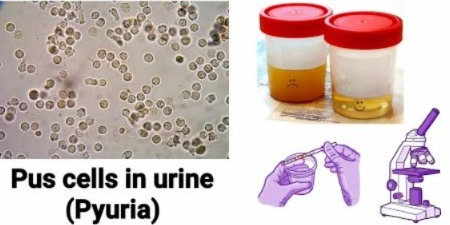
- => pyuria ( pyuria) .
••>10) protein in urine is called as :=

- => Proteinuria (Proteinuria).
••>11) How much urine is output in 24 hours in the condition of Anuria?
- => less than 50 ml in 24 hours.
••>12) What is the name of the presence of bacteria in urine?:=
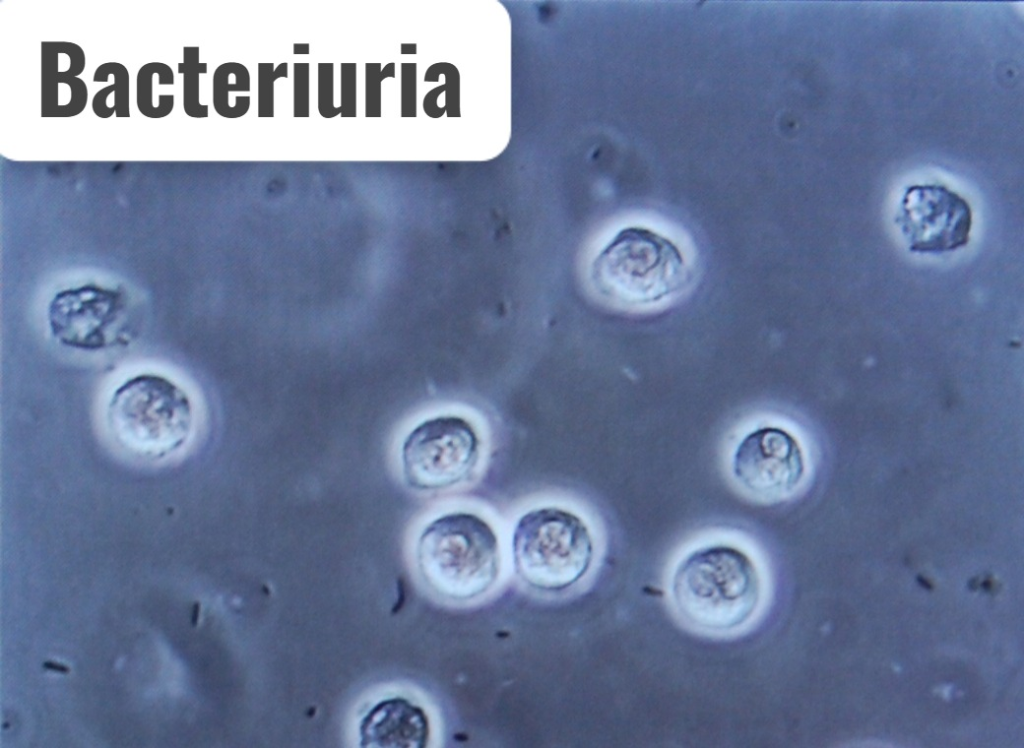
- => bacteria in urine is called as bacteriuria.
••> 13) Explain/ define creatinine. (Define creatinine)
- => The waste product that is formed after the metabolism of energy by muscles is called creatinine.
••> 14) Define/Explain Aldosterone.
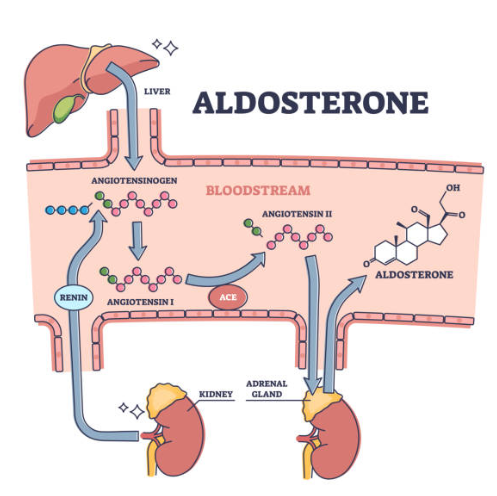
- => Aldosterone is a hormone synthesized and released from the cortex of the adrenal gland that is responsible for causing the kidneys to reabsorb sodium.
••> 15) What is the procedure called when a tube is inserted into the urinary bladder and urine drainage is permitted?
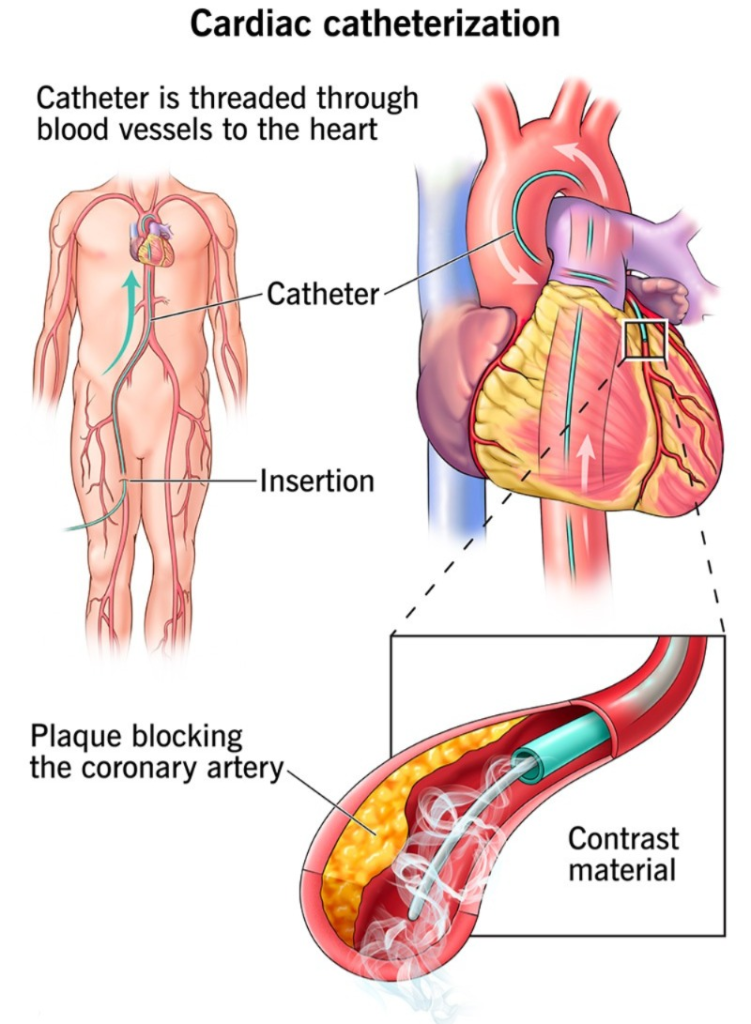
- => catheterization (catheterization) ,
••> 16) Blood in urine is called as:=
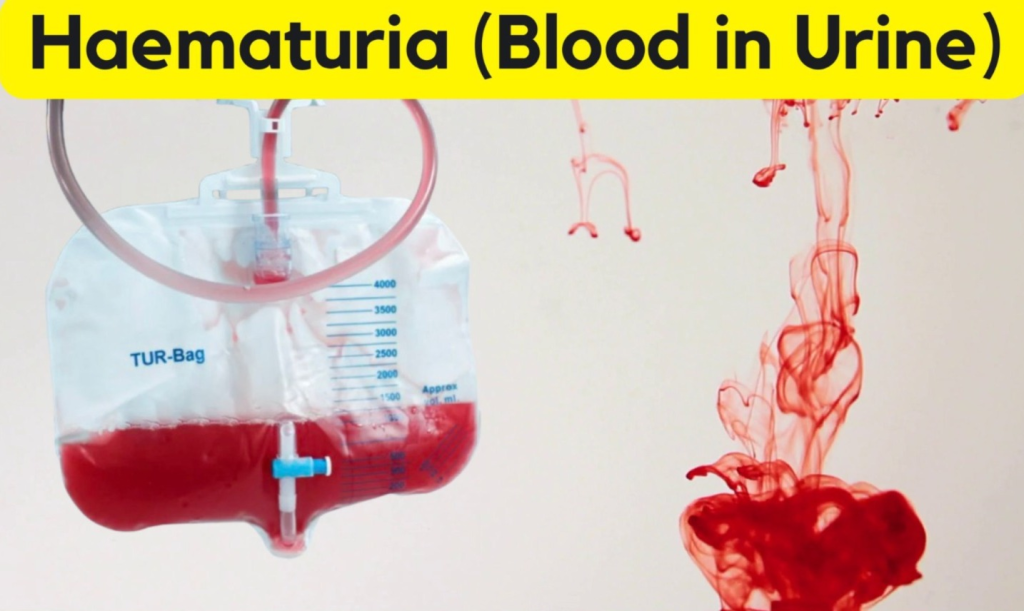
- haematuria
••> 17) Explain / Define peritonitis. (Define peritonitis)
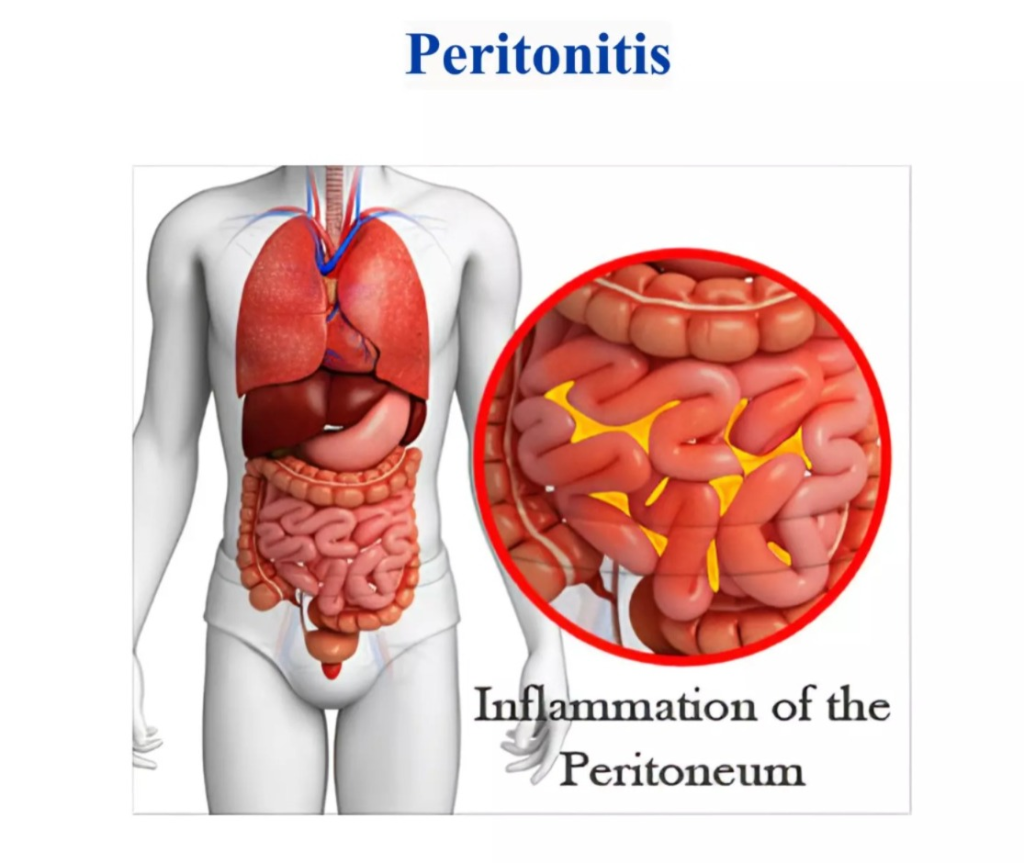
- => Peritonitis is an infection and inflammation of the peritoneal membrane that lines the abdominal cavity.
••> 18)Explain/define Osmosis. (Define Osmosis)
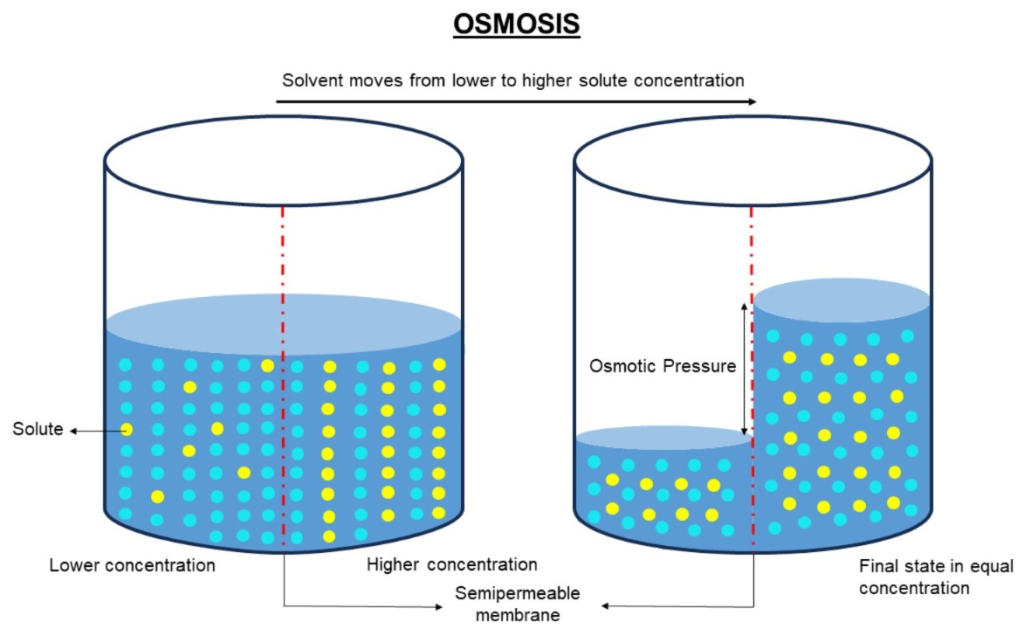
- => Osmosis is the process in which water moves from a lower solute concentration to a higher solute concentration through a semipermeable membrane.
••> 19) Number of particles dissolve in per kilogram urine it’s called as :=
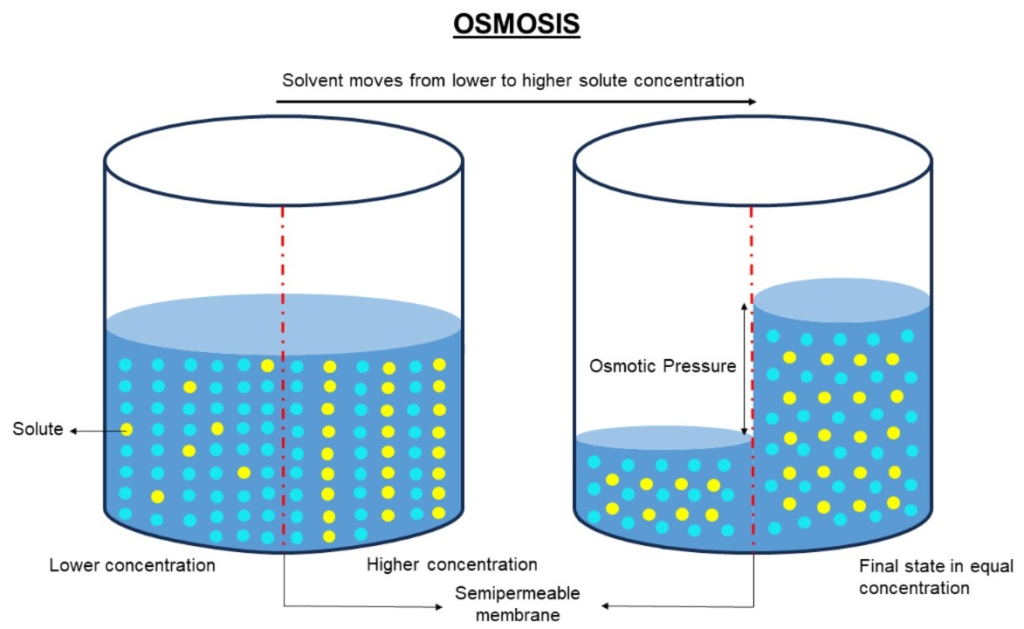
- => Osmolality (Osmolality) .
••> 20) Which is known as the structural and functional unit of the kidney?
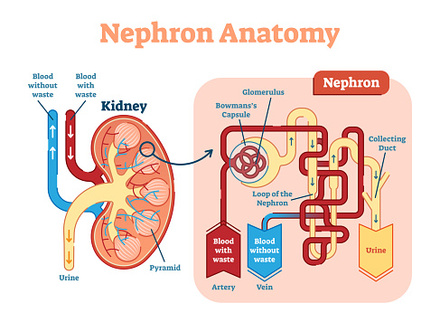
- => Nephron (Nephron) ,
••> 21) Which procedure is known as circulating the patient’s blood through a dialyzer and removing excess fluid and waste products?
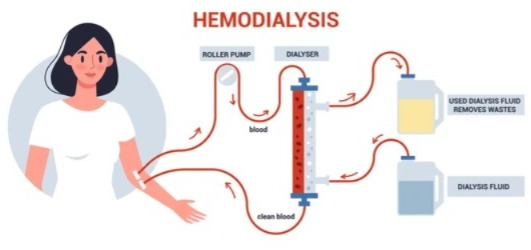
- => Hemodialysis (Hemodiasis) ,
••> 22) When the patient’s peritoneal membrane (the membrane that covers the abdominal cavity) is used as a semipermeable membrane and fluid and solutes are exchanged, what is it called?
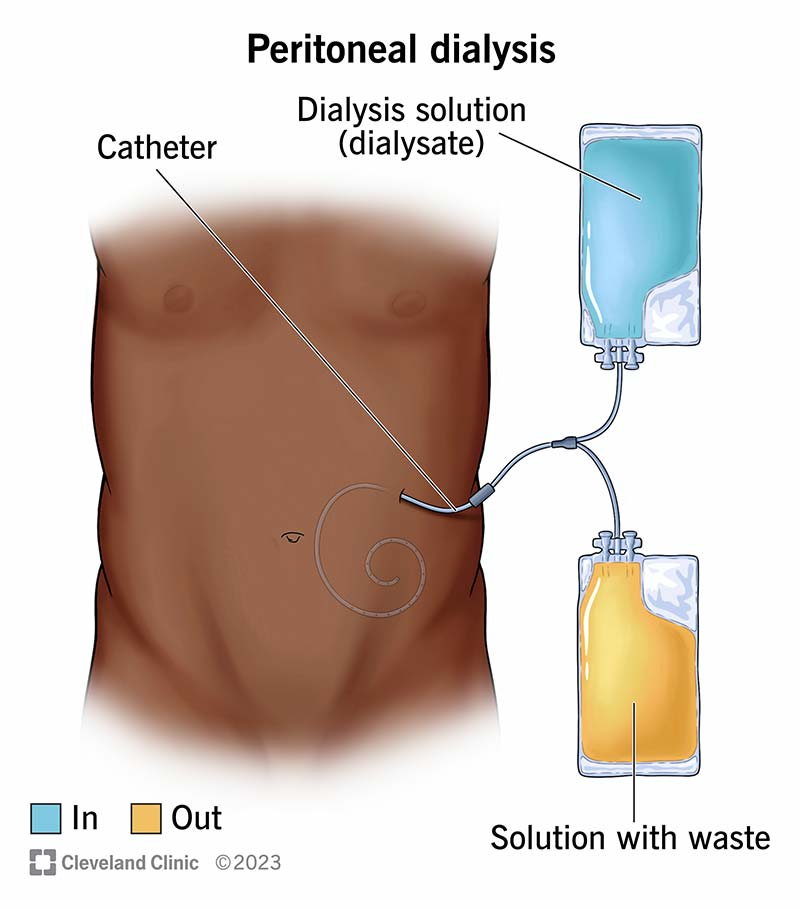
- => Peritoneal dialysis (peritoneal dialysis),
••> 23) Explain “CAPD”
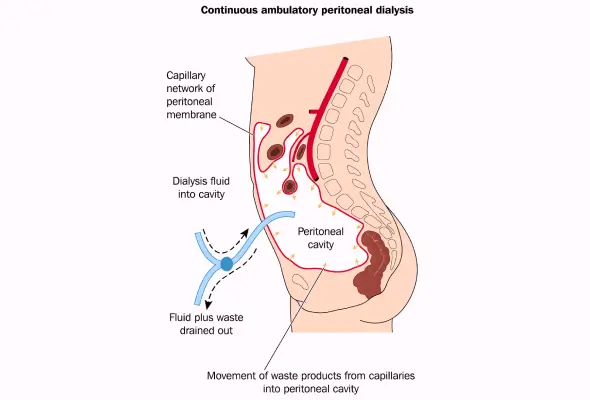
- =>Full form of “CAPD” is Continuous Ambulatory Peritoneal Dialysis ~> (Continuous Ambulatory Peritoneal Dialysis)
- => This is a type of peritoneal dialysis method in which the patient is given four to five complete dialysis sessions throughout the day.
••> 24) Explain “CAVHD”.
- =>the full form of CAVHD is Continuous Arteriovenous Hemodialysis (Continuous Arteriovenous Hemodialysis Hemodialysis)
- => It is a type of continuous renal replacement therapy, in which fluid and waste products are removed.
- =>In this procedure, the arterial blood is circulated through a hemofilter and then returned to the patient’s body through a venous catheter.
••>25) Explain the “CAVH”
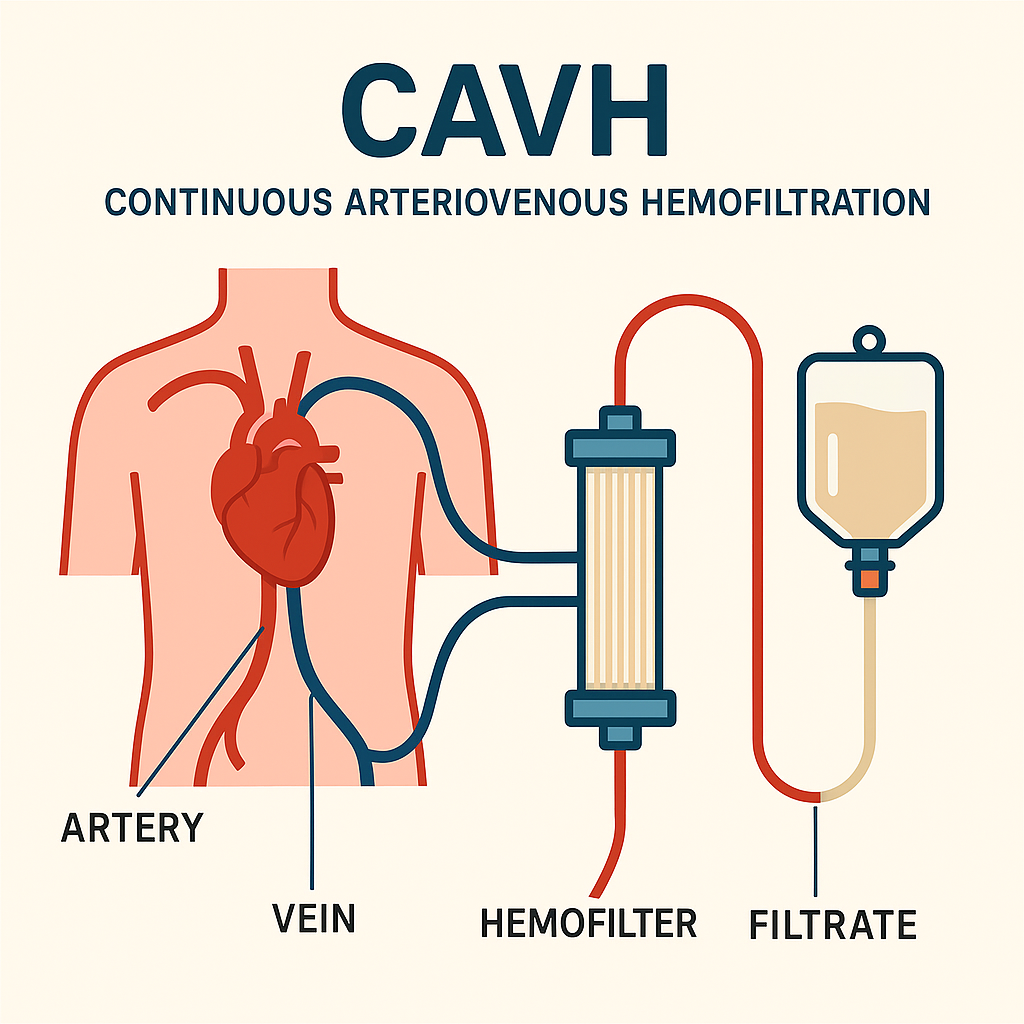
- => The full form of CAVH is Continuous Arteriovenous Hemofilteration
- => This is a type of continuous renal replacement therapy in which fluid is mainly removed.
- => Arterial blood is circulated through the hemofilter and returned to the patient’s body through a venous catheter.
••> 26) Explain ” CCPD“
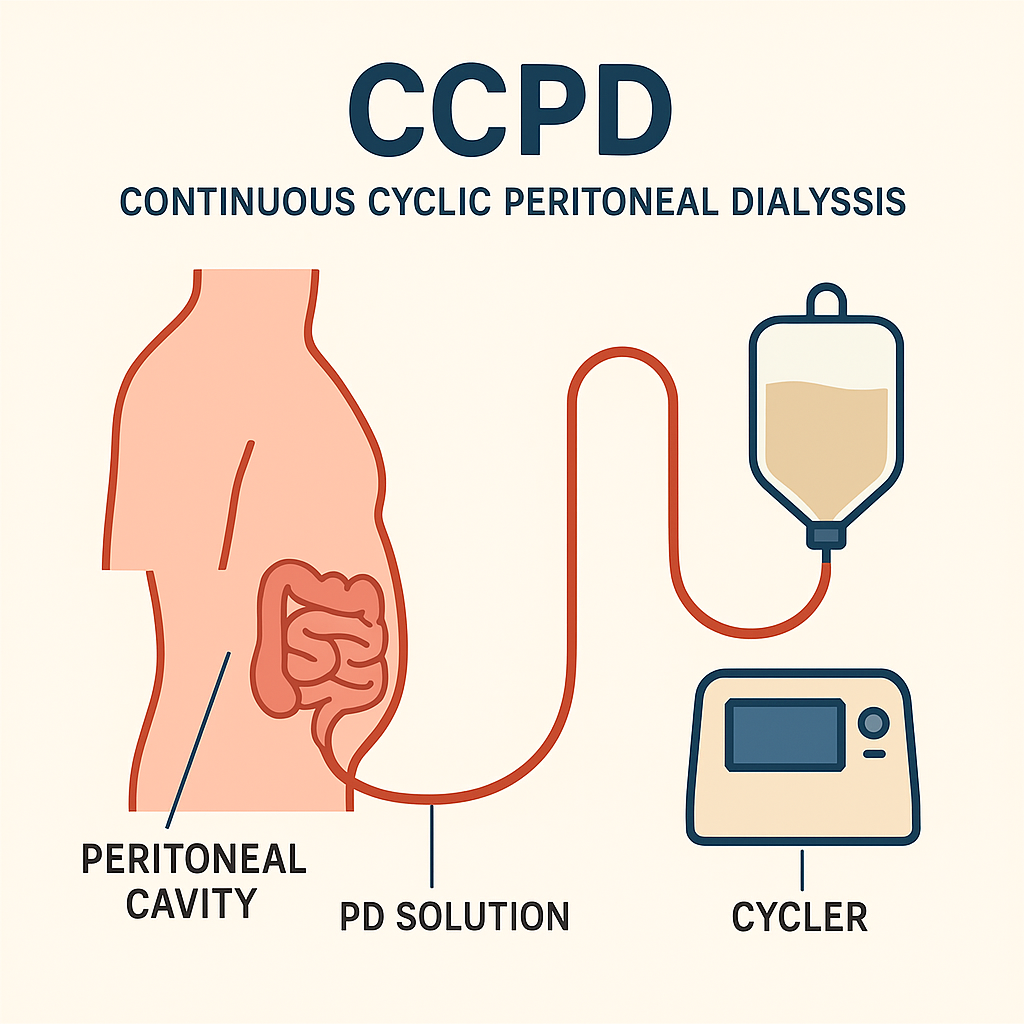
- =>the full form of “CCPD” Continuous Cyclic Peritoneal Dialysis
- => This is a type of peritoneal dialysis procedure in which the dialysis machine automatically performs dialysis exchange even when the patient is in a state of sleep.
••>27) explain the “CRRT”
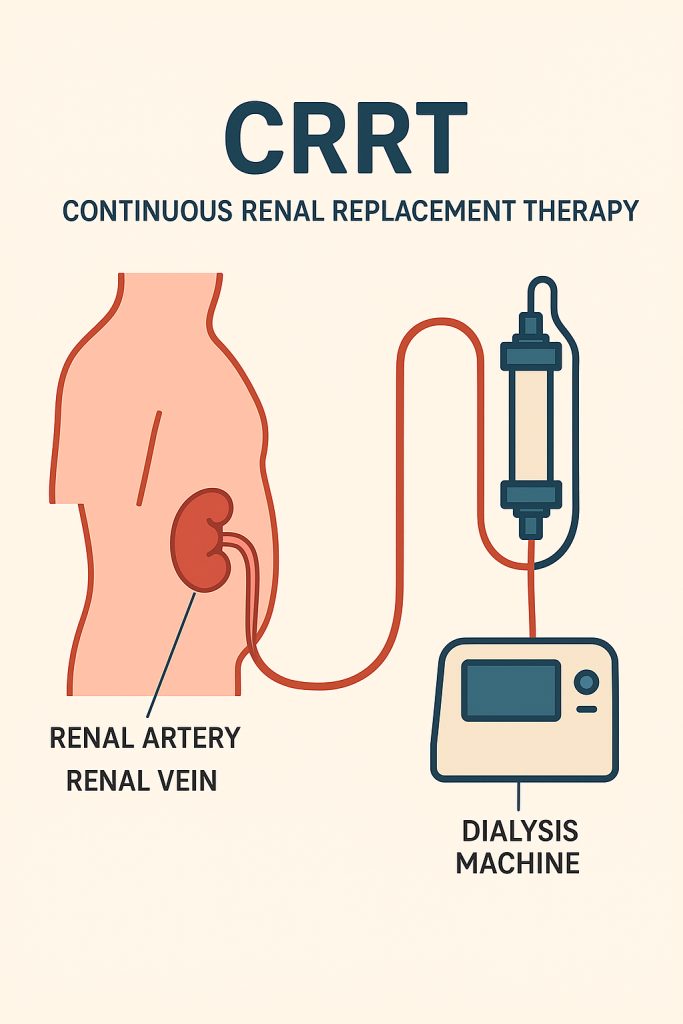
- =>The full form of “CRRT” is Continuous Renal Replacement therapy (Continuous Renal Replacement Therapy)
- => Continuous renal replacement therapy uses different methods to normalize kidney function, in which the patient’s blood is circulated through a hemofilter.
••> 28) Explain the “CVVHD”
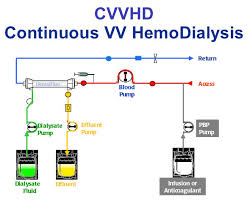
- =>The full form of “CVVHD” is Continuous venovenous Hemodialysis. Hemodialysis)
- => This is a type of renal replacement therapy in which fluid and waste products are removed,
- => Which is mainly venous blood circulating through a hemofilter and returned to the patient’s body.
••> 29) Explain the “CVVH”
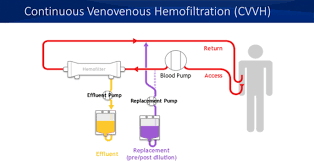
- =>the full form of “CVVH” Is Continuous Venovenous Hemofiltration Hemofiltration )
- => This is a type of renal replacement therapy that primarily removes fluid,
- => Venous blood is circulated through a hemofilter and returned to the patient’s body.
••> 30) What is the name of machine it’s called “Artificial kidney” :=
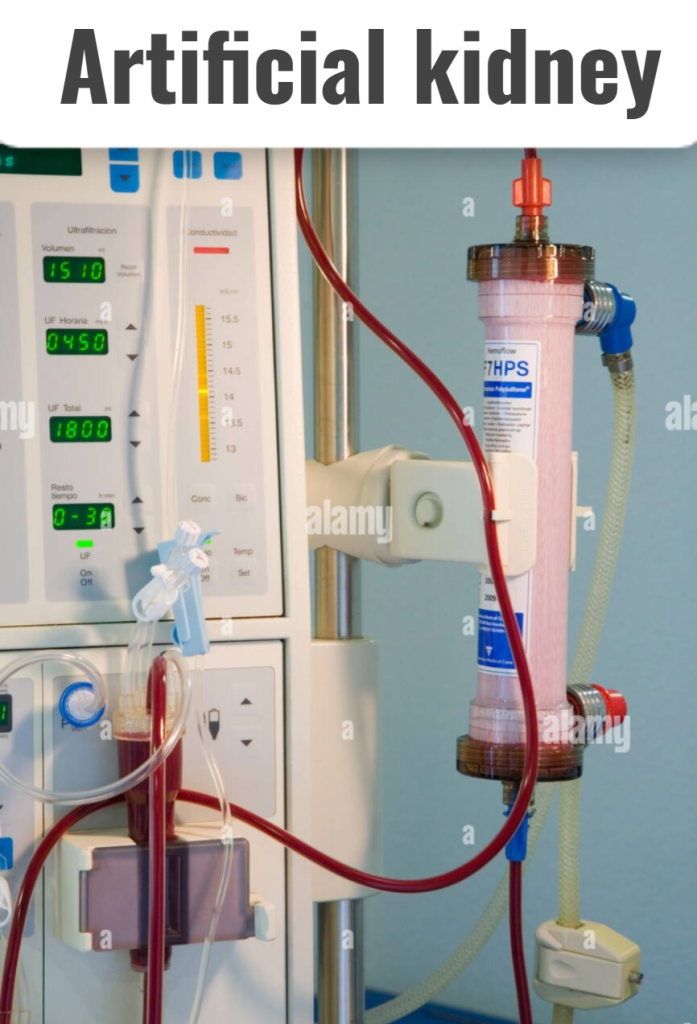
- =>The other name of the atrificial kidney is •>Dialyzer or •>Dialysis machine.
••> 31) The urine that remains in the bladder after voiding is called as a :=
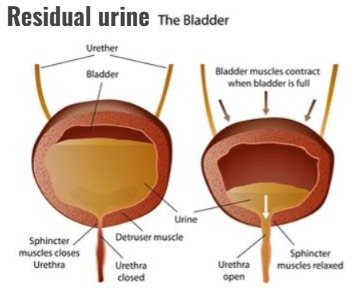
- => Residual urine (residual urine)
••>32) Explain/define Stress incontinence. (Define stress incontinence)
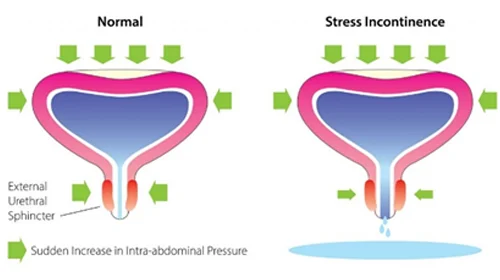
- => When intra-abdominal pressure increases, involuntary urine loss occurs even with an intact urethra, which is called stress incontinence.
••> 33) Involuntary and uncontrolled loss of urine is called as a:=
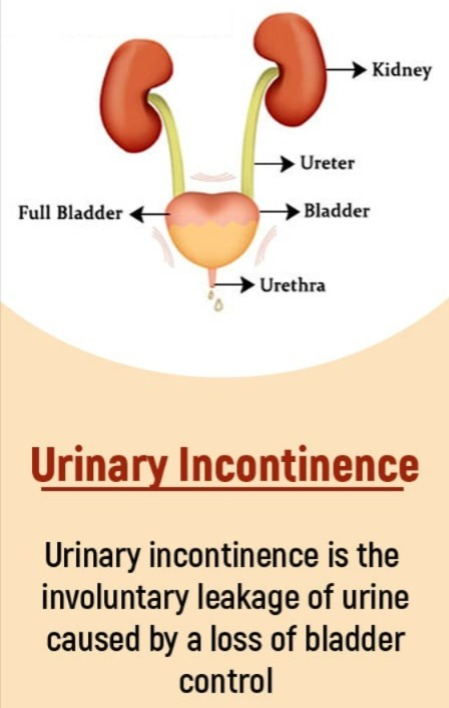
- => Urinary incontinence (urinary incontinence)
••> 34) What is the black flow of urine from the bladder into the ureters called?
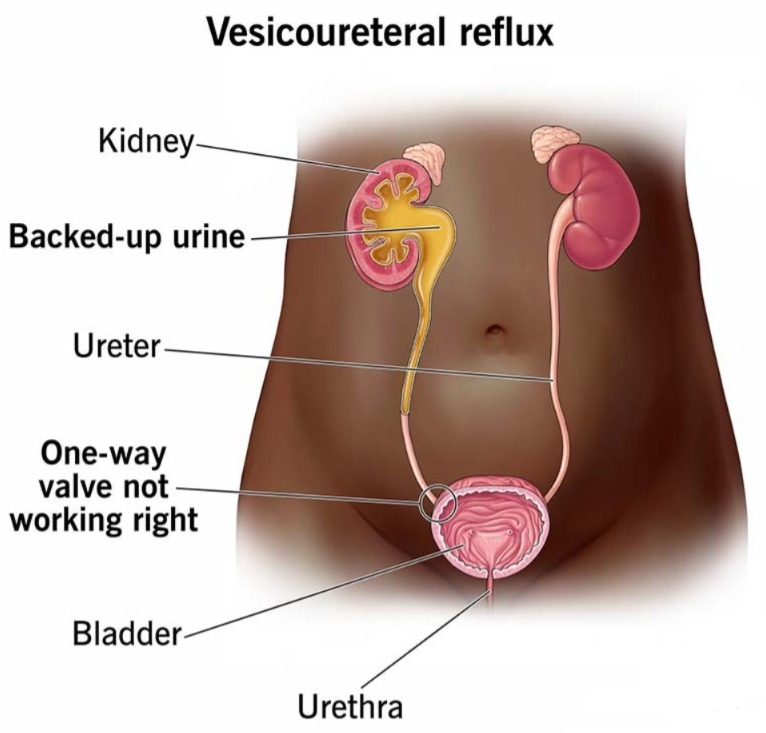
- => Vesico urethral reflux
••> 35) Explain the “VLPP”
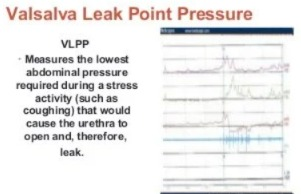
- =>Valsalva Leak – Point Pressure
- => This is a type of abdominal pressure that increases pressure in the bladder and urethra, causing involuntary leakage of urine.
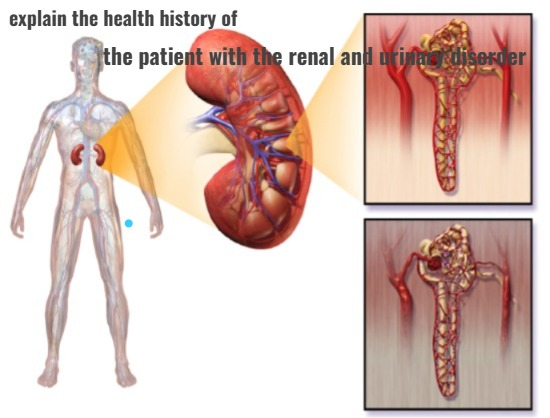
explain the health history of the patient with the renal and urinary disorder (Explain the health history of the patient with the renal and urinary disorder) .
★ subjective data:=
1) important health information
Past History (Past Health History) :=
- Ask the patient about any past renal and other urinary organ related disorders.
- => Ask the patient about any past medication.
- => Ask about whether the patient has been hospitalized in the past.
2)Assess the dietary habit of the patient. (Assess the dietary habit of the patient)
- => Assess the patient’s dietary habits.
- => Obtain information about the patient’s appetite.
- => Ask whether the patient is taking vitamin and mineral supplements.
- => Ask the patient about the amount of fluid intake.
- => Ask about any changes in the patient’s weight.
- => Get information about the type of food the patient consumes daily.
3)Family history
- => Obtain information about whether any person in the patient’s family has a urinary system disorder.
4)Lifestyle factors:=
- => Assess whether the patient has any smoking habit.
- => Obtain information about the amount of physical activity the patient does.
- => Obtain occupational related information from the patient.
5) Activity Exercise patterns
- => Assess the patient’s activity level.
- => Assess whether there have been any changes in the patient’s daily routine activities.
- => Obtain information about whether the patient has any urinary tract related problems after stopping any activity.
- => Obtain information about the amount of daily routine activity the patient does.
6)Assess about the Elimination pattern
- => Obtain information about whether the patient wakes up at night to urinate.
- => Obtain information about whether the patient has blood present in the urine.
- => Obtain information about whether the patient’s urine feels like it is leaking.
- => Obtain information about whether the patient uses a special device to control urine.
- => Obtain information about whether the patient has pain during urination.
7)Assess the Functional health patterns. (Get information about the patient’s functional health patterns).
- => Obtain information about the client’s general health.
- => Assess the patient’s energy amount.
- => Obtain information about whether the patient has visual changes.
- => Obtain information about whether the patient smokes.
8)Assess the symptoms of the patient
- => Obtain information about whether there are any changes in the patient’s urine color.
- => Obtain information about urinary frequency from the patient.
- => Obtain information about whether the patient experiences pain during urination.
objective data
=> Objective data is mainly obtained through physical examination, in which,
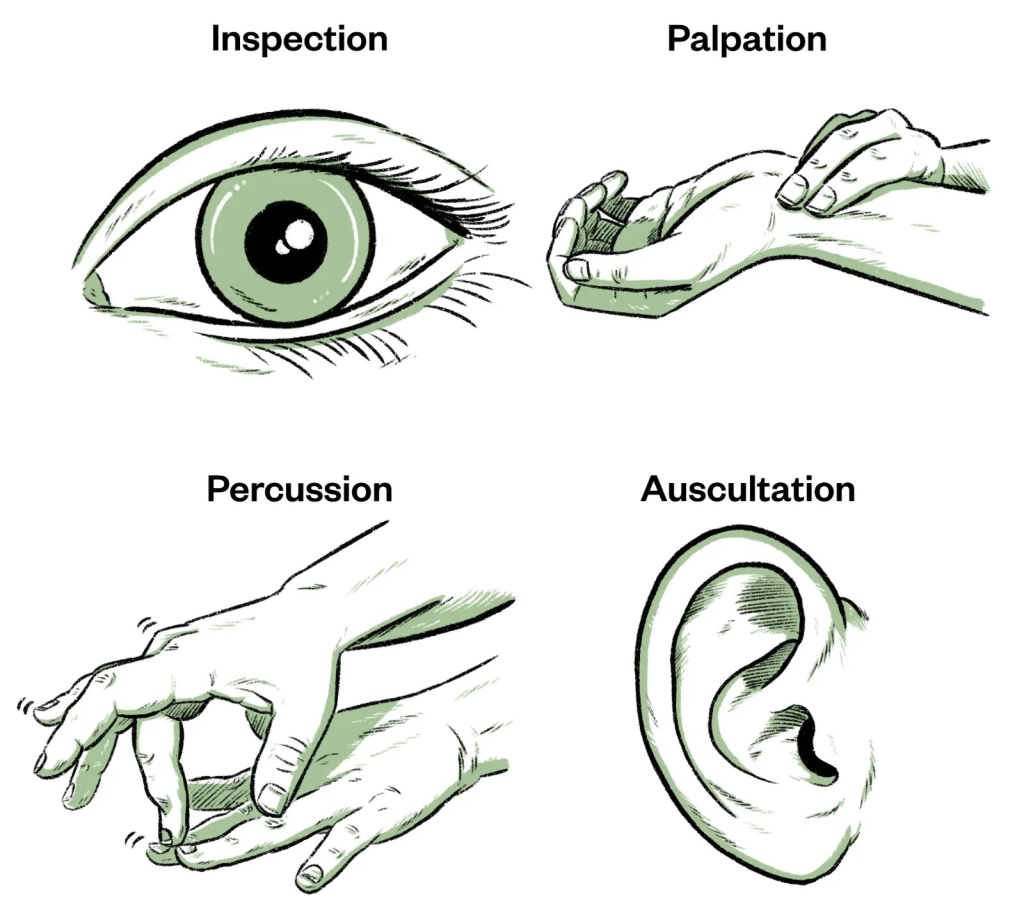
- ••> Inspection,
- ••> Palpation,
- ••> Percussion, and the method of Auscultation.
- ••>Auscultation includes.
1) Inspection
•> skin :=
- ~>Any pallor in the skin,
- ~>Yellow discoloration,
- ~>Any changes in skin color,
- ~> Skin turgor,
- ~> To get information about any changes in skin texture.
•> Mouth :=
- ~> Assess whether ammonia breath is present in the patient’s mouth.
- ~> Assess whether there is any stomatitis condition in the mouth.
•>Face and Extremity :=
- => Assess whether the patient has generalized AD.
- => Assess the patient for kidney enlargement.
3)Abdomen (Abdomen) :=
- ~>Assess whether any mass-like structure is present in the abdominal area that indicates urinary retention.
4)Weight (Weight) :=
- ~> Assess the patient for any weight gain that may indicate edema.
- ~> And assess whether the patient’s weight is less than his normal weight or not.
2) Palpation
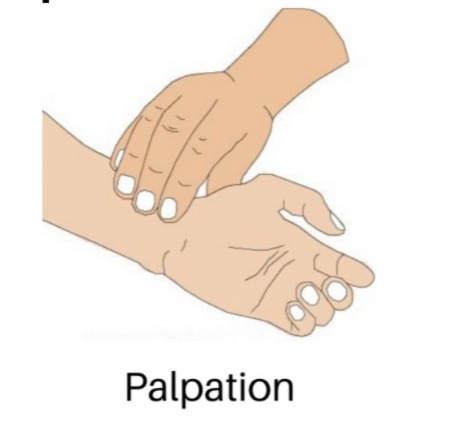
- ~> Assess the patient for any costo-vertebral angle tenderness, any palpable mass, and any palpable kidney.
3) Percussion
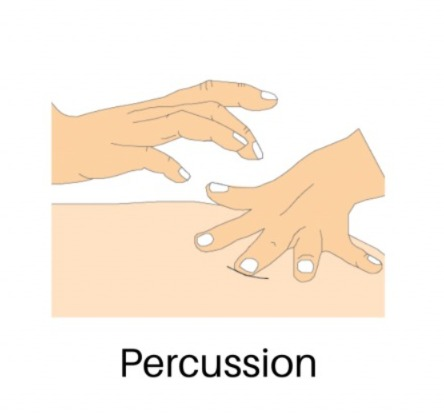
- =>If costovertebral angle tenderness and pain are present, it indicates any infection in the kidney or polycystic kidney disease.
4)Auscultation
- =>Abdominal aorta and renal arteries are auscultated to assess whether any bruit sound is present. Which indicates impaired blood flow in the kidney
Diagnostic finding of the patient with the urinary system (Write a diagnostic evaluation of the patient with the urinary system)
1) Urine colour (Urine colour)
- =>If the patient is taking diuretic medicine, consuming alcohol, has glycosuria, renal disease then the urine is dilute.
2) Bright yellow
- => If the patient is taking a multiple vitamins preparation then the color of his urine is bright yellow.
3) Yellow to milky white
- => Due to pyuria and infection.
4) orange to amber
- => Concentrated urine and bilirubin are mainly seen due to dehydration, piles, bile, carbotens medication.
5)Blue, Blue green (blue and blue green)
- =>Dyes,
- •>Methylene blue,
- •>Pseudomonas species Organisms and medicines are seen.
6) Pink to red color (Pink to red color)
- => Due to the breakdown of HB (hemoglobin).
- =>menses,
- =>Bladder or prostate surgery,
- => some medication like phenytoin, pink and red color is seen.
7)brown to black (brown to black color)
- => Due to old red blood cells, urobilinogen, melanin, dehydration and medication.
2)Renal function test (Renal function test)
- => Renal function tests are mainly used to assess the severity of kidney disease.
3)Kidney, ureters and bladder studies
- => This is mainly done to assess whether any abnormality is present in the structure of the kidney, ureters and bladder.
- => It is used to assess whether any tumor, cyst, stones are present or not.
4) Bladder sonography (Bladder sonography)
- => Bladder sonography is mainly used to detect whether any abnormality is present in the bladder.
- => Bladder sonography is mainly used to detect the size of the bladder, bladder shape, and whether any abnormality is present in the bladder.
5) Cytography (Cytography)
- => Cytography is mainly used to evaluate any injury to the bladder or vesico-urethral reflux.
6) Renal angiography
- =>Renal angiography is used to detect abnormalities of the renal artery.
7) cytoscopy
- => Cystoscopy is used to directly visualize the urethra and bladder.
8)Kidney Biopsy
- => Kidney biopsy is mainly used to detect kidney abnormalities.
- Like:=
•>unexplained acute renal failure , - •>Hematuria,
- •>Transplant rejection,
- •>Glomerulopathies.
9) Assess the specific gravity of the urine
- => The specific gravity of urine measures the concentration of urine. In which the amount of solutes dissolved is assessed.
- =>the specific gravity of the urine is 1.005 to 1.030 .
- => If the specific gravity of urine is low, it is mainly seen due to diabetes insipidus, excessive intake of fluid.
- => Increase in specific gravity of urine is mainly seen due to dehydration, kidney problem.
10)Assess the leukocytes level. (Leukocyte level)
- => To measure the patient’s leukocyte level.
- => If. If leukocytes are present in the urine, it indicates a urinary tract infection.
11)Assess Nitrates level
- => Assess the patient’s urine nitrate level.
- =>If nitrates are present in the urine, it indicates a bacterial infection and urinary track infection.
- => Then the urine protein, ketone bodies, and urine pH are measured. To assess.
12) X Ray of kidney
- => An x Ray investigation is done to assess whether there is any abnormality in the kidney.
1)Explain/Define Urinary retention. (Define urinary retention.)
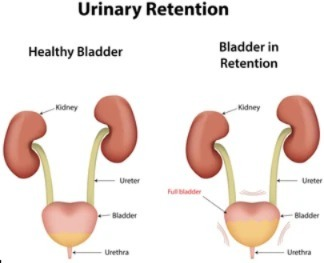
- => Urinary retention is also called ischuria.
- => Urinary retention is a condition in which the ability of the bladder to empty completely is impaired.
- => Due to which the bladder cannot empty completely and urine is retained in the bladder.
- => There are many factors that cause urinary retention. For example,
- •>Due to an obstruction,
- •> Due to nerve problems,
- •>Muscle dysfunction causes difficulty in urination and the condition of urinary retention arises.
2)Explain the Etiology/ cause of the Urinary retention. ( State the reason for urinary retention)
#Obstructive cause ( Obstructive cause)
1)BPH{ Benign Prostatic Hyperplasia ( Benign Prostatic Hyperplasia )}
- =>Mostly in males, the prostate gland enlarges due to aging and due to this, obstruction occurs in the urethra due to which the condition of urinary retention arises is.
2)urethral stricture
- => Any inflammation and injury causes the formation of scar tissues in the urethra and due to this the urethra narrows and the condition of urinary retention arises.
3) Bladder stone (bladder stone)
- => Due to the formation of calculi in the bladder, the urethra becomes obstructed and a condition of urinary retention arises.
4)Tumor
- => If benign and malignant tumors arise in the bladder and prostate gland, they obstruct the urinary flow and due to this, the condition of urinary retention arises.
# Non obstructive cause
1) Neurogenic dysfunction
- => Any injury or inflammation in the nerve that controls the bladder can cause urinary retention.
- => Injury to the spinal cord, multiple sclerosis, and diabetes can also impact the nerve and cause urinary retention.
2) Certain medication
- => Some types of drugs such as anticholinergics, opioids are also involved in the cause of urinary retention.
3) Pelvic organ prolapse
- => Bladder and uterine prolapse also impair urinary flow and cause urinary retention.
4) Infection (due to infection)
- => Urinary function is also impaired due to some types of urinary tract infections.
5) Prostitis (prostatitis),
3) Explain the Clinical manifestation/ sign and symptoms of the patient with the Urinary retention. (Describe the symptoms and signs of a patient with urinary retention)
- Difficulty in urination,
- Sense of incomplete voiding.
- Urinary incontinence.
- Nocturia (waking up at night to urinate).
- Weak or intermittent stream.
- incomplete emptying.
- Increase in urinary frequency.
- Urgency.
- Abdominal discomfort and pain.
- Hydronephrosis (Excess accumulation of fluid into the kidney).
- Pyonephrosis (collection of pus into the kidney).
- Child failure and sepsis.
4) Explain the diagnostic evaluation of the patient with the Urinary retention. (Write diagnostic evaluation for urinary retention)
- history tacking and physical examination.
- bladder ultrasound.
- assess the serum urea.
- assess the serum creatinine level.
- renal function assessment.
- Cytoscopy.
- serum prostate specific antigen ( PSA ).
- MRI of lumbar spine.
5) Explain the management of the Urinary retention. (Explain the management of urinary retention.)
- If there is acute urinary retention, then perform urinary catheterization.
- To relieve urinary retention, perform a stent and suprapubic cystostomy.
- Perform a prostectomy procedure.
- If the cause of urinary retention is benign prostatic hypertrophy, then the patient should be given alpha blocker medicine to relax the urinary muscles and increase urinary flow. It can be done easily.
- Perform a transurethral resection of the prostate on the patient.
- If urinary retention is due to any infection, then provide the patient with biotic medicine.
- If there is any inflammatory condition, then provide the patient with non-steroidal anti-inflammatory drugs.
- Provide the patient with cholinergic medicine.
- Advise the patient to exercise.
Nursing management of patients with the Urinary retention. (Explain the nursing management of a patient with urinary retention)
- Assess the patient’s condition.
- Provide education to the patient for sitting and standing positions.
- Properly assess the patient’s vital signs.
- Provide proper catheter care to the patient.
- Maintain the patient’s intake output chart.
- Provide education to the patient about the disease, its causes, its symptoms and signs, and its treatment.
- Provide analgesic medicine if the patient is in pain.
- Provide comfort measures if the patient is uncomfortable.
- Provide personal Advise the patient to maintain hygiene.
- Maintain aseptic technique to prevent any further complications.
- Provide proper psychological support to the patient.
- Clear all doubts of the patient and his family members.
- Advise the patient to take proper medication.
- Provide a calm and comfortable environment to the patient.
1)Define/ explain urinary Incontinence. (Define Urinary Incontinence)
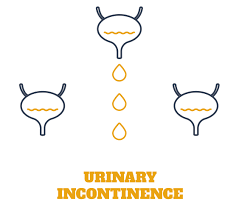
- => Urinary incontinence is a condition in which there is an involuntary and uncontrolled loss of urine from the bladder.
- => Urinary incontinence is a condition in which there is an inability to control the passage of urine and there is an involuntary loss of urine.
- => Urinary incontinence is mainly seen in older people. And it is mainly seen more in women than men.
2) Explain the types of urinary incontinence. (State the type of urinary incontinence)
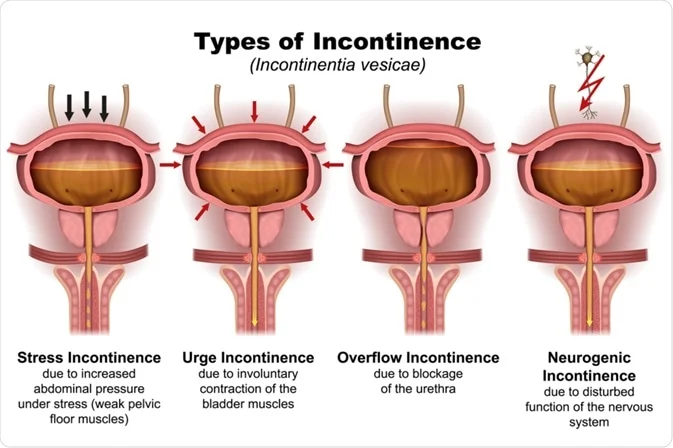
=> There are a total of five types of urinary incontinence.
1) Stress incontinence,
2) Urge incontinence,
3) Overflow incontinence,
4) Functional incontinence,
5) Gross total incontinence (Gross total incontinence).
••••>
1) Stress incontinence,
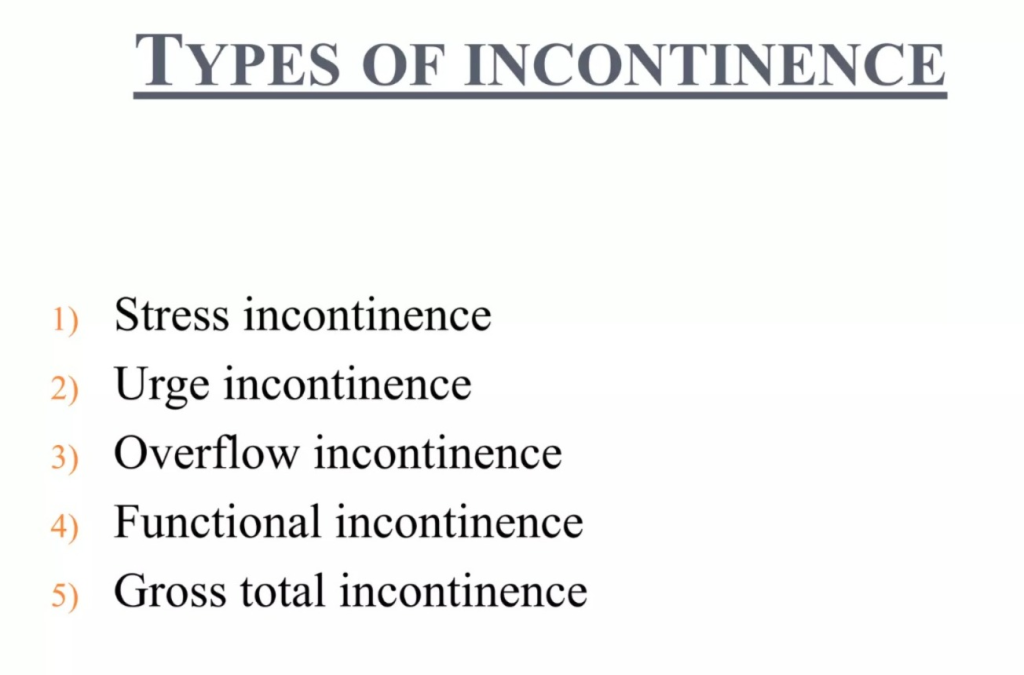
- => In stress incontinence, there is an involuntary loss of urine while performing any action.
- => Like coughing, sneezing, lifting, abdominal pressure comes on the bladder, which causes urinary incontinence.
- => Stress incontinence occurs mainly when abdominal pressure increases on the bladder or when the sphincter muscles of the bladder are weakened.
- => In women, the condition of incontinence is mainly seen due to physical changes such as pregnancy, child birth and menopause.
- => In men, this type of condition arises when the prostate gland is removed.
2) Urge incontinence,
- => Urge incontinence is mainly caused by any •>urinary track infection,
•>bladder irritants ,
•>Bowel problem ,
•>Parkinson disease ,
•>Alzimer disease,
•>stroke,
•> The condition of urge incontinence arises due to injury and damage to the nervous system.
3) Overflow incontinence,
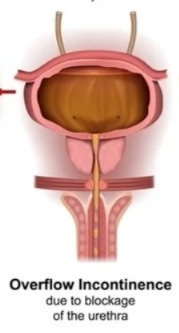
- => Overflow incontinence is a condition in which there is a constant dribbling of urine and frequent urination in small amounts.
- => Overflow incontinence is mainly seen after urinary retention.
- => This type of incontinence condition is mainly seen when the bladder is damaged, the urethra is blocked, and there is any abnormality in the nervous system and the condition of diabetes. It is mainly seen in men when there is any problem with the prostate gland.
- => It is mainly seen in men when there is any problem with the prostate gland.
4)Functional incontinence (Functional incontinence),
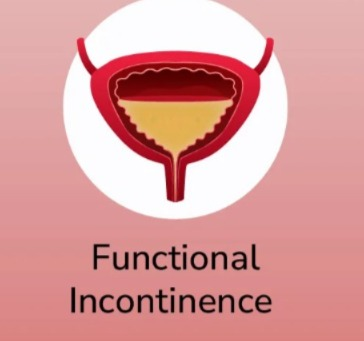
- => Functional incontinence is mainly seen when there is any physical or cognitive impairment.
5) Gross total incontinence.
- => Gross total incontinence is characterized by continuous day and night urine leakage.
- => This type of incontinence is mainly caused by any injury to the spinal cord and urinary system.
3)Explain the Etiology/ cause of the patient with the Urinary incontinence. (Tell the reasons for urinary incontinence)
1) Stress incontinence
- Due to weakness of the pelvic floor muscles.
- Due to pelvic organ prolapse.
2) urge incontinence
- Due to overactive bladder.
- Due to neurological disorders.
3) overflow incontinence
- Due to obstruction.
- Due to weakness of bladder muscles.
4)Functional incontinence
- Mobility and cognitive Impairment.
5)Mixed incontinence ( Mixed incontinence)
- => Combination of factors.
6)other factors ( Other Factor)
- Due to hormonal changes.
- Due to medication.
- Due to chronic illness.
- Due to bed rest.
- Due to alcohol consumption.
- Due to infection and inflammation in the prostate gland.
- Due to impaction of stool due to severe constipation.
- Due to infection in the urinary tract.
- Due to Alzheimer’s disease.
- Due to multiple sclerosis.
- Parkinson’s Due to disease.
- Due to pregnancy.
- Due to genito-urinary surgery.
- Age related changes.
- Due to some type of medication.
4) explain the Clinical manifestation/ sign and symptoms of the patient with the Urinary incontinence. (Describe the symptoms and signs of a patient with urinary incontinence.)
- Dribbling of urine.
- Polyuria.
- Enlargement of the prostate gland.
- Urinary incontinence.
- Nocturnal enuresis.
- Frequency of urination Increase.
- Urgency.
- Incomplete emptying.
- Pelvic discomfort and pain.
- Functional limitation.
- Skin irritation and infection.
- Lifestyle changes To occur.
- Depression and anxiety to occur.
5)Explain the Diagnostic evaluation of the patient with the Urinary incontinence. (Write a diagnostic evaluation of a patient with urinary incontinence.)
- history taking and physical examination.
- urinalysis.
- urine culture.
- residual urine measurement.
- stress test.
- Blood test.
- Cytoscopy.
- Ultrasound.
- urodynamic test.
- vaginal and anal examination.
- serum electrolyte studies.
- Assessment of calcium level.
- Assesss the BUN ( Blood Uria Nitrogen) level.
- Assess the creatinine level.
- Spinal MRI.
- Cytourethrography.
- Intravenous pyelography ( IVP ).
- Electromyography ( EMG ).
6) Explain the Medical management of the patient with the Urinary incontinence. Explain the Medical management of the patient with Urinary incontinence.
1)Provide Antispasmodic drugs
- => Antispasmodic drugs relax the bladder.
- EX :=
•> Flavoxate,
•>Dicyclomine,
2) Provide Anticholinergic drug
- => Anticholinergic drugs mainly reduce involuntary contractions of the bladder.
- Ex:=
Oxybutynin
( Oxybutynin),
Darifenacin
( Darifenacin),
Solifenacin
( Solifenacin),
3) Provide Alpha and beta adrenergic drugs
- => This type of medicine is mainly used to reduce stress incontinence.
- Ex:= phenpropanolamine.
4)Tricyclic antidepressant (Tricyclic antidepressant)
- => Advise the patient to do pelvic floor exercises.
5)Fluid management
- => Advise the patient to properly ingest fluid.
- => Advise the patient to use assistive devices.
6) Skin care
- => Provide proper skin care to the patient.
- => Advise the patient to make environmental modifications.
7)Emotional support
- => Provide proper emotional support to the patient.
8) Collaboration with the health care personnel
- => Collaborate with health care personnel to take proper care of the patient.
9)Monitoring and documentation
- => Continuously monitor the patient.
- => Properly document the patient’s condition.
10)Follow up
- => Advise the patient to follow up regularly.
1)Define/Explain the Urinary track infection.
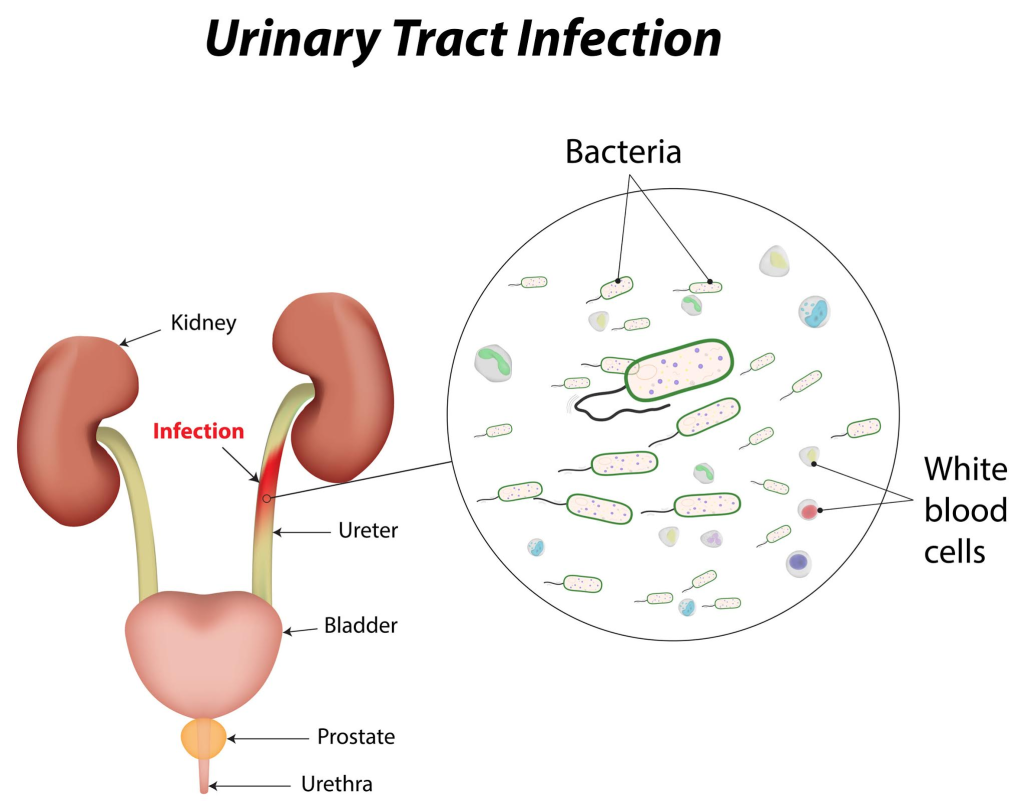
- => Urinary tract infection is an infection and inflammation mainly in the part of the urinary system.
- => The urinary system mainly includes the kidneys, ureters, bladder, and urethra. When this system becomes infected and inflamed, it is called a urinary tract infection.
- => Urinary tract infections arise mainly from pathogenic microorganisms.
- => If a urinary tract infection mainly affects the upper urinary tract, it is called pyelonephritis.
- => If the urinary tract infection mainly affects the lower urinary tract, it is called simple cystitis.
2)Explain the types of urinary track infection.
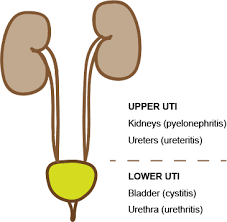
=> There are two main types of urinary tract infection.
1)Upper urinary track infection (Upper urinary track infection),
2) Lower urinary track infection (Lower urinary track infection).
1)Upper urinary track infection (Upper urinary track infection),
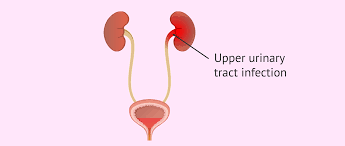
- => Upper urinary tract infection is mainly called pyelonephritis.
- => Upper urinary tract infections mainly involve the kidneys and ureters.
- => Due to this, fever, chills, nausea, vomiting and other symptoms are mainly seen.
2) Lower urinary track infection.
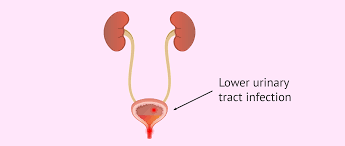
- => Lower urinary tract infection is called simple cystitis.
- => Lower urinary tract infection mainly involves the bladder and urethra.
3) Explain Etiology/ cause of the patient with the Urinary track infection.
- Escheresia coli ( Escherichia coli ),
- Klebsilla ( Klebsiella ),
- Enterococcus ( Enterococcus),
- Enterobacter ( Enterobacter),
- Pseudomonas ( Pseudomonas),
- Proteus ( Proteus),
- Stephylococcus ( Staphylococcus),
- Mycoplasma ( Mycoplasma),
- Chlamydia ,
4)Explain the risk factore of the patient with the Urinary track infection.
1)Female :=
- •>short urethra,
- •>Dimimosed urethral peristalsis,
- •>use of Diaphragm.
2) Structural abnormality due to inline.
- •> Due to urethral stricture.
- •> Due to urethral vesical function abnormality.
3) Obstruction (due to obstruction)
- => Due to tumor being present.
- => Due to calculi being present.
- => Due to prostatic hypertrophy.
4)Impaired bladder innervation
- => Due to multiple sclerosis.
- => Due to urinary stasis.
- => Due to neurogenic bladder.
5) Chronic disease (due to chronic disease)
- => Immunosuppression,
- => Due to glomerulonephritis,
- => Due to hypertension.
- => Due to sickle cell anemia.
6) Age
- => Due to anemia.
- => Due to malnutrition.
5) Explain the clinical manifestation/ sign and symptoms of the patient with the urinary tract infection. ( State the symptoms and signs of a patient with urinary tract infection)
- Dysuria (Dysuria:= pain and burning sensation during urination).
- Increased frequency of urination.
- Urgency to urinate.
- Himeaturia (blood in urine).
- Cloudy and foul-smelling urination.
- Pelvic pain.
- Flank pain.
- Fever.
- Chills.
- Nausea.
- Vomiting.
- Urinary incontinence.
- Lower back pain.
- Headache.
- Pain during urination.
6)Explain the diagnostic evaluation of the patient with the Urinary tract infection. (Describe the diagnostic evaluation of a patient with urinary tract infection)
- history taking and physical examination.
- Complete blood count.
- Urine analysis.
- Urinary microscopy.
- Urine Culture.
- Ultrasound.
- X ray.
- MRI.
- Cytoscopy.
7)Explain the Medical management of the patient with the Urinary track infection. Tell me.
- Monitor the patient’s intake output chart.
- Assess the patient for any adverse reactions.
- Advise the patient to increase fluid intake.
- Provide antibiotic medicine to the patient.
- Ex:=
•>ciprofloxacin ,
•Nitrofurantoin/trimethoprime. - If the patient is in pain, provide analgesic medicine.
- Ex:=
•>Acetaminophen,
•>Ibuprofen . - Advise the patient to avoid irritating foods such as alcohol, tea, coffee, spicy food, hot food.
- Advise the patient to maintain personal hygiene.
- Provide psychological support to the patient.
- Advise the patient to take medication properly.
8)Explain the nursing management of patients with the Urinary track infection.
- Properly assess the patient.
- Advise the patient to properly ingest fluids.
- Provide analgesic medicine if the patient is in pain.
- Provide mind diversional therapy to the patient.
- Assess the extent to which the patient’s medication is effective.
- Provide the patient with properly prescribed antibiotic medicine.
- Advise the patient to properly maintain personal hygiene.
- Advise the patient to get adequate rest.
- Assess the patient for any other complications.
- Advise the patient to follow up regularly.
- Document the patient’s information properly.
- Provide proper psychological support to the patient.
- Provide a calm and comfortable environment to the patient.
- Advise the patient to take a properly nutritious diet.
- Advise the patient to follow up regularly.
- Provide psychological support to the patient.
- Clear all the doubts of the patient.
- Provide a calm and comfortable environment to the patient.
1) Explain/Define the upper urinary tract infection. Upper urinary tract infection.
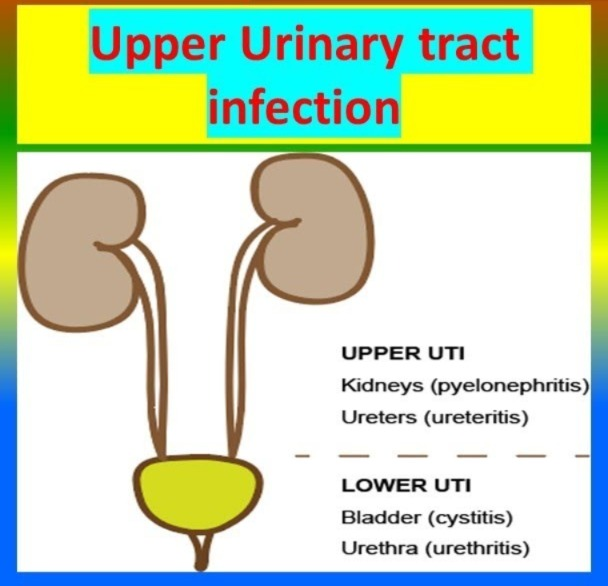
- => Upper urinary tract infection is called pyelonephritis.
- => The upper urinary tract includes the kidneys and ureters.
- => Pyelonephritis involves the kidneys, ureters, calyx, and renal pelvis.
- => Pyelonephritis is mainly caused by bacterial infection.
- => In pyelonephritis, bacteria travel mainly from the lower urinary tract (bladder and urethra) to the upper urinary tract (kidneys and ureters), creating infection and inflammation in the upper urinary tract.
2) Explain the types of pyelonephritis. (Type of pyelonephritis)
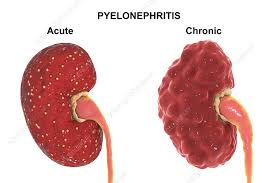
=> There are two types of pyelonephritis.
1) Acute pyelonephritis,
2) Chronic pyelonephritis
1) Acute pyelonephritis,
- => Acute pyelonephritis develops rapidly and symptoms have a sudden onset.
- => Acute urinary tract infection usually occurs within 24 to 48 hours to a week.
Explain the Etiology of the Acute pyelonephritis. (Tell the causes of acute pyelonephritis)
- Due to bacterial infection.
- E.coli bacteria ( Escherichia coli).
- Due to vesico urethral reflux (backward flow of urine from bladder to kidney).
- Due to urinary obstruction.
- Due to an impaired immune system.
- Due to an indwelling catheter.
- Klebsilla (Klebsilla).
- Enterobacter species (Enterobacter species).
2) chronic pyelonephritis (chronic pyelonephritis)
- => Chronic pyelonephritis develops gradually and is mainly seen over an extended period.
- => Chronic pyelonephritis is mainly caused by repeated episodes of acute pyelonephritis infection, which leads to chronic pyelonephritis.
- => Chronic pyelonephritis causes inflammation of the kidneys and fibrosis of the tubules and interstitial tissues, leading to end-stage renal disease.
- => Chronic pyelonephritis is mainly seen from 6 months to 1 year.
- => Chronic pyelonephritis is caused by recurrent or persistent renal infection, vesico-urethral reflux, and urinary tract obstruction.
Explain the Etiology of cronic pyelonephritis. (Explain the causes of chronic pyelonephritis)
- => Due to bacterial infection.
- =>Due to neurogenic bladder.
- => Due to hypertension.
- => Due to obstruction of urine flow.
- => Due to repeated infection.
- => Due to structural damage.
- =>Kidney stone.
- =>Due to urinary tract abnormality.
3)Explain the Clinical manifestation/ sign and symptoms of the chronic pyelonephritis. (Tell the symptoms and signs of chronic nephritis)
- => Fever.
- => Chills.
- => Flank or back pain.
- => Urinary frequency increases.
- =>Nausea and vomiting.
- => Painful urination.
- => Urinary frequency increases.
- => Costovertebral angle tenderness.
- => Hematuria (blood in urine).
- => Fatigue (fatigue).
- => flank tenderness.
- => Malaise.
- => Having back pain.
- => Dysuria (Dysuria := difficulty and painful urination).
- =>Confusion.
4) Explain the Diagnostic evaluation of the patient with the Urinary tract infection.
-
- history tacking and physical examination.
-
- Urinalysis .
-
- Urine culture.
-
- Sensitivity test.
-
- Complete blood count test.
-
- Blood culture.
-
- Intravenous pyelography ( IVP ).
-
- Kidney ultrasound.
-
- CT Scan.
-
- voiding Cystourethrography to detect the structural and functional abnormality.
-
- cytography to rule out the benign prostatic hypertrophy.
-
- Renal biopsy.
-
- MRI .
5) Explain the Medical management of the patient with the pyelonephritis disorder.
- Provide antibiotic medicine to the patient.
- Ex:=
=>Tobramycine,
=>Gentamycine,
=>Vancomycine,
=>Ciprofloxacine ,
=>Norfloxacine,
=>Trimethprim,
=>Sulfamethoxazole - Provide antipyretic medicine to the patient.
- Ex:=Paracetamol.
- Provide urinary anti-infective medicine to the patient.
- Ex:=
Nitrofurantin,
Trimethoprime. - Provide urinary anti-infective medicine to the patient.
- Ex:=
Tab Phenazopyridine.
6)Explain the surgical management of patients with the pyelonephritis. (Write the surgical management of patients with pyelonephritis)
1)ureteroplasty
- => In this procedure, the stricture in the ureters is surgically removed or repaired.
2) Ureteral reimplantation
- => Urethral reimplantation is performed to completely cure vesicourethral reflux.
3) Ureteral stent (Urethra stent)
- =>Urethra stent mainly increases urine flow.
4) percutaneous ultrasonic pyelolithotomy. ( Percutaneous Ultrasonic Pyelolithotomy)
- =>Percutaneous Ultrasonic Pyelolithotomy is mainly used to remove crush and stones.
7) Explain the Nursing management of patients with the pyelonephritis.
- Patient’s Properly assess.
- Properly assess the patient’s vital signs.
- Advise the patient to take adequate fluid intake.
- Provide intravenous fluids to the patient.
- Provide proper medicine to the patient.
- Provide analgesic medicine to relieve the patient’s pain.
- Advise the patient to take proper medication.
- Maintain the patient’s proper intake output chart.
- Advise the patient to maintain aseptic techniques.
- Advise the patient to take proper follow-up.
- Advise the patient to take adequate rest.
1) Explain the lower urinary tract infection. (Define lower urinary tract infection)
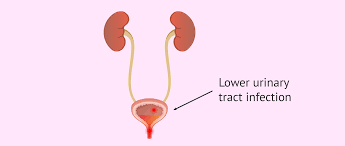
- => Lower urinary tract infection is an infection and inflammation of the lower part of the urinary system, the bladder and urethra.
- => Lower urinary tract infection occurs due to many reasons.
Like:= - 1) Urethral vesico reflux.
- 2) Due to bacterial infection in the urinary tract.
- lower urinary tract infection :=
- => infection and inflammation of the lower urinary track ( bladder and urethra it’s called as a lower urinary track infection. ) }.
2) Explain the Etiology/ cause of the patient with the lower urinary track infection.
- Caused by bacterial infection.
- Ex:=
•>E.coli.
•>Klebsilla.
•>Enterococcus.
•>Staphylococcus •>saprophytucus. - Due to urinary tract abnormality.
- Due to weakened immune system.
- Urinary catheter.
- Due to certain types of drugs.
- Due to radiation.
- Due to unhygienic conditions.
- Due to congenital deformity in the urinary system.
- Unprotected sexual intercourse.
- Due to any other infection.
3) Explain the Clinical manifestation of the patient with the lower urinary track infection.
- Burning sensation during urination.
- Increase urinary frequency.
- Increase urgency of urination.
- Passing small and frequent amounts of urine.
- Nocturia (urination during night time).
- Urinary incontinence.
- Fowl smelling urine.
- Hematuria (blood in urine).
- Discomfort in the pelvic area.
- Back pain.
- Pelvic pain.
- Low grade fever Come.
- nausea.
- vomiting.
4) Explain the diagnostic evaluation of the patient with the lower urinary track infection.
- History tacking and physical examination.
- Urine analysis.
- Cytoscopy.
- Ultrasound.
- X-ray.
- intravenous urography.
- colony count.
- cellular findings.
5) Explain the Medical management of the patient with the lower urinary track infection.
- Provide antibiotic medication to the patient.
- Give analgesic medicine if the patient is in pain.
- Advise the patient to exercise properly.
- Advise the patient to maintain personal hygiene.
- Advise the patient to drink plenty of water.
6)Explain the Nursing management of patients with the lower urinary tract infection.
- Take a complete history of the patient.
- Take a proper history of what kind of signs and symptoms the patient has.
- Advise the patient to take proper medication.
- Provide antispasmodic medication to relieve the patient’s pain.
- If the patient has inflammation If there is a condition, provide aspirin medicine.
- Advise the patient to apply heat.
- Advise the patient to consume plenty of fluids.
- Advise the patient to avoid irritating substances such as tea, coffee, cold drinks and spicy foods.
- Advise the patient to maintain proper personal hygiene.
- Properly measure the patient’s vital signs.
- Advise the patient to take plenty of fluids.
- Provide psychological support to the patient.
- Provide the patient with complete information about his disease condition, its causes, its symptoms and signs.