ENGLISH-UNIT-9-Digestive system disorders part-1(UPLOAD)
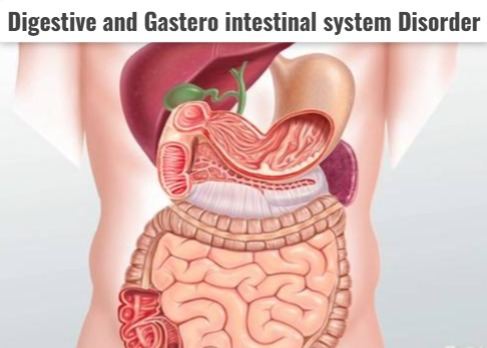
Digestive and Gastero intestinal system Disorder:
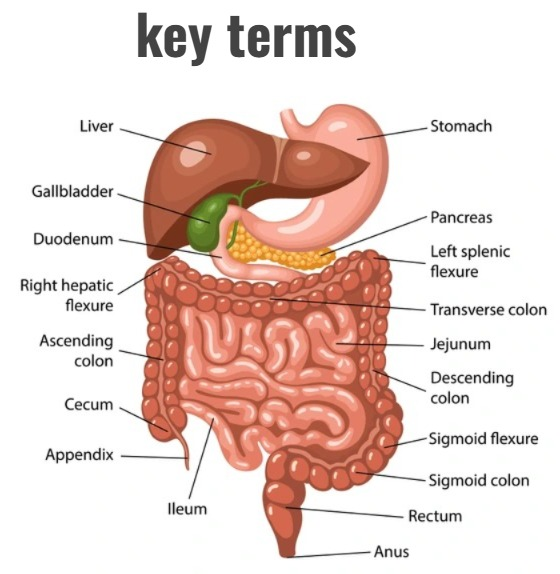
key terms:
1) Define/explain the cheillies Define.)
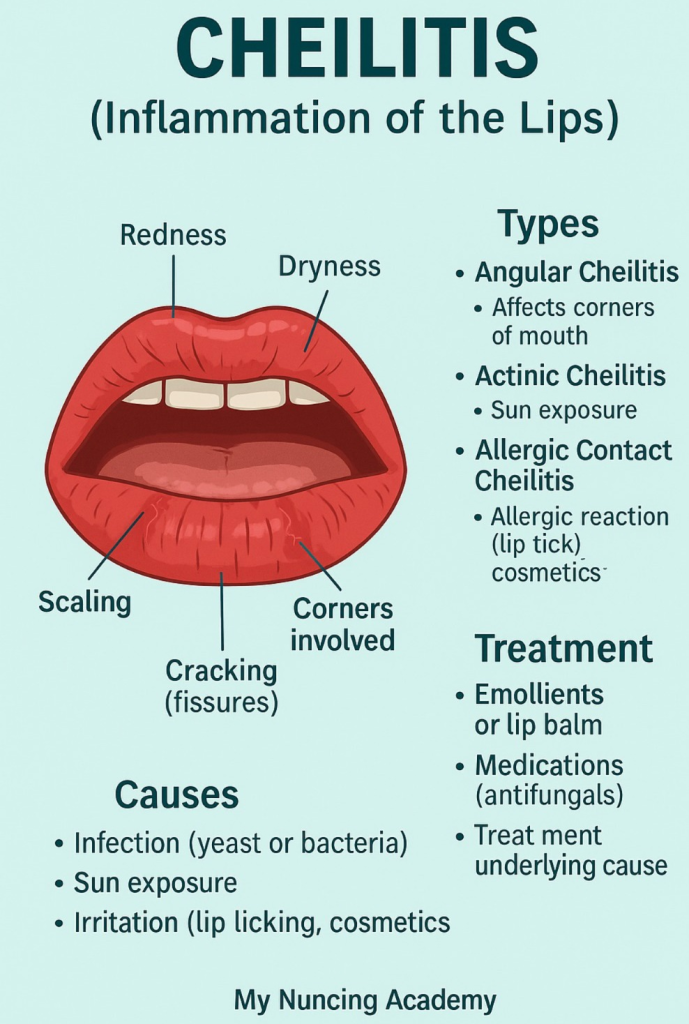
- Cheilitis is a medical condition in which there is infection and inflammation of the lips. inflammation of the lips it’s called chellitis).
2)Define/explain the herpes labialis. (Define herpes labialis.)
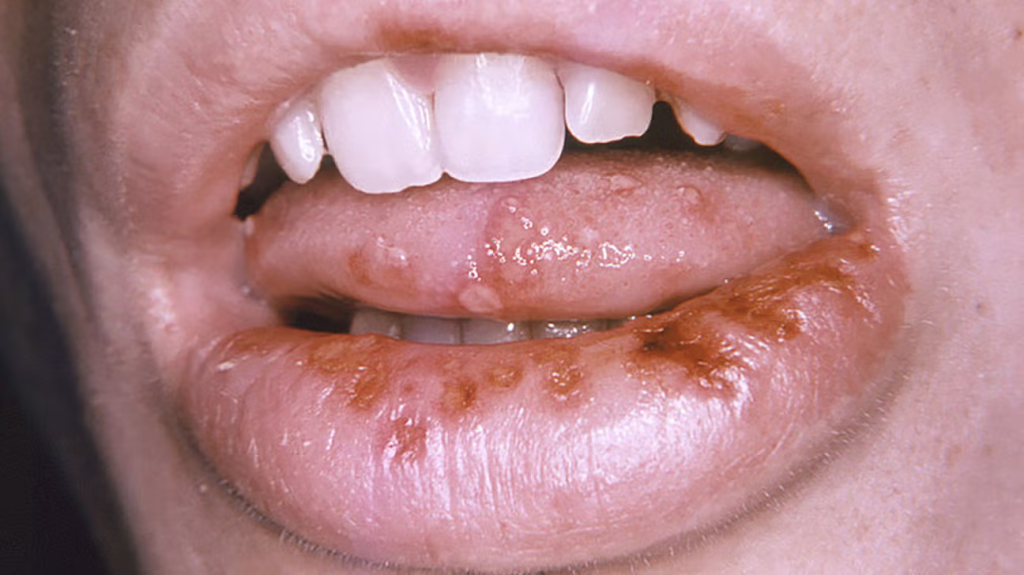
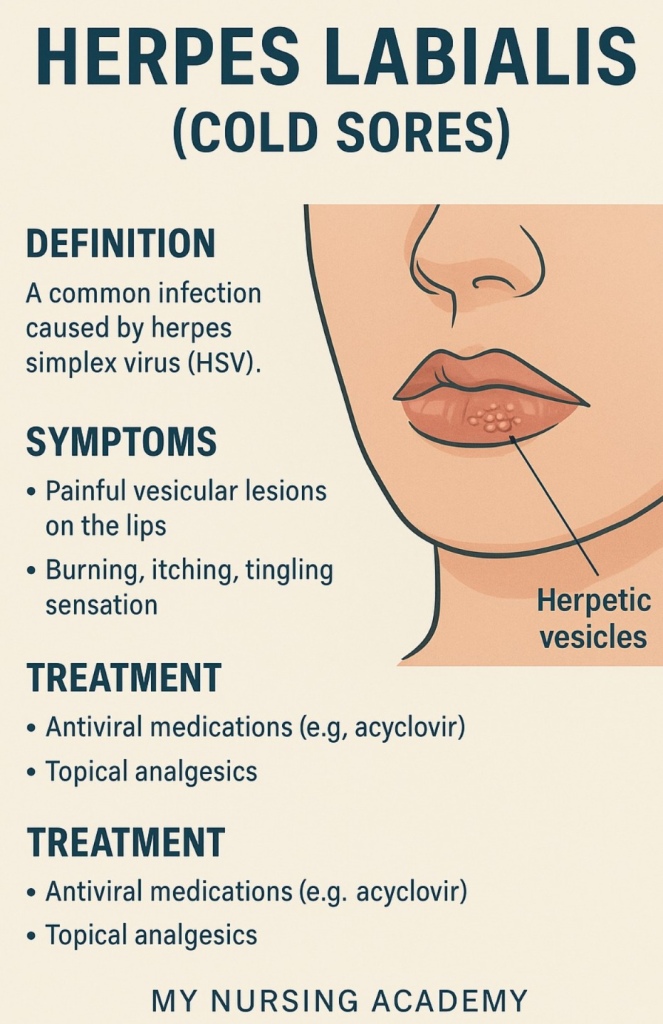
- Herpes labialis is a condition in which the lips, mouth, and gums are infected by the herpes simplex virus and small painful blisters called cold sores and fever blisters develop.
3) Define/explain the gingivitis. (Define gingivitis.)
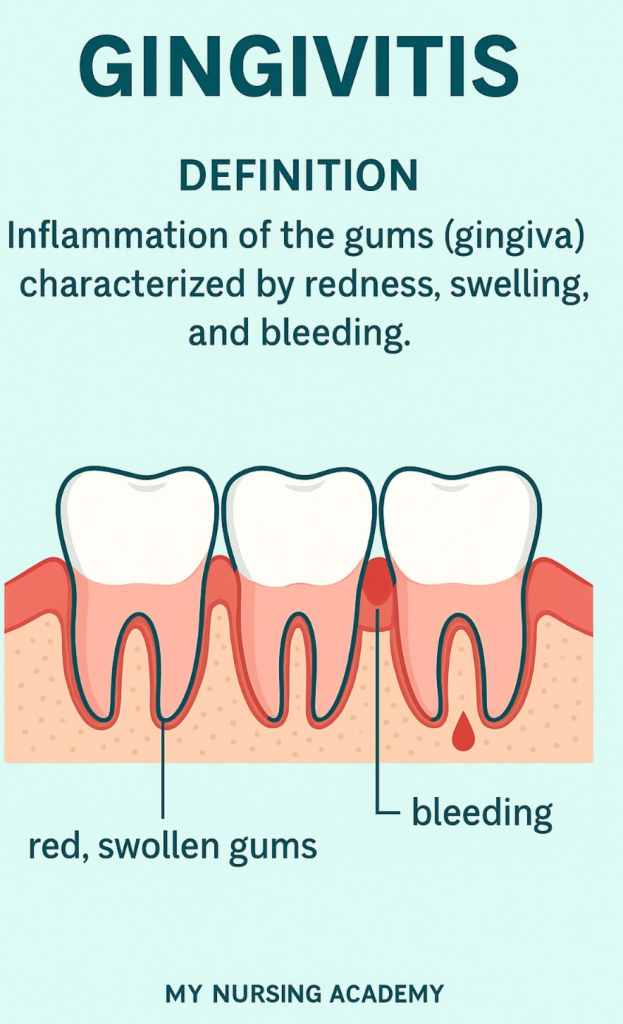
- Gingivitis is an infection and inflammation of the gums. is.
4) Define/explain pyorrhea.
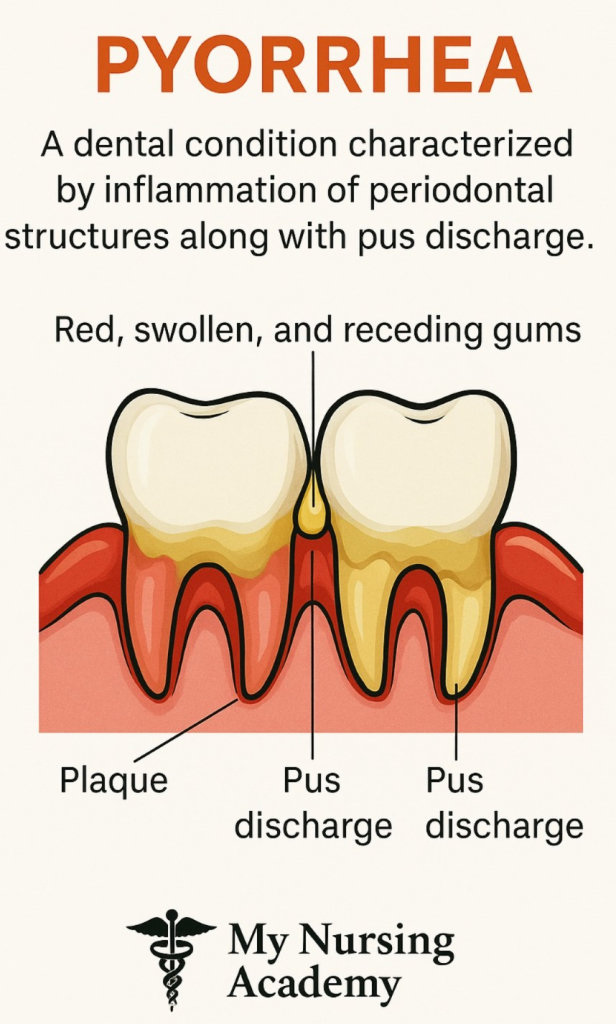
- Pyorrhea is also called periodontitis.
- Pyorrhea is the infection and inflammation of the bones and ligaments that support the teeth.
5) Define / explain halitosis. (Define halitosis.)
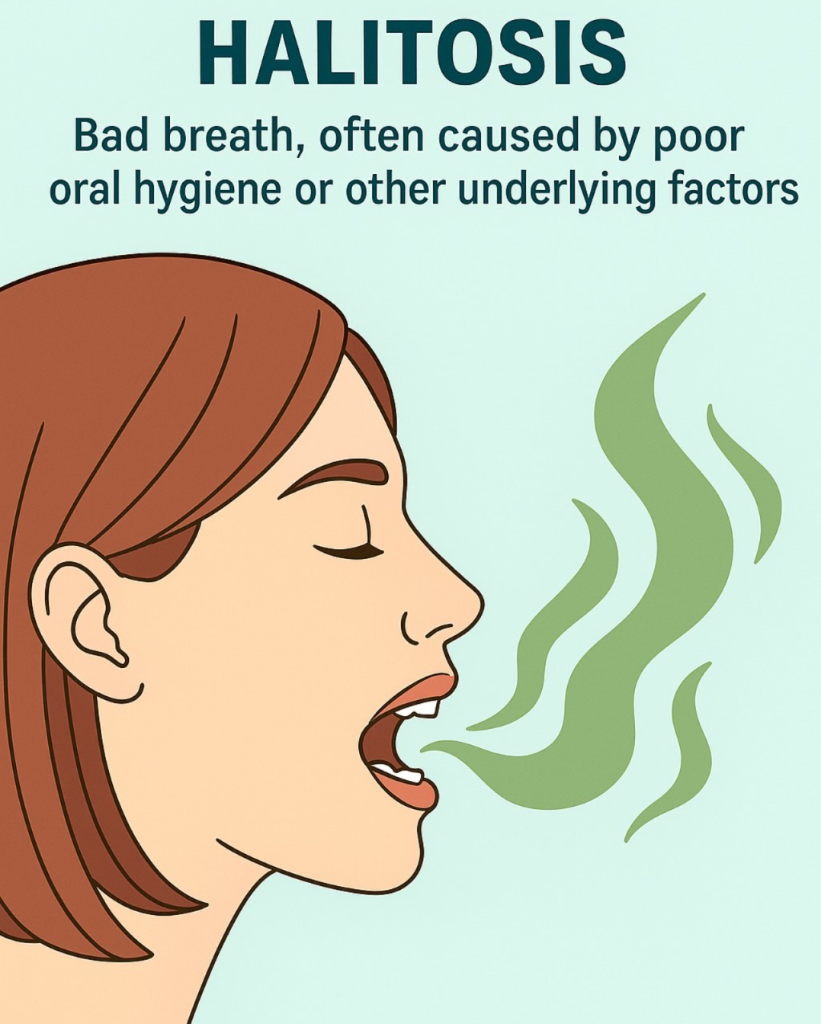
- Halitosis is also called bed breath. It is mainly caused by bad breath. The unpleasant odor present when exhaled is called halitosis.
6) Define/explain Glossotis. (Define Glossitis.)
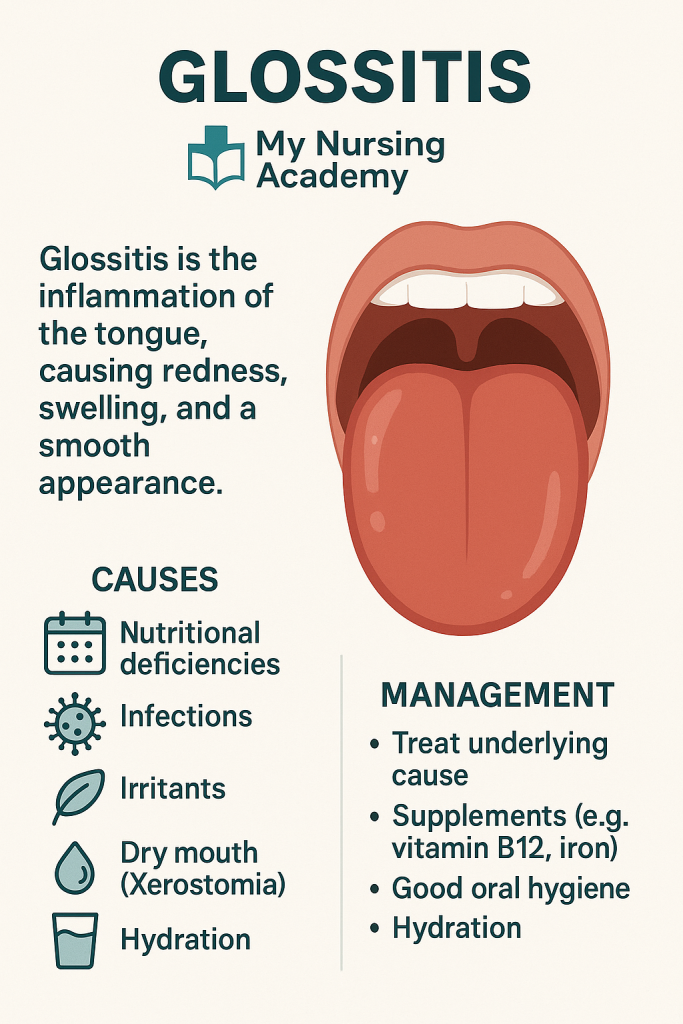
- Infection and inflammation of the tongue is called Glossitis When glossitis occurs, the tongue becomes swollen and its color changes.
7) Define/explain parotitis. (Define parotitis.)
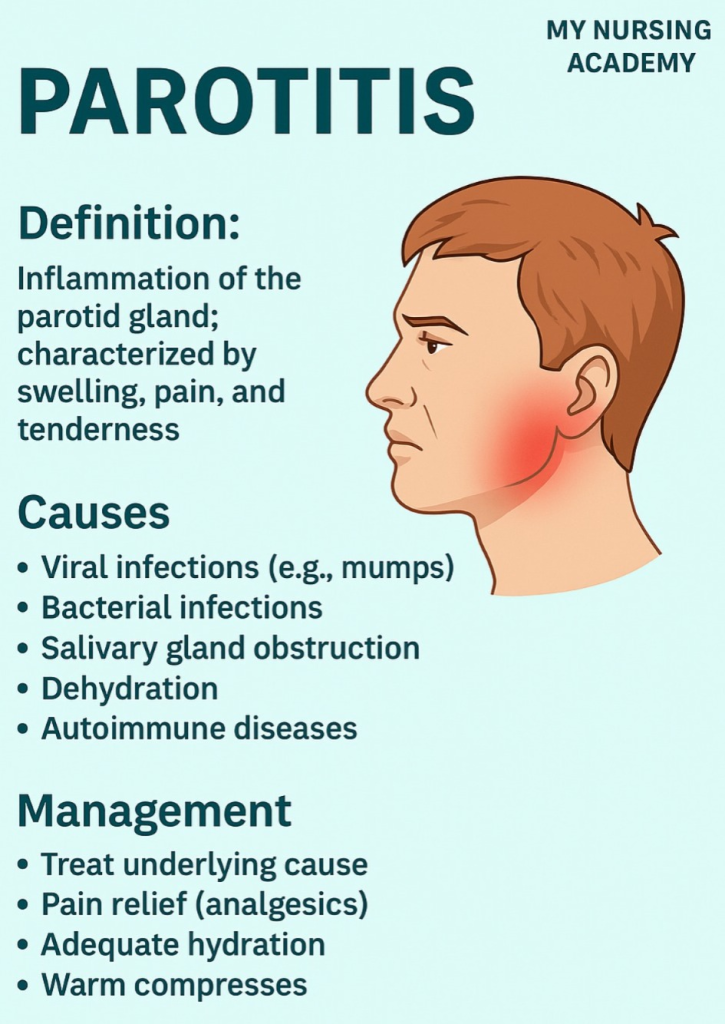
- Infection and inflammation of the salivary gland i.e. parotid gland It is called parotitis.
8) Define /explain the sialadenitis. (Define cialadenitis.)
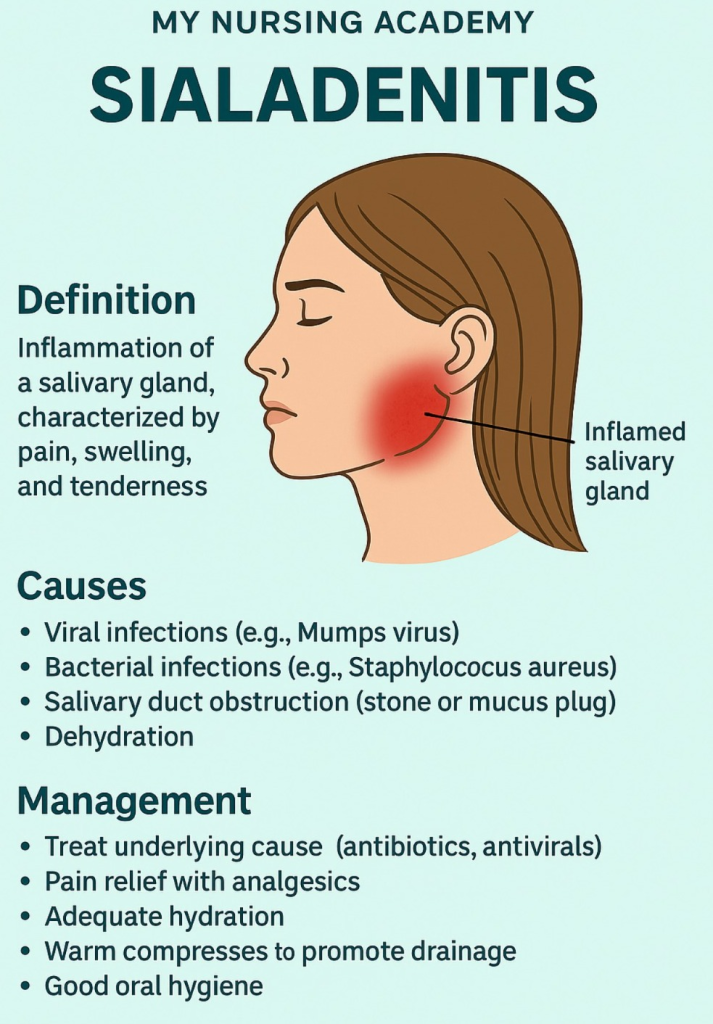
- Infection and inflammation of the salivary glands is called cialadenitis. is.
9) Define/explain dental plaque and caries. (Define dental plaque and caries).
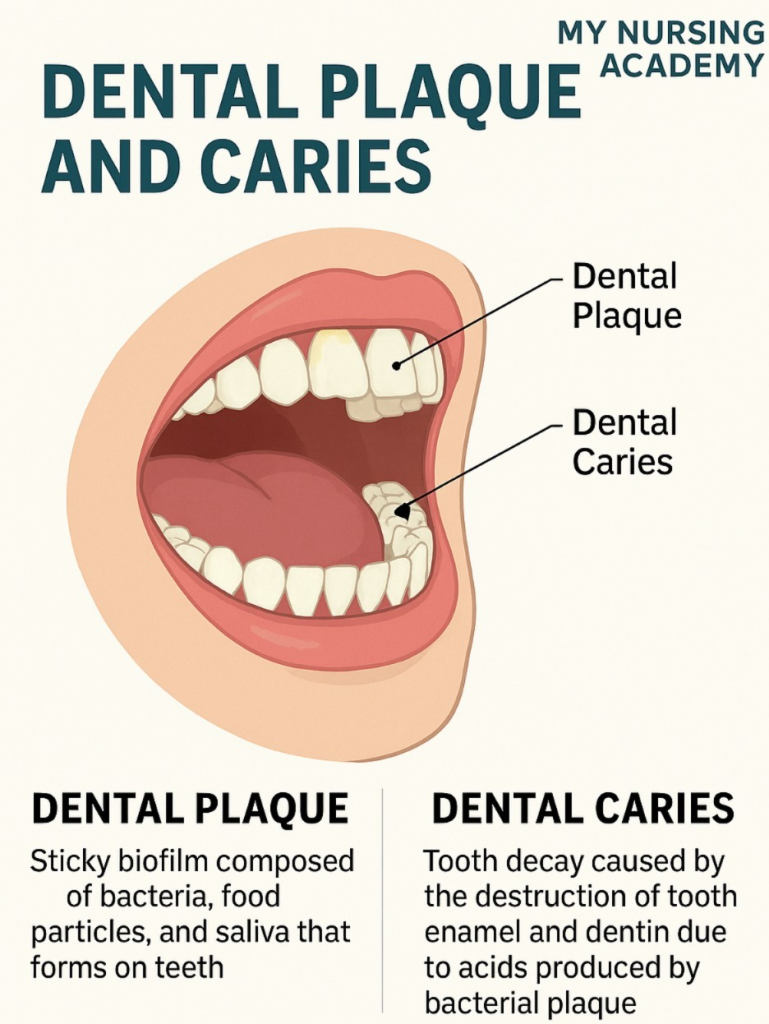
- Dental plaque is formed when the minerals in the teeth When there is loss, a hollow space is formed in the teeth, which is called tooth decay, and dental plaque and caries form in the hollow space.
10) Define/explain stometitis. (Define stomatitis)
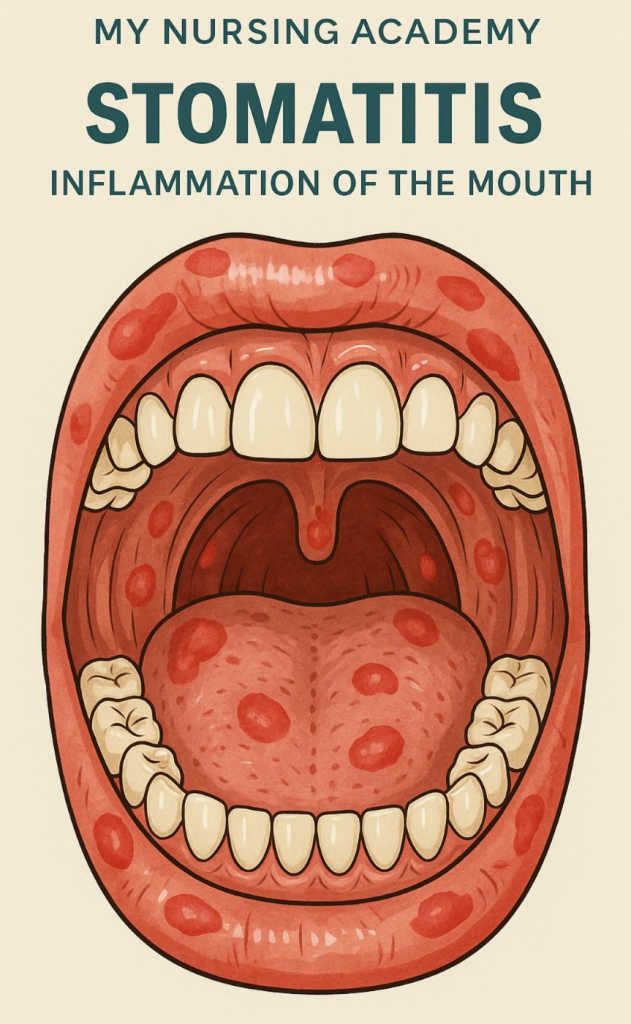
- Stomatitis is an infection and inflammation of the mucous membrane lining of the mouth, lips, and palate.
11)Define/explain oesophagitis. (Define esophagitis.)
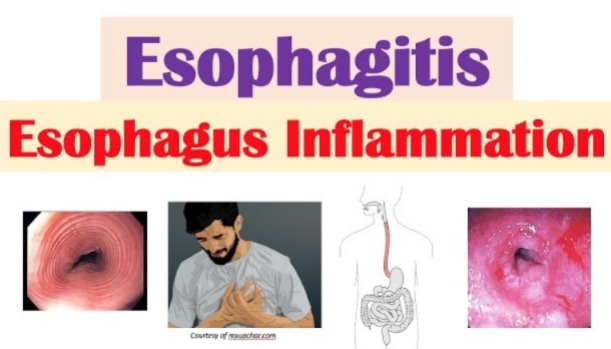
- Esophagitis is an infection and inflammation of the esophagus. is.
12) Define/explain esophageal structure. (Define esophageal stricture.)
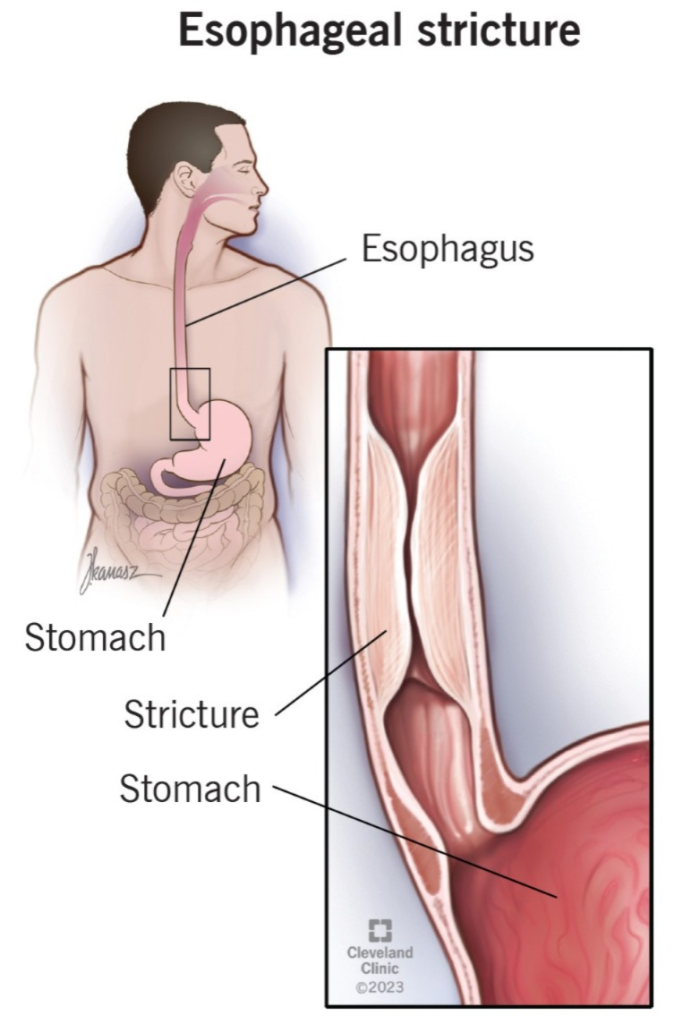
- A buildup of scar tissue in the esophagus (food pipe) This causes the esophagus to narrow. This is called an esophageal stricture. This causes difficulty in swallowing.
13) Define/explain esophageal varices.
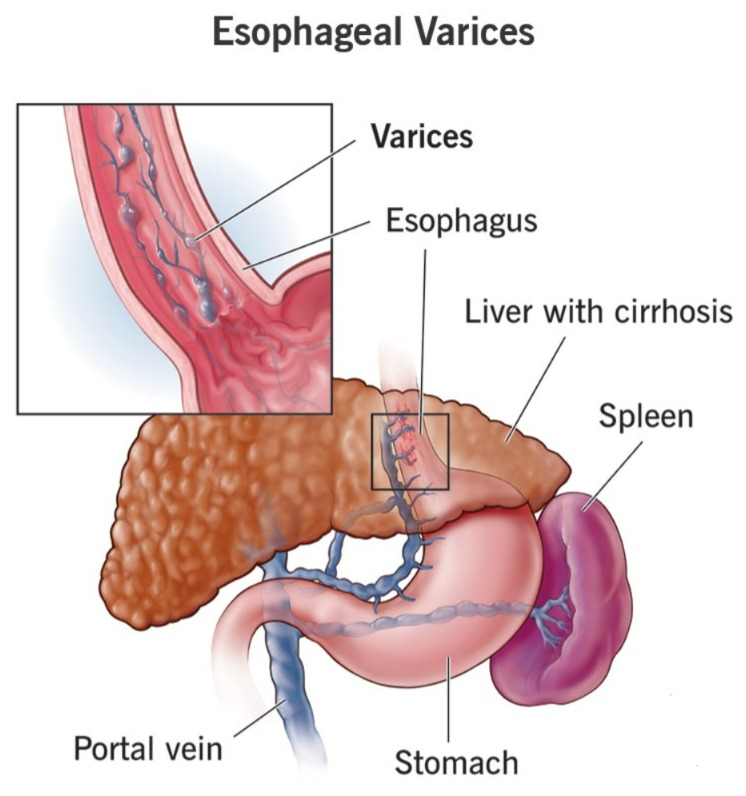
- Esophageal varices are a condition in which the veins in the lower part of the esophagus become enlarged, which is mainly seen in people with severe liver disease.
14) Define/explain Dysplagia. (Define dysphagia.)
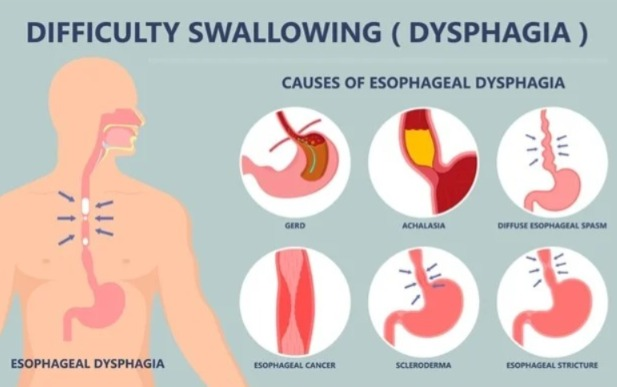
- When there is difficulty in swallowing or pain while swallowing, it is called dysphagia. is.
15) Define/explain tracheoesophageal fistula. (Define tracheoesophageal fistula).
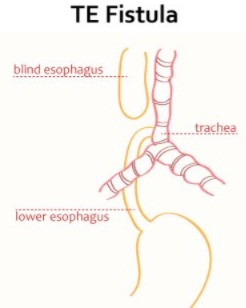
- Tracheoesophageal fistula is a congenital disorder in which the trachea and esophagus There is an abnormal connection between.
16) Define/explain the gastritis. (Define gastritis.)
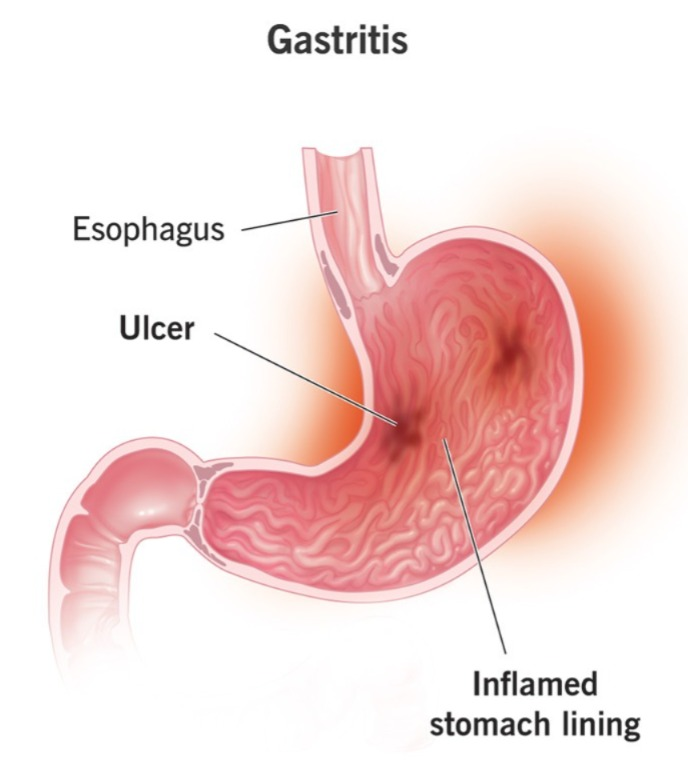
- Infection and inflammation of the stomach is called gastritis.
17) Define/explain gastrointestinal bleeding. (Define gastrointestinal bleeding.)
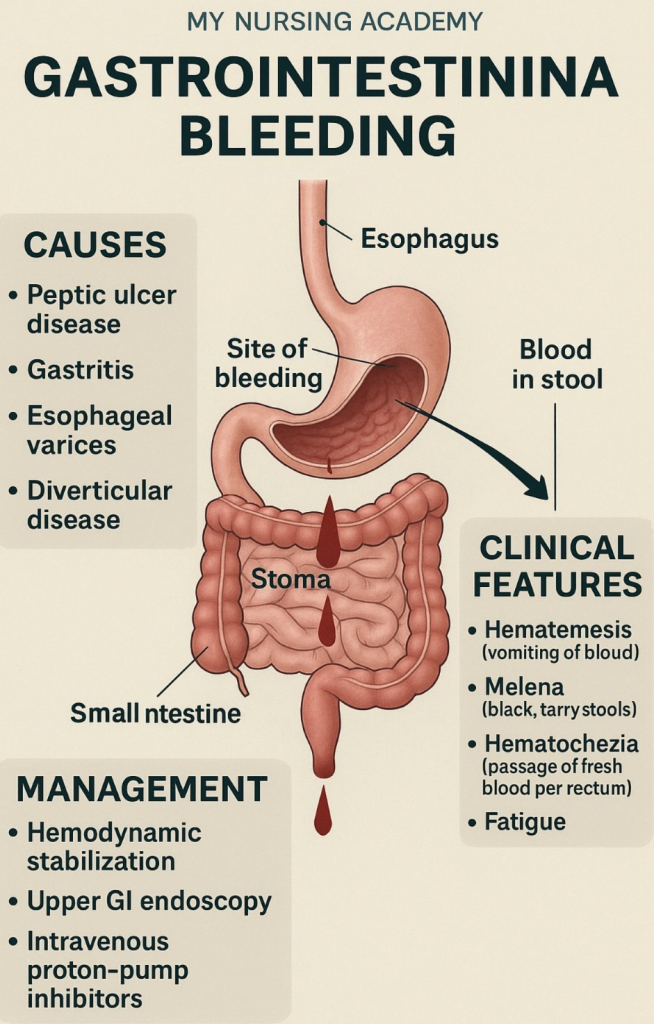
- Gastrointestinal bleeding is a It is a condition in which bleeding occurs in the digestive track (Diagestiv track) from the mouth to the anus.
18) Define/explain Giardiasis. (Define GERD.)
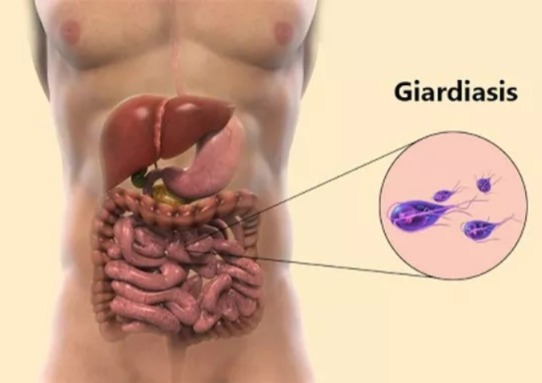
- GERD is an infection of the small intestine caused by the microscopic parasite GERD. Caused by Giardia lamblia.
19) Define/explain cryptosporidiosis. (Define cryptosporidiosis.)
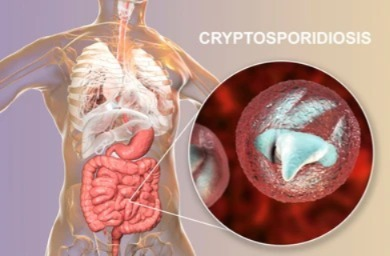
- Cryptosporidiosis is a small intestinal infection caused mainly by parasites. Cryptosporidiosis is caused by the parasite cryptosporidiosis enteritis, which creates a condition of diarrhea.
20) Define/explain constipation. (Define constipation.)
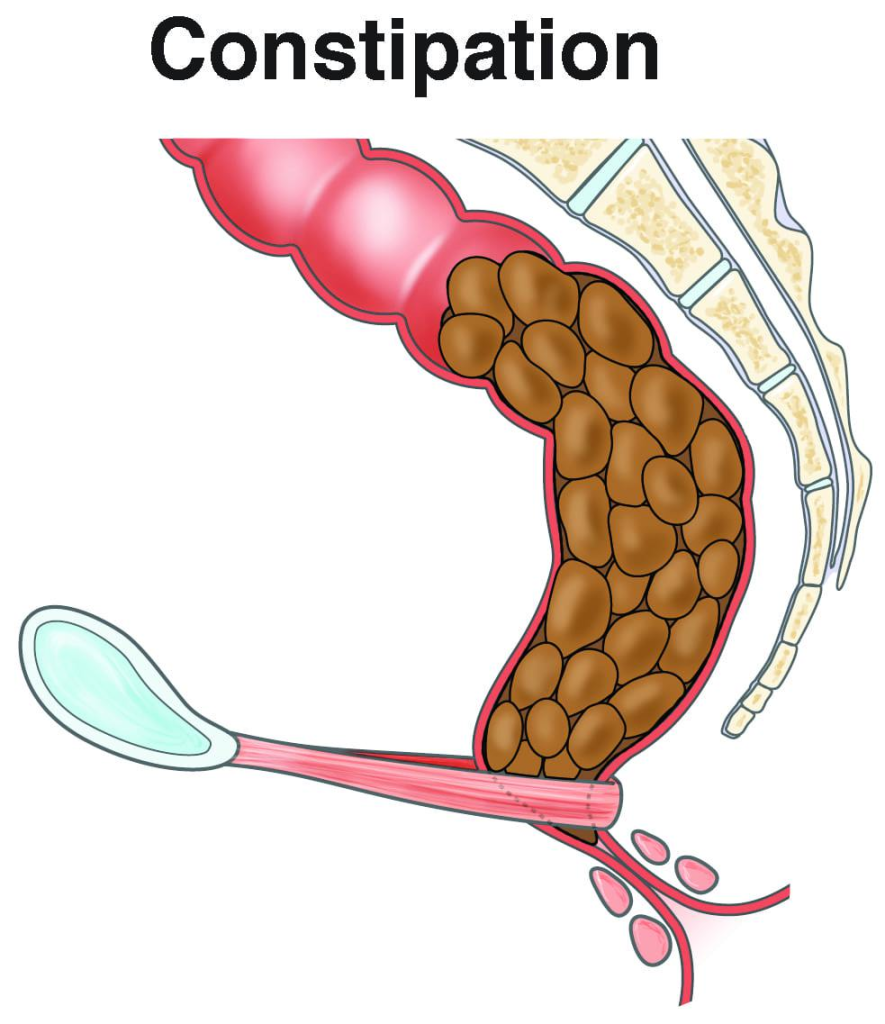
- Constipation is a condition in which the stools become hard due to hardening. Difficulty in emptying the bowel is called constipation.
21) Define/explain Diarrhea
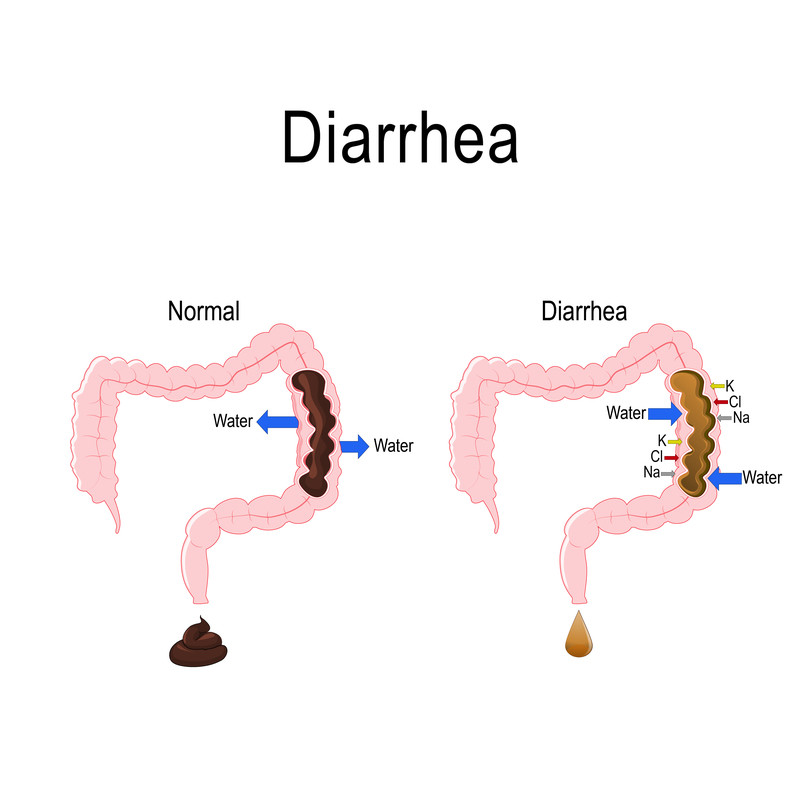
- Diarrhea is a condition in which more than three liquid stools are passed per day. Diarrhea is characterized by an increase in the frequency and volume of stools.
22) Define/explain Gasteroenteritis. (Define Gastroenteritis.)
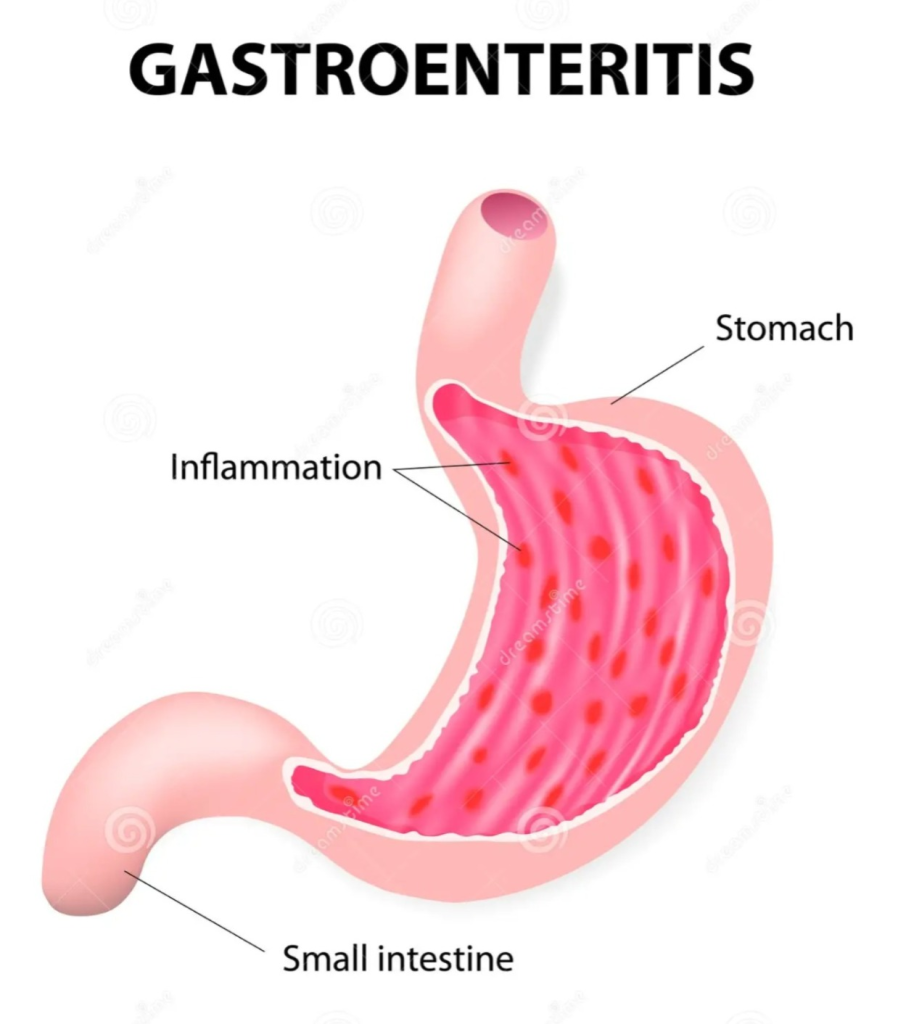
- Gastroenteritis is a condition in which the stomach and small intestine become infected and inflamed, causing acute diarrhea.
23) Define/explain celiac disease. (Define Celiac Disease.)
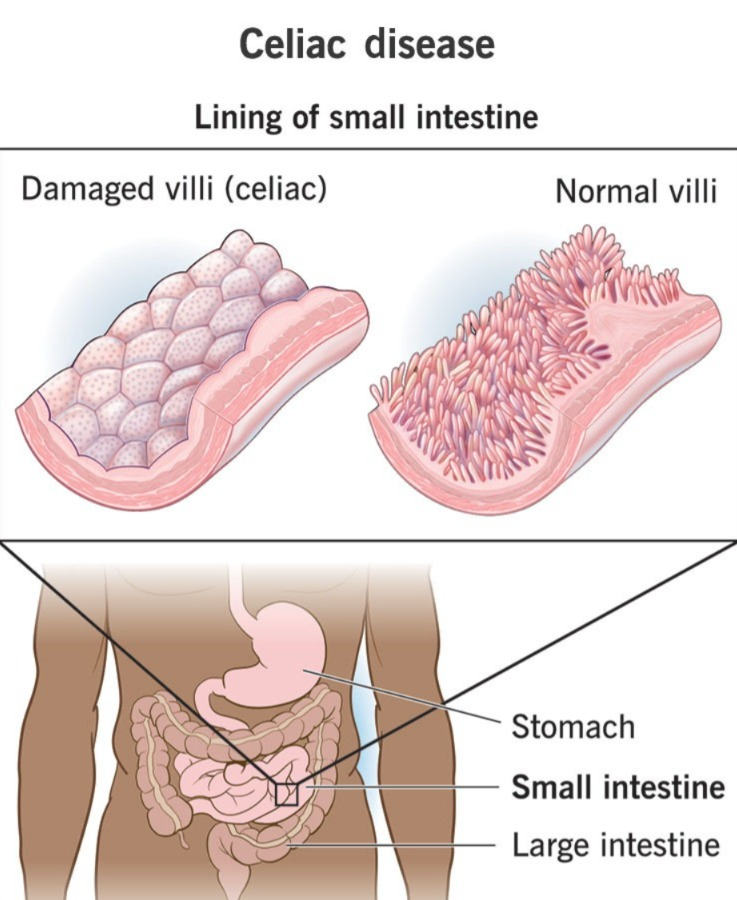
- Celiac disease is a disease of the small intestine of the digestive tract in which Due to damage to the lining of the small intestine, nutrients from food are not properly absorbed, so a person with celiac disease cannot tolerate gluten and the protein in wheat, rye, and barley.
24) Define/explain Achalasia. (Define achalasia.)
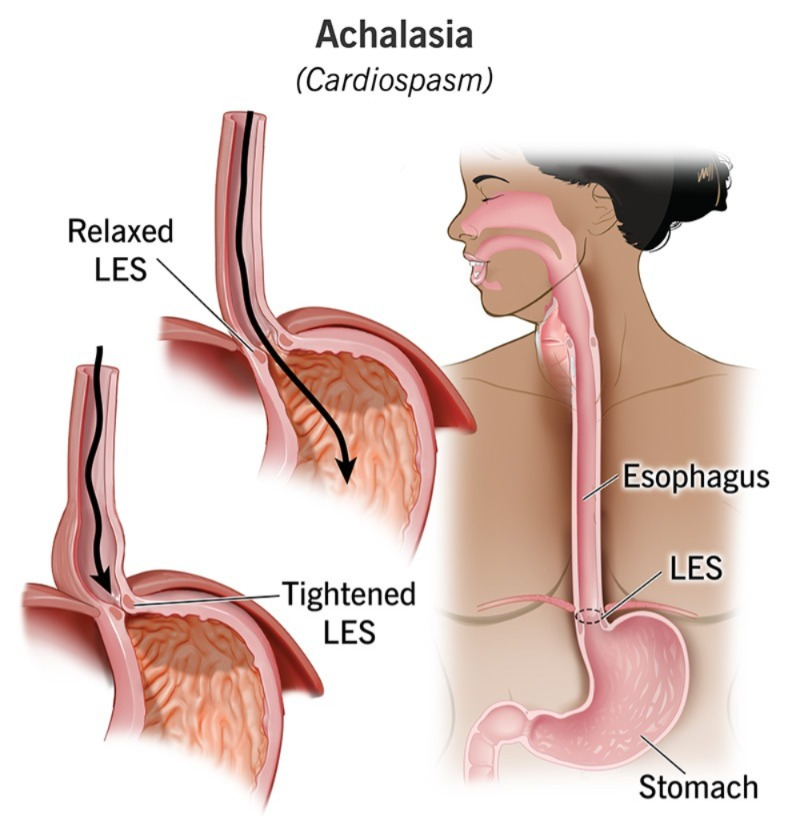
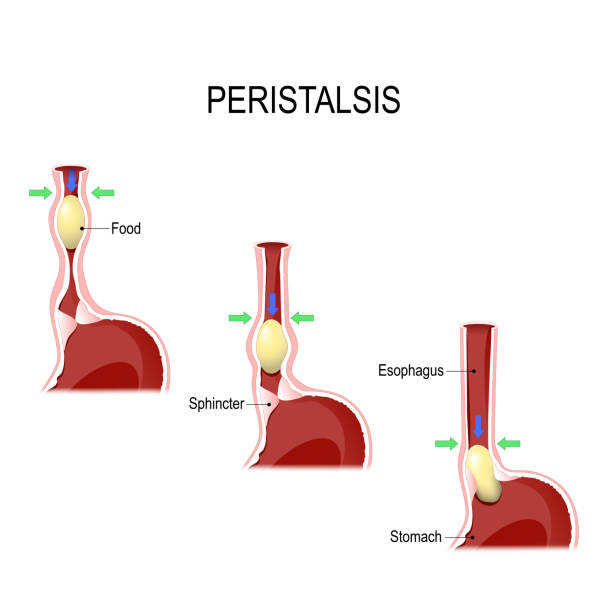
- Achalasia is a condition in which the distal esophageal peristalsis movement becomes ineffective. In which the oesophageal sphincter cannot relax.
OR
- Achalasia is a motor disorder of the esophagus, in which the lower esophageal sphincter (LES) i.e. the muscle-sphincter at the bottom of the esophagus fails to relax properly, due to which Incompetent to enter food and liquids into (stomach).
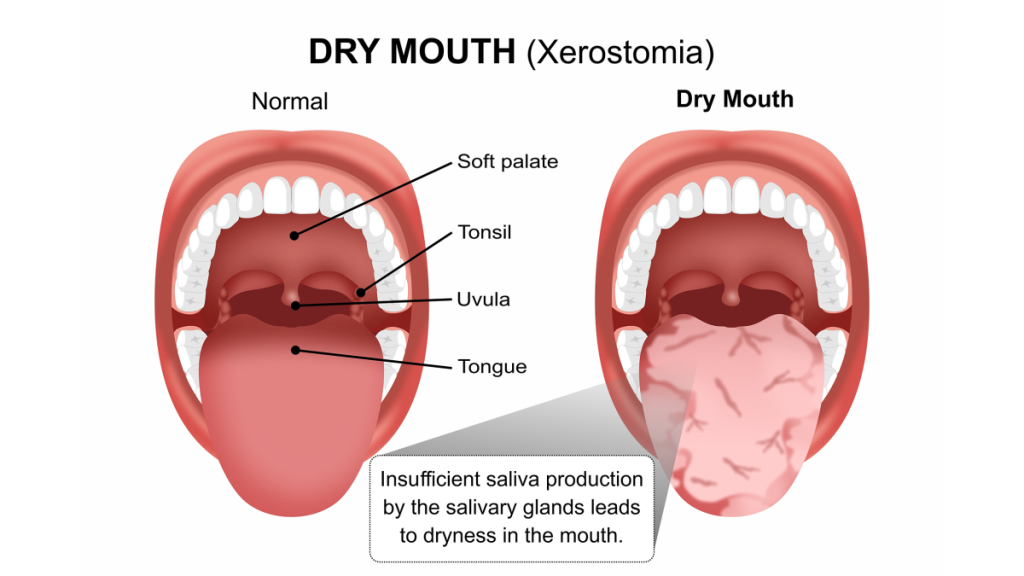
25)give meaning of xerostomia : Dry mouth.
26) Define/explain Anal fissure. (Define anal fissure.)
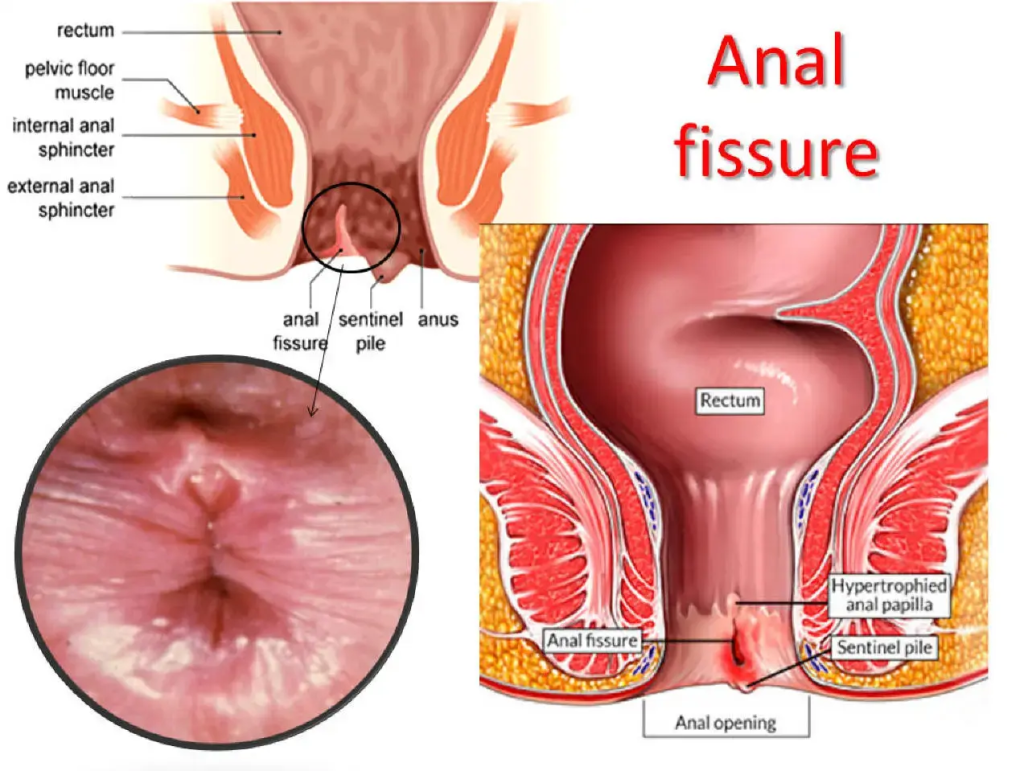
- Anal fissure is a condition in which a minor tear in the line of the anus occurs. Laceration occurs and is painful and bleeding is seen from it.
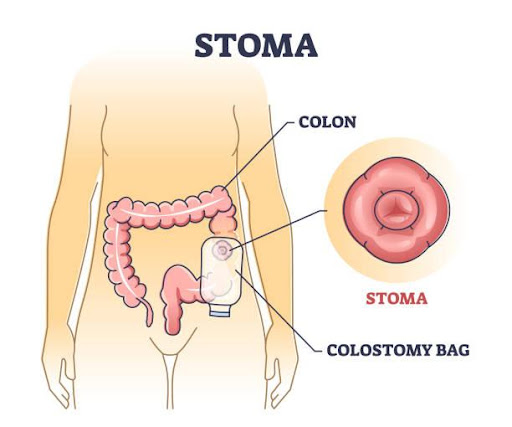
27) Artificially created opening between a body cavity its called: stoma:
28) Chronic loss of appetite its called: Anorexia (anorexia)

29) Define/explain Appendicitis. (Define appendicitis.)
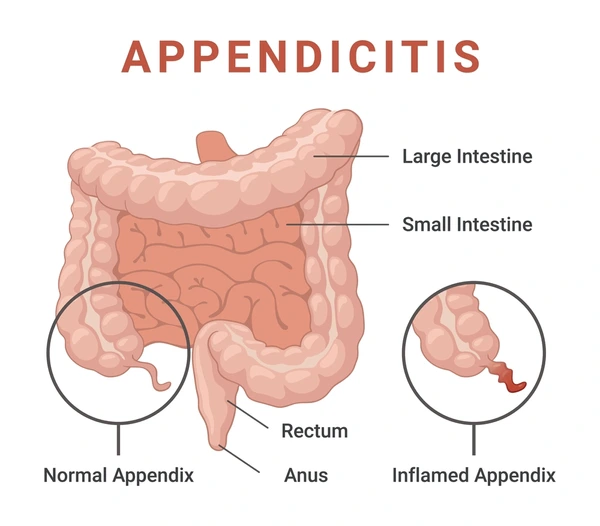
- Infection and inflammation of the appendix is called appendicitis. is.
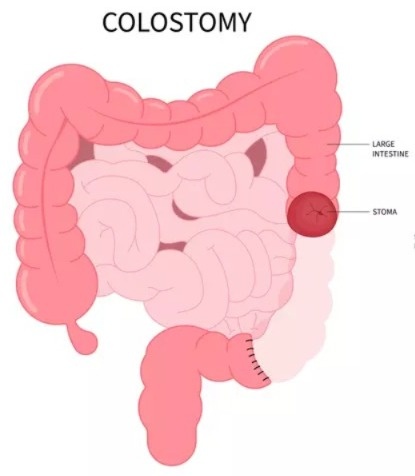
30) surgically create opening into the colon its called: colostomy (colostomy) .
31) Define/explain hemorrhoids. (Define hemorrhoids.)
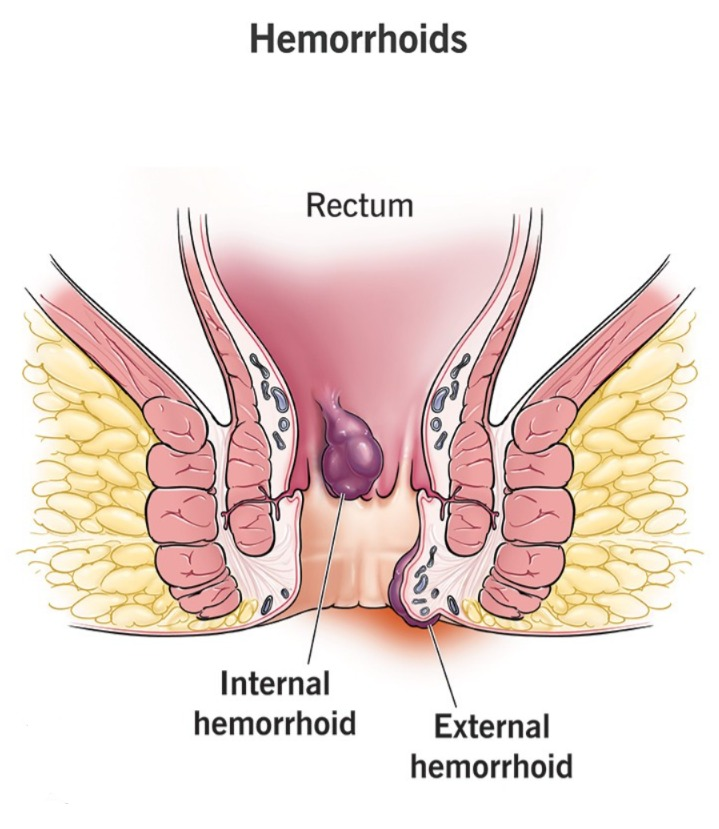
- Dilated anal veins are called hemorrhoids and are caused by the internal and external External can be on either side.
32) Define/explain hernia. (Define hernia.)
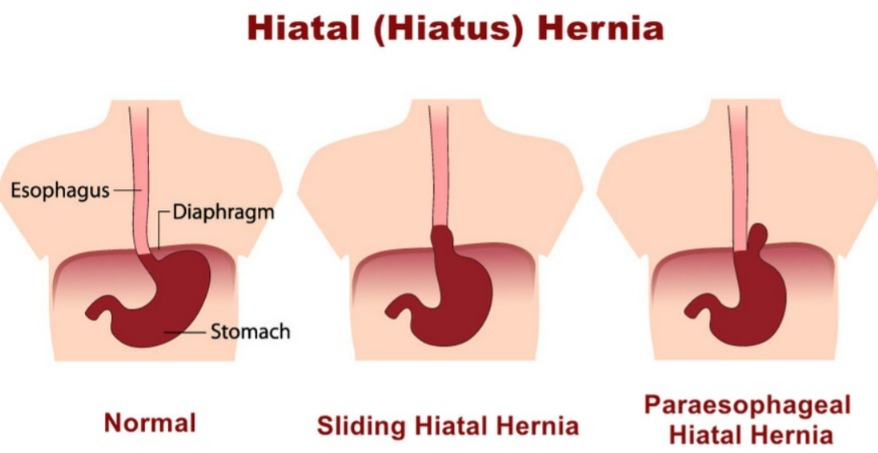
- Any body organ or part of an organ that protrudes from its cavity is called a hernia. is.
33 ) A wavelike movement that occurs involuntarily in the alimentary canal its called : peristalsis movement.
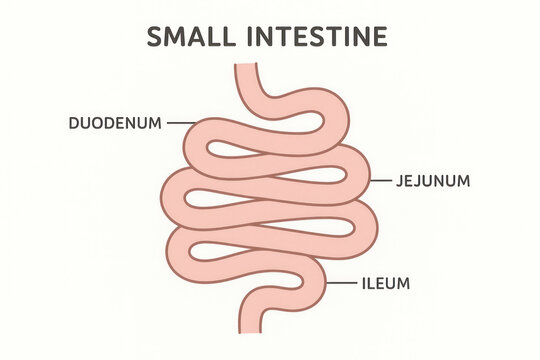
34) The first part of the small intestine its called: duodenum (duodenum).
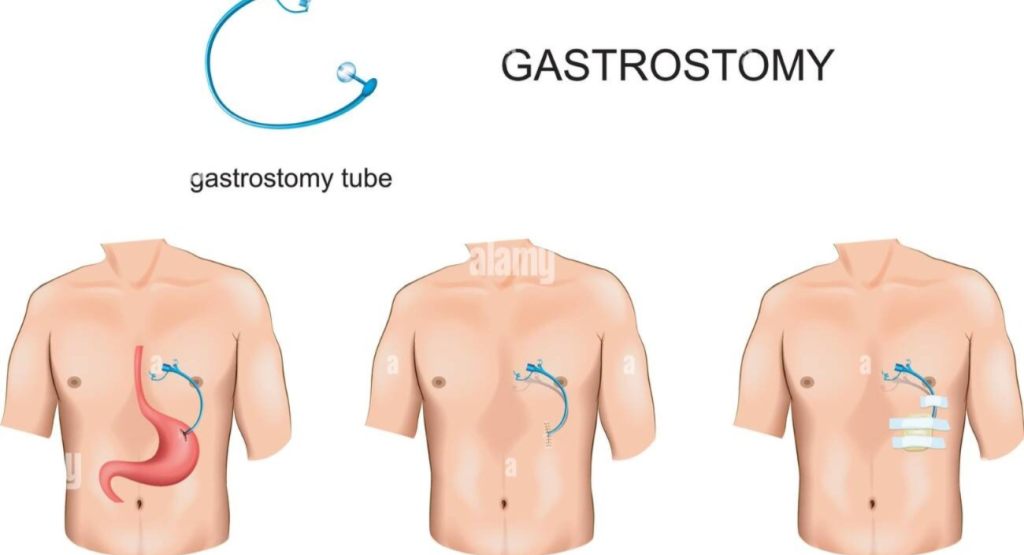
35) surgically creating of an opening into the stomach for the purpose of administering foods and fluids its called : Gastrostomy (gastrostomy).