ENGLISH-UNIT-8-Respiratory disorder (PART-1)-UPLOAD
Respiratory Disorder:
MOST IMPORTANT TERMS:

1) Acute respiratory distress syndrome :
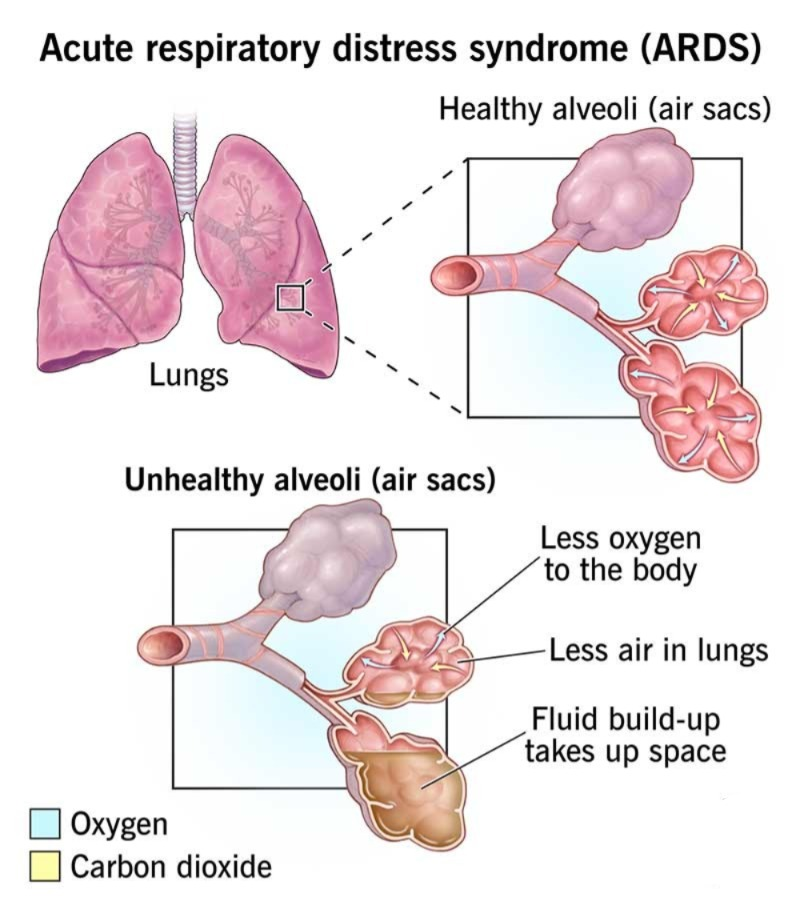
- This is a serious condition in which fluid builds up in the air sacs and lungs. Due to this, oxygen cannot be transported and the oxygen level in the blood decreases.
2) Air trapping:
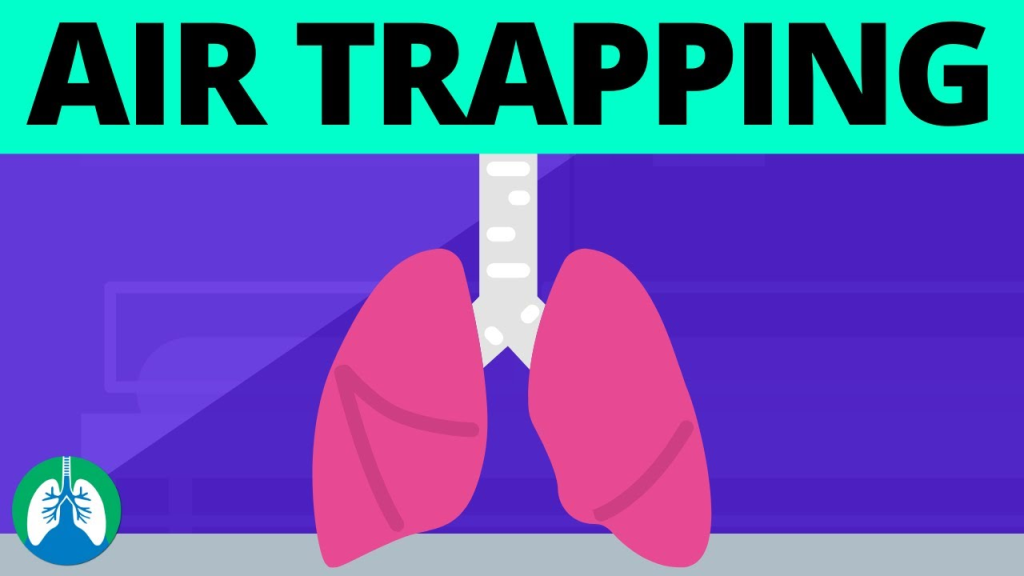
- Air trapping is the retention of air within the lungs. During expiration, not all the air is exhaled and accumulation occurs in the lungs.
3) Alpha1 antitrypsin (Alpha 1 antitrypsin):
- Alpha-1 Antitrypsin (AAT) is an important protein produced by the liver that protects the lungs and other tissues from damage caused by enzymes.
- This protein primarily inhibits an enzyme called Neutrophil Elastase, which can damage the elastic tissue of the lungs.
4) Aphonia :
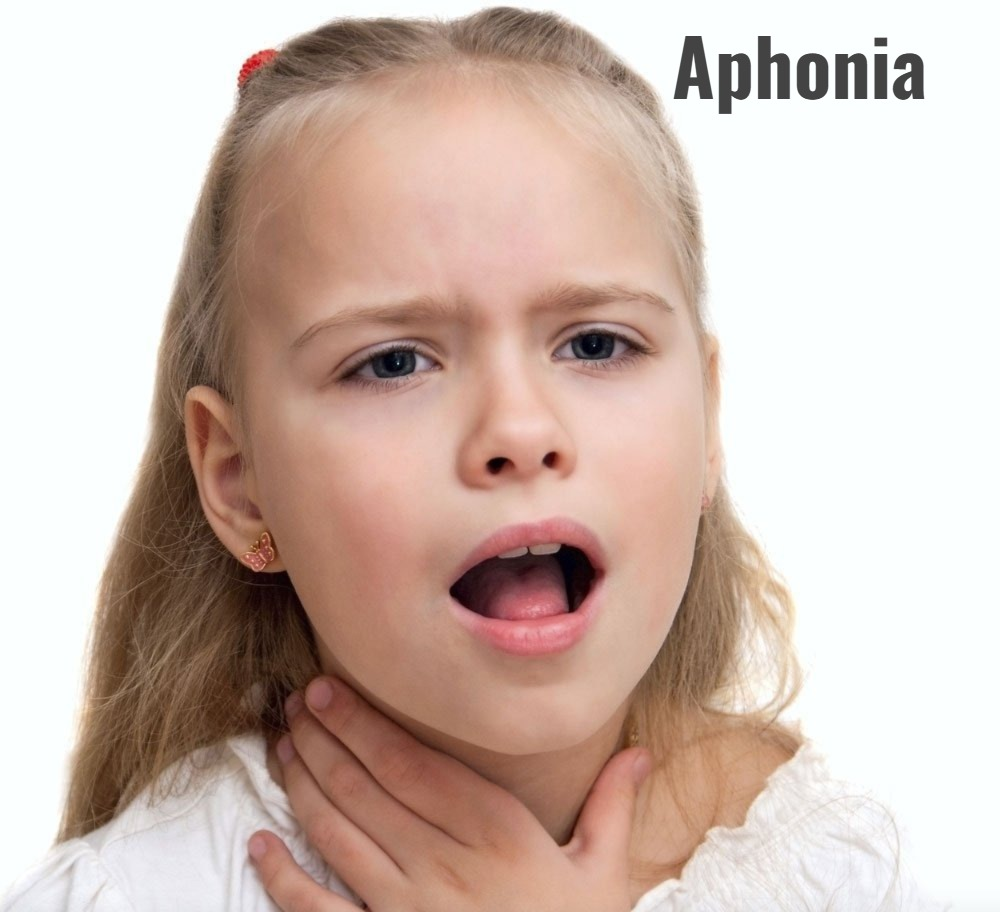
- Aphonia means No Sound (no sound produced). Voice cannot be produced due to damage or infection in the larynx.
5) Apnea (apnea):
- Cessation of breathing.
OR
- Apnea is a condition in which the breathing process temporarily ceases – usually for 10 seconds or more. For.
- In other words, apnea is the absence of respiration, in which the patient cannot inhale or exhale air for a short period of time.
- This condition is usually caused by a problem with the central nervous system, airway obstruction, or neuromuscular dysfunction.
6) Asthma :
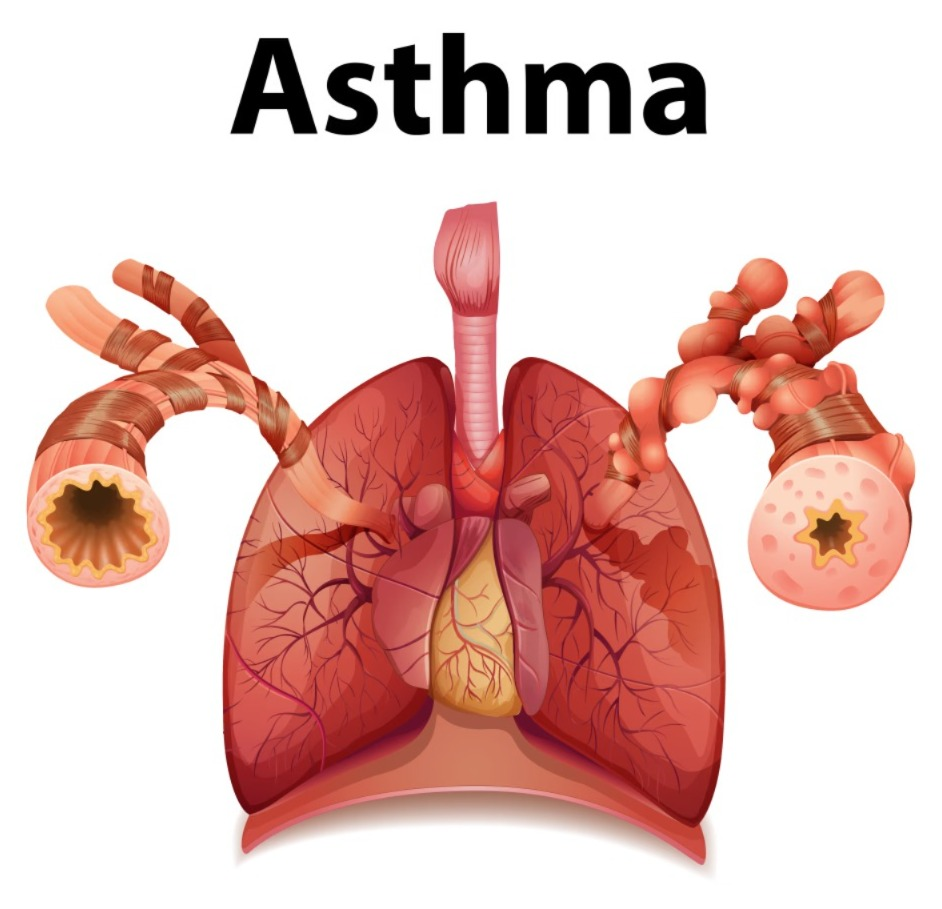
- Asthma is a chronic inflammatory disorder of the respiratory tract. In which airway hyperresponsiveness is seen, which causes airway narrowing and mucosal edema and mucus production.
7) Atelectasis (Atelectasis):
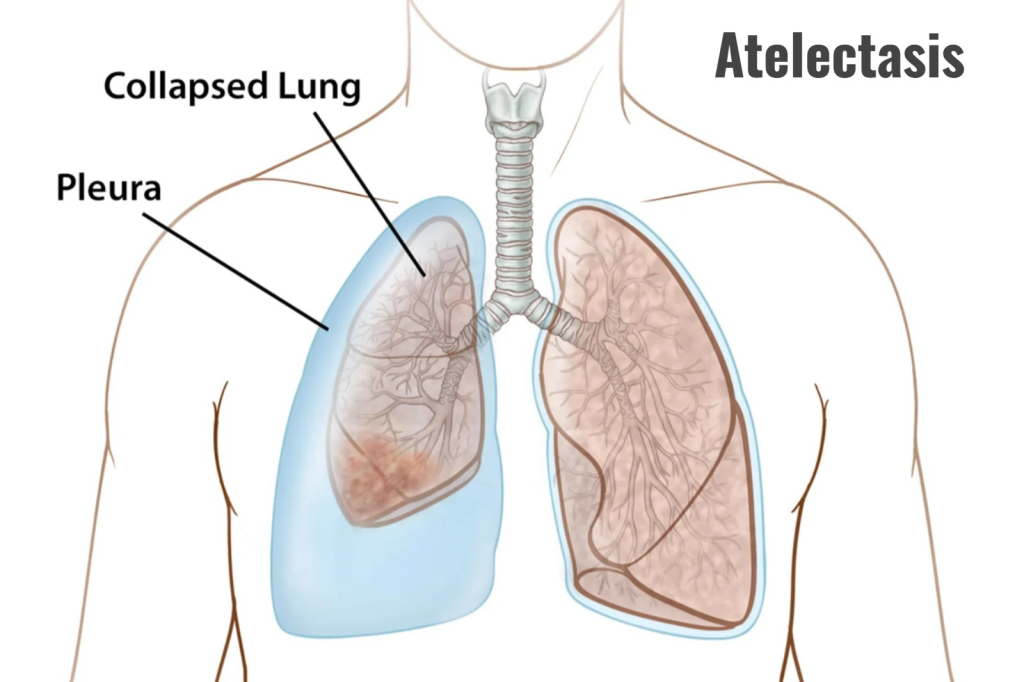
- In atelectasis, the alveoli, lobes and lungs are seen to be partially or completely collapsed.
8) Bradypnea :
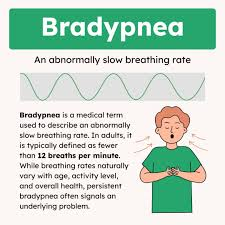
- Slow breathing rate. Normal respiratory rate in an adult is 12–20 per minute. When the breathing rate is less than 12, it is considered bradypnea.
9) Bronchoscopy:
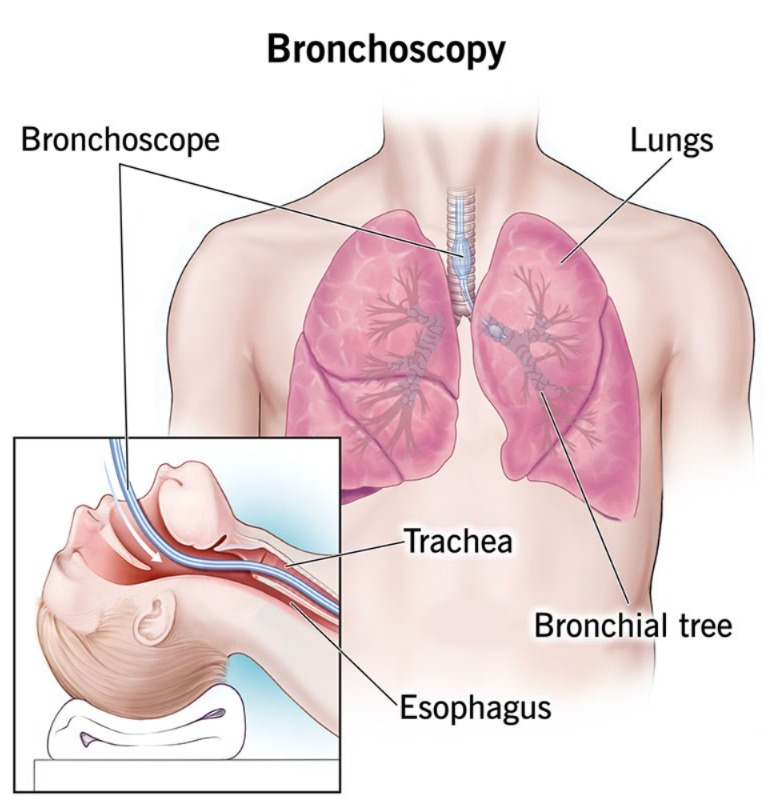
- Bronchoscopy is a diagnostic and therapeutic procedure in which a special instrument – a bronchoscope – is used to directly visualize the internal part of the trachea and bronchi, i.e. the respiratory track.
OR
- This procedure allows the doctor to see the inside of the lungs and airways, take samples, and perform some therapeutic procedures.
10) Bronchitis :
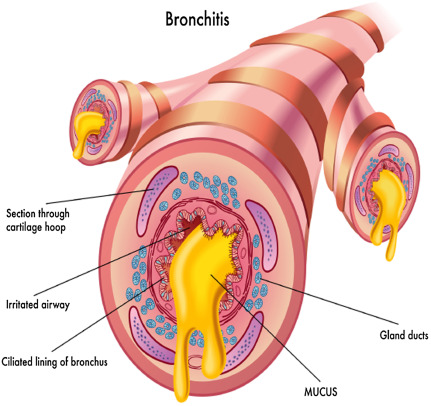
- Infection and inflammation of the bronchi is known as bronchitis.
11) Bronchiectasis :
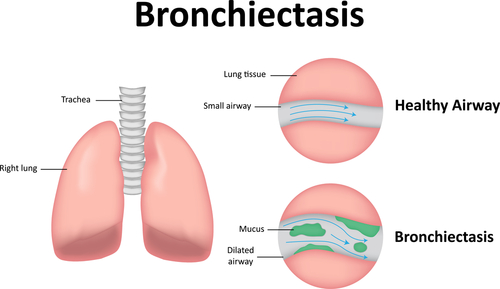
- Bronchiectasis is characterized by chronic dilation of the bronchi and their branches, and pouches develop in them.
12) Broncospasm :
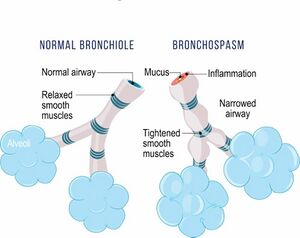
- The muscles in the lining of the bronchi contract and tighten. Which causes airway narrowing.
13) Broncodilator :
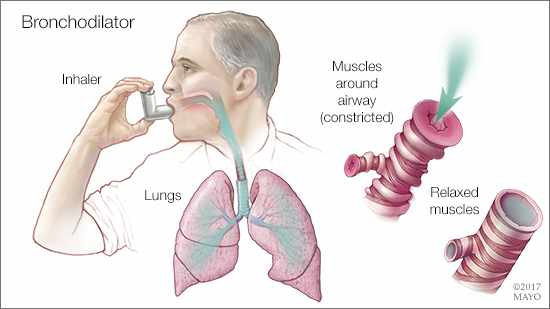
- A bronchodilator is a type of medicine that relaxes the muscles in the lungs and widens the airways.
14) Choking :
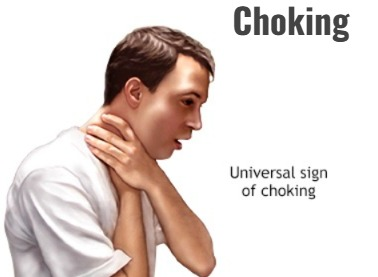
- An object (mainly a piece of food) gets stuck in the throat and windpipe, blocking airflow, which is known as choking.
15) Chronic obstructive pulmonary disease:
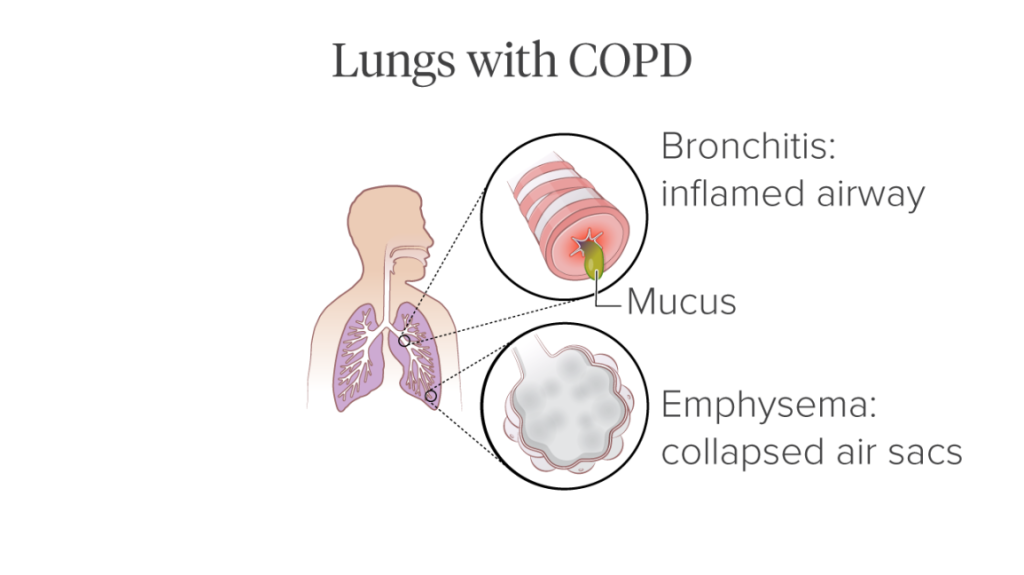
- This is a type of respiratory disorder. In which airflow is obstructed due to chronic bronchitis and emphysema.
16) Clubbing :
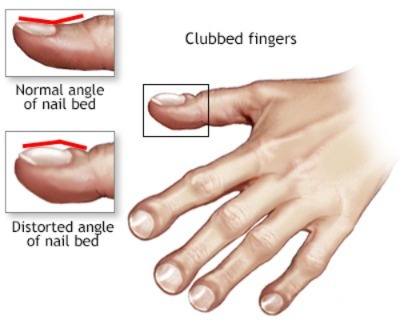
- Nailbed wider and round shape.
17) Cynosis :
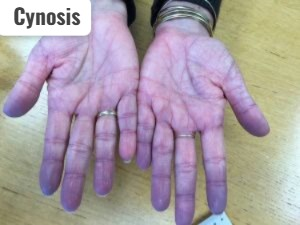
- Bluish discoloration of skin and mucous membranes (skin and mucous membranes become blue in color).
18) Dyspnea (dyspnea):
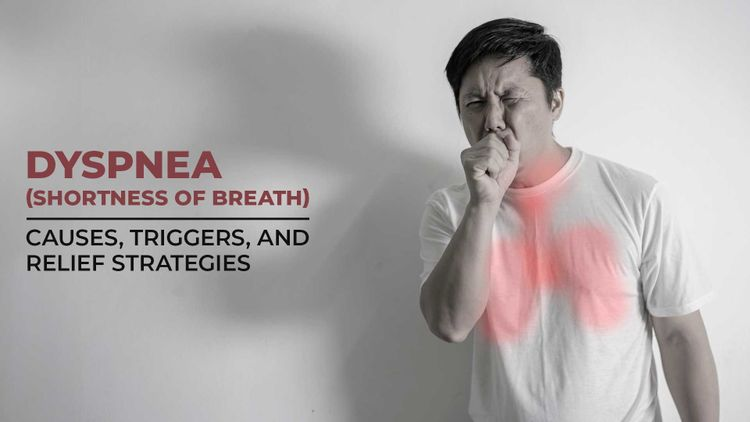
- Dypsonia means difficulty in breathing or labored breathing
19) Dysphagia :
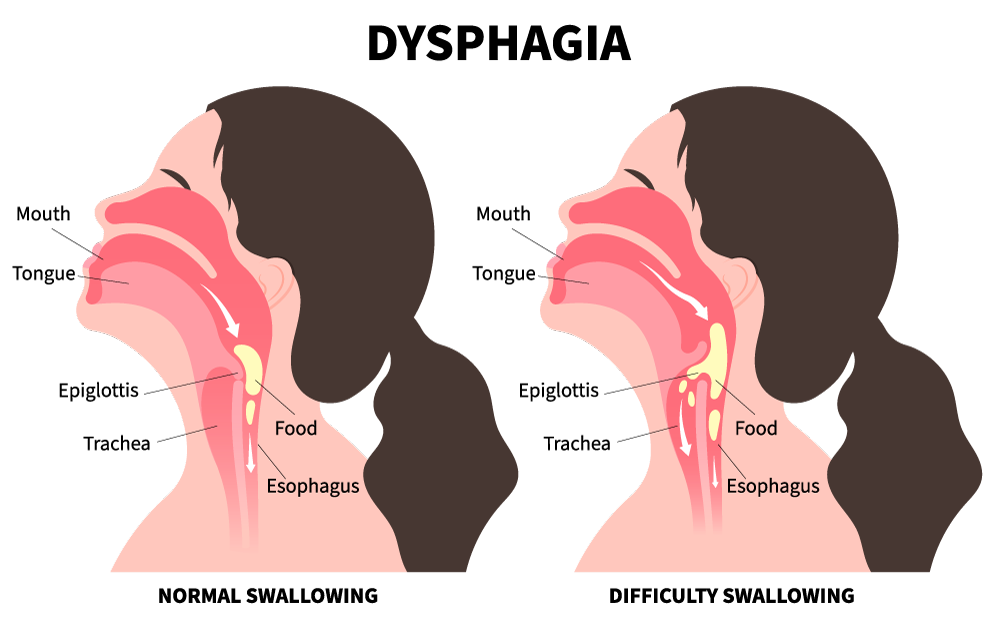
- Difficulty in Swallowing
20) Emphysema:
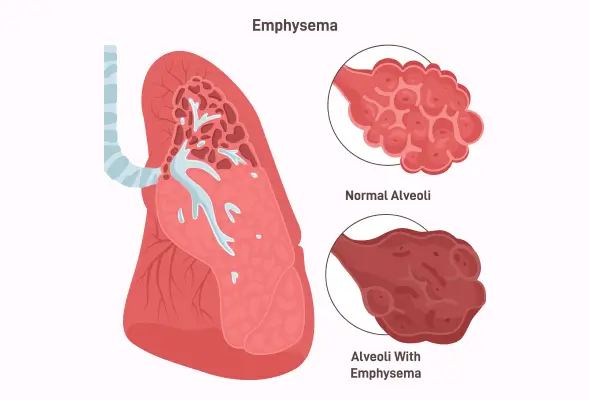
- The alveoli lose their elasticity due to which over distension of the air sacs occurs and destruction of the alveoli wall occurs.
21) Empyema (Empyema) :
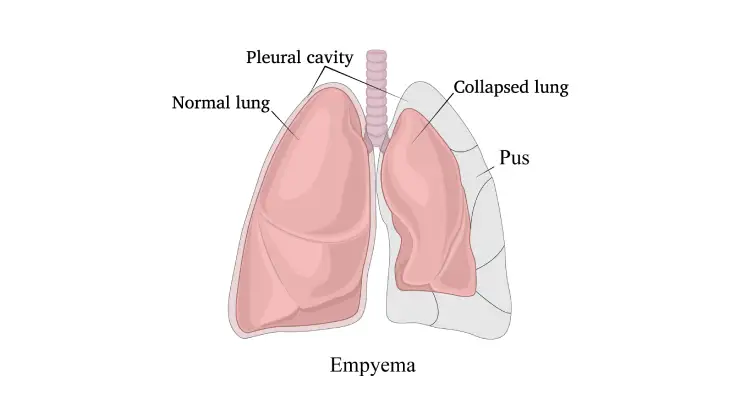
- Abnormal pus collection found in the pleural cavity is known as empyema.
22) Epistaxis :
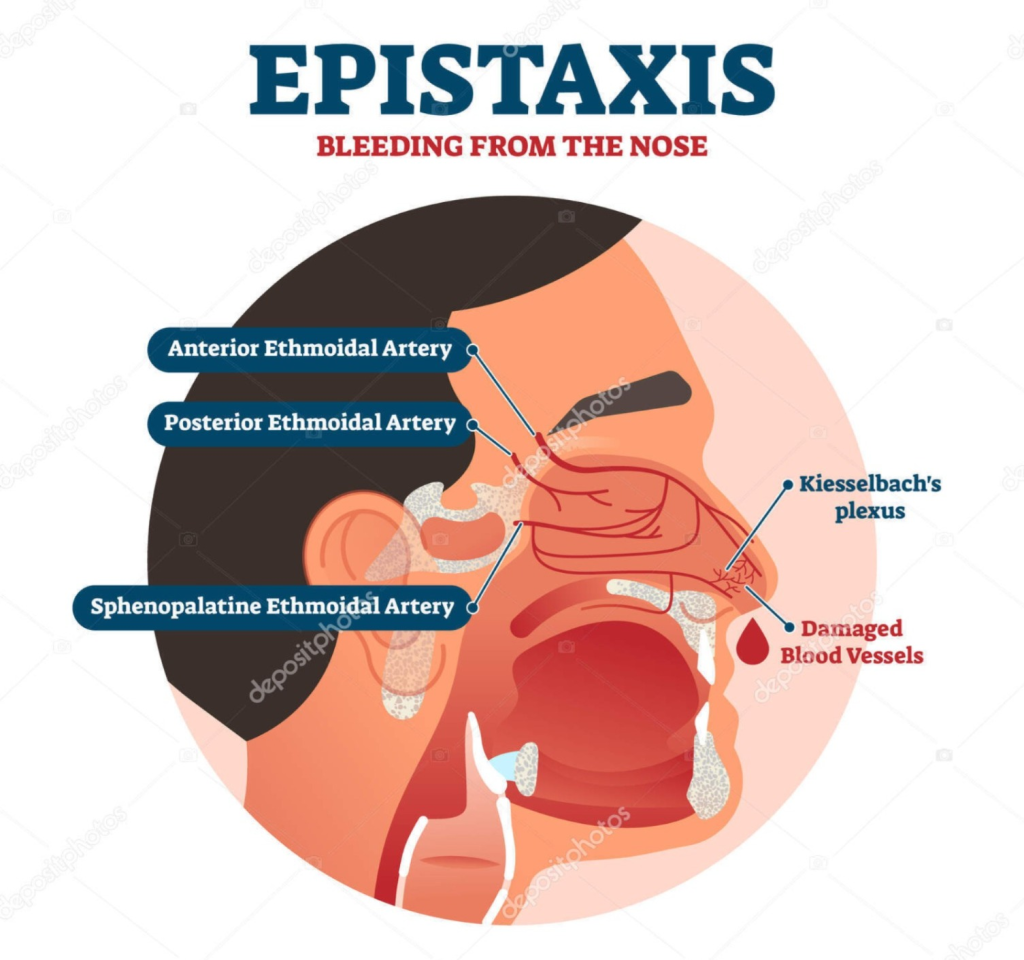
- Bleeding from the nose.
23) Hemoptysis :
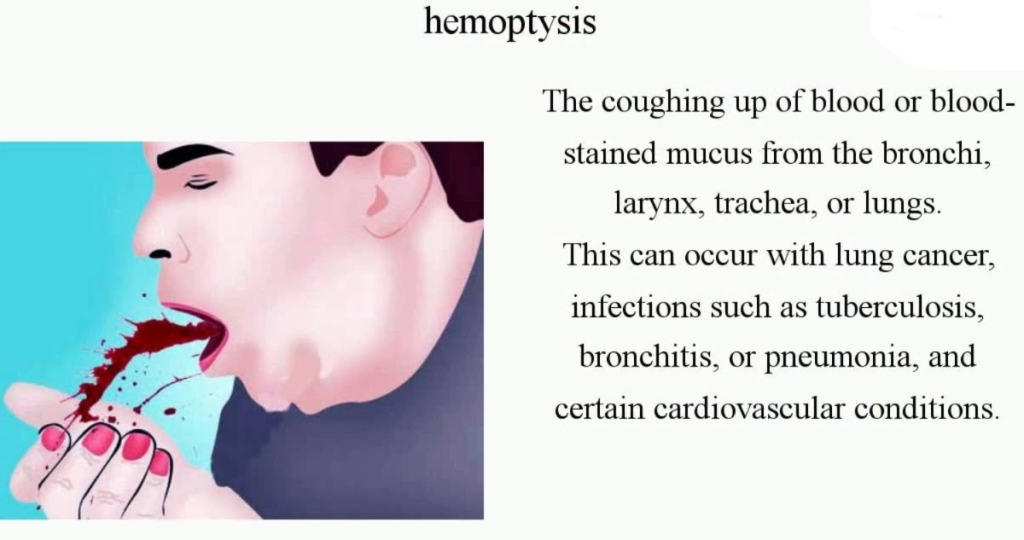
- Blood present in sputum.
24) Hemothorax :
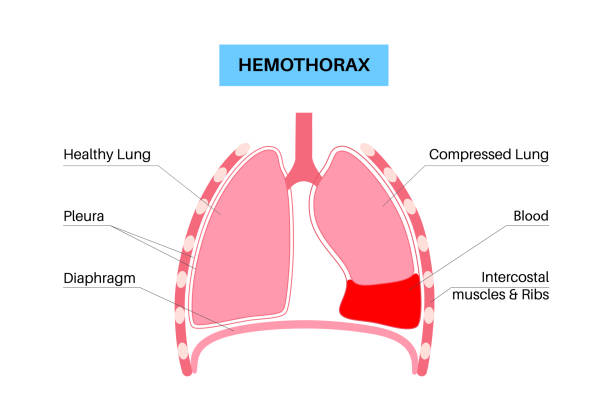
- Blood accumulating in the pleural space.
25) Hoarseness :

- Hoarseness is also known as dysphonia. Hoarseness is an abnormal voice in which a rough and breathy voice is heard while speaking.
26) Hypercapnia (Hypercapnia):
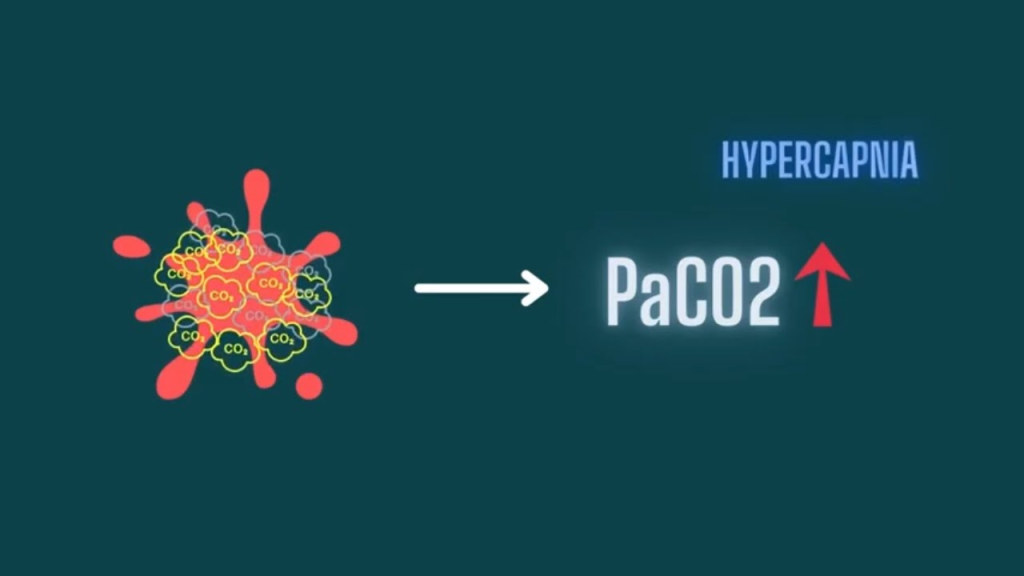
- High CO2 levels in the blood. An increase in the partial pressure of CO2.
27) Hypoxia:
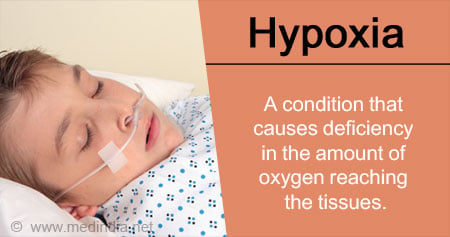
- Low oxygen levels in tissues and cells.
28) Hypoxemia:
- Low oxygen level in the blood.
29) Induration (Induration) :
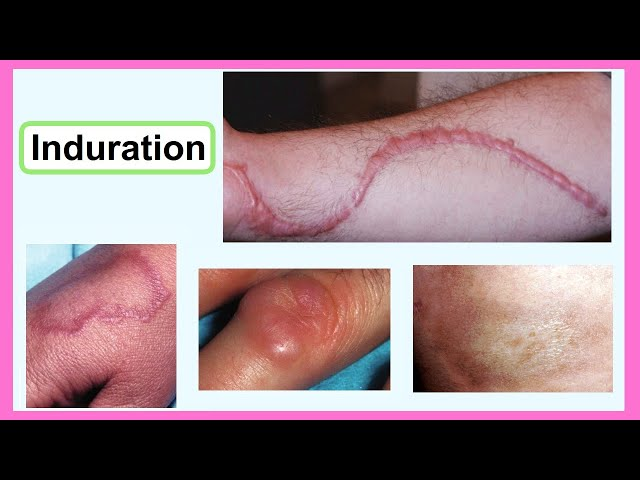
- Abnormally hard lesions may be seen in the body. Also, the skin tissue may become thick and hard. This reaction is seen when the tuberculin test is positive.
30) Laryngitis:
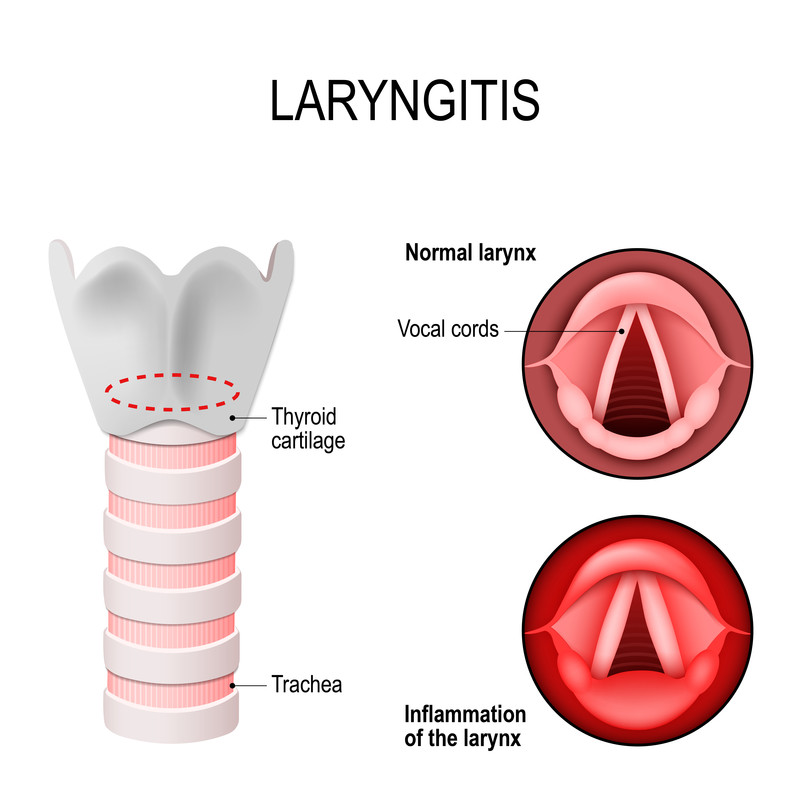
- Infection and inflammation of the larynx is known as laryngitis.
31) Lozenges:

- Loginix is a small medicated tablet. Which is slowly dissolved in the mouth which stops phlegm and relieves throat irritation.
32) Mechanical ventilator (mechanical ventilator) :
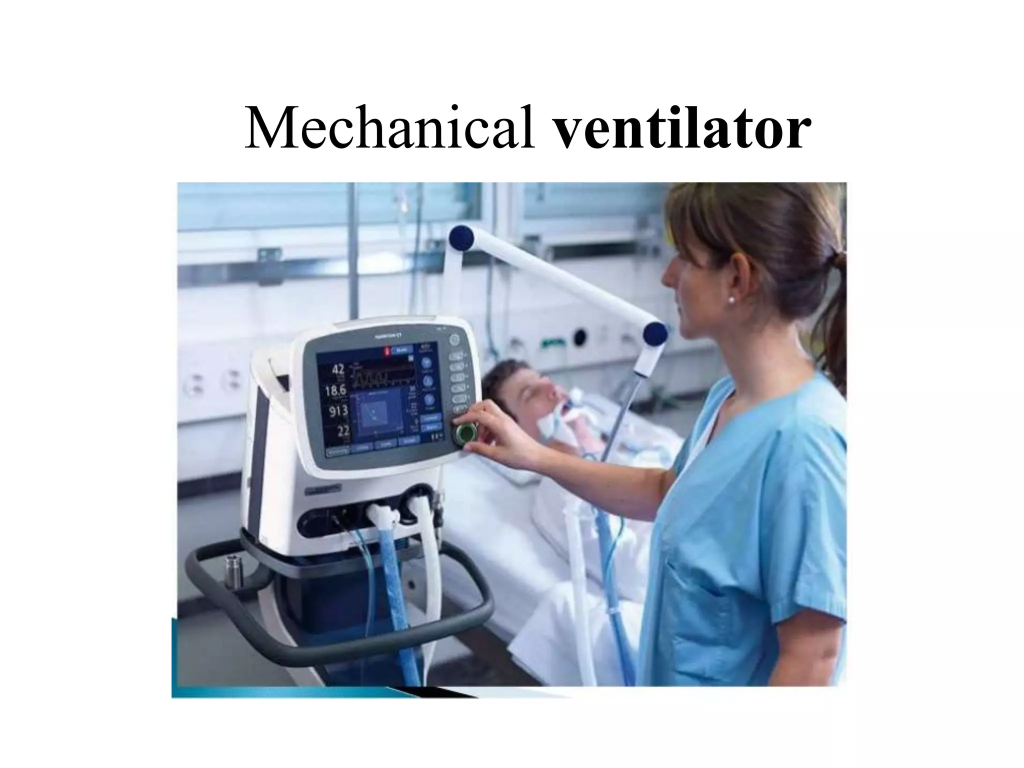
- A mechanical ventilator is a breathing device that provides positive and negative pressure to assist in ventilation and oxygenation.
33) Metered dose inhaler :
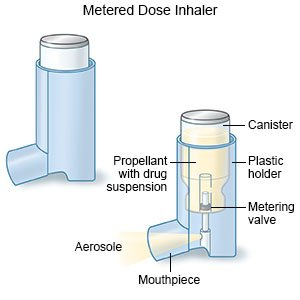
- A metered dose inhaler is a small hand-held device. Which contains some type of medicine which is administered into the body through inhalation.
34) Nasal flaring:
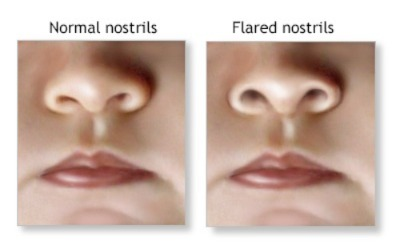
- Nostrils widening while breathing.
35) Obstructive sleep apnea:
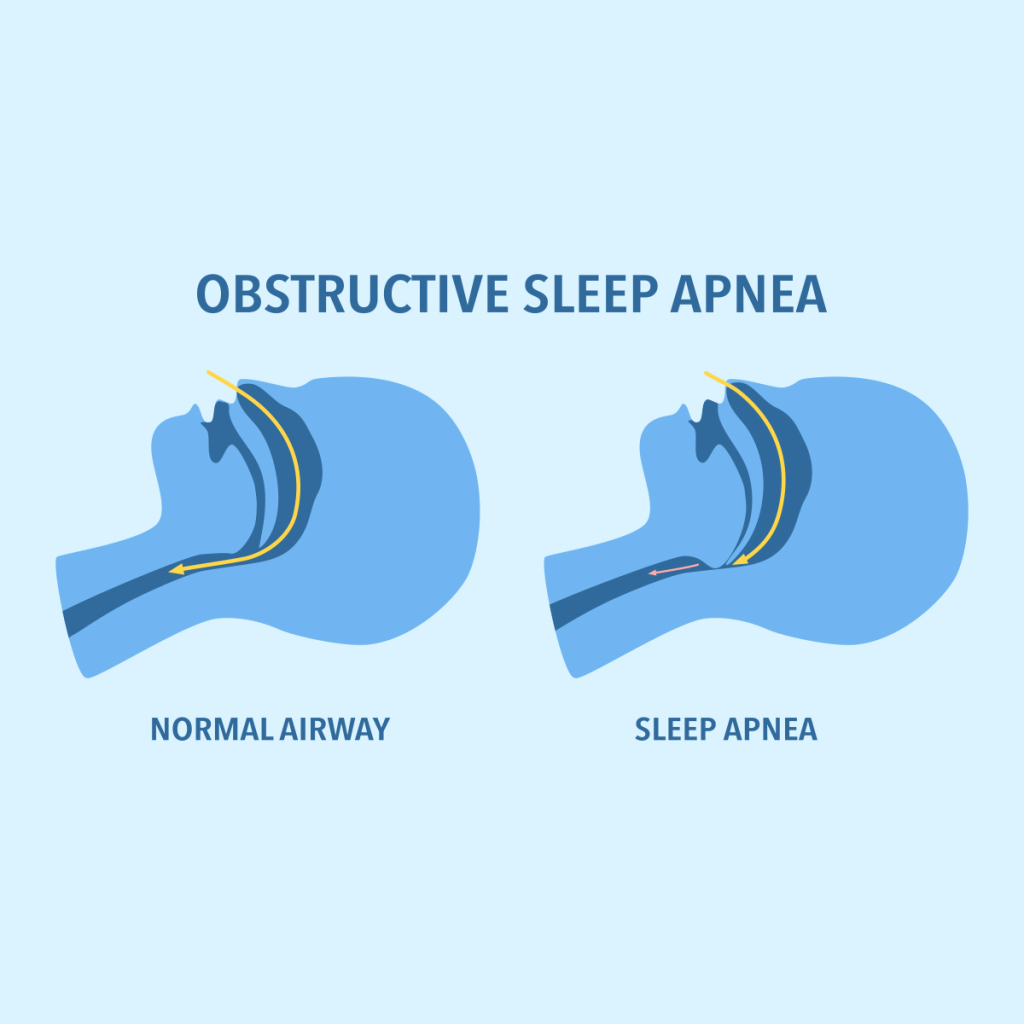
- Breathing absent for a short time while sleeping.
36) Orthopnea :
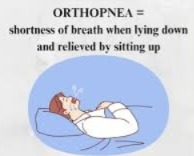
- Breathing difficulty is seen in the flat lying down position (while sleeping on a flat surface) while breathing difficulty is not seen in the upright or standing position.
37) Pallor (pallor) :
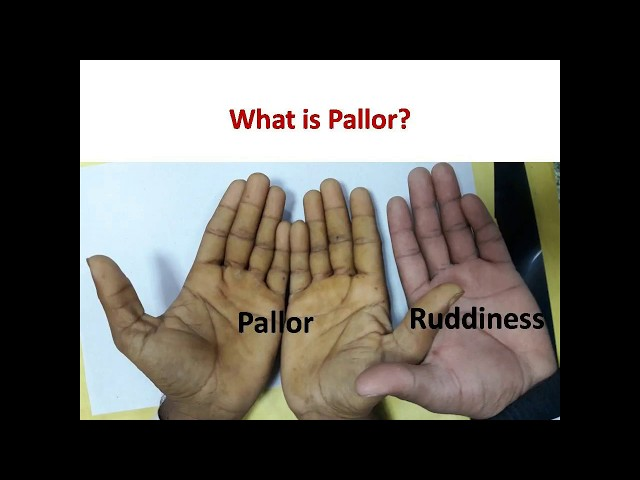
- Skin pale coloration.
38) Pharyngitis :
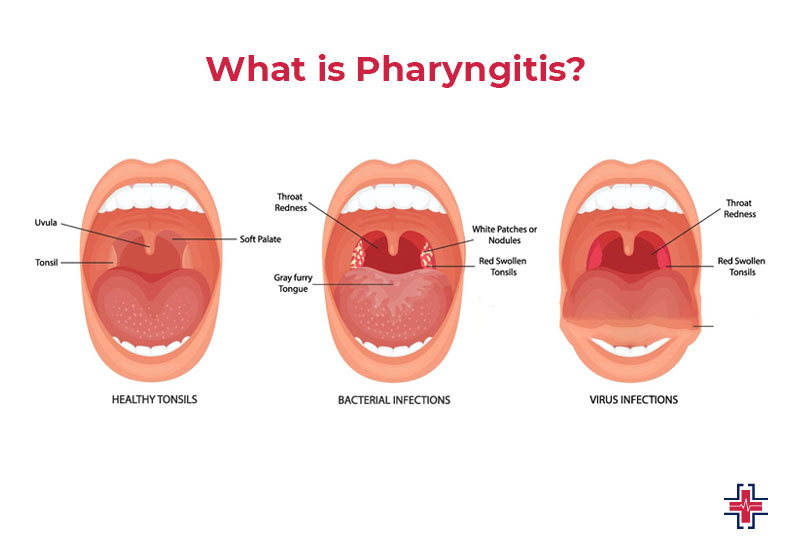
- Infection and inflammation of the pharynx is known as pharyngitis.
39) Pneumothorax:
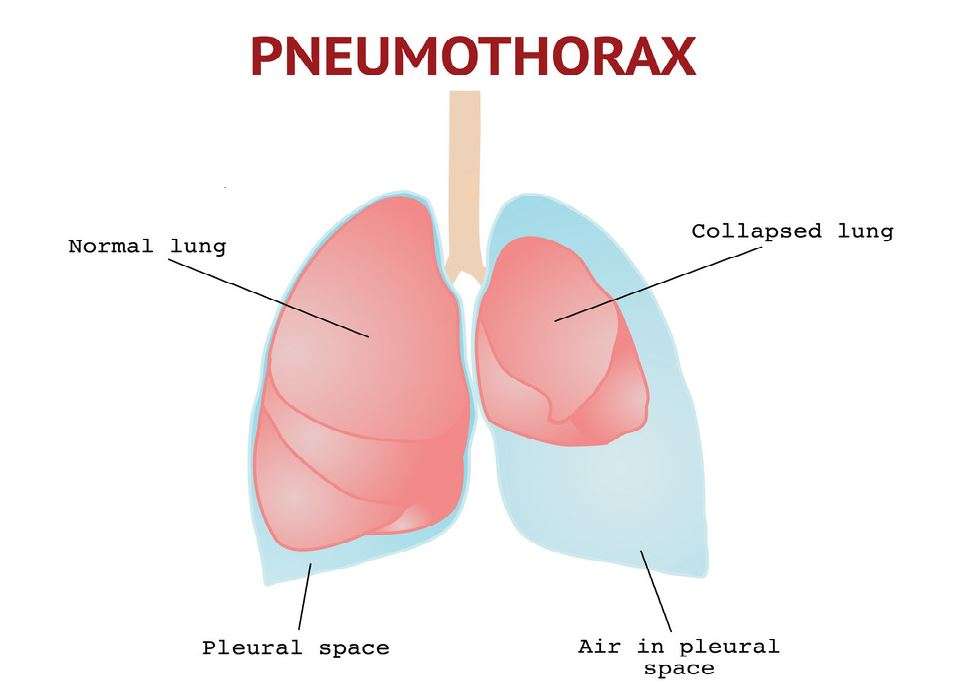
- Pneumothorax is a condition in which the air between the lung and the chest wall is compressed. Air gets trapped in the pleural space and the lung collapses.
40) Pneumonia :
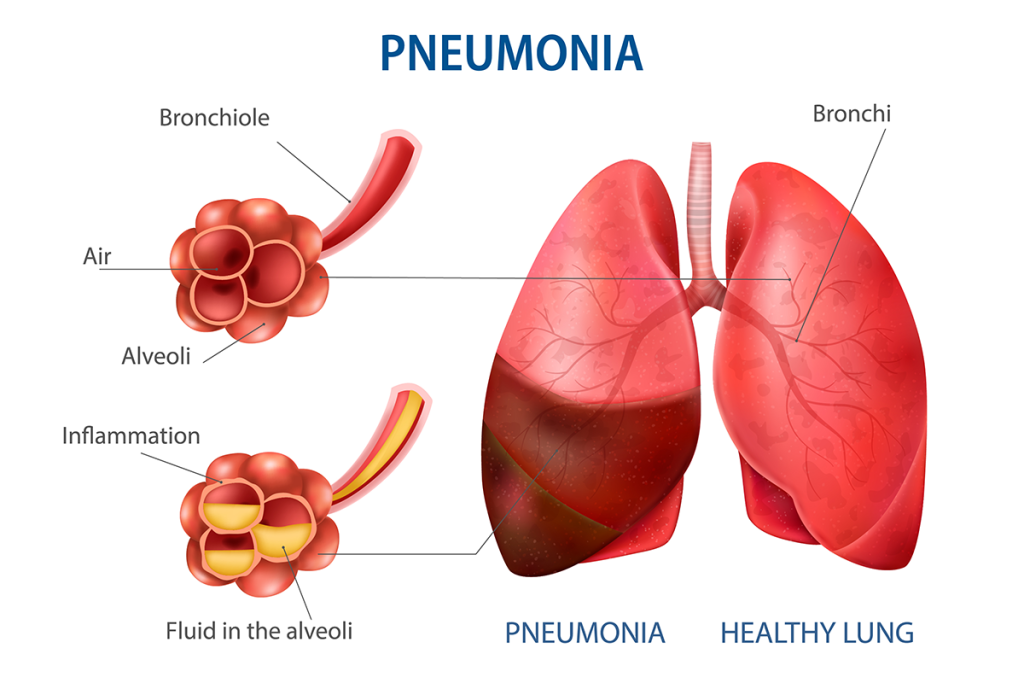
- Infection and inflammation of the lung parenchyma is known as pneumonia.
41) Pleural effusion :
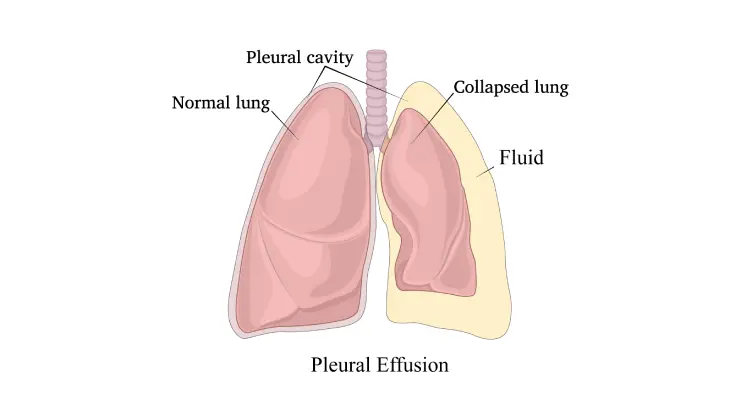
- Abnormal fluid accumulation in the pleural space.
42) Pleural friction rub:
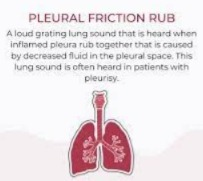
- Grumbling and cracking sounds are heard due to the inflamed and rough parietal and visceral pleura rubbing against each other, which is called pleural effusion. Friction is known as rub.
43) Pleural space:
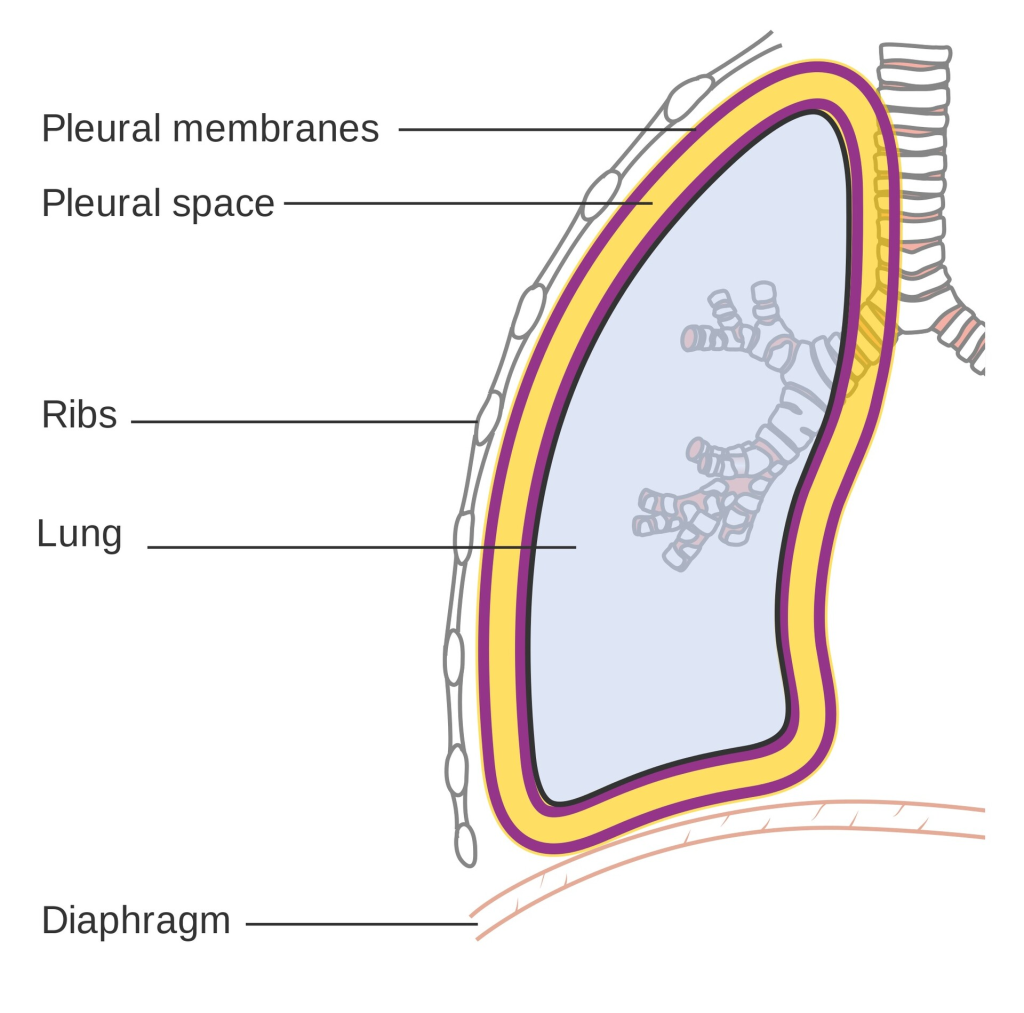
- The space between the parietal and visceral pleura is known as the pleural space.
44) Postural drainage:
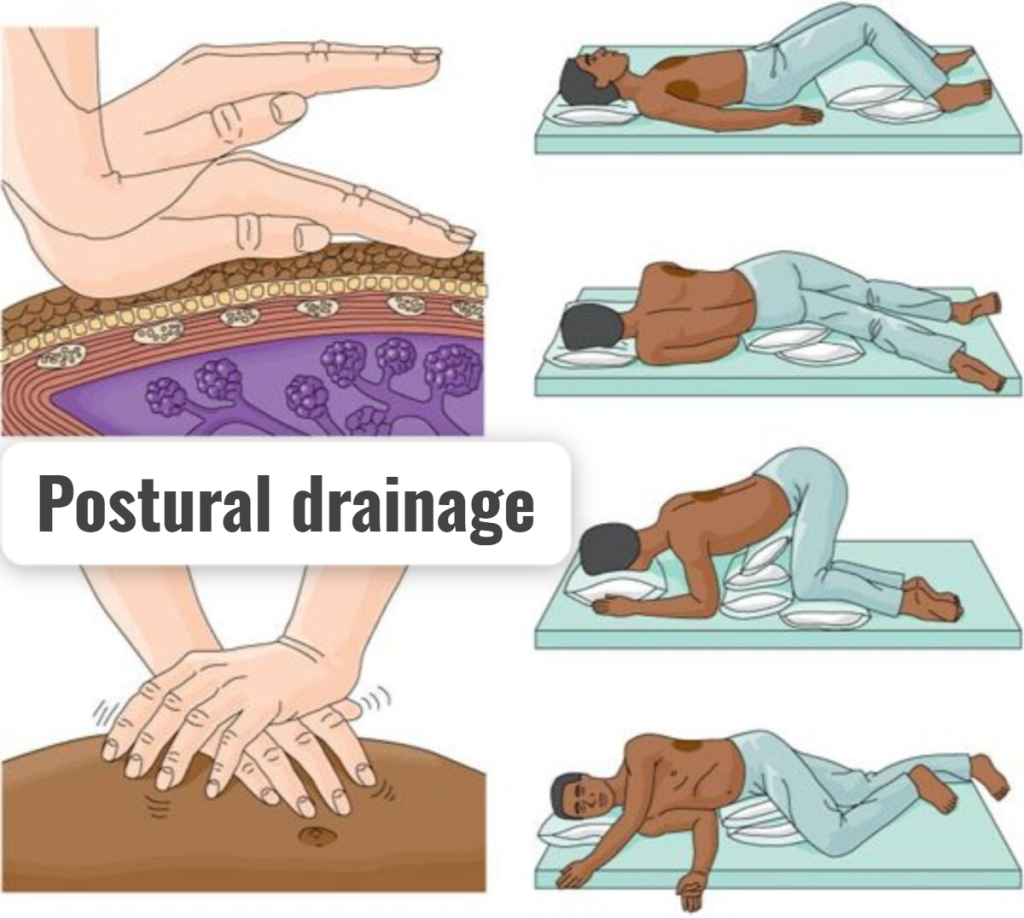
- Postural drainage is a technique in which the patient is given certain positions so that the secretions in the airways are drained with the help of gravity.
45) Pulmonary edema (Pulmonary Edema) :
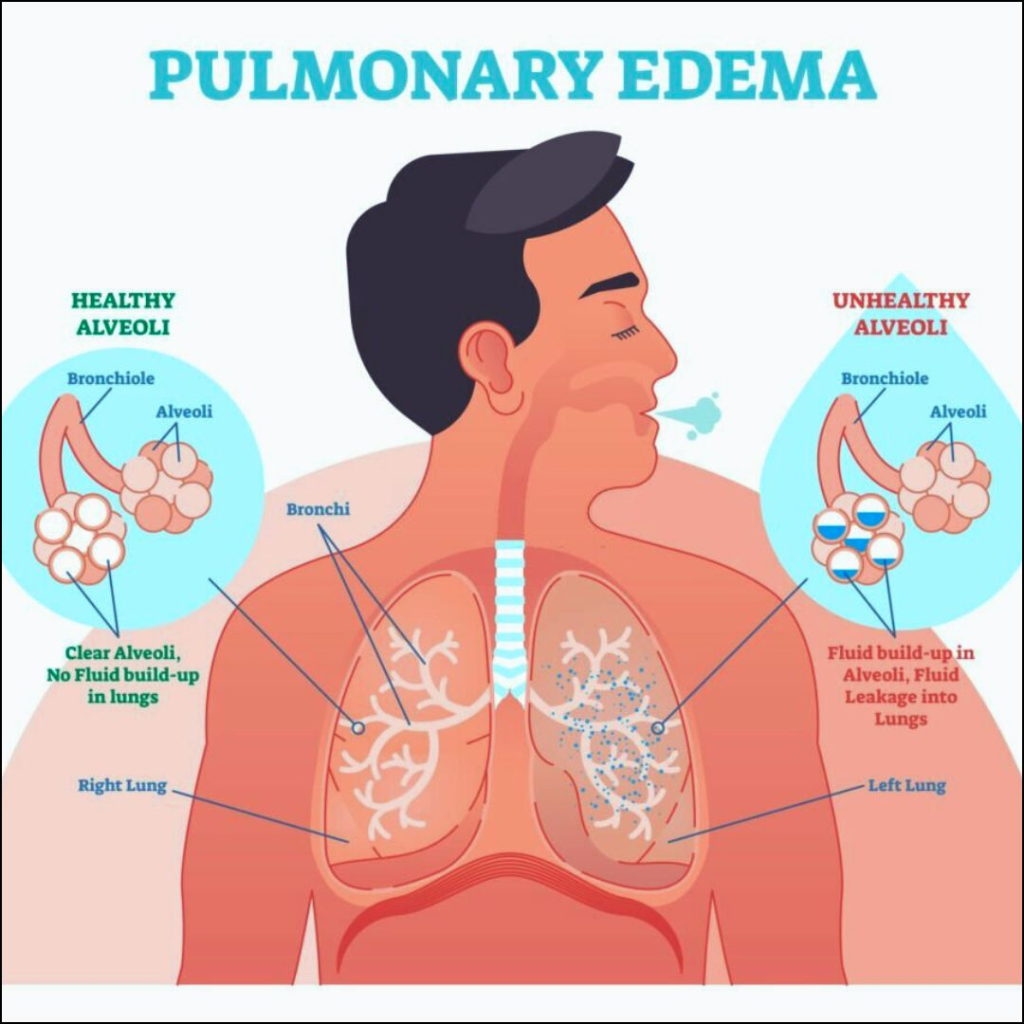
- It is seen in the ankles due to fluid accumulation in the lungs. Which is known as pulmonary edema.
46) Pulmonary Embolism :
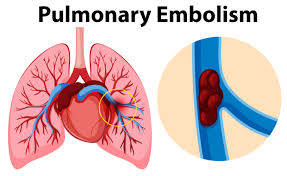
- Obstruction is seen in one or more vessels in the lung which is seen due to blood clot, air bubble or fat droplet.
47) Purulent (Purulent):
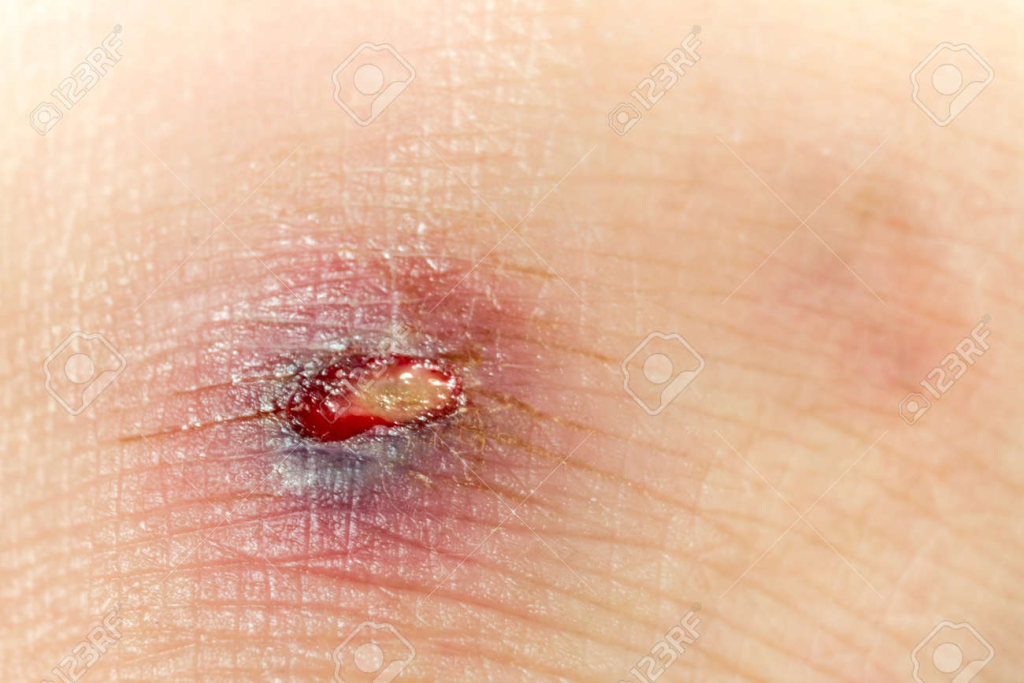
- Purulent means made of pus, discharging pus.
48) Retraction :
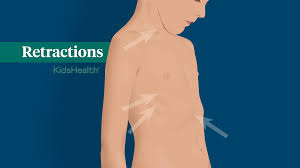
- When a person breathes When the muscles between the ribs and neck sink inward, this is known as retraction. Retraction indicates hard breathing.
49) Respiratory weaning:
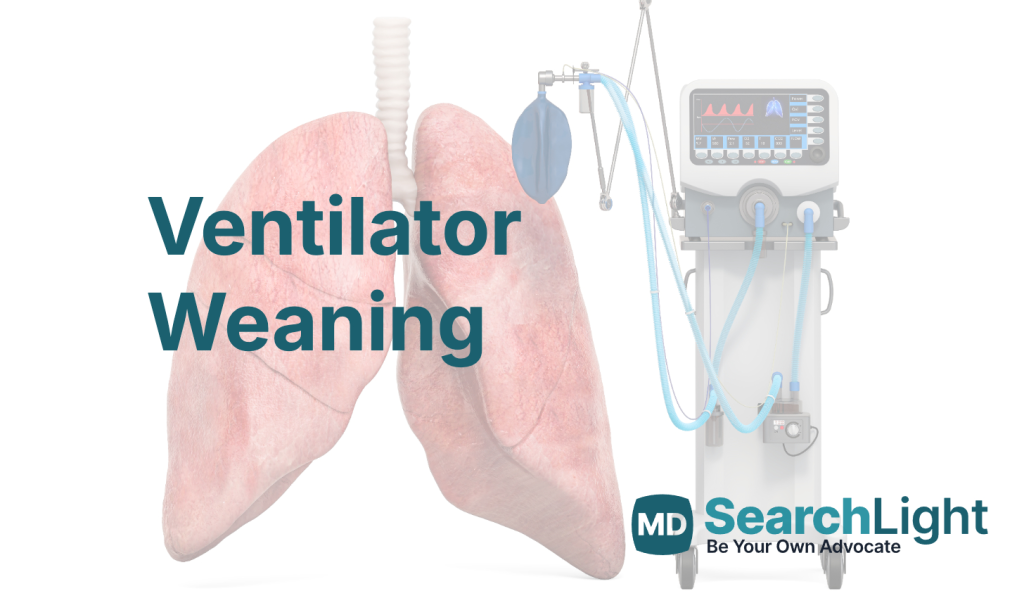
- Gradually and systematically reduce ventilation support so that the patient can manage the ventilation process on their own.
50) Rhinitis :
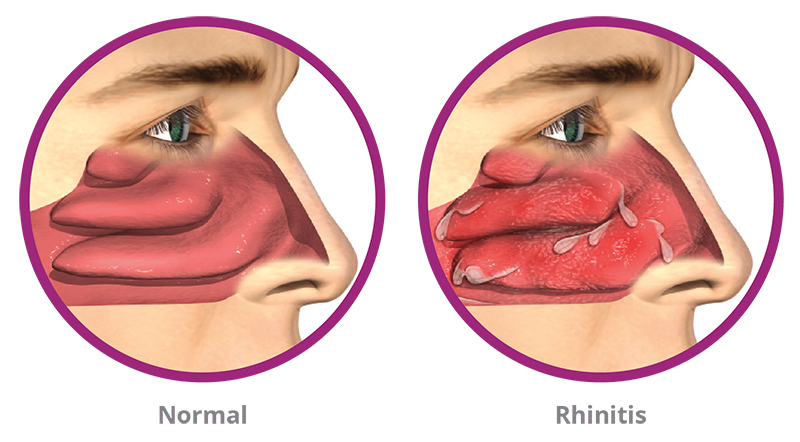
- Infection and inflammation of the mucous membrane in the nose is known as rhinitis.
51) Rhinorrhea:
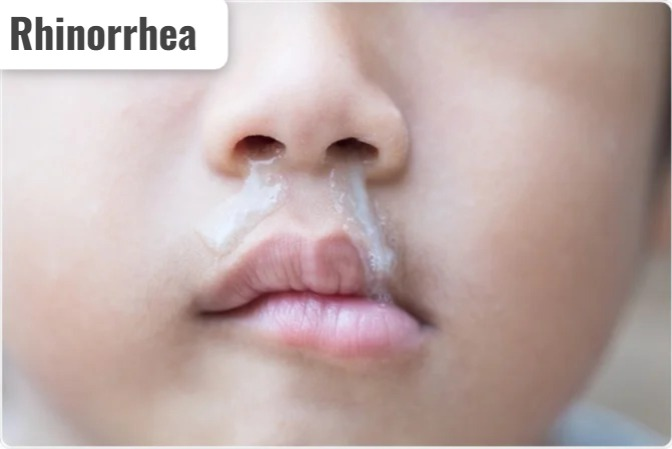
- Rhinorrhea means runny nose. In which a large amount of fluid drains from the nose and nasal passages.
52) Rhonchi (Rhonchi):
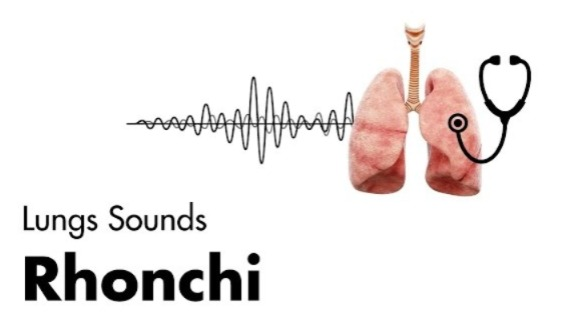
- A wheeze is an abnormal, continuous breath sound that is heard during inspiration and expiration. The sound of a wheeze is lower in pitch than a wheeze.
53) SARS (SARS) :
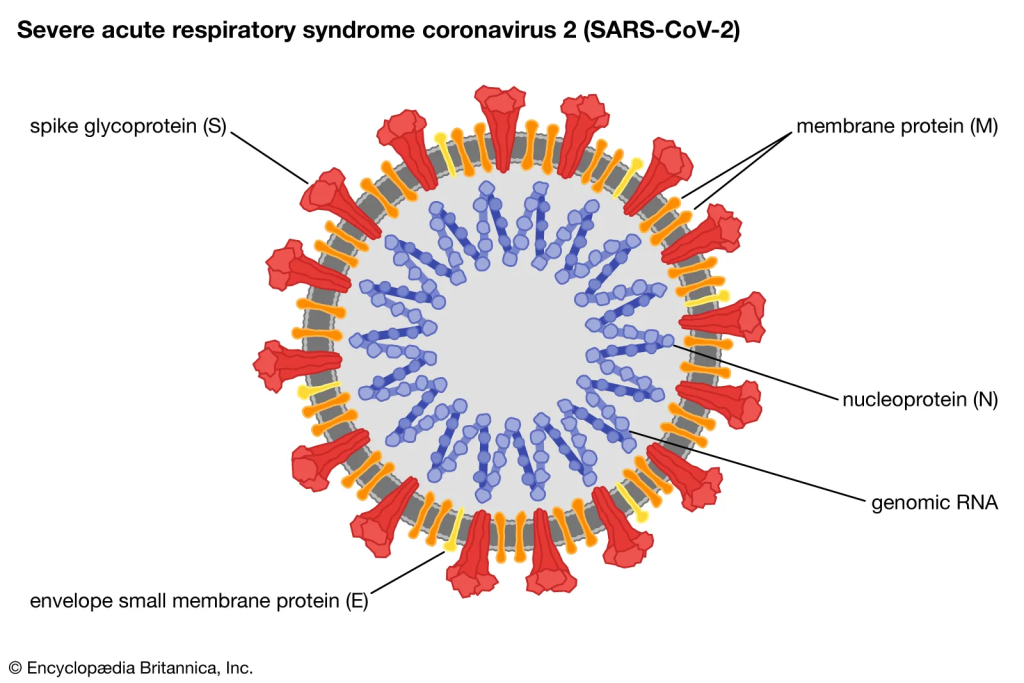
- SARS stands for Severe Acute Respiratory Syndrome. SARS is a viral respiratory disease caused by a coronavirus related to SARS.
54) Sinusitis:
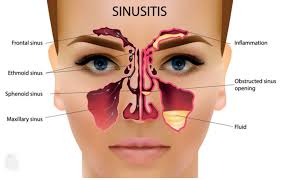
- Infection and inflammation of the sinuses is known as sinusitis.
55) Spirometry :
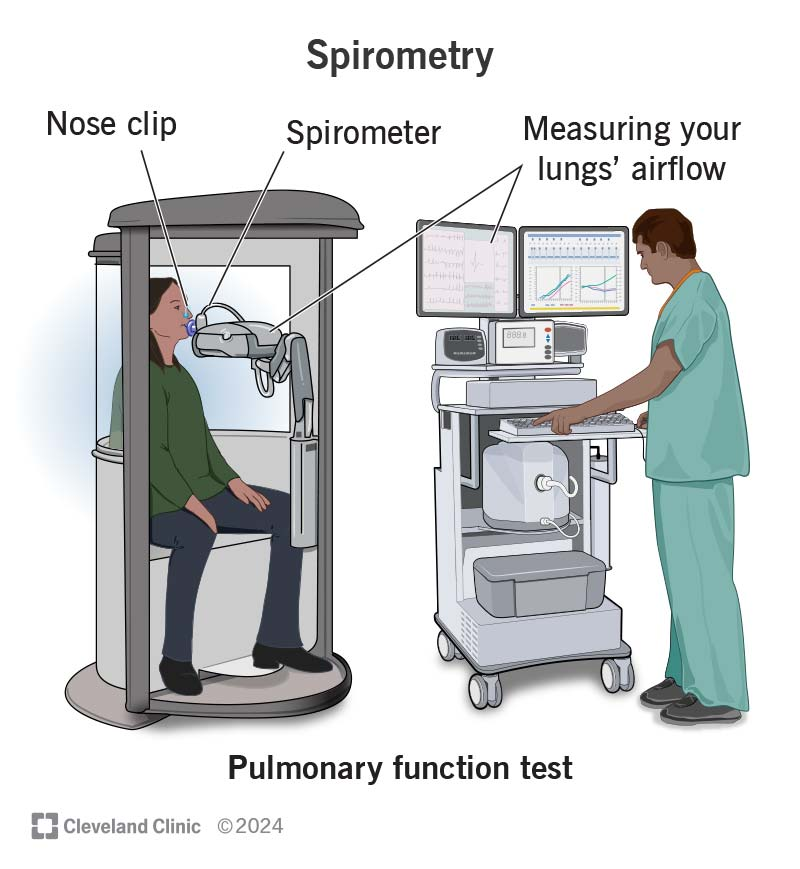
- Spirometry is a type of pulmonary function test. In which specific lung volume and rate are measured.
56) Stridor (स्टिडर) :
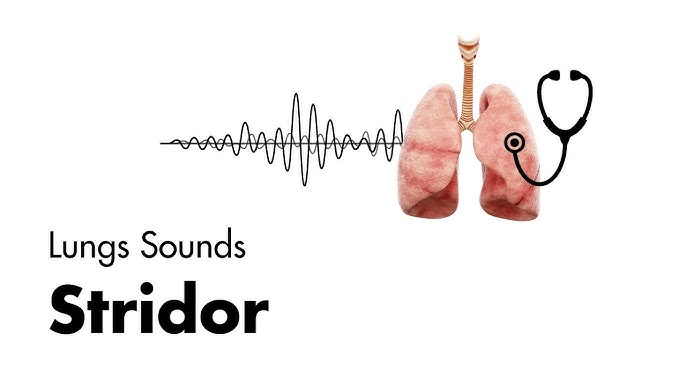
- A stridor is an abnormal, high-pitched wheezing sound that is heard due to obstruction in the upper airway. This sound is heard during inspiration and expiration.
57) Tachypnea (टैक्यप्नीया) :
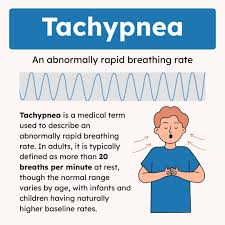
- Tachypnea is rapid and shallow breathing
58) Trismus (Trismus):
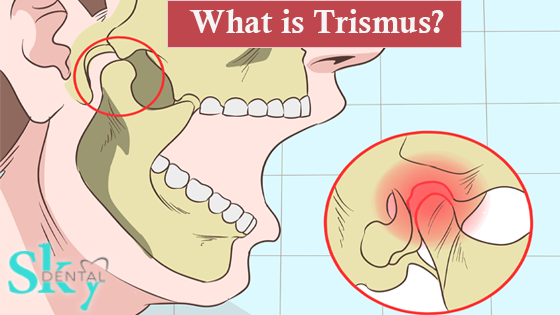
- Due to spasm of the muscles in the jaw, there is difficulty in opening the mouth.
59) Tension pneumothorax:
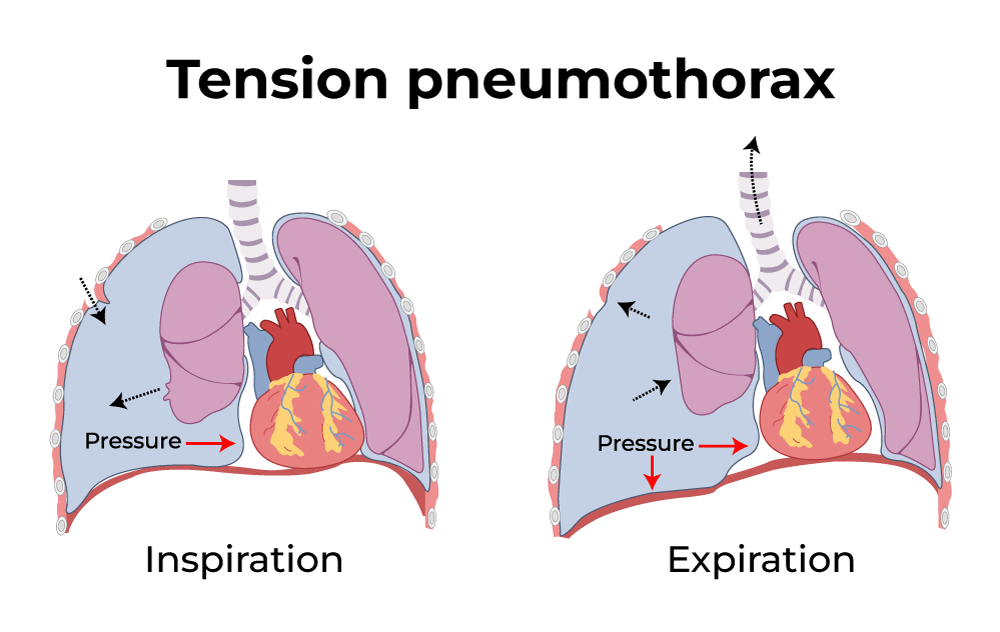
- Tension pneumothorax is a life-threatening condition in which air becomes trapped within the pleural space and creates pressure against the lungs.
60) Thoracocentesis:
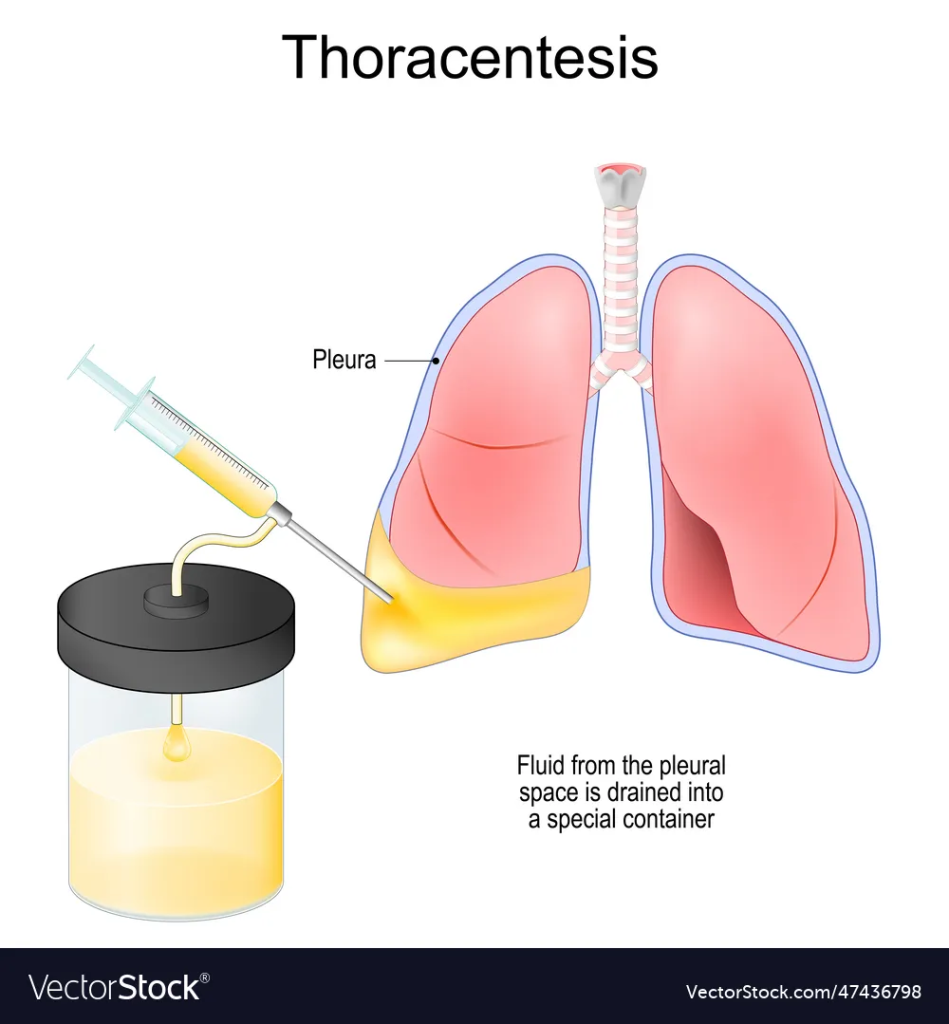
- Thoracocentesis is a diagnostic and therapeutic procedure in which a needle is inserted into the pleural space and the fluid present in the pleural space is aspirated with the help of the needle.
61) Thoracotomy (Thoracotomie):
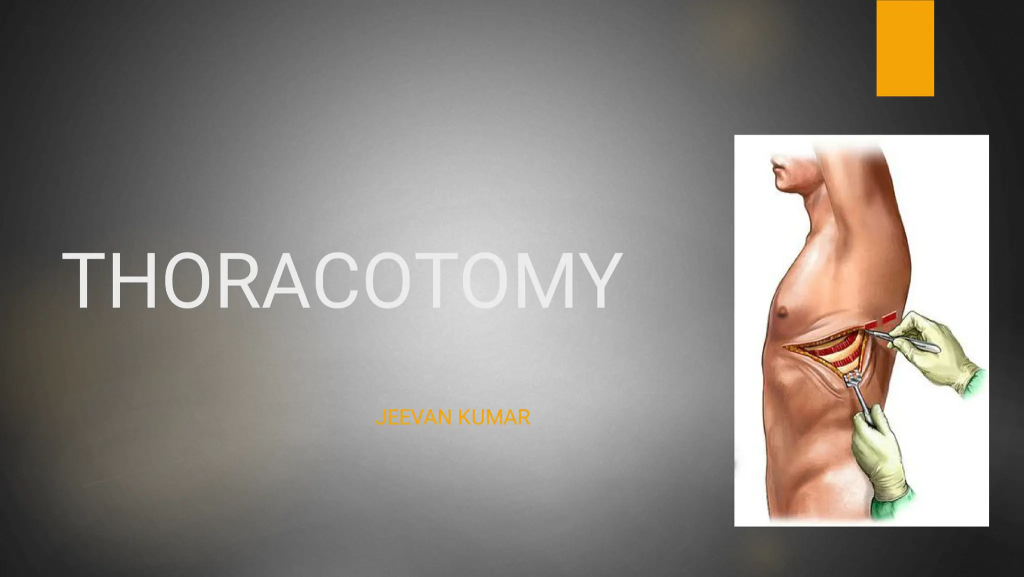
- Making a surgical opening in the thoracic cavity.
62) Tonsillitis :
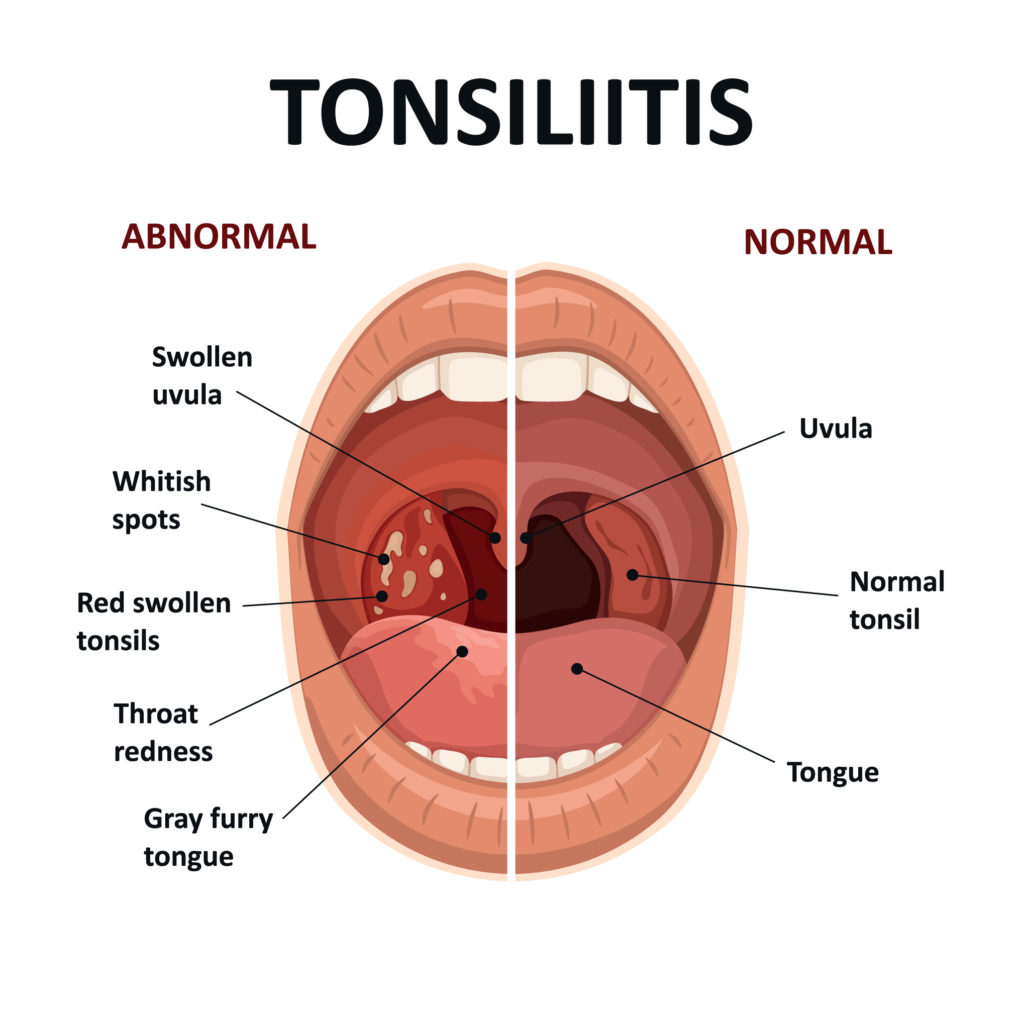
- Infection and inflammation of the tonsils is known as tonsillitis.
63) Tracheotomy :
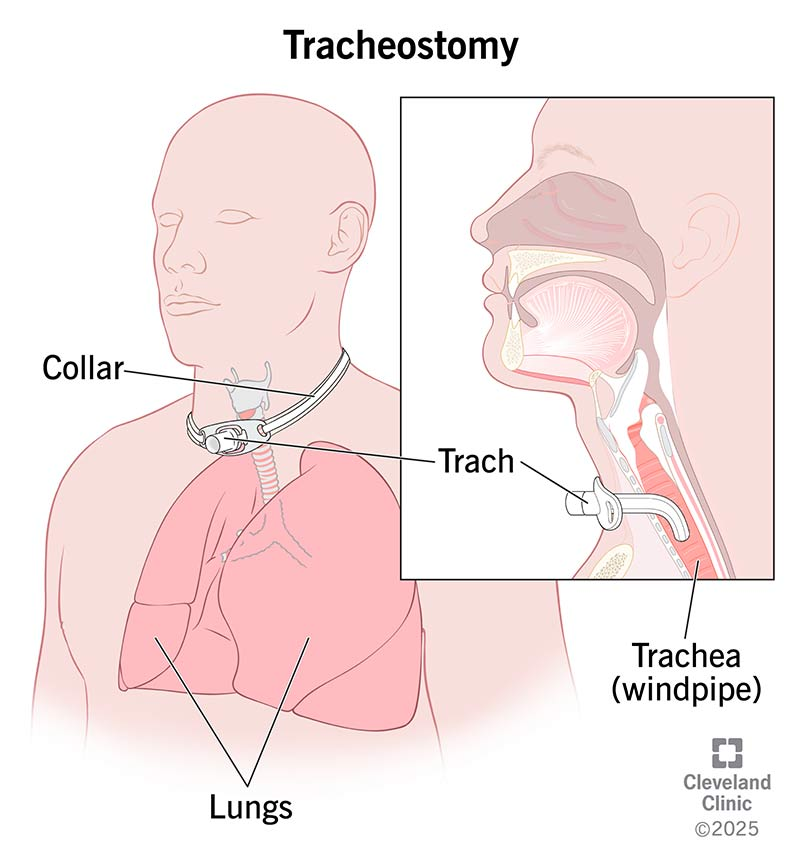
- Doing surgical opening in Turkey.
64) Vibration (Vibration) :
- Vibration is a technique in which the lower chest part is massaged and vibrated with the help of both hands, due to which the secretions present there are loosened and circulated so that they come out through the cuff.
65) Ventilation (Ventilation) :
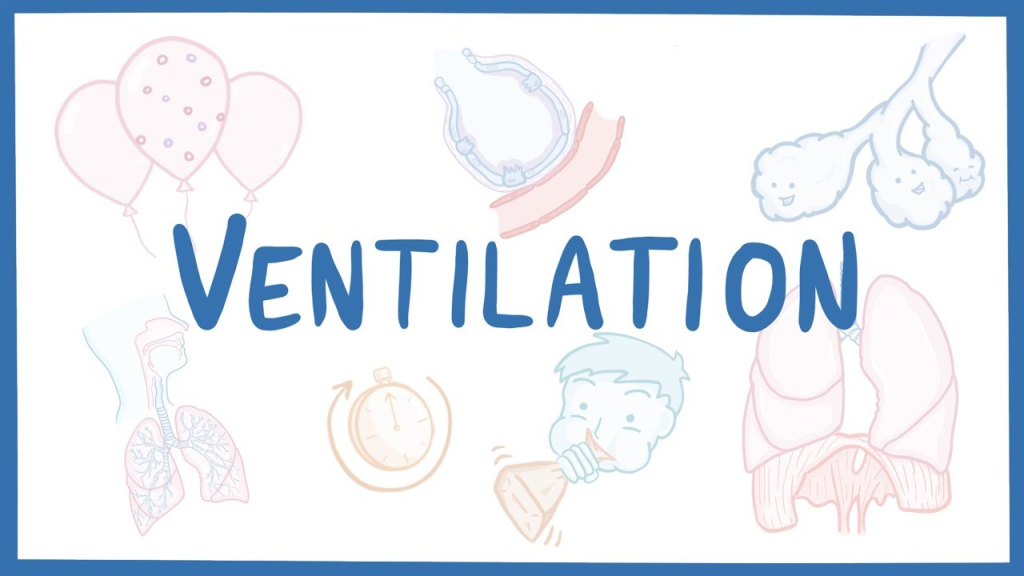
- Ventilation is the movement of air. The movement of air in and out of the airway is known as ventilation.
66) Ventilator :
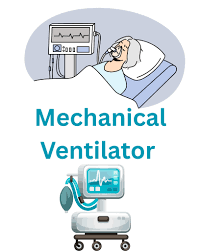
- A ventilator is a type of machine designed to help people breathe who cannot breathe on their own.
67) Wheeze :
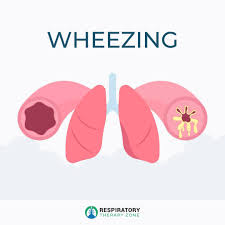
- Wheeze is a low-pitched musical sound that is heard due to obstruction in the lower respiratory tract. The wheezing sound is heard only during expiration.
68) Xerostomia (Xerostomia) :
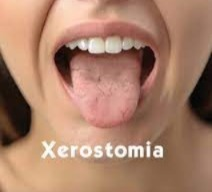
- Dryness of mouth.