ENGLISH-MSN 1 : UNIT 3 Pathophysiological mechanism of disease-UPLOAD
Pathophysiological mechanism of disease:
a) Stress Adaptation, Stressors, Management and Nursing Management.
- Stress arises due to physical, chemical and emotional factors. This causes physical and mental disturbance.
- Stress arises when an individual cannot adequately cope with demands. When a person perceives them as stressors, a stressful event occurs.
Common Sources of Stress. (Common Source of Stress):
Sensory Input (Sensory Input):
- Stress arises when pain, bright light, noise, temperature, any environmental factors such as food, air, water quality, housing, health, freedom, mobility, etc. are factors over which one has little control.
Social Factors:
- Social factors like breakup, relationship conflict, any social defect, birth, death, divorce, marriage etc. can cause stress.
Various Life Experiences:
- Life experiences like poverty, unemployment, clinical depression, OCD (mental illness), heavy drinking, Stress is seen due to reasons like insufficient sleep, exams etc.
Other Factors:
- Stress is seen due to reasons like allergies, menstrual disorders, thyroid disorders, adrenal hypo function etc.
Physiological Response Of Body To Stress (Physiological response of body to stress).
Reproductive System (Reproductive System)
- Infertility, premature ejaculation, impotence (inability to perform sexual activity due to physical and mental causes) etc. are seen in the reproductive system due to stress.
Skin
- Eczema on the skin due to stress, Psoriasis, dermatitis, rashes etc. are seen.
Central Nervous System
- Stress affects the central nervous system. Due to which, problems like poor concentration, memory problems, sleep disturbances, and inability to make decisions, migraines, headaches, anxiety, depression, etc. are seen.
Cardio Vascular System
- Due to stress, hypertension, atherosclerosis, tachycardia, palpitations, etc. are seen in the vascular system.
Respiratory System
- Asthma, breathlessness, etc. are seen in the respiratory system due to stress.
Digestive System (Digestive System)
- In the digestive system, stomach upset, ulcers, diarrhea, gastritis, irritable bowel syndrome, colon cancer, sore mouth, etc. are seen.
Masculo Skeletal System (Musculo Skeletal System)
- In which muscles and Tension is seen in the joint. Symptoms like backache, multiple sclerosis, body pain, etc. are seen.
Endocrine System
- Muscular pain is seen in the endocrine system due to stress. Degenerative diseases such as rheumatoid arthritis are seen. Apart from this, diabetes and thyroid related disorders can also be seen due to hormonal disturbances for a long time.
Immune System
- Due to stress, the immune system decreases and resistance against any infection decreases. There is a possibility of any type of infection.
Stages of Stress:
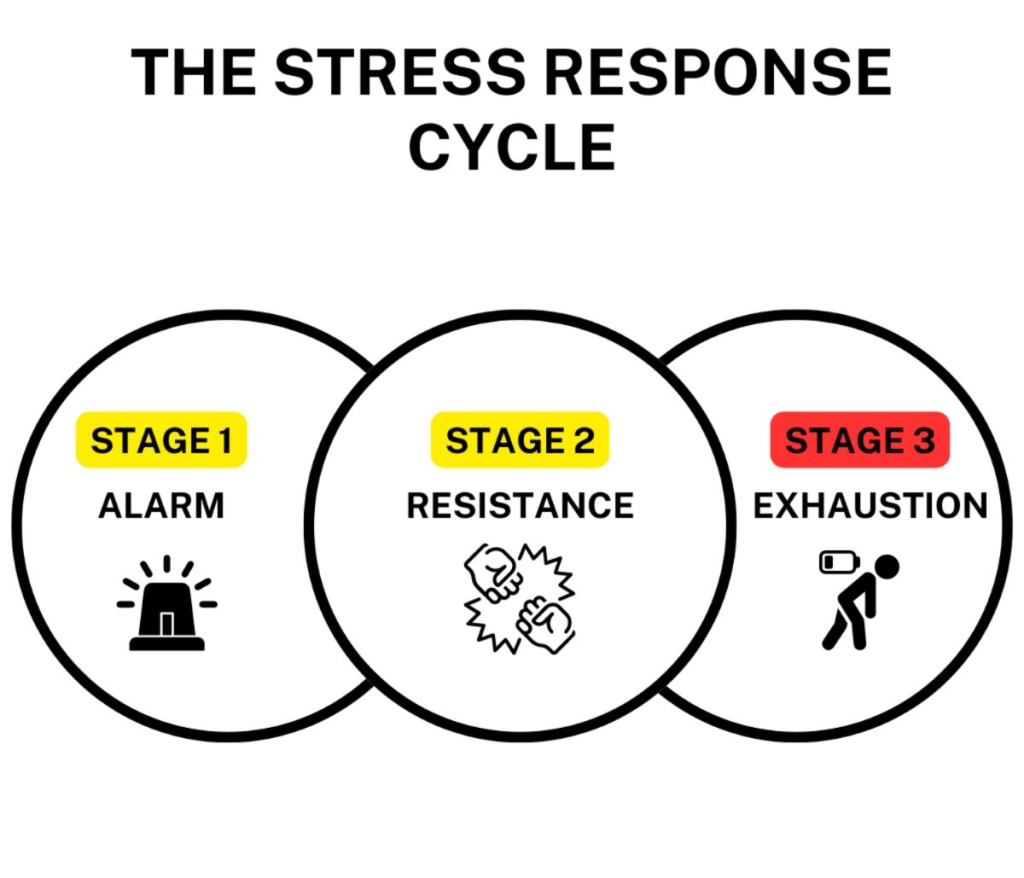
- The body’s response to stress has been described in three stages by Dr. Hans Selye. This is called the General Adaptation Syndrome. These stages are as follows.
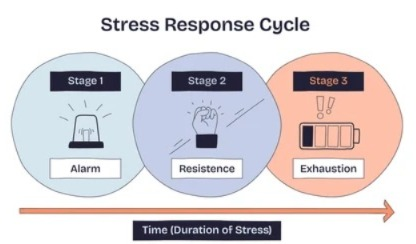
(1) Alarm Stage .
(2) Resistance or Adaptation Stage .
(3) Exhaustion Stage .
(1) Alarm Stage.
- The fight or flight reaction is present in this stage. The body reacts to stress by releasing adrenaline and other hormones. Other physical responses such as butterflies in the stomach, elevated blood pressure, dilated pupils, dry mouth, difficulty concentrating, etc. are temporary body responses.
- All of the above symptoms are similar to the initial alarm stage of any stressful situation.
(2) Resistance or Adaptation Stage.
- Resistance is the second stage. If the stressor (stress-causing factors) are continuous, then it is necessary to cope with the stress. The body tries to cope with the demands of the environment and the stress, but if the body cannot cope, then there is a decrease in the substances that make up the resistance. Due to which the immune system is compromised. So the susceptibility to illness increases.
- For some days the body resists and adapts to that stress. During that time, if the body can cope with the stress, then the stress is minimized and adjustment occurs, but if the stressors continue, then the body cannot resist for a long time and the next stage is seen.
(3) Exhaustion Stage.
- Exhaustion is the final stage. In this stage, the body’s resistance factor decreases. Due to which the body becomes unable to perform its normal functions. Initially, symptoms of the autonomic nervous system such as sweating, increased heart rate are seen.
- If this stage is extended, it causes long-term damage due to which the body’s immune system weakens and the body’s functions are impeded. So biological and psychological diseases are seen.
Mesures for Stress Adaptation (Stress Adaptation Measures).
Constructive (Constructive):
- In constructive measures, the person takes on a challenge to resolve it is.
Destructive:
- In which the person uses alcohol and drugs to relieve stress
- In psychological behavior, we can relieve stress by solving problems through coping mechanisms such as problem-solving techniques.
Stress Management.
Stressful situations can be managed according to the 4 A, which include
- Avoid the stressors (which includes avoiding stressful events)
- Adapt to the stressors (which includes adapting to stress)
- Alter the stressors (which includes modifying them in another direction)
- Accept the Stressors
Healthy ways for stress management:
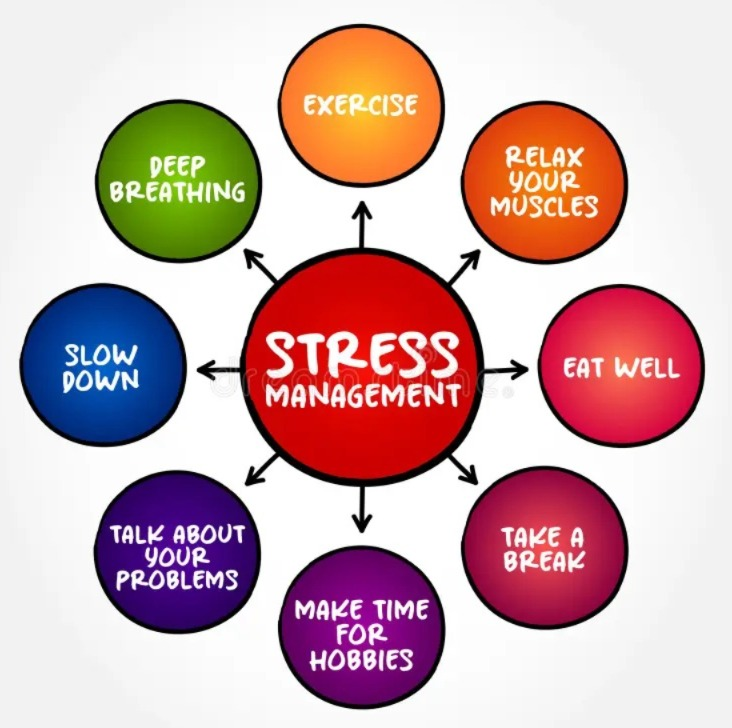
- Walking every day.
- Spending time with nature.
- Communicating with good friends to relieve stress so that you can feel good.
- Exercising every day.
- Relieve stress by writing in your journal book.
- Take a long bath.
- Use a light or candle to feel good.
- Avoid alcohol, cigarettes and drugs.
- If necessary, drink a warm cup of coffee or tea.
- Play with pets or small children to refresh your mind.
- Read a good book. To do.
- Listen to music.
- Watch comedy in free time.
- Eat a healthy diet.
- Do deep breathing exercises.
- Do meditation.
- We can relieve stress through a family support system.
- Nursing Intervention in Stress.
- Discuss the person’s problem.
- Identify the cause of the problem and treat it, and if it is not treatable, teach how to cope.
- Provide psychological support.
- Do not give false reassurance.
- Clarify fantasy and fact.
- Link to community resources.
- Help reestablish networks.
- Treat them psychopharmacologically.
- If the person is overworking, ask them to take breaks in between work.
- Get enough sleep after work. To do.
- Eat a good diet.
- Do deep breathing exercises.
- Help a stressed person find a good friend.
- Go for a walk in a peaceful place when the person is free.
- Ask the person to work in a good environment.
- Solving problems through problem solving methods.
- How to spend time with family and friends.
- Preventing alcohol and drug addiction.
Inflammation:
Definition:
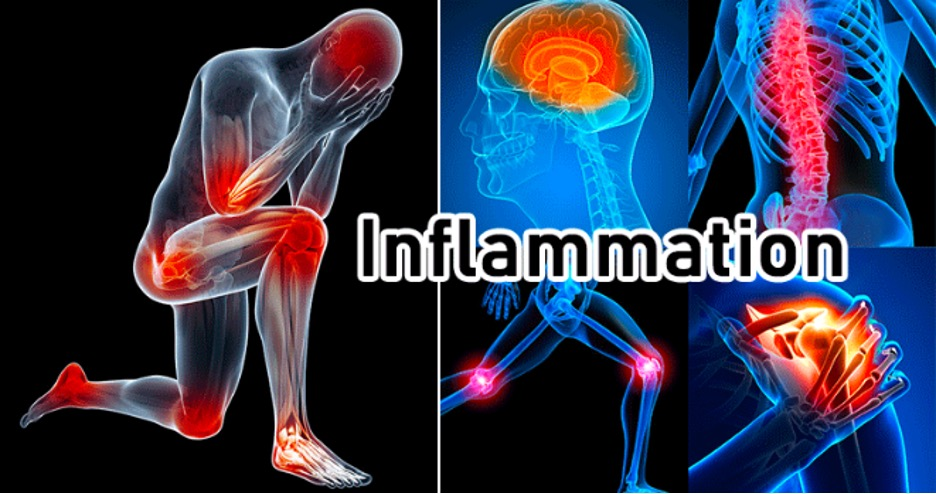
- The local response given by living cells due to injury to the body caused by any agent (microorganism) is called inflammation.
- Inflammation is the response given by the body to an antigen that has entered.
- The process of inflammation causes malfunction in the body’s immune system.
- Inflammation is a process in which the body’s white blood cells and chemicals are released Protects the body from foreign substances or infectious agents.
- Which is a protective reaction of localized tissue due to which localized pain, redness, swelling and sometimes loss of function are seen.
- Damaged tissue due to injury stimulates the entire process of inflammation. Which is a local response given by the skin and other tissues. Due to which redness, heat, swelling are seen. Due to the increase in blood supply, that area also appears hot.
All these elements are caused by the activity of those immune cells.
Types of Inflammation:
Acute Inflammation:
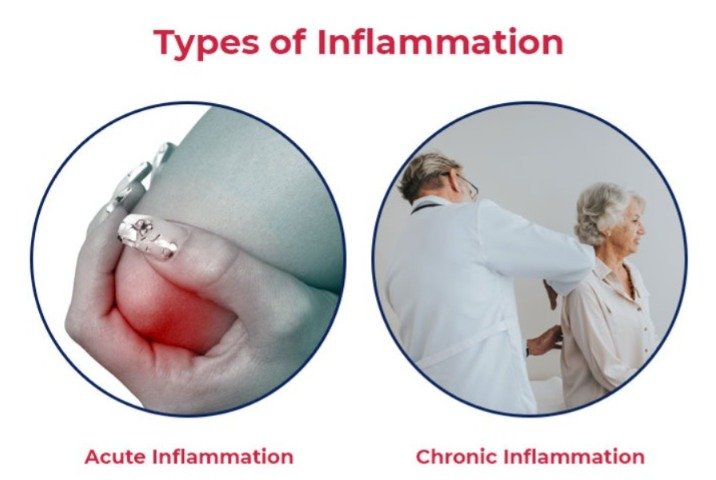
- Acute inflammation is characterized by rapid onset. Local vascular and exudative changes are seen. Its duration is less than two weeks. In acute inflammation, an immediate response is seen. When the injurious agent (microorganism) is removed, the inflammation decreases and healing starts with a return to normal function. Finally, the structure becomes normal.
Chronic Inflammation:
- Chronic inflammation occurs when an agent continues to cause injury. Symptoms are long-lasting, lasting months or years.
- Chronic inflammation involves proliferative changes at the site of injury. This cycle involves cellular infiltration, necrosis, and fibrosis, leading to permanent tissue damage.
Sub Acute Inflammation.
- Sub acute inflammation is between acute inflammation and chronic inflammation. In which elements are activated like in the acute phase and repair occurs like in the chronic phase.
Etiology:
Exogenous factors:
(1) Physical Factors:
Mechanical agent:
Mechanical agent:
Agent)
- In which inflammation occurs due to fracture, foreign substance
Thermal agent
- Inflammation occurs due to burns, freezing
Chemical agent (Chemical Agent)
- Inflammation is caused by chemicals such as toxic gases, acids, bases, drugs and venoms
(2) Biological factors:
- Bacteria
- Virus
- Parasites and fungi cause inflammation
Endogenous factors.
- Circulation Disorder
Thrombosis
Infarction
Hemorrhage - All of the above types cause inflammation.
Process of Inflammation.
Vasodilation:
- When When any part of the body is injured, the small arteries there dilate due to a chemical reaction and more blood supply is seen towards that part.
Vascular permeability:
- The blood flow in that area increases due to which the vasoactive substance increases the permeability of those arterioles.
Exudation (Exudation):
- Fluid, red blood cells, white blood cells accumulate in the injured area. This causes swelling. This compresses the nerve receptors. This causes pain. Due to which extravascular osmotic pressure increases.
Vascular stasis:
- Fluid accumulation occurs due to increased blood supply due to vasodilation. Which collects chemical mediators and inflammatory cells and responds to stimuli.
Stages of the Inflammatory Reaction.
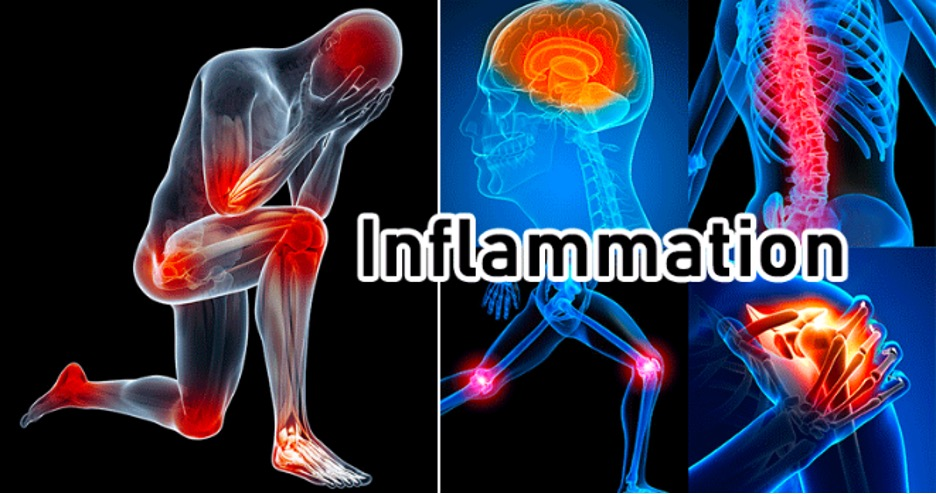
Inflammatory reaction is a combination of many reactions given by the body. Among them, the following reactions are observed.
(1)Tissue Injury:
- Tissue injury occurs due to pathogens, trauma, impact, falling, during cutting, etc.
(2) Release of chemical (Release of Chemical):
- When tissue cells are injured, certain chemicals initiate the inflammatory response. Tissue injury causes the release of certain chemical mediators such as histamine, bradykinin, prostaglandin, lymphokines, which activate the inflammatory process. These chemicals accumulate, causing vasodilation and increased capillary permeability.
- Which increases blood flow to the injury site. Which acts as a chemical messenger and attracts other natural defense cells of the body in a process called chemotaxis.
- Redness and warmth are seen due to increased blood flow towards the injury side. Plasma leakage is seen along with increased capillary permeability. Due to which non pitting edema (swelling) is observed due to the collection of fluid outside the capillary.
(3) Leukocyte migration:
- Leukocytes migrate towards the damaged area due to chemotaxis. Which infiltrate damaged tissue and engulf bacteria.
- There are two types of leukocytes that respond to the inflammatory process.
Macrophages
Neutrophils - Neutrophils reach the injury site first and work to neutralize harmful bacteria.
- Macrophages speed up the healing process by engulfing bacteria and dead cells.
Which arrive within 72 hours of the injury and after the injury Lasts for weeks. - The destroyed cells are replaced with identical and similar structures and functions. Tissue healing is promoted and fibrous tissue is formed, which reduces the tissue’s capacity to function.
Tissue Healing.

Healing is the body’s response to injury that restores normal function and structure. Healing occurs in two ways.
1.Regeneration
2.Repair
1.Regeneration:
- Parenchymal cells proliferate, causing the original The tissue is completely restored.
- Some parenchymal cells have a short life span, while other cells have a long life span. Which maintains the proper structure of the tissue.
- Growth factors help in the regeneration of that tissue
- Which includes the following growth factors
Epidermal growth factor
Fiber blast growth factor
Platelet derived growth factor - Endothelium growth factor
Transforming growth factor - Two The period between successive cell divisions is called the cell cycle. Which divides into four unequal phases
- The cells of the body are of three types
(1) Liable cell:
- These cells undergo continuous multiplication under normal physiological conditions. They undergo cell division throughout their life.
- Cells such as epidermal cells, hematopoietic cells of bone marrow, lymph node cells, etc. have such characteristics.
(2) Stable cell:
- These cells decrease their ability to proliferate after adolescence but continue to multiply in adult life in response to stimuli. Contains KPCT. This type of cell is found in the liver, pancreas, kidney.
(3) Permanent cell:
- This cell proliferates at birth. The nervous system and skeletal muscles contain this type of cell. Regeneration in these cells occurs to a lesser extent. So these cells do not have the characteristics of multiplying.
2.Repair:
- Repair involves the elimination of connective tissue, which results in fibrosis and scarring. In which four phases are seen.
1.Collagenation:
- The healing process takes place at the end of the inflammatory process. Macrophages clear the damaged tissue, and provide space for the regeneration of new tissue. Fibroblasts produce a collagen matrix, which acts as a framework for new tissue cells.
2. Angiogenesis:
- New capillaries form in the damaged area due to the cleansing of damaged tissue. This is called angiogenesis or revascularization. The reintroduced blood vessels cause the cells there to grow.
3. Proliferation:
- This phase lasts for more than four weeks. When the injury is more severe, in which a mixture of specific tissues such as muscle tissue and other tissues is seen, it is called granulation tissue.
4. Remodeling:
- In this stage of remodeling, new tissue remodeling occurs which converts function. The remodeling process lasts for months and years.
Systemic and Local Signs of Inflammation:
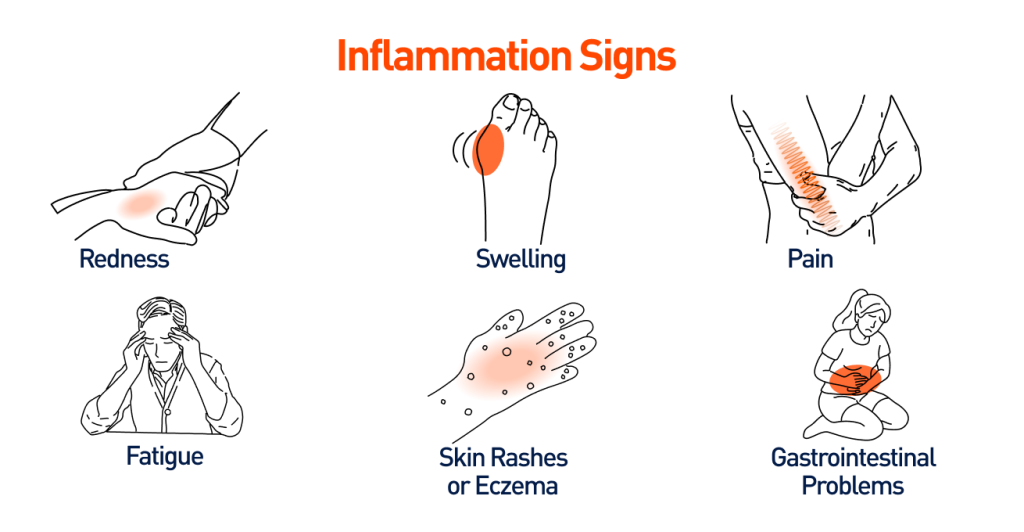
- Redness Vasodilation causes blood to pool more, causing redness.
- Warm Vasodilation causes blood flow to increase, causing local area warmth.
- Edema (swelling) Edema occurs when leukocytes and fluid enter the circulatory system. Swelling is also seen due to increased blood supply to the area of inflammation and limited venous return from that area.
- Purulent exudate
- Pain in the local area due to swelling due to compression on the nerve endings there.
- Loss of function
- Fever
- Weakness
- Increases Respiration
- Increases Pulse
- Increases WBC Count
Treatment of Inflammation.
- Inflammation is the body’s short-term or long-term response to a stimulus. Treatment is necessary to minimize the changes and discomfort that develop in the body during this response. The following treatments are given during inflammation.
Non-steroidal anti-inflammatory drug (NSAID):
- This drug inhibits the production of prostaglandins from those cells.
- Medicines like paracetamol, ibuprofen etc. can be given in this.
Corticosteroid:
- Steroids inhibit the formation of prostaglandins and inhibit the function of white blood cells that play an important role in the inflammatory process. It also suppresses the body’s temporary immunity so that the body’s resistance can be minimized.
Anti histamine:
- Histamine is a chemical. It is produced by WBC and connective tissue cells. Such as basophils and mast cells that secrete histamine in allergic responses. Antihistamines can reduce symptoms of local inflammation and block the production of basophils and mast cells.
Hot and Cold therapy:
- Cold therapy causes blood vessels to narrow, which blocks inflammation, reduces pain, and cools the area.
- Hot Application increases the symptoms of inflammation but helps reduce spasms or cramps in muscles.
Nursing Management of Inflammation..
Assessment:
- Ask the client about risk factors, nutrition, medicine use, location, duration, redness, pain, swelling.
- Check the movement and circulation of the injured part and check for any discharge.
Nursing Management:
Pain:
- If possible, elevate the inflamed part.
Tissue Integrity:
- Give nutritional food for the healing process
- Check the circulation in the affected part and the skin of the surrounding area.
- Use sterile water or normal saline to clean the inflamed part.
- Clean and dry the inflamed area. Keep it open to the air so that healing is good.
Prevent Infection:
- Check the wound for any signs of infection such as pus, slow healing, bad smell, etc. If pus is found, send it for culture.
- Check vital signs such as temperature, pulse, BP, respiration.
- W. B. C. Get a complete blood count test done.
- Give fluids and a nutritional diet.
- If there is a wound, dress it with aseptic technique.
- Wash hands before touching the inflamed area and wash hands after touching it.
- Eat foods rich in vitamin C, which speeds up the healing process.
Defence against Injury.
- The human body has many defense mechanisms that prevent infections and diseases.
- Non-specific defense mechanisms defend against a wide range of pathogens.
- While specific defense mechanisms defend against only a few particular pathogens.
Nonspecific defense mechanism:
Nonspecific mechanism
Anatomical Barrier:
- Anatomical barrier includes the nasal opening to the respiratory system, skull and vertebral column, skin which is the major anatomical barrier. Which prevents microorganisms from entering the body. Mucus membranes also secrete mucus which fights against microorganisms.
Physiological Barrier:
- Tears act as a physiological barrier as they continuously flush the eyes, vaginal secretions are acidic which prevents bacteria from moving forward.
- The hostile environment in the stomach inhibits the growth of many pathogens.
- Tears, saliva, and nasal secretions from the eyes, mouth, and nasal passages contain an enzyme called lysozyme that breaks down bacterial cells. Lysozyme is also found in blood, sweat, and some tissue fluids, which act as a physiological barrier.
- Blood contains white blood cells. It contains several types of phagocytic cells that detect, track, digest, and kill bacteria and viruses. It also protects against infected host cells and other debris.
- The inflammatory response is a nonspecific defense mechanism that prevents infection from spreading throughout the body. Inflammation is characterized by swelling, redness, elevated body temperature, and pain. Repeated inflammation can cause tissue damage and, in severe cases, death.
- The normal flora is a protective layer. It is located on the skin, mouth, gastrointestinal tract, and other areas of the body where microorganisms are present. Which protects against pathogens. If the normal flora is suppressed, the agent gets a chance to grow, which causes disease.
Specific defense mechanism:
- When non-specific mechanisms fail, the body initiates another specific defense mechanism.
- Specific immune The response destroys the target pathogen and infected cells.
- The response depends on specific types of WBCs, which include lymphocytes, T cells, and B cells.
- T cells mature in the thymus gland. Produced by lymphocytes.
- B cell bone marrow matures and is produced by lymphocytes.
- Specific immune responses are cell mediated responses and antibody mediated responses.
- Cell mediated responses include T cells. Which directly destroys the body’s cells that are cancerous or infected and activates other immune cells.
- Antibody mediated response includes T cells, B cells that disrupt the entered pathogen and eliminate toxins.
- Macrophages engulf the pathogen and provide cell mediated and antibody mediated response.
Immunity (Immunity):
- When the host encounters that antigen, it triggers a specific immune response so that the second time that pathogen enters the body, the memory lymphocytes recognize it and produce lymphokinase and antibodies.
- The second encounter is done quickly and by giving an immune response, the pathogen does not get time to reproduce in sufficient quantities so that we can stop it before it causes disease in the body. Memory responses can also be produced by vaccinations that prevent the disease from occurring for the first time.
Vaccination:
- Vaccines are either killed or attenuated. The solution contains the pathogen for a particular pathogen. The body responds to the antigen in the vaccine, but the antigen is not capable enough to cause disease. Specific diseases can be prevented by giving vaccines.
Inflammation:
- When an injury occurs, microorganisms enter the body, causing inflammation in the affected area.
- Inflammation can be caused by many conditions. Inflammation is the body’s defense against antigens.
- Inflammation causes tissue damage. The increase in body temperature is a protective response against injury. Which is a defense mechanism. Due to which discomfort occurs.
- Thus the above mechanism helps in protecting the body as a defense mechanism.
Nutritional Considerations:
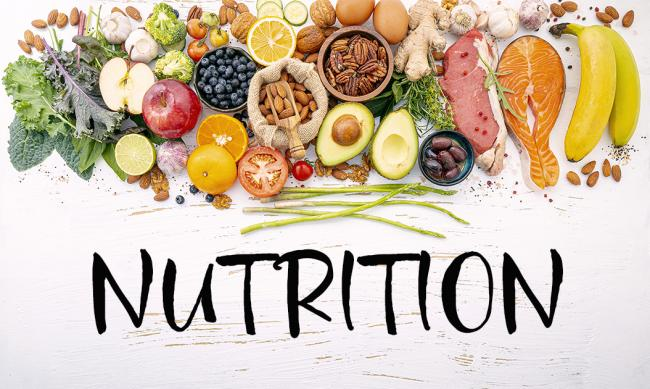
- Florence Nightingale understood the importance of nutrition.
- Nurses play an important role in feeding patients.
- Nutrition plays an important role in the control of some diseases such as diabetes, hypertension, inflammatory bowel disease.
- Nutrition is needed for the body to function. The body gets energy from carbohydrates, proteins, vitamins, minerals, fats, etc.
- Water works as a solvent in metabolic processes.
- Vitamins and minerals are essential for metabolic processes that regulate acid-base balance. It does not provide energy to the body that maintains balance.
- The body needs energy in the form of kilocalories from the food it consumes.
- If you consume more kilocalories than your energy demand, you will gain weight, and if you consume less kilocalories than your energy demand, you will lose weight.
- Pregnancy, illness, lactation, and activity level affect the body’s metabolic processes.
- Nitrogen balance is an important factor that affects the health and growth of the body.
- When nitrogen intake and output are equal, nitrogen balance is maintained. If nitrogen intake exceeds output, a positive nitrogen balance is created in the body. A positive balance is necessary for body growth, normal pregnancy, maintenance of body mass, vital organ and wound healing. The accumulated nutrition is used in the body’s building, repair, and replacement of tissues.
- If the body loses too much nitrogen, a negative nitrogen balance occurs. Which is seen in cases of infection, sepsis, bunions, fever, starvation, head injury and trauma.
- If nitrogen loss in the body increases, then tissue destruction starts and the nitrogen level in the body fluid decreases.
- This shows how important nutrition is in the body.
- Protein plays an essential role in the growth and repair of the body.
- Therefore, every person should take the calories required by the body and a balanced diet to maintain the body.
Factors Affecting Nutrition:
- Religion, culture, background, age, economic status, lifestyle, biological factors, personal preferences such as interest, food habits, physical status, availability of food, psychological factors, environmental factors, etc. affect nutrition.
- A nurse plays an important role in maintaining the nutritional level of the patient and plays a role in maintaining the functions of the body.
- Food supplies energy to the body. It is needed to perform various functions of the body. Dietary management plays an important role in providing all the nutritional supplies of the body through an effective dietary plan. For the health and well-being of the body and also prevents it from various diseases.