P.B.B.Sc-2017-JANUARY-PSYCHOLOGY-PAPER NO.1 (UPLOAD)(DONE)
P.B.B.Sc-2017-JANUARY-PSYCHOLOGY (SAURASHTRA UNIVERSITY-GUJARAT)
SECTION – I
1.Long essay: (any two) 2×10-20
(a) Define personality and write down the methods of assessing the personality.
Define:- Personality
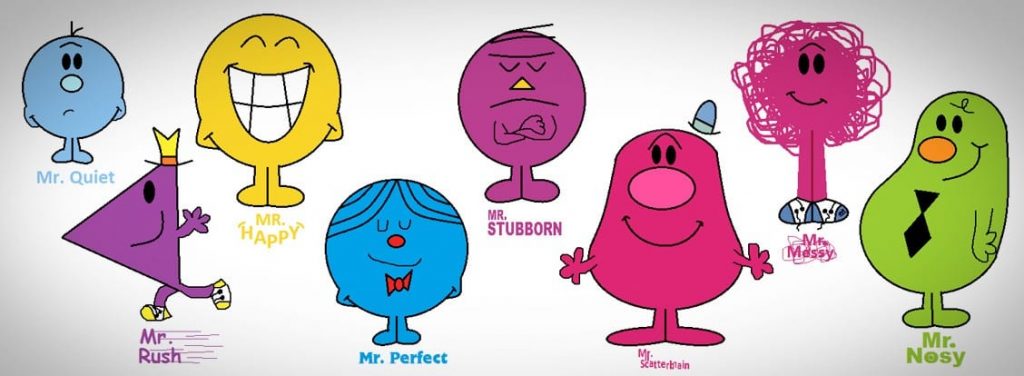
Personality refers to the unique set of traits, characteristics, behaviors, attitudes, and patterns of thinking that distinguish an individual from others. It encompasses a person’s consistent ways of interacting with and responding to the world around them, shaping how they perceive and engage with their environment, as well as how others perceive and interpret them. Personality traits can vary widely among individuals and are influenced by a combination of genetic, biological, environmental, and sociocultural factors.
There are numerous methods and tools used to assess personality, each with its own strengths and weaknesses. Here are some of the most common methods:
- Self-Report Inventories: These are questionnaires in which individuals rate themselves on a series of items designed to measure various personality traits. Examples include the Myers-Briggs Type Indicator (MBTI), NEO Personality Inventory (NEO-PI), and the Big Five Inventory (BFI).
- Interviews: Structured or semi-structured interviews allow trained assessors to directly ask individuals about their thoughts, feelings, and behaviors, providing insights into personality traits and patterns.
- Observational Methods: Observing individuals in various situations can provide valuable information about their personality traits, behaviors, and interpersonal skills. This can include naturalistic observation in real-life settings or structured observations in laboratory settings.
- Projective Tests: These are less structured assessments where individuals respond to ambiguous stimuli, such as inkblots (Rorschach Inkblot Test) or incomplete sentences (Thematic Apperception Test), revealing unconscious aspects of personality.
- Behavioral Assessments: These assessments focus on observing and analyzing specific behaviors in controlled settings. This could include tasks or simulations designed to elicit particular responses related to personality traits.
- Peer and Observer Ratings: Collecting ratings from friends, family members, colleagues, or other observers who are familiar with the individual can provide additional insights into their personality traits and behaviors.
- Neuroscientific Methods: Techniques such as functional magnetic resonance imaging (fMRI), electroencephalography (EEG), and positron emission tomography (PET) can offer insights into the biological basis of personality traits.
- Biographical Data and Records: Examining personal documents, such as diaries, letters, or public records, can provide historical information about an individual’s behaviors, interests, and experiences, which can contribute to understanding their personality.
- Computerized Assessments: With advancements in technology, there are now computerized assessments and algorithms that analyze data from various sources, such as social media activity or online behavior, to infer personality traits.
- Multi-method Assessment: Combining multiple methods, such as self-reports, interviews, and observations, can provide a more comprehensive understanding of an individual’s personality, minimizing biases and increasing reliability.
It’s important to note that no single method is perfect, and each has its limitations. Therefore, psychologists often use a combination of methods to obtain a more accurate and comprehensive assessment of personality. Additionally, cultural factors, individual differences, and the context in which assessments are conducted should always be considered when interpreting results.
(b) Define attitude and its development and modification.
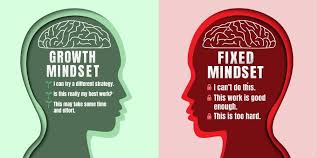
Attitude refers to a psychological tendency that is expressed by evaluating a particular entity with some degree of favor or disfavor. It involves beliefs, feelings, and behavioral tendencies toward an object, person, group, or issue. Attitudes can be positive, negative, or neutral and can influence our thoughts, emotions, and actions.
The development of attitudes can be influenced by various factors, including:
- Socialization: Attitudes often develop through interactions with family, peers, media, and other social influences during childhood and adolescence.
- Direct experience: Personal experiences with an object or situation can shape attitudes, either positively or negatively.
- Cognitive processes: Attitudes can form based on cognitive processes such as reasoning, judgment, and decision-making.
- Cultural and societal norms: Cultural values, traditions, and societal norms play a significant role in shaping attitudes within a community or society.
- Emotional responses: Emotional reactions to events or experiences can contribute to the formation and reinforcement of attitudes.
Attitudes can also be modified or changed through various processes, including:
- Persuasion: Effective communication and persuasive techniques can influence attitudes by presenting new information, appealing to emotions, or changing perceptions.
- Cognitive dissonance: When individuals experience discomfort due to conflicting attitudes or beliefs, they may modify their attitudes to reduce this cognitive dissonance.
- Social influence: Peer pressure, social norms, and conformity can impact attitudes, leading individuals to align their beliefs and behaviors with those of others.
- Direct experience: New experiences or information can challenge existing attitudes and lead to their modification or change.
- Education and awareness: Learning new information or gaining awareness about a topic can prompt individuals to reevaluate their attitudes and adopt new perspectives.
Overall, attitudes are dynamic and subject to change over time due to various internal and external influences.
(c). Define learning, theories of learning and learning during health and sickness.
Define learning
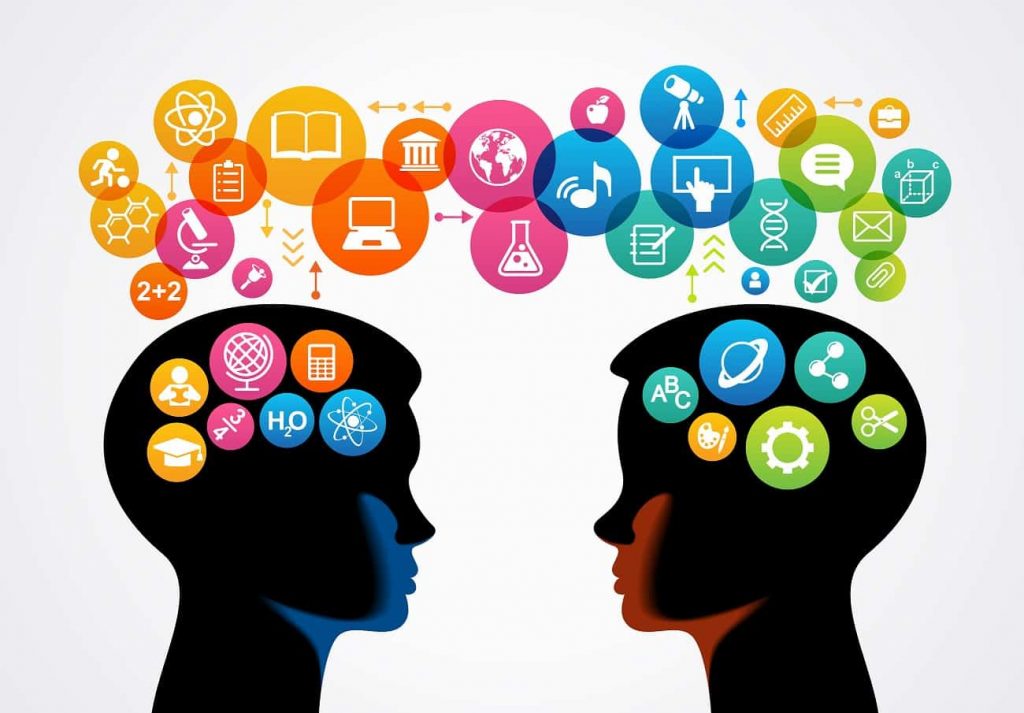
Learning can be defined as the process of acquiring knowledge, skills, behaviors, or attitudes through study, experience, or teaching. It involves the absorption, processing, and retention of information or abilities that enable individuals to adapt, grow, and develop throughout their lives. Learning can occur through various means, including formal education, informal experiences, observation, practice, and experimentation. It is a fundamental aspect of human cognition and essential for personal development, professional advancement, and societal progress.
Theories of learning
- Behaviorism: This theory, popularized by psychologists such as B.F. Skinner, focuses on observable behaviors and the environmental stimuli that reinforce them. According to behaviorism, learning is the result of conditioning through rewards and punishments.
- Cognitive Constructivism: Proposed by theorists like Jean Piaget, cognitive constructivism emphasizes the role of mental processes in learning. It suggests that individuals actively construct knowledge and understanding through experiences and interactions with their environment.
- Social Constructivism: Building on cognitive constructivism, social constructivism, as advocated by Lev Vygotsky, emphasizes the importance of social interactions and cultural context in the learning process. It highlights the role of social relationships, collaborative activities, and cultural practices in shaping learning outcomes.
- Humanistic Theories: Humanistic theories, such as Carl Rogers’ person-centered approach, focus on self-directed learning and personal growth. They emphasize individuals’ innate drive for self-actualization and autonomy in the learning process.
- Connectivism: In the digital age, connectivism proposes that learning is facilitated by networks, both human and technological. It emphasizes the importance of making connections, accessing information, and staying updated in a rapidly changing knowledge landscape.
Learning during health and sickness can be influenced by various factors, and the experience may differ significantly depending on an individual’s physical condition, psychological state, and environmental factors. Here’s how learning can be affected during both health and sickness:
Learning During Health:
- Optimal Cognitive Functioning: Generally, when individuals are in good health, their cognitive functions, such as attention, memory, and processing speed, are operating optimally. This can facilitate effective learning by enabling individuals to absorb, process, and retain information efficiently.
- Physical Energy and Stamina: Good health often correlates with higher levels of physical energy and stamina, which can support sustained engagement in learning activities over extended periods of time. Individuals may feel more alert, motivated, and capable of tackling challenging tasks or learning new skills.
- Emotional Well-being: Positive emotions and a sense of well-being can enhance learning experiences by promoting curiosity, motivation, and perseverance. When individuals feel happy, confident, and emotionally secure, they are more likely to approach learning with enthusiasm and resilience.
- Access to Resources: Being in good health may increase individuals’ access to educational resources, facilities, and opportunities for learning. They may have the energy and mobility to participate in educational programs, attend classes, access libraries or online resources, and engage in social learning activities.
Learning During Sickness:
- Cognitive Impairments: Illness or sickness can lead to cognitive impairments, such as difficulties with concentration, memory, or mental clarity. Symptoms such as pain, fatigue, or medication side effects may hinder individuals’ ability to focus and retain information effectively.
- Decreased Energy and Motivation: Sickness often results in decreased energy levels, fatigue, and diminished motivation. Individuals may feel physically drained, emotionally depleted, or demotivated to engage in learning activities, especially if they are experiencing discomfort or distress.
- Limited Mobility and Accessibility: Physical illness or disability may limit individuals’ mobility and accessibility to educational resources or learning environments. They may face challenges in attending classes, accessing materials, or participating in educational activities due to physical limitations or health-related constraints.
- Psychological Stress: Sickness can cause psychological stress, anxiety, or depression, which may negatively impact learning outcomes. Emotional distress can interfere with cognitive functioning, impair decision-making abilities, and decrease individuals’ capacity to focus on learning tasks.
- Adaptive Learning Strategies: Despite the challenges posed by sickness, individuals may develop adaptive learning strategies to cope with their condition. This may involve seeking alternative learning methods, utilizing assistive technologies, adjusting study routines, or accessing support services to accommodate their health needs.
Overall, learning during health and sickness involves navigating various physical, emotional, and environmental factors that influence individuals’ capacity to engage in educational activities and achieve learning outcomes. Understanding these factors can inform strategies for supporting individuals’ learning experiences and promoting their well-being across different health contexts.
2.Short essay: (any three)3×5 = 15
(a) Psychological aspects of nursing
The psychological aspects of nursing encompass a broad range of elements that are crucial for providing holistic care to patients. Here’s a detailed overview:
- Therapeutic Communication: Effective communication skills are essential for nurses to establish trust, convey empathy, and facilitate understanding between themselves and their patients. Active listening, nonverbal cues interpretation, and empathy are key components.
- Patient Assessment and Observation: Nurses observe patients’ behaviors, emotions, and mental status to assess their psychological well-being. This involves recognizing signs of distress, changes in mood, or symptoms of mental health disorders.
- Emotional Support: Nurses provide emotional support to patients and their families by offering comfort, reassurance, and empathy during times of stress, illness, or uncertainty.
- Crisis Intervention: In situations of acute distress or crisis, nurses must be prepared to provide immediate psychological support and intervention.
- Patient Education and Empowerment: Nurses educate patients about their conditions, treatment options, and self-care strategies to empower them to take an active role in their health. This fosters a sense of control and autonomy, which can positively impact psychological well-being.
- Stress Management: Nurses often work in high-stress environments and must develop coping strategies to manage their own stress levels effectively.
- Cultural Sensitivity and Diversity: Understanding the cultural backgrounds and beliefs of patients is essential for providing culturally competent care.
- Ethical Considerations: Nurses encounter complex ethical dilemmas that may have psychological implications for both patients and themselves.
- Collaborative Care: Working collaboratively with interdisciplinary teams, including psychologists, psychiatrists, social workers, and other healthcare professionals, ensures comprehensive care for patients with complex psychological needs.
- Self-care and Burnout Prevention: To sustain their own psychological well-being, nurses must prioritize self-care practices, such as mindfulness, exercise, and seeking support from colleagues and mentors.
(b) Characteristics of mentally healthy person.

A mentally healthy person possesses a range of characteristics that contribute to their overall well-being and ability to cope with life’s challenges effectively. While mental health is a complex and multifaceted concept, some key characteristics of mentally healthy individuals include:
- Emotional Resilience: Mentally healthy individuals are able to cope with stress, adversity, and setbacks in a constructive manner. They demonstrate emotional resilience, which involves bouncing back from difficulties, maintaining a positive outlook, and managing their emotions effectively.
- Self-Awareness: They have a strong sense of self-awareness, understanding their thoughts, feelings, and behaviors. They are in tune with their emotions and are able to recognize and manage them in healthy ways. This self-awareness allows them to identify their strengths and weaknesses and make informed decisions about their lives.
- Positive Relationships: Mentally healthy individuals cultivate positive and supportive relationships with others. They value social connections, empathy, and communication, which contribute to their sense of belonging and emotional well-being. They are able to establish boundaries, resolve conflicts, and seek support when needed.
- Adaptability: They demonstrate flexibility and adaptability in dealing with life’s changes and challenges. They are open to new experiences, perspectives, and ways of thinking, which enables them to navigate uncertainty and embrace growth opportunities.
- Sense of Purpose: Mentally healthy individuals have a sense of purpose and meaning in their lives. They have clear goals, values, and aspirations that guide their actions and give them a sense of direction. This sense of purpose provides motivation, fulfillment, and a sense of accomplishment.
- Healthy Coping Mechanisms: They employ healthy coping mechanisms to manage stress and cope with difficult emotions. This may include practices such as mindfulness, relaxation techniques, physical exercise, creative expression, and seeking professional support when needed.
- Self-acceptance: Mentally healthy individuals have a realistic and compassionate view of themselves. They accept their strengths and weaknesses without harsh self-judgment or criticism. They practice self-compassion and forgiveness, recognizing that nobody is perfect.
- Responsible Behavior: They take responsibility for their actions and choices, recognizing the impact they have on themselves and others. They strive to act ethically, considerately, and with integrity, honoring their commitments and respecting the rights and boundaries of others.
- Balance: They maintain a healthy balance in their lives, prioritizing their physical, emotional, social, and spiritual well-being. They recognize the importance of self-care, leisure activities, and relaxation to recharge and rejuvenate themselves.
- Seeking Help When Needed: Mentally healthy individuals are not afraid to seek help or support when facing challenges that exceed their coping abilities. They recognize the value of professional assistance, therapy, or counseling in promoting their mental health and well-being.
Overall, mentally healthy individuals exhibit a combination of emotional, social, cognitive, and behavioral characteristics that contribute to their resilience, well-being, and ability to lead fulfilling lives. These characteristics are not fixed traits but can be cultivated and nurtured through self-awareness, personal growth, and supportive environments.
(c) Factors affecting personality.
Personality is influenced by a variety of factors, including:
- Genetics: Inherited traits and predispositions can play a significant role in shaping personality characteristics.
- Environment: Factors such as family, culture, society, and upbringing contribute to personality development.
- Life Experiences: Positive and negative experiences throughout life can shape personality traits, attitudes, and behaviors.
- Socialization: Interactions with peers, friends, and social groups influence personality development and values.
- Education and Learning: Formal education and informal learning experiences contribute to the development of personality traits and skills.
- Biological Factors: Brain chemistry, hormonal levels, and neurological processes can influence personality.
- Cognitive Processes: Thought patterns, beliefs, and coping strategies can impact personality development.
- Trauma and Stress: Significant life events, trauma, or chronic stress can influence personality characteristics and coping mechanisms.
- Parenting Style: Parental attitudes, discipline methods, and the quality of parent-child relationships can shape personality development.
- Media and Culture: Exposure to media, popular culture, and societal norms can influence attitudes, values, and personality traits.
Overall, personality is a complex interplay of genetic, environmental, and experiential factors that interact to shape an individual’s unique characteristics and behaviors
(d) Scope of psychology
The scope of psychology is comprehensive and encompasses a wide range of subfields and applications. Here’s a detailed overview:
- Clinical Psychology: Focuses on diagnosing and treating mental, emotional, and behavioral disorders.
- Counseling Psychology: Similar to clinical psychology but often focuses on helping individuals cope with everyday life challenges and personal issues.
- Developmental Psychology: Studies how individuals grow, develop, and change throughout their lifespan. This includes areas such as infancy, childhood, adolescence, adulthood, and aging.
- Cognitive Psychology: Examines mental processes such as perception, memory, attention, language, problem-solving, and decision-making. Cognitive psychologists investigate how people acquire, store, and use information.
- Social Psychology: Explores how individuals are influenced by social interactions, groups, culture, and societal norms.
- Industrial-Organizational Psychology: Applies psychological principles to the workplace, focusing on issues such as employee motivation, job satisfaction, leadership, organizational behavior, and work-life balance.
- Educational Psychology: Studies how people learn and develop within educational settings.
- Health Psychology: Investigates the psychological factors that influence health, illness, and healthcare behaviors.
- Forensic Psychology: Applies psychological principles to legal issues and the criminal justice system. Forensic psychologists may assess criminal offenders, provide expert testimony in court, and assist with criminal investigations.
- Sports Psychology: Focuses on the psychological factors that affect athletic performance and physical activity.
- Environmental Psychology: Examines the relationship between individuals and their physical environment.
- Neuropsychology: Studies the relationship between the brain, behavior, and cognitive function.
- Experimental Psychology: Conducts research to understand fundamental aspects of human behavior and cognition.
- Positive Psychology: Focuses on promoting human flourishing and well-being by studying factors that contribute to happiness, resilience, and fulfillment.
Overall, psychology encompasses a broad range of theories, methodologies, and applications aimed at understanding, explaining, and improving human behavior, cognition, and mental health in various contexts.
(e) Methods of psychology.
Psychology employs a variety of methods to study human behavior, cognition, and emotions, as well as the underlying biological, social, and environmental factors that influence them. Some of the most common methods used in psychology include:
- Experimental Method: This method involves conducting controlled experiments to manipulate variables and observe their effects on behavior or mental processes. Researchers design experiments to test hypotheses and establish cause-and-effect relationships.
- Observational Method: In this method, researchers observe and systematically record behavior in naturalistic settings without intervening or manipulating variables. Observational studies can provide valuable insights into everyday behavior and social interactions.
- Surveys and Questionnaires: Surveys and questionnaires are used to collect self-report data from participants about their attitudes, beliefs, opinions, or behaviors. Researchers design surveys with structured or open-ended questions to gather information from large samples of people efficiently.
- Case Studies: Case studies involve in-depth examination of individual cases, such as individuals with rare conditions, unusual experiences, or unique abilities. Case studies provide detailed qualitative data and can offer valuable insights into complex phenomena.
- Correlational Studies: Correlational studies examine the relationship between two or more variables without manipulating them. Researchers use statistical analysis to assess the degree and direction of the relationship between variables, but correlation does not imply causation.
- Experimental Designs: Experimental designs involve systematically manipulating independent variables and measuring their effects on dependent variables. Common experimental designs include between-subjects design, within-subjects design, and factorial design.
- Longitudinal Studies: Longitudinal studies track the same individuals or groups of individuals over an extended period to observe changes in behavior or development over time. Longitudinal designs allow researchers to study developmental processes and patterns of change.
- Cross-sectional Studies: Cross-sectional studies compare different groups of individuals at the same point in time to examine differences or similarities in behavior, characteristics, or outcomes. Cross-sectional designs are often used to study age-related differences.
- Biological and Neuroimaging Methods: Biological and neuroimaging methods, such as EEG (electroencephalography), fMRI (functional magnetic resonance imaging), and PET (positron emission tomography), are used to study brain structure and activity and investigate the neural basis of behavior and cognition.
- Qualitative Research: Qualitative research methods, including interviews, focus groups, and content analysis, are used to explore subjective experiences, meanings, and interpretations. Qualitative research aims to generate rich, descriptive data and gain deeper insights into human behavior and phenomena.
These methods are often used in combination to address research questions from multiple perspectives and provide a comprehensive understanding of psychological phenomena. The choice of method depends on the research objectives, the nature of the phenomenon being studied, and practical considerations such as resources and ethical concerns.
3 Very short essay: (any one) 1×3=3
(a) Importance of psychology in nursing.
Psychology plays a crucial role in nursing for several reasons:
- Understanding Patient Behavior: Nurses need to understand the psychological factors influencing patient behavior, such as coping mechanisms, anxiety, and motivation, to provide effective care.
- Therapeutic Communication: Knowledge of psychology helps nurses communicate effectively with patients, addressing their emotional needs and building trust, which can improve patient outcomes.
- Pain Management: Psychology helps nurses assess and manage pain by understanding the psychological aspects of pain perception and implementing appropriate interventions.
- Patient Education: Nurses use psychological principles to educate patients about their conditions, treatment plans, and self-care strategies, taking into account factors like health literacy and motivation.
- Stress Management: Nursing can be stressful, and understanding psychological principles helps nurses manage their own stress levels and provide support to colleagues and patients.
- Health Promotion and Behavior Change: Nurses utilize psychological theories to promote healthy behaviors and assist patients in making lifestyle changes to improve their health outcomes.
Overall, integrating psychological knowledge into nursing practice enhances patient care, improves nurse-patient relationships, and contributes to better health outcomes.
(b) Characteristics of perception
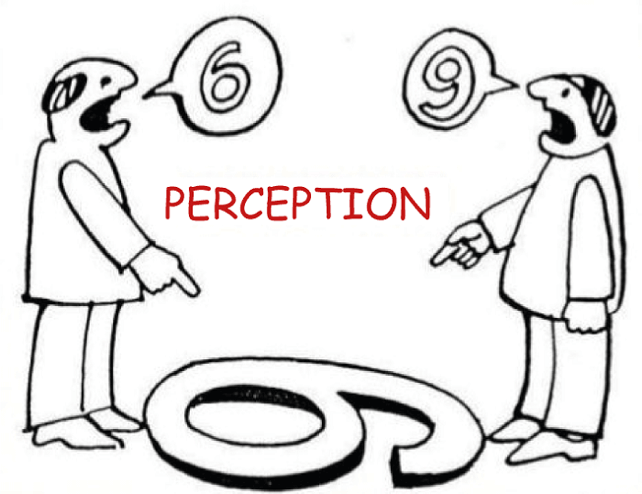
Perception involves the interpretation of sensory information, influenced by factors like past experiences, expectations, and cultural background. Key characteristics include:
- Subjectivity: Perception is subjective, meaning it varies from person to person based on individual differences and interpretations.
- Selectivity: We selectively attend to certain stimuli while ignoring others, influenced by factors like relevance, intensity, and novelty.
- Organization: Perceptual organization involves grouping sensory inputs into meaningful patterns or wholes, such as through principles like proximity, similarity, and closure.
- Constancy: Perceptual constancy refers to the tendency to perceive objects as stable and unchanging despite changes in sensory input, such as size, shape, or color.
- Contextual Effect: Perception is influenced by the context in which stimuli are presented, including physical, social, and cultural contexts.
- Interpretation: Perception involves making sense of sensory information by interpreting it within the framework of one’s beliefs, attitudes, and expectations.
- Ambiguity: Stimuli can be ambiguous, allowing for multiple interpretations or perceptions depending on individual factors and context.
- Perceptual Adaptation: We have the ability to adapt to changes in sensory input over time, adjusting our perception to accommodate new information or environments.
SECTION – II
4.Long essay: (any one)1×10⁻¹⁰
(a) Define motivation and explain the theories of motivation
Motivation refers to the process that initiates, guides, and sustains goal-directed behavior. It involves the internal and external factors that stimulate individuals to take action, exert effort, and persevere in pursuit of their goals or desires. Motivation influences the intensity, direction, and persistence of behavior, shaping individuals’ choices, decisions, and actions. It can arise from various sources, including biological drives, psychological needs, personal goals, social influences, and environmental factors. Motivation plays a crucial role in determining individuals’ level of engagement, performance, and achievement in various domains of life, such as work, education, relationships, and personal development.
Theories of Motivation
- Maslow’s Hierarchy of Needs: Proposed by Abraham Maslow, this theory suggests that individuals are motivated by a hierarchical arrangement of needs, which are organized into five levels: physiological, safety, love/belonging, esteem, and self-actualization. According to Maslow, individuals must fulfill lower-level needs before progressing to higher-level needs.
- Herzberg’s Two-Factor Theory: Frederick Herzberg’s theory distinguishes between hygiene factors (such as salary, working conditions, and job security) and motivators (such as recognition, achievement, and responsibility) in the workplace. Hygiene factors prevent dissatisfaction, while motivators contribute to job satisfaction and intrinsic motivation.
- Expectancy Theory: Developed by Victor Vroom, expectancy theory proposes that individuals are motivated to act in ways that they believe will lead to desired outcomes. This theory emphasizes the importance of three factors: expectancy (belief that effort will lead to performance), instrumentality (belief that performance will lead to outcomes), and valence (value placed on the outcomes).
- Self-Determination Theory (SDT): SDT posits that individuals have innate psychological needs for autonomy, competence, and relatedness, and they are motivated when these needs are satisfied. SDT distinguishes between intrinsic motivation (engagement in an activity for its own sake) and extrinsic motivation (engagement in an activity for external rewards or avoidance of punishment).
- Goal-Setting Theory: Developed by Edwin Locke and Gary Latham, goal-setting theory suggests that specific, challenging goals lead to higher levels of performance when individuals are committed to achieving them. Goals provide direction, clarity, and motivation, and feedback on progress enhances goal attainment.
- Cognitive Evaluation Theory: This theory, derived from SDT, focuses on the impact of extrinsic rewards on intrinsic motivation. According to cognitive evaluation theory, extrinsic rewards can either enhance or undermine intrinsic motivation, depending on whether they are perceived as controlling or informational.
- Equity Theory: Proposed by J. Stacy Adams, equity theory suggests that individuals are motivated by perceptions of fairness and equity in social exchanges. Individuals compare their input-output ratio (effort and contributions versus rewards) with those of others and may feel motivated or demotivated based on perceived inequities.
- Hierarchy of Needs Theory (ERG Theory): Developed by Clayton Alderfer as an extension of Maslow’s hierarchy, the ERG theory proposes three core needs: existence, relatedness, and growth. Unlike Maslow’s hierarchy, which suggests a strict hierarchy, ERG theory allows for the satisfaction of needs at multiple levels simultaneously.
These theories offer different perspectives on the factors that drive motivation and influence behavior in various contexts, including work, education, and personal life. Each theory provides valuable insights into the complexities of human motivation and offers practical implications for understanding and enhancing motivation in different settings.
(b) What is memory? Discuss the methods to improve student’s memory power
Understanding Memory:
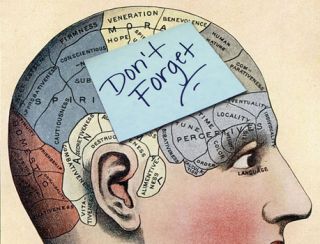
Memory is the cognitive ability that allows us to encode, store, and retrieve information. It plays a crucial role in various aspects of our daily lives, from learning new skills to recalling past experiences. Memory can be divided into different types, including sensory memory, short-term memory, and long-term memory.
- Sensory Memory: This is the shortest-term element of memory. It’s the initial stage that briefly holds sensory information from the external world in its original sensory form. For example, the sights and sounds you encounter are briefly stored in sensory memory before either being transferred to short-term memory or forgotten.
- Short-Term Memory (STM): STM acts as a temporary workspace where information is actively processed and manipulated. It has a limited capacity and duration, typically holding around 7 items for about 20-30 seconds without rehearsal. For instance, when you repeat a phone number to yourself before dialing it, you’re utilizing your short-term memory.
- Long-Term Memory (LTM): LTM is the repository for all our knowledge, experiences, and skills accumulated over a lifetime. Unlike short-term memory, long-term memory has a potentially limitless capacity and can hold information indefinitely. Information stored in long-term memory can be accessed consciously or unconsciously, depending on various factors such as context and retrieval cues.
Methods to Improve Students’ Memory Power:
Enhancing memory power is crucial for students as it directly impacts their academic performance. Here are some effective methods to improve memory power:
- Practice Retrieval: Encourage students to actively retrieve information from memory rather than simply re-reading or re-listening to it. Practice recalling information through quizzes, flashcards, or summarizing key points.
- Use Mnemonics: Mnemonic devices are memory aids that help learners encode and recall information more effectively. Techniques such as acronyms, visualization, and rhymes can make information more memorable and easier to retrieve.
- Chunking: Breaking down large amounts of information into smaller, manageable chunks can facilitate learning and retention. Grouping related items together helps students organize information in a meaningful way, making it easier to remember.
- Spaced Repetition: Instead of cramming information all at once, spaced repetition involves reviewing material at gradually increasing intervals over time. This method optimizes memory retention by reinforcing learning through spaced practice sessions.
- Active Learning: Engage students in interactive learning activities that require them to actively process and apply information. Activities such as discussions, problem-solving tasks, and hands-on experiments promote deeper understanding and memory consolidation.
- Get Enough Sleep: Adequate sleep is essential for memory consolidation and cognitive functioning. Encourage students to prioritize sufficient sleep, as sleep deprivation can impair memory formation and retrieval.
- Healthy Lifestyle: Promote a healthy lifestyle by emphasizing the importance of regular exercise, balanced nutrition, and stress management. Physical activity and proper nutrition support brain health, enhancing memory and cognitive performance.
- Mindfulness and Meditation: Teach students mindfulness techniques and meditation exercises to improve focus, attention, and memory. Practicing mindfulness can reduce stress and anxiety, which are known to impair memory function.
By implementing these strategies, educators can help students develop effective memory skills that contribute to their academic success and lifelong learning abilities.
5 Short essay: (any three)3×5=15
(a) Explain the abnormalities in perception.
definition
Abnormalities in perception refer to disruptions or distortions in how individuals interpret sensory information from their environment. This can manifest in various ways, such as hallucinations, illusions, or misinterpretations of sensory stimuli.
Abnormalities in perception encompass a wide range of disturbances in how individuals perceive and interpret sensory information. Here’s a more detailed breakdown:
- Hallucinations: These are perceptual experiences that occur without corresponding external stimuli.
- Illusions: Illusions occur when sensory stimuli are misinterpreted or distorted, leading to inaccurate perceptions of reality.
- Distortions: These involve alterations in the perception of sensory stimuli, leading to inaccuracies in their interpretation.
- Perceptual disturbances in mental health disorders: Conditions such as schizophrenia, bipolar disorder, and depression can be associated with disturbances in perception.
- Sensory processing disorders: These involve difficulties in organizing and making sense of sensory information.
- Synesthesia: This is a condition where stimulation of one sensory or cognitive pathway leads to automatic, involuntary experiences in a second sensory or cognitive pathway.
Causes…
Abnormalities in perception can stem from a variety of causes, including:
- Neurological conditions: Brain disorders or injuries, such as epilepsy, migraines, etc..
- Mental health disorders: Conditions like schizophrenia, bipolar disorder, depression, etc..
- Substance abuse: Certain drugs, including hallucinogens like LSD, MDMA, or certain prescription medications, etc..
- Sleep disorders: Lack of sleep or sleep disorders such as insomnia or sleep apnea .
- Trauma or stress: Psychological trauma or extreme stress can affect perception.
- Genetics and developmental conditions: Some perceptual abnormalities, such as synesthesia or sensory processing disorders, etc..
- Environmental factors: Exposure to environmental toxins, pollutants, etc…
- Medication side effects: Certain medications, including those prescribed for psychiatric or neurological conditions, etc..
- Age-related changes: As individuals age, changes in sensory organs and brain function can alter perception, leading to sensory deficits or distortions.
- Cultural and social influences: Cultural beliefs, social context, and etc..
Indication..
Indications of perception abnormalities can vary depending on the specific type of abnormality and the individual’s experiences. However, some common indications may include:
- Reports of unusual sensory experiences:
- Confusion or disorientation:
- Inconsistencies in perception:
- Social withdrawal or isolation: .
- Emotional distress:
- Impaired functioning:
- Unusual behaviors or reactions:
- Physical symptoms: .
- Changes in communication:
- Concerns raised by others:
Management…
Management of perception abnormalities involves a tailored approach based on the underlying cause and individual needs. Here’s a general outline of management strategies:
- Medical Evaluation: A comprehensive assessment by a healthcare professional to determine the cause of the perception abnormalities, which may include neurological, ophthalmological, or psychological evaluations.
- Treatment of Underlying Conditions:
- Vision Therapy: Engaging in specialized exercises and activities to improve visual processing skills, eye coordination, and visual perception.
- Occupational Therapy: Participating in activities aimed at improving sensory processing, fine motor skills, and functional abilities related to daily tasks.
- Cognitive Rehabilitation: Employing techniques to enhance cognitive functions such as attention, memory, and problem-solving, which may indirectly improve perception abnormalities.
- Assistive Devices: Utilizing aids such as magnifiers, screen readers, or adaptive technologies to compensate for perceptual deficits and facilitate daily activities.
- Environmental Modifications: Making adjustments to the physical environment to reduce sensory overload, improve accessibility, and enhance safety.
- Psychoeducation: Providing education and support to individuals and their caregivers .
- Medication:
- Multidisciplinary Approach:
(b) Explain any 5 ego defense mechanism.

Ego defense mechanisms are unconscious psychological strategies that individuals use to cope with anxiety and protect the ego from distress. Here are explanations of five common ego defense mechanisms:
- Denial: Denial involves refusing to acknowledge or accept reality, especially when it’s too threatening or anxiety-inducing. For example, a person who receives a terminal diagnosis may deny the seriousness of their condition and insist that they are perfectly healthy.
- Projection: Projection involves attributing one’s own undesirable thoughts, feelings, or traits onto others. Instead of acknowledging and accepting these aspects of themselves, individuals project them onto others as a way to avoid facing them. For instance, a person who struggles with feelings of jealousy may constantly accuse their partner of being unfaithful.
- Rationalization: Rationalization involves justifying or explaining away behavior, thoughts, or feelings in a way that makes them seem more acceptable or less threatening. This defense mechanism helps individuals preserve their self-esteem and avoid feelings of guilt or shame. An example of rationalization is a student who fails an exam attributing their poor performance to the difficulty of the test rather than their lack of preparation.
- Repression: Repression involves pushing distressing or unacceptable thoughts, memories, or impulses into the unconscious mind, where they are out of awareness. This defense mechanism is often associated with traumatic experiences or socially unacceptable desires. For instance, a person who experienced childhood abuse may repress memories of the trauma to protect themselves from overwhelming emotions.
- Sublimation: Sublimation involves channeling unacceptable impulses or emotions into socially acceptable outlets. Instead of expressing them directly, individuals redirect these impulses into productive or constructive activities. For example, someone with aggressive tendencies might channel their energy into sports or artistic pursuits.
These defense mechanisms are natural and serve to protect the individual from emotional distress. However, if used excessively or rigidly, they can lead to maladaptive behaviors and interfere with psychological growth and well-being.
(c) What are the causes of forgetting?
Forgetting can occur due to various causes and mechanisms, which can be grouped into several categories:
- Encoding failure: Forgetting may occur when information is not effectively encoded into memory due to factors such as lack of attention, shallow processing, or insufficient rehearsal. If information is not adequately processed at the initial encoding stage, it may not be stored in memory or may be stored in a form that is difficult to retrieve later.
- Decay: According to the decay theory, forgetting happens because memory traces gradually fade or weaken over time in the absence of rehearsal or retrieval.
- Interference: Interference occurs when the presence of competing or similar information interferes with the encoding, storage, or retrieval of a target memory. There are two types of interference:
- Proactive interference: Previously learned information interferes with the encoding or retrieval of new information.
- Retroactive interference: Newly learned information interferes with the retrieval of previously stored information.
- Retrieval failure: Forgetting can occur when stored information cannot be retrieved from memory at a specific moment.
- Motivated forgetting: Sometimes, individuals may intentionally or unconsciously suppress or repress memories that are emotionally distressing, traumatic, or otherwise undesirable. This phenomenon, known as motivated forgetting or repression, serves as a defense mechanism to protect the individual from psychological discomfort. However, repressed memories may still influence behavior and emotions and may resurface under certain conditions.
- Organizational factors: The way information is organized and stored in memory can influence retrieval success. Forgetting may occur if information is poorly organized or if there are inadequate retrieval cues to access stored memories effectively.
- Neurological factors: Certain neurological conditions, brain injuries, or diseases that affect memory structures and processes, such as Alzheimer’s disease or amnesia, can lead to forgetting. These conditions may impair encoding, storage, or retrieval mechanisms, resulting in memory deficits.
- Psychological factors: Emotions, stress, fatigue, and other psychological factors can affect memory function and contribute to forgetting. Elevated stress levels, for example, may impair attention and encoding processes, leading to reduced memory performance.
(d) ADHD
definition
ADHD, or Attention-Deficit/Hyperactivity Disorder, is a neurodevelopmental disorder characterized by persistent patterns of inattention, hyperactivity, and impulsivity that significantly impair functioning or development. Here’s a detailed overview:
- Types: ADHD is typically classified into three subtypes based on the predominant symptoms:
- Predominantly Inattentive Presentation: Individuals with this subtype primarily exhibit symptoms of inattention, such as difficulty sustaining attention, being easily distracted, and frequently making careless mistakes.
- Predominantly Hyperactive-Impulsive Presentation: This subtype is characterized by symptoms of hyperactivity and impulsivity, including restlessness, excessive talking, difficulty waiting turns, and acting without considering consequences.
- Combined Presentation: This subtype involves a combination of symptoms from both the inattentive and hyperactive-impulsive categories.
Symptoms:
- Inattention: Difficulty sustaining attention on tasks, easily distracted, forgetfulness, disorganization, and difficulty following instructions or completing tasks.
- Hyperactivity: Restlessness, excessive fidgeting or squirming, difficulty remaining seated, and difficulty engaging in quiet activities.
- Impulsivity: Impulsive decision-making, difficulty waiting for one’s turn, blurting out answers or interrupting others, and acting without considering consequences.
- Onset and Diagnosis: Symptoms of ADHD typically emerge in childhood and may persist into adolescence and adulthood. Diagnosis is based on a comprehensive evaluation by healthcare professionals, including assessment of symptom severity, duration, and impairment in multiple settings (e.g., home, school, work).
- Causes and Risk Factors:
- Genetic factors: ADHD tends to run in families, suggesting a genetic predisposition.
- Neurobiological factors: Alterations in brain structure and function, particularly involving regions responsible for attention, impulse control, and executive functions, are implicated in ADHD.
- Environmental factors: Prenatal exposure to toxins (e.g., lead, alcohol, tobacco), maternal stress during pregnancy, low birth weight, and early childhood adversity may contribute to ADHD risk.
Treatment:
- Medication: Stimulant medications (e.g., methylphenidate, amphetamines) and non-stimulant medications (e.g., atomoxetine, guanfacine) etc..
- Behavioral therapy: Behavioral interventions, such as parent training, cognitive-behavioral therapy (CBT), and classroom accommodations, can help individuals develop coping strategies, improve organizational skills, and manage impulsivity.
- Educational support: Individualized education plans (IEPs) or 504 plans can provide accommodations and support services in educational settings to address academic challenges associated with ADHD.
6 Very short essay: (answer all) 6X2=12
(a) Illusion

An illusion is a perceptual experience that deviates from the true nature of sensory stimuli, creating a distorted or misleading impression of reality.
It involves misinterpretations or manipulations of sensory information, leading to perceptions that differ from the actual physical properties of the stimulus. Illusions can occur in various sensory modalities, including vision, hearing, touch, taste, and smell, and they can be natural or intentionally created for artistic, entertainment, or experimental purposes.
(b) Crisis
A crisis is an unstable or perilous situation characterized by an abrupt and urgent need for action, often arising from unforeseen events or circumstances that threaten the well-being, safety, or functioning of individuals, groups, organizations, or societies.
Crises can manifest in various forms, such as natural disasters, emergencies, conflicts, financial downturns, public health threats, or personal hardships, and typically require immediate attention and effective management to mitigate negative outcomes and restore stability.
(c) Types of conflicts

Conflicts can arise in various contexts and take different forms. Here are some common types of conflicts:
- Interpersonal conflicts: These conflicts occur between individuals and may involve disagreements, misunderstandings, etc..
- Intrapersonal conflicts: Intrapersonal conflicts occur within an individual, involving inner struggles, dilemmas, or conflicting desires, beliefs, etc..
- Intergroup conflicts: Intergroup conflicts occur between different groups or factions within a larger entity.
- Interorganizational conflicts: These conflicts occur between different organizations or entities.
- Intragroup conflicts: Intragroup conflicts occur within a single group or team .
- Cultural conflicts: Cultural conflicts arise from differences in cultural norms, values, beliefs, or practices between individuals or groups from different cultural backgrounds.
- Environmental conflicts: Environmental conflicts arise from disputes over the use, management, or protection of natural resources, land, or environmental policies.
- Ideological conflicts: Ideological conflicts arise from differences in political ideologies, religious beliefs, or philosophical viewpoints.
(d) Delusion
Definition..
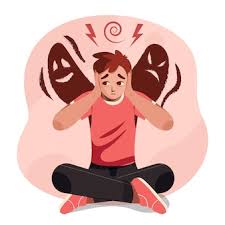
A delusion is a belief that is clearly false and that indicates an abnormality in the affected person’s content of thought. The false belief is not accounted for by the person’s cultural or religious background or his or her level of intelligence.
Delusion Types
Persecutory delusion. …
Delusion of grandeur. …
Delusional jealousy. …
Erotomania or delusion of love. …
Somatic delusional disorder. …
Induced delusional disorder or folie a’ deux. …
Bizarre delusion – Refers to delusion that is implausible or bizarre such as alien invasion.
(e) IQ
IQ is an abbreviation of intelligence quotient, a term invented in 1912 by the German psychologist William Stern.
Definitions of IQ. a measure of a person’s intelligence as indicated by an intelligence test; the ratio of a person’s mental age to their chronological age (multiplied by 100)
IQ scores between 90 and 109 indicate a normal range or average intelligence. Individual adults usually score somewhere in between the 70-130 range, with 100 being the theoretical average.
(f) Levels of mind.
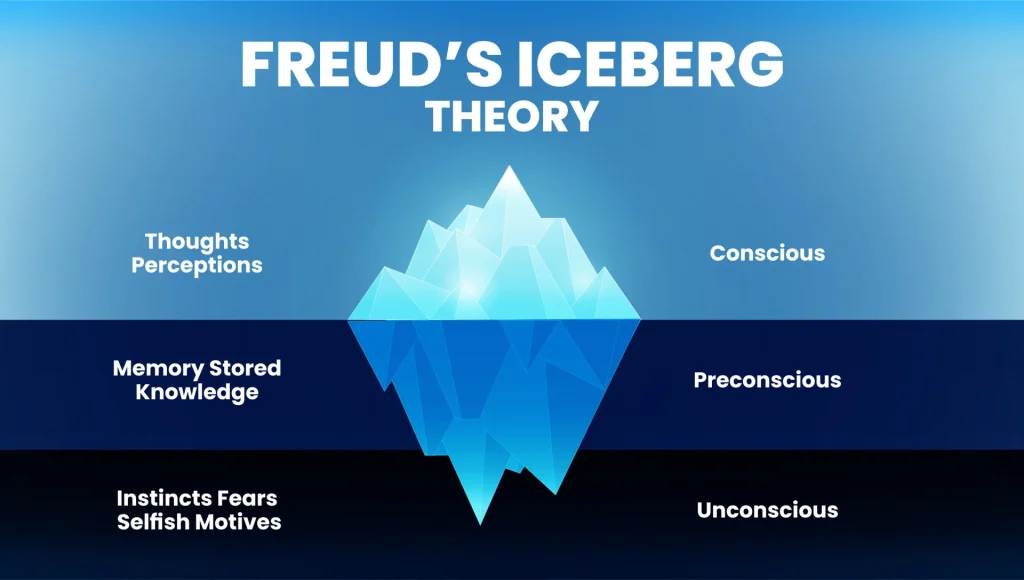
Sigmund Freud divided human consciousness into three levels of awareness: the conscious, preconscious, and unconscious.
Each of these levels corresponds and overlaps with his ideas of the id, ego, and superego.